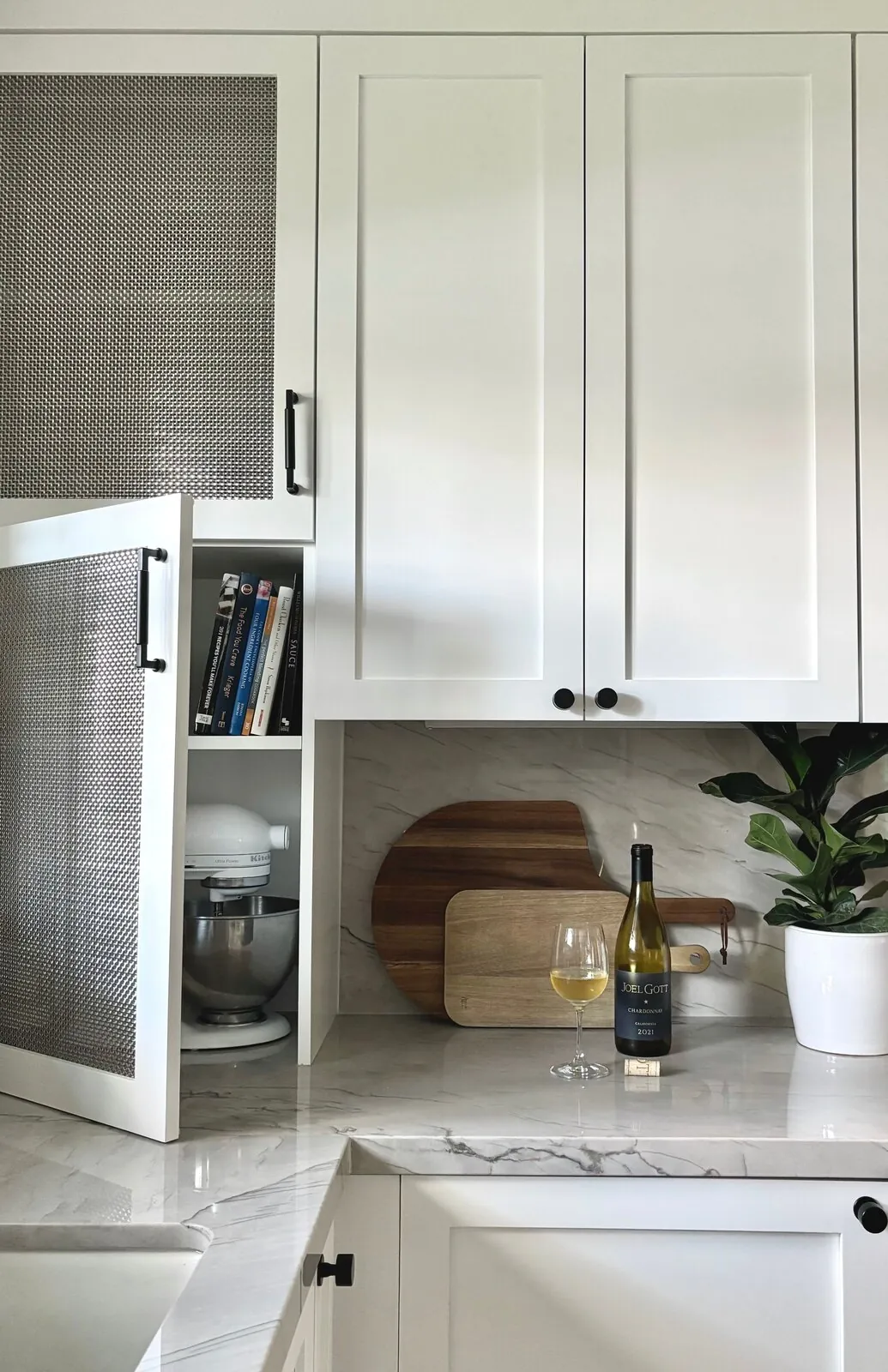
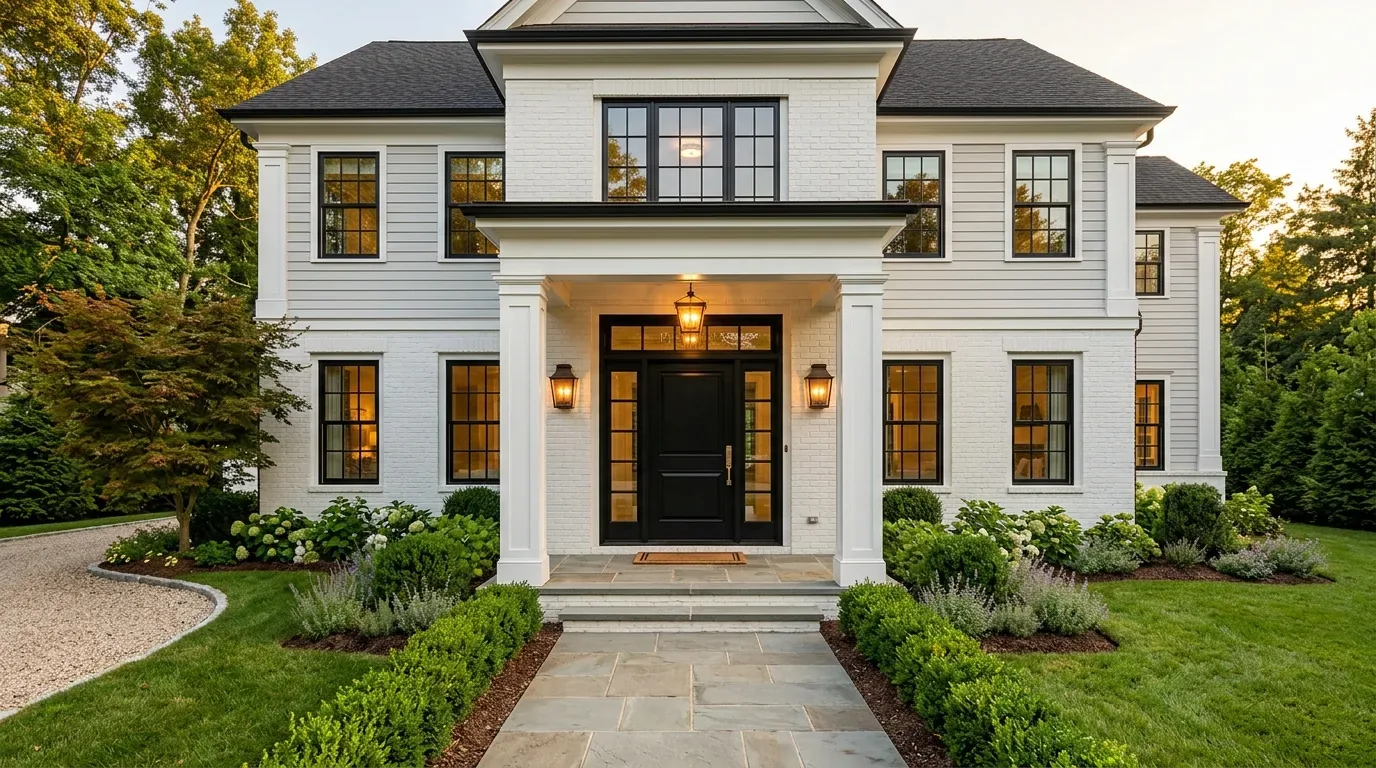
French Colonial style mixes rich history with local charm. Picture elegant Europe meeting laid-back Southern California. Focus on warmth, quality. Let’s break down what makes this style tick: layout, furniture, colors, materials. We'll cover how to get French Colonial touches in modern Sac homes. Easy tips to keep charm with comfort.
French Colonial style in Sacramento and Mill Valley depends a lot on local building styles and light. As always, our approach maintains a warm-restraint perspective, ensuring designs feel both intentional and timeless in today’s evolving interiors.
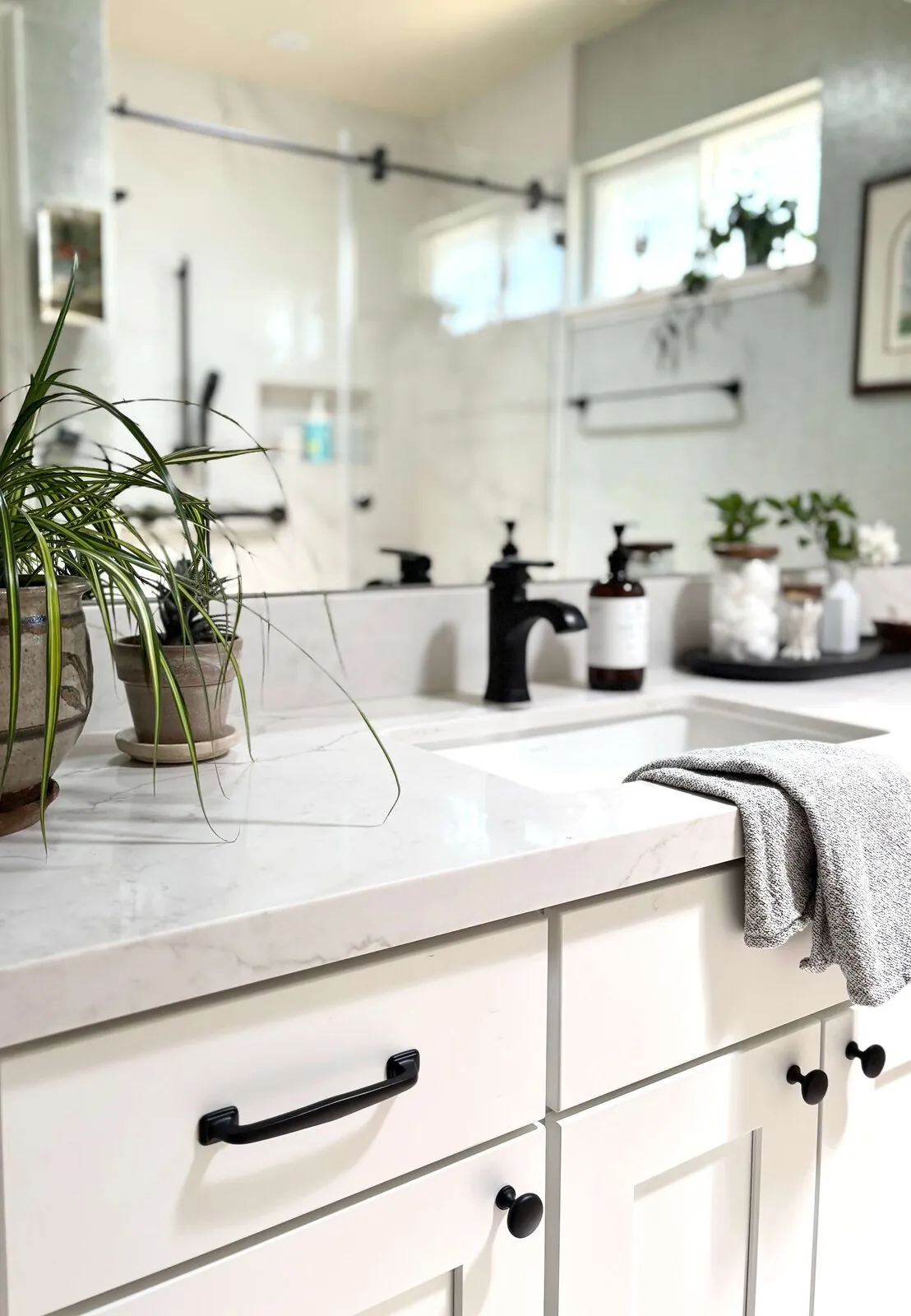
Direct Answers (French Colonial House)
| What are the defining features of a French Colonial house in Sacramento? | Sacramento's French Colonials often feature wood floors with ironwork. |
| How does regional authenticity influence the design of a French Colonial house in Sacramento? | Local stone and wood connect the design to Sacramento’s history and climate. |
| What are common interior materials used in French Colonial houses in Sacramento? | Timeless: white oak floors, plaster walls, muted tones. |
| When updating a French Colonial home in Sacramento, what should homeowners focus on? | Choose real materials and smart layouts over pricey decorations. |
French Colonial House 2026 at a Glance
| Element | In | Out |
|---|---|---|
| Color Palette | Warm color palettes with muted tones | Bright, bold colors |
| Materials | Natural materials and handcrafted finishes | Mass-produced furniture |
| Furniture Style | Architectural details like arches and beadboard | Synthetic finishes |
| Layout | Mix of vintage and custom furniture | Cluttered layouts |
| Decorative Elements | Layered textures and subtle ornamentation | Overly ornate details |
| Textures | Open, flowing layouts with courtyards | Modern minimalism |
| Authenticity | Authentic finishes and regional adaptations | Cold materials like steel and plastic |
| Modern Adaptation | Modern updates respecting traditional elements | Excessive ornamentation |
The Heart of French Colonial Interiors: Authentic Material Choices
In French Colonial interiors, authenticity begins with the choice of materials that evoke regional craftsmanship and history. Across our active project specifications, we see a preference for white oak or reclaimed hardwood floors, prized for their durability and warm, natural grain. Plaster walls or beadboard paneling add texture and regional character, often finished in soft, matte paints that enhance the relaxed elegance of the style. Terracotta or natural stone tiles are common in entryways and kitchens, grounding the space in regional authenticity.
When selecting finishes, the emphasis is on warm, muted tones, think sand, olive, and gentle blues, paired with handcrafted details like wrought iron fixtures and vintage-inspired hardware. The space is cozy, classic, not just for looks. Using local materials that age well gives homes that lived-in, curated feel.
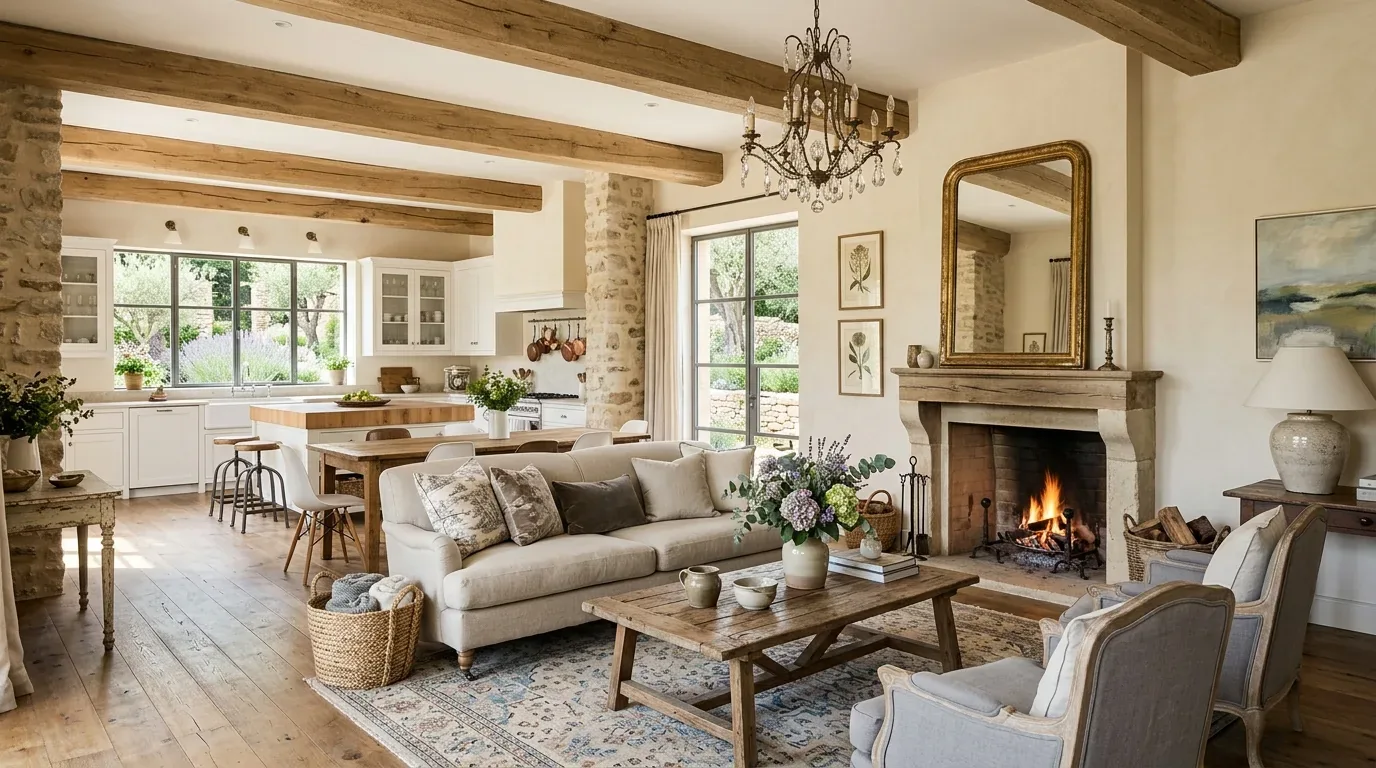
Material Specificity: Essential and Authentic Choices
Authenticity-grade materials
- White oak (rift-sawn), for floors and slat detail; calmer grain than plain-sawn
- Reclaimed terracotta tiles, for authenticity and ageability in entryways and kitchens
- Lime plaster, for walls, offering breathability and soft texture
- Wrought iron, for fixtures, lighting, and hardware, adding regional craftsmanship
- Natural stone (limestone or travertine), for fireplaces and accents, lending regional warmth
- Vintage or distressed wood, for furniture and millwork, emphasizing age and character
- Matte-finish paints, in muted tones aligned with regional palettes
- Ceramic and handcrafted tile, for subtle decorative details
Generic-grade tells we refuse to spec
- Mass-produced laminate flooring
- Synthetic paint finishes
- Vinyl or plastic hardware
- High-gloss or overly shiny surfaces
- Factory-made decorative moldings
- Bright, saturated colors
- Mass-produced furniture
- Plastic or acrylic accents
How to Size and Select Fixtures for a French Colonial Kitchen
Choosing the right fixtures for a French Colonial kitchen starts with understanding scale and proportion. The first question we ask clients is: What size range fits your cooking and entertaining needs? In a main kitchen, a 36-inch range works for most. Larger families or entertainers? Go for 48-inch. AIA says fixture size should match room and ceiling.
Hoods? 24 to 30 inches deep, 600-900 CFM does the job. Locals might want custom ones, reclaimed wood or wrought iron. Choose fixtures. Local custom work or stock from Wayfair and Etsy? Custom millwork fits best, feels real. Costs more, takes longer. In Sacramento, blend tradition with budget and time. Choose fixtures wisely.
Should You Choose Custom Millwork or Stock Fixtures in Sacramento?
Pick between custom and stock. Look at budget, time, and real feel. The first question homeowners ask is: Can I get the look I want without the long lead times and high costs of custom options? We've seen custom millwork give that French Colonial look. Use local oak or cypress, go for detailed profiles.
Stock fixtures from locals or Etsy work for hardware or lights. The American Society of Interior Designers emphasizes quality over quantity, recommending that key focal points be custom if authenticity is a priority. In Sacramento, local fabricators get it. They know the finishes and timing. Mix both to get authentic rooms without losing function.
Will a French Colonial Interior Feel Timeless or Date Fast?
Homeowners often wonder if this style stays fresh or becomes dated. Our first question is: How can I incorporate traditional elements in a way that remains fresh? Combine vintage materials and simple details to merge eras. The American Society of Interior Designers notes that timeless interiors avoid overly ornate or trendy details, instead favoring restrained elegance and quality materials.
Matte paint with reclaimed wood creates historic flair. Stick with muted tones. Textures weave modern with traditional vibes. Skip trends; focus on quality. Focus on what's locally authentic. This keeps your spaces looking good for years.
Common Mistakes We See in French Colonial Interior Design
One common mistake is over-ornamentation, which can make the space feel busy rather than refined. Shiny finishes and fake veneers? Avoid them. They don't feel regional. Misjudging fixture size? It wrecks the relaxed vibe of French Colonial style.
In Sacramento, people often try to copy the look without understanding local history. Use real materials, subtle ornaments, and respect architecture's size. Need help? Talk to regional experts or look at historical examples to stay true to the style.
Observed Failure Modes, How French Colonial House Goes Wrong
From our project debriefs and post-occupancy reviews, 2023-2026.
Over-ornamentation Dilutes Authenticity
Many homeowners and designers fall into the trap of adding excessive decorative details, thinking it will enhance the style. Too much decor spoils elegance. Emphasize a few well-made items. Think regional ironwork or beadboard. In Sacramento, stick to simplicity and authenticity. Too many details break elegance.
Using Synthetic or Faux Materials
Choosing synthetic finishes or faux materials instead of authentic regional options can make the interior feel cheap and disconnected from its roots. The American Society of Interior Designers advocates for real materials like lime plaster or reclaimed wood, which age beautifully and add character. In Sacramento, use regional materials. Supports local crafts, keeps it real.
Ignoring Proportions and Scale
Installing fixtures or furniture that are not scaled properly to the space can disrupt the relaxed charm of French Colonial interiors. Getting scale wrong with chandeliers or hardware tips balance off. Measure the room first. Pick pieces that fit those measurements. Measure everything to ensure a balanced look.
Neglecting Regional Adaptation
Applying a generic style without considering regional climate, landscape, and architecture results in a look that feels out of place. Finishings that handle the dry Sacramento air suit older homes. Authenticity comes from using local materials and skilled hands.
Overuse of Ornamentation
Adding too many decorative elements can overwhelm the space and detract from the style’s understated elegance. Highlight regional ironwork or vintage tiles, keep the rest clean. Less is more in achieving the timeless, relaxed feel that defines French Colonial interiors.
What's Going Out for 2026
- Bright, saturated colors
- Overly ornate moldings
- Synthetic finishes
- Cluttered layouts
- Mass-produced fixtures
- Excessive ornamentation
- High-gloss surfaces
- Faux regional materials
- Overly modern furniture
What French Colonial House Costs in 2026
| Scope | Typical range |
|---|---|
| Basic refresh with authentic materials | $35K-$75K |
| Mid-tier renovation with custom details | $75K-$150K |
| Estate-scale transformation with extensive millwork | $150K-$400K |
Working Notes
What We Have Learned Doing This: French colonial house: A Designer's Guide
“Good rooms are built twice. Once on paper, once in the field.”
Order the slow-to-ship items first. Schedule work to continue without them. The appliance, the stone, the custom millwork set the schedule, and pretending otherwise is how a project loses a month it never gets back.
Specify for the next ten years, not the next photo shoot. The work that holds its value is quiet, well made, and a little bit boring on the day it is installed.
The cheapest tool on any project is a sample board and an afternoon. We have watched five-figure mistakes get caught by a fifteen-dollar paint sample lived with for a week in the actual light of the actual room. Decisions made under showroom lighting do not survive contact with a real house.
These notes come from our own french colonial house: a designer's guide project debriefs. Most were learned the expensive way the first time.
Sources & Professional References
This guide's positions on materials are grounded in published building-code, standards, and recognized design-authority sources, alongside Designed | Curated Interiors' verified credentials and active project files:
- American Society of Interior Designers (ASID): interior-design practice standards
- International Code Council (ICC): Chapter 8 Interior Finish Decorative Materials And Furnishings
- NKBA, Amy Kunst Member Profile (verified credential, NKBA Committee Member)
- Featured in: Homes & Gardens (design expert quote, May 2026) · Sacramento Love (guest author, 2024)
Frequently Asked
What are the defining features of a French Colonial house in Sacramento?
How does regional authenticity influence the design of a French Colonial house in Sacramento?
What are common interior materials used in French Colonial houses in Sacramento?
When updating a French Colonial home in Sacramento, what should homeowners focus on?
Are there specific permits or codes to consider for French Colonial renovations in Sacramento?
From French Colonial House to a Real Room
A trend piece is the briefing document, not the deliverable. The pages below show how we translate these principles into finished rooms across Sacramento and the rest of Northern California.
- Sacramento & Bay Area Interior Design Services How we scope, source, and deliver work end to end.
- Interior Designer Hub, Sacramento Where most of our Sacramento work lives, the regional fit explained.
- French Colonial House Interior Design Related cluster piece referenced from the French Colonial House Interior Design build files.