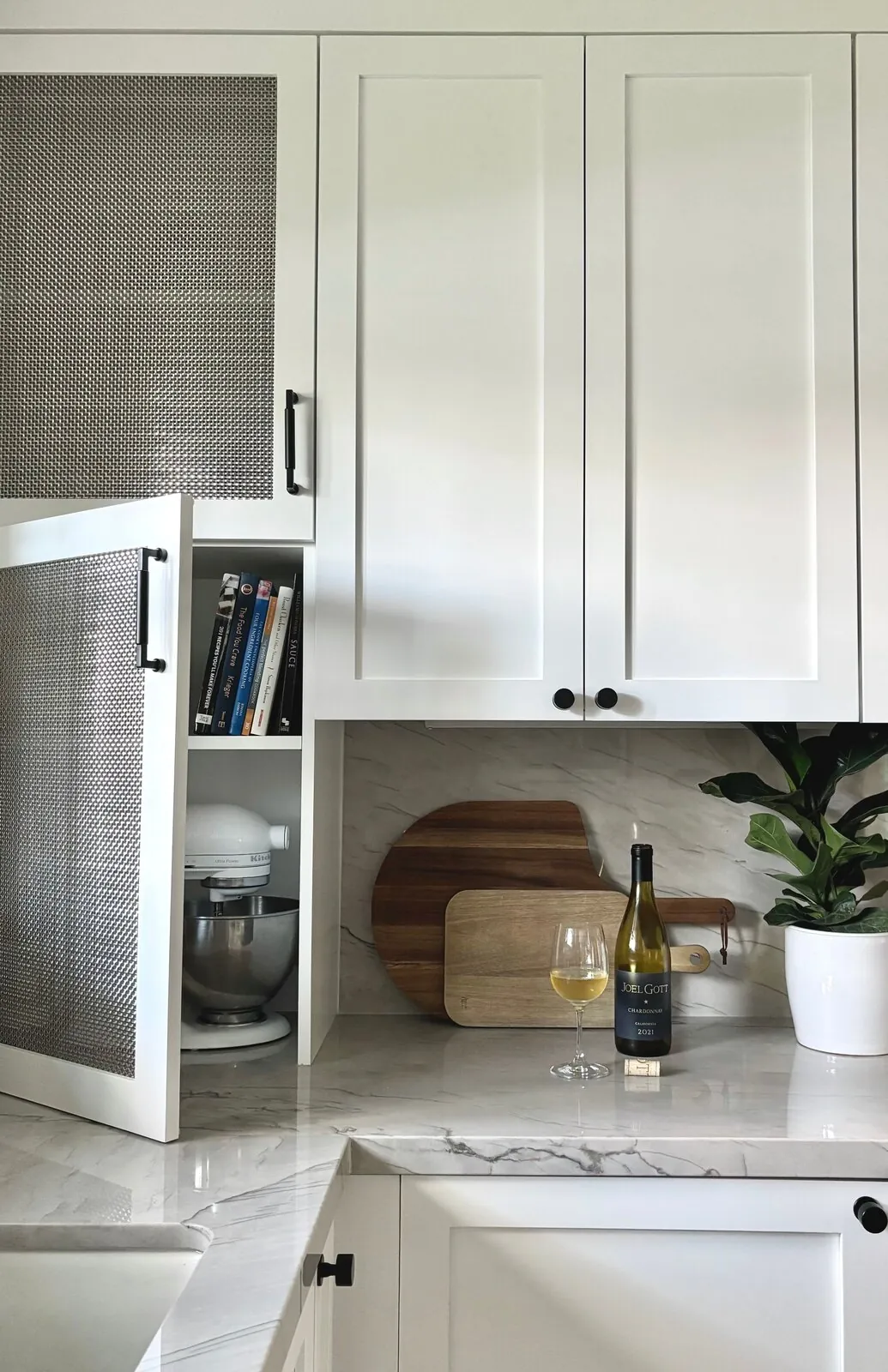
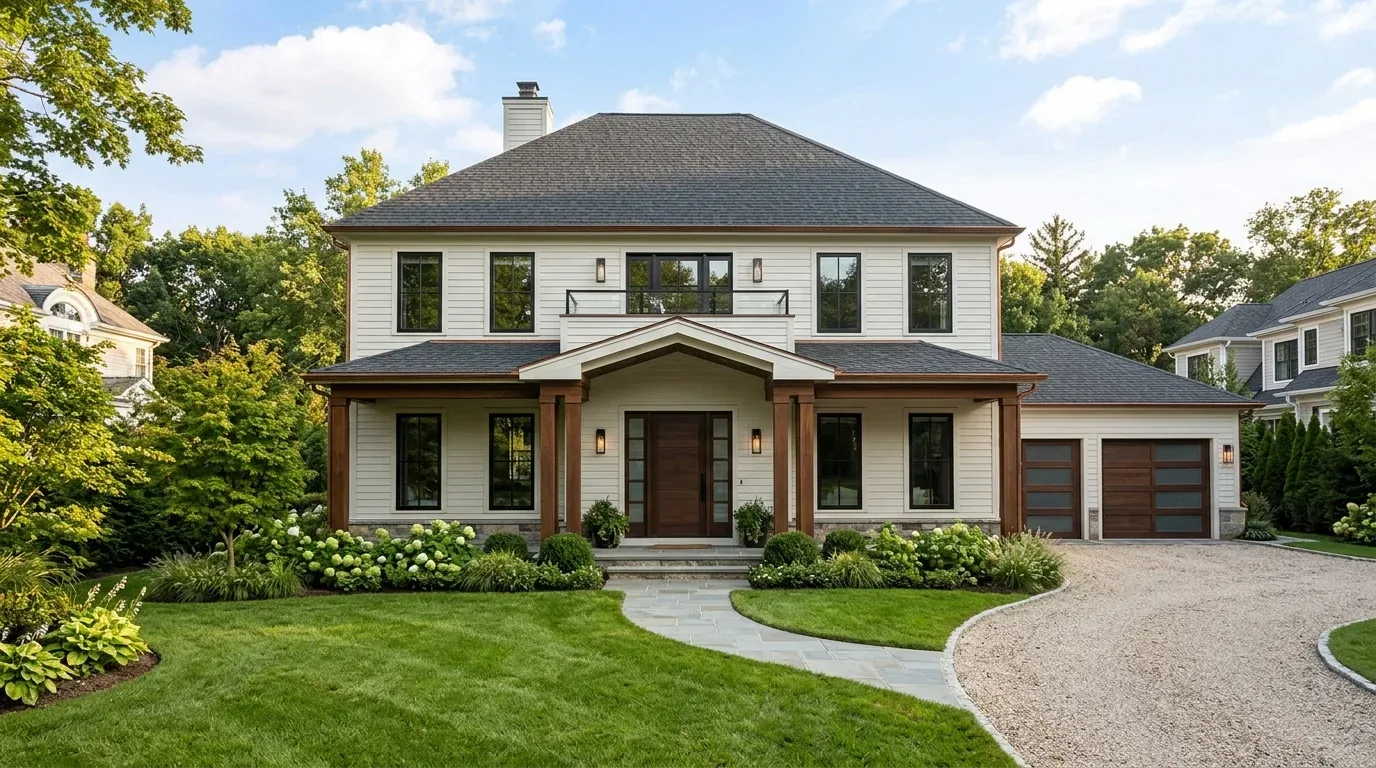
Introduce French Colonial style for coziness. Classic interiors await. Combine authentic details with a clean look. French Colonial design feels warm and inviting. Use traditional furniture and historic architecture.
This guide dives into French Colonial interiors. Color, furniture, architecture, and mixing with modern elements. We will also provide visual inspiration and discuss the style’s historical roots, all through a regional lens focused on Sacramento and the broader Bay Area. Our approach emphasizes a warm-restraint perspective, helping homeowners achieve authentic yet livable interiors.
Common Questions
| What are the key elements of French Colonial interior design? | Look for warm colors. Use exposed beams, shuttered windows. Traditional furniture and textured materials like reclaimed wood work well. |
| How can I incorporate authentic architectural features into my Sacramento home? | Bring in exposed beams. Reclaimed floors. Plaster for texture. Check your home's structure. |
| What materials are recommended for achieving a genuine French Colonial look? | Go for reclaimed pine floors. Matte finish always works. Plaster walls, wrought iron, and limestone suit Sacramento's weather. |
| When should I consider remodeling versus rebuilding to achieve French Colonial style? | Older Sacramento homes may need big updates, maybe even rebuilding. |
French Colonial House Interior Design 2026 at a Glance
| Element | In | Out |
|---|---|---|
| Color | Warm color palettes with natural tones | Cold color schemes |
| Furniture | Rich wood furniture and accents | Modern minimal furniture |
| Decor | Architectural features like shutters and beams | Synthetic materials |
| Architectural Features | Authentic materials and finishes | Overly ornate details |
| Materials | Mixing traditional with modern elements | Ignoring architectural elements |
| Style Fusion | Inspiration images of classic French Colonial interiors | Inauthentic decor choices |
| Historical Roots | Historical influences from 17th-18th century France and Caribbean regions | Bright, neon lighting |
| Decorative Layering | Subtle, layered decor with antique accents | Cluttered, overly busy interiors |
First Major Design Move, Embracing Authentic Architectural Elements
The foundation of a French Colonial interior begins with authentic architectural details that evoke the historic charm of the style. Focus on exposed beams, shuttered windows, and distressed flooring in our projects. These features add history and craftsmanship to the design.
Reclaimed oak floors create warmth. Think old French colonial. Wide-plank hardwoods feel rich. Textured plaster adds depth. Wrought iron lights work well. Try vintage lanterns too. They keep the historical vibe but feel warm too. Balancing old elements with modern comfort can be tricky. Update with modern hardware or neutral paints.
Material Specificity, Authentic Materials for a Genuine Look
Authenticity-grade materials
- White oak (rift-sawn), for floors and slat detail; calmer grain than plain-sawn
- Distressed plaster, for walls to evoke aged charm
- Reclaimed pine, for furniture and accents, adding history and texture
- Wrought iron, for lighting and hardware, providing rustic authenticity
- Antique brass, for fixtures and decorative hardware, with a warm glow
- French limestone, for fireplaces and accents, durable and authentic
- Vintage ceramic tiles, for kitchen backsplashes, with historic patterns
- Milk paint or chalk paint, for furniture refinishing, creating an aged patina
Generic-grade tells we refuse to spec
- Polyurethane finishes, less authentic than natural oils
- Synthetic paints, lack the patina of traditional plaster
- Mass-produced furniture, less character than vintage or reclaimed pieces
- Plastic hardware, detracts from the authentic feel
- Laminate flooring, less warm and textured than real wood
- Modern tile with glossy finish, less suited for historic look
Should You Remodel or Rebuild in Sacramento to Achieve French Colonial Style?
First, can your home support French Colonial details or need a rebuild? Is it better to keep the old structure or rebuild from scratch? Age, strength, and permits decide it. Older homes in Sacramento can hide surprises that affect renovation plans.
A homeowner wanted exposed beams and vintage plaster, but modern updates made it tricky. Checking with a tape measure showed the ceiling was too low for beams without serious changes. Instead, we recommended subtle architectural treatments that mimicked authentic features, saving significant costs. The key is to assess what is worth preserving versus what needs to be rebuilt for authenticity or safety. For detailed guidance on permit requirements, consult the Sacramento Building Division.
How to Select the Right Fixtures and Finishes for a French Colonial Look
Choosing fixtures and finishes is crucial to achieving an authentic French Colonial interior. The homeowner’s real underlying question is: what details will make the space feel both historic and refined? Start by picking materials like wrought iron lights or vintage tiles. Details like these add depth and warmth.
Finding genuine materials matters. French limestone fits fireplaces well. Reclaimed pine furniture lasts. Old-time charm? Try Circa’s vintage-style lighting. Restoration Hardware too. Balance out authenticity and comfort. Avoid new, shiny details. They clash with elegance.
What This Costs in 2026
| Scope | Typical range |
|---|---|
| Refresh scope with authentic materials and minor updates | $40K-$80K |
| Mid-tier renovation with custom details and structural updates | $80K-$250K |
| Estate-scale overhaul with full rebuild, custom millwork, and historic restoration | $250K-$600K |
Working Notes
What We Have Learned Doing This: French Colonial House Interior Design
“The schedule is a design decision. Treat it like one.”
Stop fearing bad taste. Fear delays, wrong wiring, bad framing. The look counts, but so does the build. They both matter.
Renovation isn’t just tasks. It's chains of dependencies. A two-day cabinet delay quietly becomes a two-week slip by week sixteen because every trade downstream is holding a calendar. Most useful? Keep that chain from falling apart.
Order what's delayed first. Job relies on good timing. The appliance, the stone, the custom millwork set the schedule, and pretending otherwise is how a project loses a month it never gets back.
These notes come from our own project debriefs. Most were learned the expensive way the first time.
Sources & Professional References
This guide's positions on materials are grounded in published building-code, standards, and recognized design-authority sources, alongside Designed | Curated Interiors' verified credentials and active project files:
- American Society of Interior Designers (ASID): interior-design practice standards
- International Code Council (ICC): Chapter 8 Interior Finish Decorative Materials And Furnishings
- NKBA, Amy Kunst Member Profile (verified credential, NKBA Committee Member)
- Featured in: Homes & Gardens (design expert quote, May 2026) · Sacramento Love (guest author, 2024)
From Principle to a Real Room
A trend piece is the briefing document, not the deliverable. The pages below show how we translate these principles into finished rooms across Sacramento and the rest of Northern California.
- Sacramento & Bay Area Interior Design Services How we scope, source, and deliver work end to end.
- Interior Designer Hub, Sacramento Where most of our Sacramento work lives, the regional fit explained.
- French colonial house: A Designer's Guide Discover the latest design trends for French Colonial houses in Sacramento, blending elegance with modern living. Explore materials, archite