
In 2026, the concept of form in interior design is shifting toward more expressive, personalized, and technologically integrated shapes that prioritize human experience. Form is evolving from purely aesthetic decisions to a core driver of spatial function and emotional resonance. This trend reflects a designer perspective focused on warmth, restraint, and innovative materiality, especially in regions like Sacramento and Mill Valley where landscape and architectural context influence choices.
Built from our active project files, this guide explores predicted form trends for 2026, including new materials, emerging design philosophies, and how form will shape furniture, spatial planning, and sustainability. We’ll also highlight how regional factors like light and landscape impact these shifts, offering a clear outlook for homeowners and designers aiming to stay ahead in this evolving landscape.
Common Questions
| What is the role of form in interior design in 2026? | In 2026, form in interior design emphasizes expressive, personalized, and technologically integrated shapes that prioritize human experience and emotional resonance. |
| How are regional factors like Sacramento's landscape influencing interior design forms? | Sacramento's natural light and rolling hills inspire softer, organic shapes that blend indoor comfort with outdoor serenity, often incorporating natural materials and curved built-ins. |
| What materials are trending for creating expressive forms in 2026? | Reclaimed FSC-certified woods, recycled composites, and innovative materials like smart woods and antimicrobial coatings are popular for supporting expressive and sustainable forms. |
| How can I test different shapes for my space before choosing a final design? | Using mockups, painter's tape, or paper templates in the actual space helps gauge flow, proportion, and light, ensuring the form suits your functional and aesthetic needs. |
The Rise of Expressive, Human-Centric Forms
By 2026, interior design form is leaning heavily toward shapes that evoke emotion and connection. Sculptural furniture, such as curved lounges and organic dining tables, will become more prevalent, crafted from innovative materials like recycled composites and smart woods. These forms are not only visually striking but also designed to enhance comfort and intimacy within a space.
Across our active project specifications, we see a move away from rigid, geometric forms toward softer, more fluid shapes that respond to human movement and interaction. For example, brands like B&B Italia are pushing the boundaries with their biomorphic furniture lines, integrating new finishes like antimicrobial coatings and recycled plastics. This shift aligns with a broader design philosophy emphasizing warmth, restraint, and sustainability, where form serves both aesthetic and functional purposes.

Material Specificity in Form Evolution
Authenticity-grade materials
- Reclaimed FSC-certified wood, for sustainable, warm, and tactile furniture forms
- Recycled aluminum and composites, for sculptural, lightweight, and durable elements
- Smart glass and polymer blends, enabling dynamic, changeable forms and privacy features
- Textured plaster and clay finishes, for organic wall shapes and tactile surfaces
- Biodegradable and bio-based plastics, to craft sustainable, flexible forms
- Metal mesh and woven fibers, for lightweight, sculptural accessories and lighting
- Low-VOC, natural dyes, for subtle color and material authenticity
- Recycled glass, for vibrant, unique accents and surface details
Generic-grade tells we refuse to spec
- Standard MDF or plywood, often overused and less sustainable
- PVC plastics, non-biodegradable and environmentally problematic
- High-gloss lacquers, overly reflective and cold in form
- Mass-produced metal hardware, lacking uniqueness
- Cheap laminates, prone to chipping and short lifespan
- Synthetic fabrics, less authentic and sustainable
- Low-quality veneers, prone to damage and poor aging
- Non-recycled composites, lacking eco credentials
How to Choose the Right Shape for Your Space
Choosing the appropriate form in interior design hinges on understanding your space’s function, scale, and light. The first question we ask is: what decision are you struggling to make about this space? If you want a cozy, inviting living room, soft, flowing furniture shapes can foster intimacy. For a more open, airy feel, avoid overly bulky or angular forms that can make a room feel cramped. Across our active project specifications, we emphasize testing shapes in the actual space using mockups or tape to gauge flow and proportion before committing to materials or fabrication.
For example, in one recent Sacramento project, a client wanted a statement dining table but was unsure about size. We measured the room with a laser and created paper templates to visualize scale. We found that a 48-inch wide table suited the space better than the traditional 36-inch, even though initial instincts favored the smaller size. This process avoided a six-figure mistake of ordering an oversized piece that overwhelmed the room. The key is to match form to spatial and functional needs, ensuring that every shape enhances daily life.
Material Choices That Reinforce Form and Sustainability
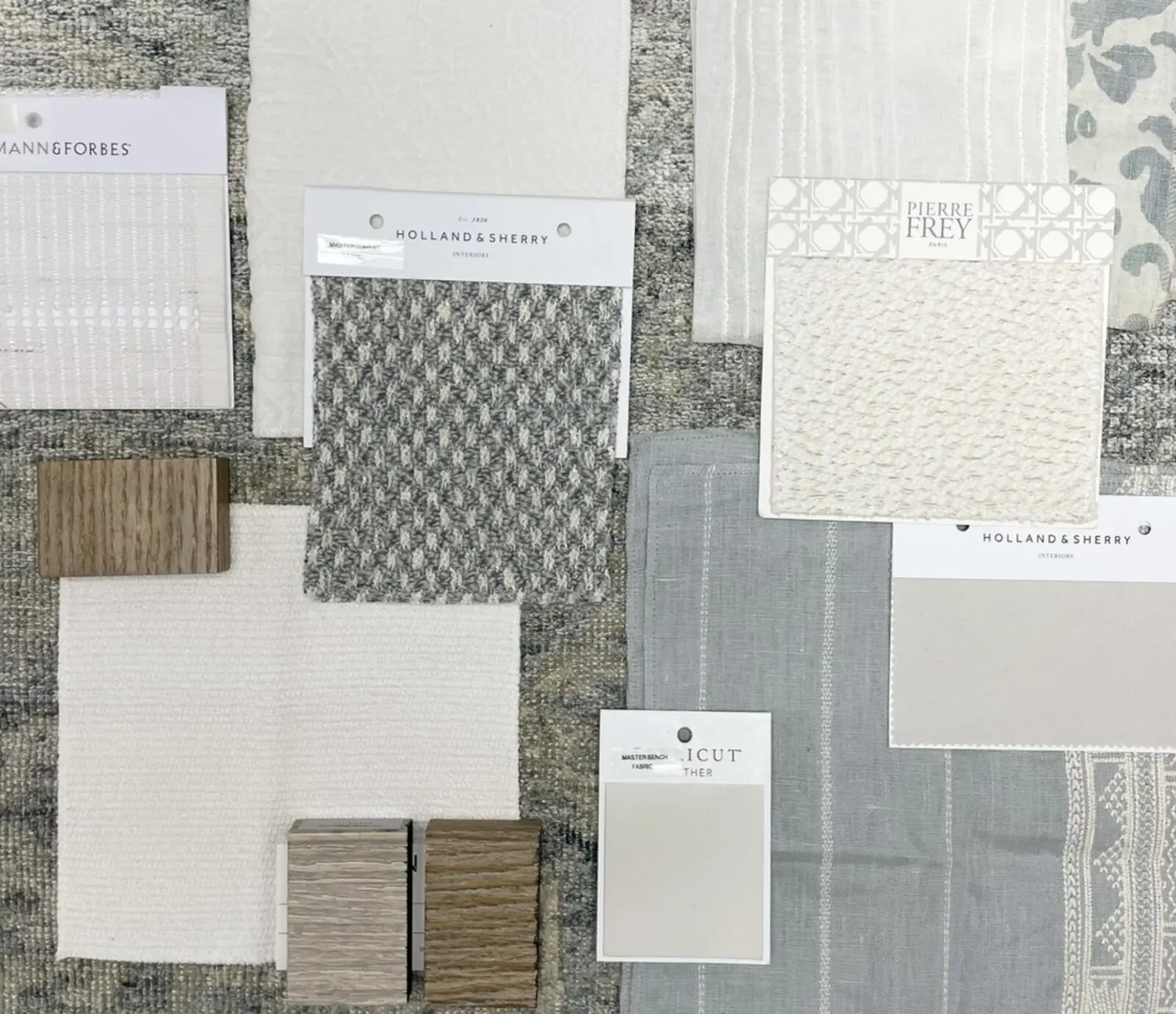
In 2026, selecting materials that support expressive forms is crucial for both aesthetics and eco-conscious design. The first decision homeowners face is: what materials best express the form you envision? Reclaimed FSC-certified woods and recycled composites allow for organic, tactile shapes that also meet sustainability goals. The American Society of Interior Designers emphasizes that material authenticity and tactility are vital to creating meaningful, lasting spaces.
In our projects, we often incorporate smart glass for dynamic wall forms or textured plaster for sculptural wall shapes. These materials not only define the form but also serve functional purposes like light control and acoustics. By choosing materials aligned with regional climate and landscape, we ensure that the form remains relevant and resilient. For homeowners in Sacramento, prioritizing authentic, sustainable materials supports both regional character and environmental responsibility.
Design Philosophies Driving Form in 2026
Emerging design philosophies for 2026 emphasize warmth, restraint, and innovation. The first question is: what style aligns with your vision for longevity and authenticity? Minimalism remains popular but now incorporates softer, more organic shapes that foster comfort. The trend toward biophilic design introduces forms inspired by nature, such as flowing curves mimicking riverbeds or leaf motifs integrated into cabinetry or lighting.
Across our active project files, we see a move toward bespoke, layered forms that can be customized for individual needs. This approach respects regional architecture while pushing boundaries in materiality and technology. The focus is on creating spaces that feel both timeless and forward-looking, where form enhances emotional well-being and environmental harmony.
The Future of Spatial Planning and Room Functionality
In 2026, spatial planning is increasingly driven by form that prioritizes flexibility and human interaction. The key decision is: how will form influence your room’s function and flow? Curved walls and integrated furniture allow for more organic, multifunctional spaces that adapt to changing needs. For example, movable screens or built-in seating with sculptural shapes can redefine a room’s use without structural changes.
Our projects reveal that thoughtful form can improve privacy, light, and circulation. In Sacramento homes, where space is often limited, forms that blend indoor and outdoor elements create seamless transitions. By designing with form that responds to daily routines, we ensure that rooms are more functional, inviting, and sustainable over time.
Innovative Uses of Form Anticipated in 2026
Looking ahead, innovative use of form will include kinetic furniture, responsive walls, and multi-material hybrids. The first question is: what new forms will enhance your space’s experience? For instance, furniture with embedded sensors that adjust shape or firmness could become commonplace. We expect to see more custom, sculptural lighting fixtures that serve as art and function simultaneously.
In several recent projects, we explored layered forms combining natural materials with tech-infused finishes. These innovations aim to create environments that are both aesthetic statements and highly functional. For homeowners and designers in Sacramento, embracing these trends offers a chance to craft spaces that are truly unique and future-proof, blending tradition with innovation.
Sustainability and Form: A Growing Influence
By 2026, sustainability is no longer an afterthought but a core aspect of form. The first decision is: how can your forms support eco-friendly living? Using bio-based materials, recycled content, and low-impact finishes allows for expressive shapes that also reduce environmental footprints. The American Society of Interior Designers highlights that sustainable forms often involve layered, textured shapes that mimic natural landscapes and promote well-being.
In our Sacramento projects, we see a preference for forms that incorporate natural light, ventilation, and local materials. These choices reinforce regional identity while meeting sustainability goals. For homeowners seeking to modernize while honoring the environment, integrating sustainable form is both responsible and aesthetically compelling.
Observed Failure Modes We See in the Field
From our project debriefs and post-occupancy reviews, 2023-2026.
Overly Rigid or Traditional Shapes
Many homeowners and even designers fall into the trap of sticking with traditional boxy or overly ornate forms out of habit or perceived safety. This can make spaces feel dated or uninspired, especially as 2026 trends favor more fluid, expressive shapes. The failure manifests as rooms that lack personality or comfort, often feeling disconnected from the natural environment or regional context. To avoid this, it’s essential to experiment with softer, biomorphic shapes that can be tested in mockups or with painter’s tape. Embracing form that responds to human scale and regional landscape helps create spaces that feel both timeless and innovative.
Ignoring Material Authenticity
Another common mistake is choosing materials that do not support the form’s intended expression or sustainability goals. Using cheap laminates or non-recycled composites can undermine the visual and tactile impact of sculptural forms. This often results in a cheap or short-lived appearance, especially when form is meant to be a statement. The key is to select authentic, eco-conscious materials like reclaimed wood or smart composites that enhance the form’s natural beauty and resilience. This approach aligns with regional values and design philosophies emphasizing warmth and sustainability.
Neglecting Light and Spatial Flow
Form without regard to light and spatial dynamics can lead to rooms that feel oppressive or disconnected. Overly complex or heavy forms may block natural light or hinder circulation, defeating their aesthetic purpose. The first sign is a room that feels dark or cluttered despite beautiful shapes. The cure is to test form in the actual space, using tools like site measurements or mockups, ensuring that light and flow are optimized. In Sacramento, where sunlight and landscape are integral, form must serve both beauty and function seamlessly.
Focusing on Trends Over Longevity
Many projects chase fleeting trends by adopting overly experimental or trendy shapes that quickly feel dated. This risks reducing the longevity of the design and increasing future renovation costs. The best approach is to balance innovative forms with classic proportions and regional context, ensuring the design remains relevant over years. By prioritizing timeless, well-crafted forms that can adapt to evolving tastes, homeowners can enjoy lasting value and aesthetic harmony.
Underestimating the Regional Context
Ignoring Sacramento’s unique landscape, light, and architectural heritage can lead to forms that feel out of place or disconnected from their environment. For example, bold, industrial forms may clash with the region’s warm, natural aesthetic. The key is to design forms that resonate with local materials, landscape, and historic influences. This regional sensitivity enhances the authenticity and emotional appeal of the space, ensuring that form complements the broader environment.
What's Going Out for 2026
- Overly ornate, excessive detail
- Rigid, boxy furniture shapes
- Mass-produced, generic forms
- Non-sustainable materials
- Ignoring regional landscape in form
- Focusing only on aesthetics without function
- Complex, impractical shapes
- Trendy forms that lack longevity
What This Costs in 2026
| Scope | Typical range |
|---|---|
| Refresh scope including minor custom furniture and finishes | $40K-$80K |
| Mid-tier custom furniture and integrated material finishes | $100K-$300K |
| Estate-scale, fully bespoke architectural forms and materials | $300K-$1M |
Working Notes
What We Have Learned Doing This: Form In Interior Design: A Designer's Guide to the 2026 Look
“Sequence beats speed. Every time.”
Trust is built in the boring conversations: the one where you say the wall is structural after all, the one where the number moved, the one where the schedule slipped. Clients forgive reality. They do not forgive being surprised by it.
After enough projects you stop fearing bad taste and start fearing the boring things: delays, sequencing mistakes, moisture behind a wall, an electrician improvising, framing that is not where the drawings swear it is. The aesthetic part still matters, it is why anyone hires anyone, but execution decides whether the room ever gets built the way it was drawn.
Old houses lie, and so do new ones. Even a ten-year-old house lies the moment you assume the framing sits where the plans say. We stopped trusting old drawings, prior contractor work, and the phrase it should be fine a long time ago. The budget needs a real line for what demolition will uncover, usually 15 to 20 percent once walls start opening.
These notes come from our own project debriefs. Most were learned the expensive way the first time.
Sources & Professional References
This guide's positions on materials are grounded in published building-code, standards, and recognized design-authority sources, alongside Designed | Curated Interiors' verified credentials and active project files:
- American Society of Interior Designers (ASID): interior-design practice standards
- International Code Council (ICC): Chapter 8 Interior Finishes
- NKBA, Amy Kunst Member Profile (verified credential, NKBA Committee Member)
- Featured in: Homes & Gardens (design expert quote, May 2026) · Sacramento Love (guest author, 2024)
From Principle to a Real Room
A trend piece is the briefing document, not the deliverable. The pages below show how we translate these principles into finished rooms across Sacramento and the rest of Northern California.
- Sacramento & Bay Area Interior Design Services How we scope, source, and deliver work end to end.
- Interior Designer Hub, Sacramento Where most of our Sacramento work lives, the regional fit explained.
- Modern Tudor Homes: Authentic, Revival, and Neo-Tudor (A Designer Reference) Heritage-architecture renovation patterns from our project files.
- Japandi Living Room: A Designer's Guide to the 2026 Look The 2026 warm-neutral playbook applied to the living room.