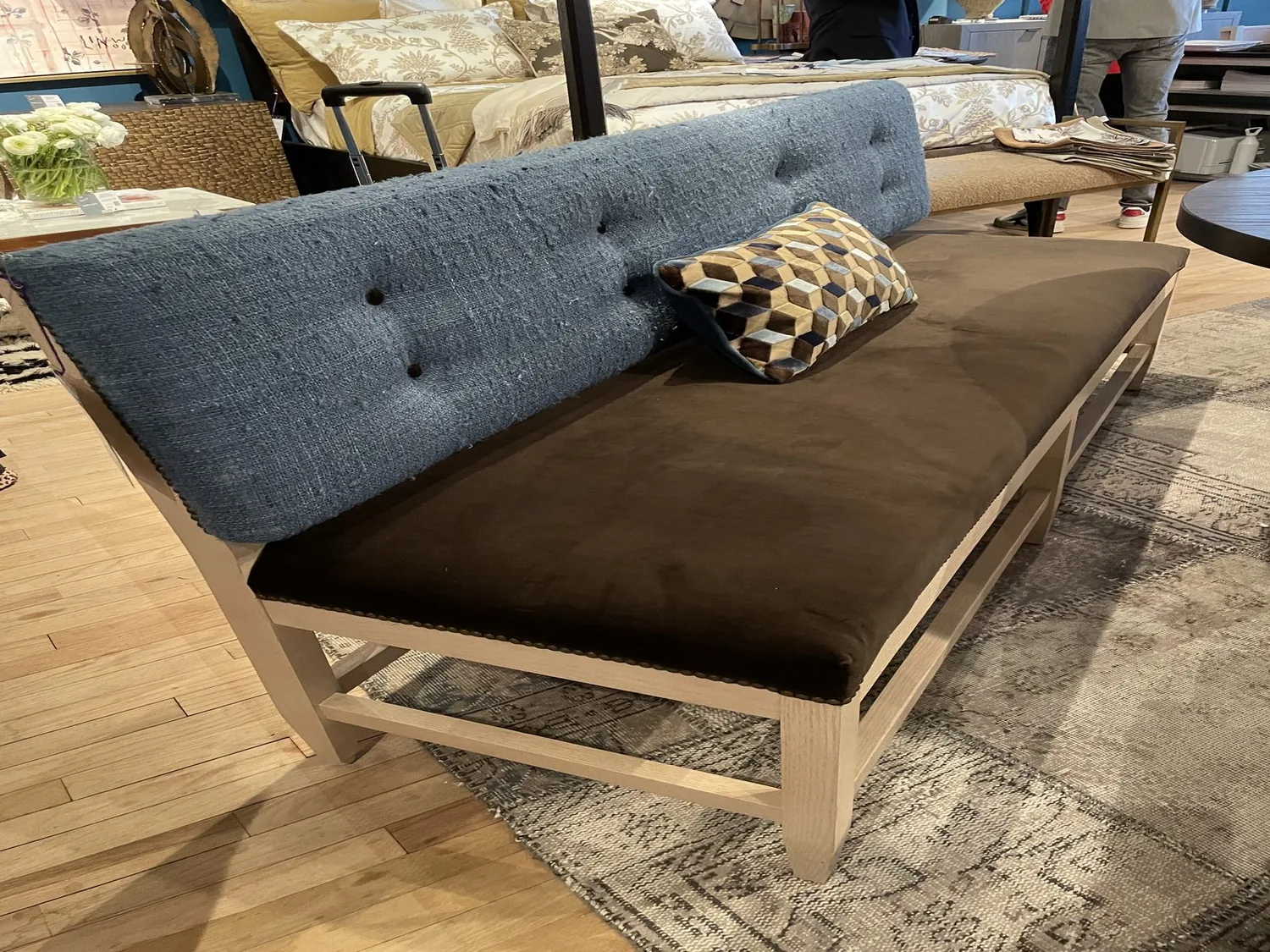
Transforming your Folsom home to eliminate the generic, builder-grade aesthetic and create a personalized, upscale interior is entirely achievable with focused design moves and strategic upgrades. The goal is to move beyond basic materials and finishes to craft a space that reflects your taste and elevates the home's character. By understanding the common builder-grade elements and how to upgrade them effectively, you can achieve a refined look without overextending your budget.
Built from our active project files, this guide covers key strategies for moving away from builder-grade finishes, selecting authentic materials, and making thoughtful design choices tailored to Folsom’s architectural context. We’ll also explore regional insights, local resources, and real-world examples to help you prioritize impactful upgrades while avoiding costly mistakes. Whether you’re updating a 1960s home or refining a newer build, these insights will help you craft an interior that feels unique and luxurious.
Direct Answers (Folsom Removing The Builder Grade Feel)
| How can I remove the builder-grade feel from my Folsom home? | Focus on selecting authentic, high-quality materials like natural finishes and upgrading fixtures to create a more personalized and upscale look. |
| What specific upgrades can help elevate builder-grade finishes in Folsom homes? | Upgrading hardware, adding custom backsplashes, choosing richer paint palettes, and using genuine materials like marble or white oak can significantly improve the space. |
| Are there regional materials or styles that work best for Folsom homes? | Yes, natural materials like durable woods and stone finishes that withstand local weather, along with regional craftsmanship, help create a timeless, regionally appropriate aesthetic. |
| When should I consider replacing builder-grade fixtures for a more refined look? | When you want to add sophistication and personality, replacing generic hardware, lighting, and cabinetry with custom or artisan options is recommended. |
Folsom Removing The Builder Grade Feel 2026 at a Glance
| Element | In | Out |
|---|---|---|
| Materials | Focus on authentic materials and finishes | Overuse of cheap materials |
| Cabinetry & Fixtures | Upgrade builder-grade cabinetry and fixtures | Lack of personalized details |
| Details & Textures | Incorporate custom details and textures | Inconsistent finishes |
| Color Palette | Use warm, restrained color palettes | Bright, sterile palettes |
| Lighting | Prioritize lighting and hardware upgrades | Minimal lighting layers |
| Design Trends | Balance modern trends with timeless appeal | Trendy but fleeting styles |
| DIY Options | Implement DIY-friendly upgrades for budget | Expensive custom millwork only |
| Local Resources | Choose local artisans and suppliers | Ignoring local resources |
| Layering & Depth | Refine spaces with layered textures | Flat, one-dimensional spaces |
Prioritize Authentic Materials for a Luxurious Feel
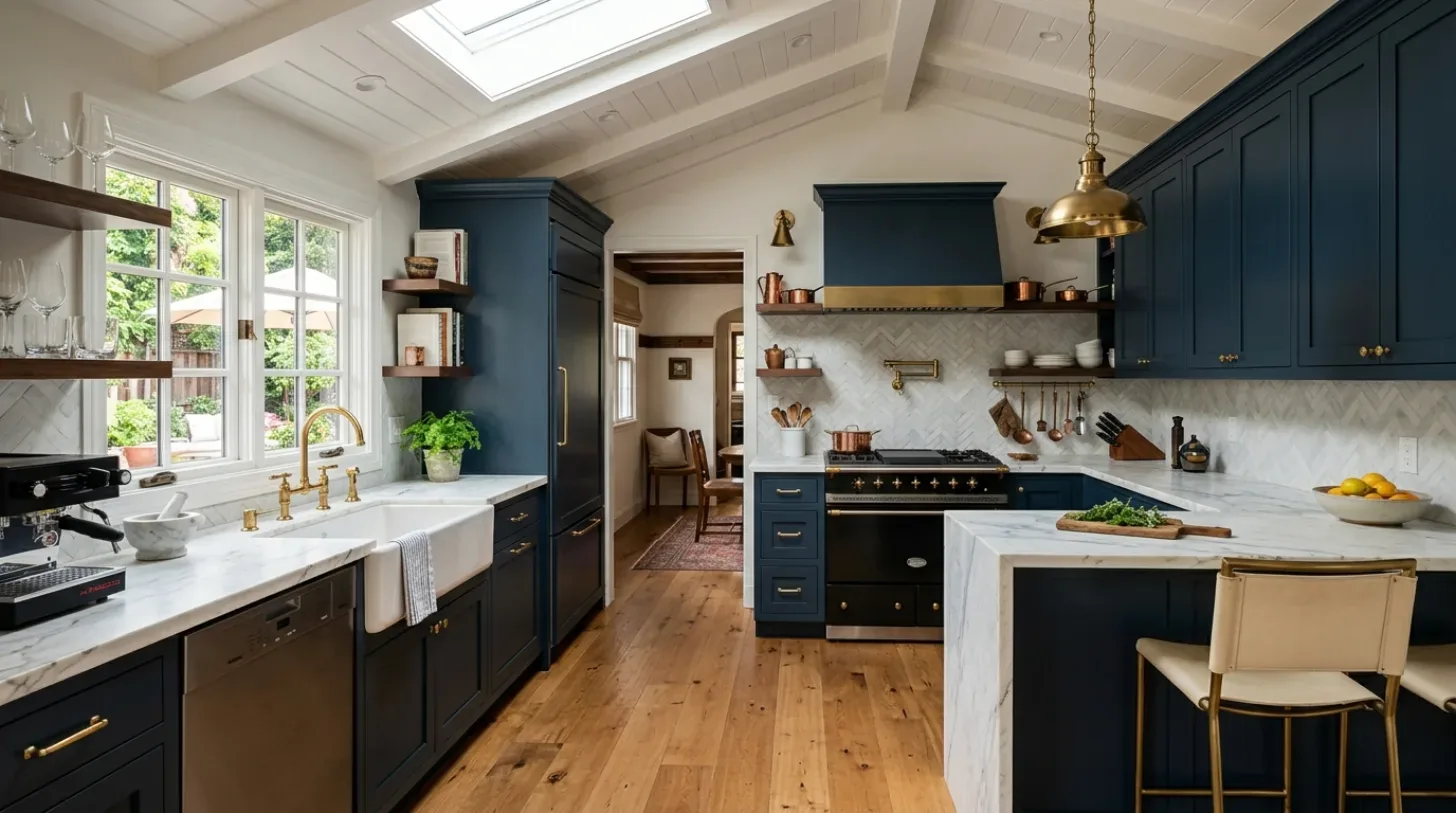
One of the most impactful design moves to remove the builder-grade feel from your Folsom home is selecting authentic, high-quality materials. Across our active project specifications, we emphasize the importance of natural finishes such as white oak flooring (rift-sawn) for its calmer grain and durability, or marble countertops that add timeless elegance. Instead of opting for laminate or mass-produced options, choosing genuine materials elevates the overall perception of quality and craftsmanship.
Upgrading hardware and fixtures with handcrafted or artisan pieces also contributes to a more personalized look. For example, matte black or brushed brass finishes on cabinet hardware or lighting fixtures create a sophisticated contrast that feels intentional. These small but strategic material choices help break the monotony of builder-grade finishes and set a tone of curated luxury. The American Society of Interior Designers emphasizes that authentic textures and finishes foster a sense of depth and character that cannot be replicated with cheap imitations.
Material Specificity for a Refined Interior
Authenticity-grade materials
- White oak (rift-sawn), for floors and slat detail; calmer grain than plain-sawn
- Marble, for countertops and accent surfaces; natural veining adds luxury
- Brushed brass hardware, for cabinet pulls and fixtures; warm, tactile finish
- Handmade tiles, for backsplashes and accents; adds texture and personality
- Natural wool or linen textiles, for upholstery and window treatments; soft, authentic feel
- Reclaimed wood, for accent walls or shelving; introduces history and warmth
- Silestone or Caesarstone quartz, for durable, high-end countertops with subtle movement
- Porcelain tiles, for flooring and wet areas; realistic stone looks
Generic-grade tells we refuse to spec
- Laminate countertops, cheap, low-resistance material
- Mass-produced MDF cabinets, lacks character and durability
- Vinyl flooring, synthetic and lacks authenticity
- Chrome fixtures, common and uninspired
- Standard painted drywall, flat and untextured
- Mass-market textiles, synthetic and impersonal
Why Folsom Homes Benefit from Authentic Upgrades
In Folsom, the mix of historic homes and newer constructions creates a unique landscape that responds well to authentic, well-chosen materials. The region’s natural light, landscape views, and architectural stock favor layered textures and genuine finishes that add depth and character. Incorporating natural materials like Sacramento-area resources can help local homeowners access high-quality, regionally appropriate options.
Folsom’s climate and landscape also influence material choices. For example, durable woods and stone finishes withstand the local weather and age gracefully. The regional aesthetic leans toward timeless, understated elegance, which is why authentic finishes and thoughtful details resonate strongly here. Aligning your renovation with these regional characteristics can make the space feel more connected to its environment while elevating its design.
Ultimately, Folsom homeowners who prioritize authentic materials and local craftsmanship often see their spaces feel more personal and upscale. The key is balancing modern trends with regional character while sourcing from trusted local vendors to ensure longevity and authenticity.
How can I upgrade builder-grade fixtures and finishes for a more personalized look?
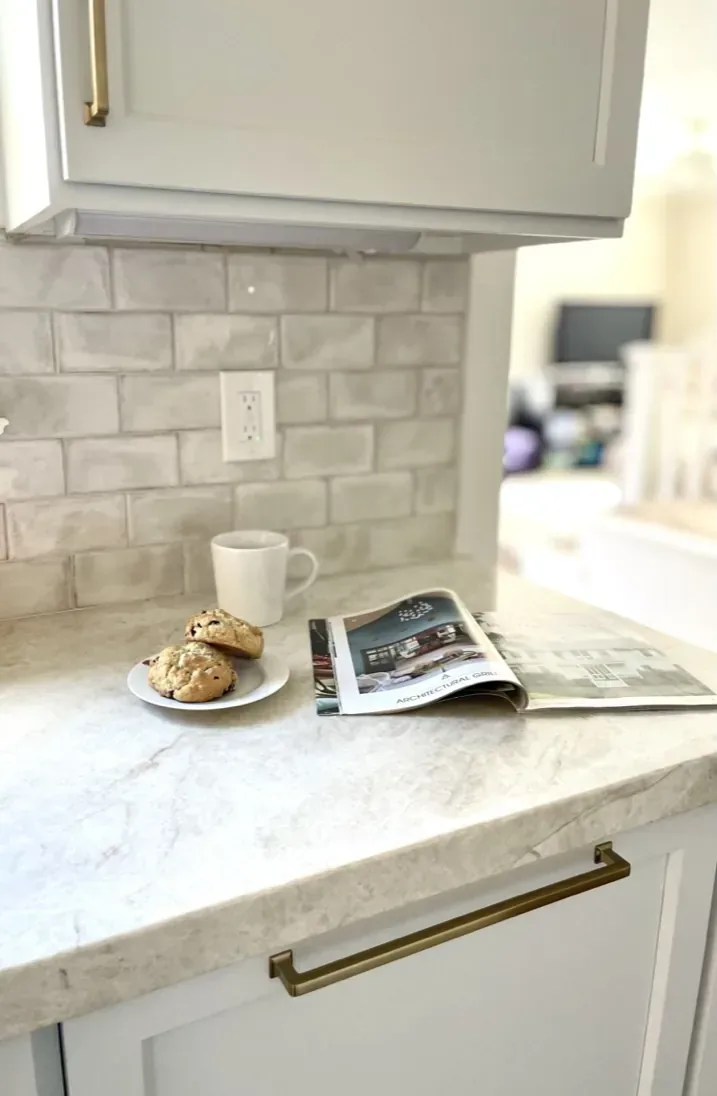
The first question many Folsom homeowners ask is how to elevate standard fixtures and finishes into something more refined and personal. The key is to replace generic hardware, lighting, and cabinetry with custom or artisan options. For example, swapping out mass-market knobs for handcrafted brass or matte black pulls instantly adds sophistication. Similarly, selecting pendant lighting with unique shapes or textures can create focal points that reflect your style.
Another effective move is updating the cabinetry with high-quality, real wood veneers or custom millwork. Instead of stock boxes, consider locally fabricated wood cabinets with detailed profiles and warm finishes. These upgrades do not necessarily require full tear-outs but can dramatically change the feel of a space. Prioritizing these small but impactful details creates a layered, curated look that feels inherently personal and upscale.
In Folsom, working with local artisans or suppliers ensures authenticity and quality. The American Institute of Architects emphasizes that well-chosen fixtures and hardware can serve as signature elements, making a space feel intentionally designed rather than generic.
What sizing and specifications should I consider for high-impact kitchen upgrades?
Understanding the right dimensions and specifications for kitchen upgrades is essential to avoid a builder-grade look. For example, a standard range hood should be at least 30 inches wide for a 36-inch cooktop, with a depth of 18-24 inches and a CFM rating that matches your ventilation needs. Counter height typically remains at 36 inches, but custom islands can be scaled up for a more luxurious feel, such as a 48-inch wide prep area with ample overhangs.
When selecting a range or oven, consider built-in options with high-quality finishes that complement your cabinetry. For cabinets, standard widths are 12, 15, 18, and 24 inches, but custom sizes allow for more refined proportions and better integration with appliances. Choosing locally made, high-end appliances with sleek profiles and minimal hardware can elevate the entire space.
Consulting with a designer familiar with Folsom’s architectural context ensures your specifications align with regional aesthetic preferences and functional needs. The NKBA offers detailed guidance on these sizing standards to help you make informed choices.
Should I opt for custom millwork or stock solutions when upgrading my kitchen or bathrooms?
This is a common dilemma for homeowners aiming to avoid a builder-grade feel. The first question we ask is about your budget and timeline. Custom millwork offers unparalleled personalization in cabinetry, moldings, and built-ins, allowing you to select authentic woods, intricate profiles, and finishes that match your style. However, custom options are generally more expensive and take longer, sometimes several weeks to months.
Stock solutions, like ready-to-assemble cabinets from local suppliers or big-box stores, can be upgraded with better hardware and paint to improve appearance. They are faster and less costly but may lack the nuanced detailing and authenticity of custom pieces. For Folsom homeowners seeking a truly personalized, upscale interior, investing in local custom millwork often yields the most satisfying results, particularly when sourcing from regional artisans who understand the regional aesthetic.
The American Society of Interior Designers emphasizes that combining custom pieces with high-quality stock elements can strike a balance between cost and personal touch, especially when carefully coordinated.
What are the common mistakes that make a home look cheap or dated when trying to upgrade?
In our experience, the biggest waste is overusing trendy finishes that quickly date a space, such as overly shiny hardware or neon paint colors. The biggest regret is neglecting authentic materials and relying solely on paint or superficial upgrades. Hidden costs often come from underestimating labor or sourcing quality materials locally, which can lead to disappointing results or quick wear.
Another common mistake is mismatched finishes or inconsistent hardware styles, which undermine a curated, upscale look. To avoid this, plan your material palette carefully and source from trusted vendors. Investing in quality hardware, natural stone, and real wood finishes ensures longevity and a truly personalized interior that feels both high-end and rooted in regional character.
What's Going Out for 2026
- Using cheap laminate or vinyl for surfaces
- Overdoing trendy finishes that quickly feel outdated
- Ignoring authentic materials in favor of mass-market options
- Choosing mismatched hardware and fixtures
- Relying solely on paint without textured finishes
- Skipping local sourcing for high-quality materials
- Overly bright or sterile color palettes
- Neglecting layered lighting and textured details
- Attempting a quick fix instead of a cohesive design plan
- Using generic builder-grade cabinetry without upgrades
What Folsom Removing The Builder Grade Feel Costs in 2026
| Scope | Sacramento | Bay Area / Marin |
|---|---|---|
| Refresh scope with hardware and paint upgrades | $10K-$20K | $15K-$30K |
| Mid-tier upgrades including custom cabinetry and countertops | $30K-$60K | $50K-$100K |
| Estate-scale renovation with full custom millwork and high-end finishes | $100K-$250K | $150K-$400K |
Local permits & planning
Working Notes
What We Have Learned Doing This: Folsom: Removing the Builder-Grade Feel, A Designer's Guide
“Good rooms are built twice. Once on paper, once in the field.”
The cheapest tool on any project is a sample board and an afternoon. We have watched five-figure mistakes get caught by a fifteen-dollar paint sample lived with for a week in the actual light of the actual room. Decisions made under showroom lighting do not survive contact with a real house.
Old houses lie, and so do new ones. Even a ten-year-old house lies the moment you assume the framing sits where the plans say. We stopped trusting old drawings, prior contractor work, and the phrase it should be fine a long time ago. The budget needs a real line for what demolition will uncover, usually 15 to 20 percent once walls start opening.
Order the long-lead items before anything else and design the sequence so the rest of the job can proceed without them. The appliance, the stone, the custom millwork set the schedule, and pretending otherwise is how a project loses a month it never gets back.
These notes come from our own folsom: removing the builder-grade feel, a designer's guide project debriefs. Most were learned the expensive way the first time.
Sources & Professional References
This guide's positions on materials are grounded in published building-code, standards, and recognized design-authority sources, alongside Designed | Curated Interiors' verified credentials and active project files:
- American Society of Interior Designers (ASID): interior-design practice standards
- International Code Council (ICC): Chapter 8 Interior Finish Decorative Materials And Furnishings
- Community Development (Building), Folsom (Sacramento County) building permit portal
- NKBA, Amy Kunst Member Profile (verified credential, NKBA Committee Member)
- Featured in: Homes & Gardens (design expert quote, May 2026) · Sacramento Love (guest author, 2024)
Frequently Asked
How can I remove the builder-grade feel from my Folsom home?
What specific upgrades can help elevate builder-grade finishes in Folsom homes?
Are there regional materials or styles that work best for Folsom homes?
When should I consider replacing builder-grade fixtures for a more refined look?
What are common mistakes to avoid when upgrading from builder-grade finishes?
How much can upgrading fixtures and finishes impact my remodeling budget in Folsom?
From Folsom Removing The Builder Grade Feel to a Real Room
A trend piece is the briefing document, not the deliverable. The pages below show how we translate these principles into finished rooms across Folsom and the rest of Northern California.
- Sacramento & Bay Area Interior Design Services How we scope, source, and deliver work end to end.
- Interior Designer Hub, Folsom Where most of our Folsom work lives, the regional fit explained.
- Folsom Builder Grade Upgrade What Lasts What Resells Related cluster piece referenced from the Folsom Builder Grade Upgrade What Lasts What Resells build files.
- Mill Valley Builder Grade Upgrade What Lasts What Resells Related cluster piece referenced from the Mill Valley Builder Grade Upgrade What Lasts What Resells build files.
- Rocklin Builder Grade Upgrade What Lasts What Resells Related cluster piece referenced from the Rocklin Builder Grade Upgrade What Lasts What Resells build files.