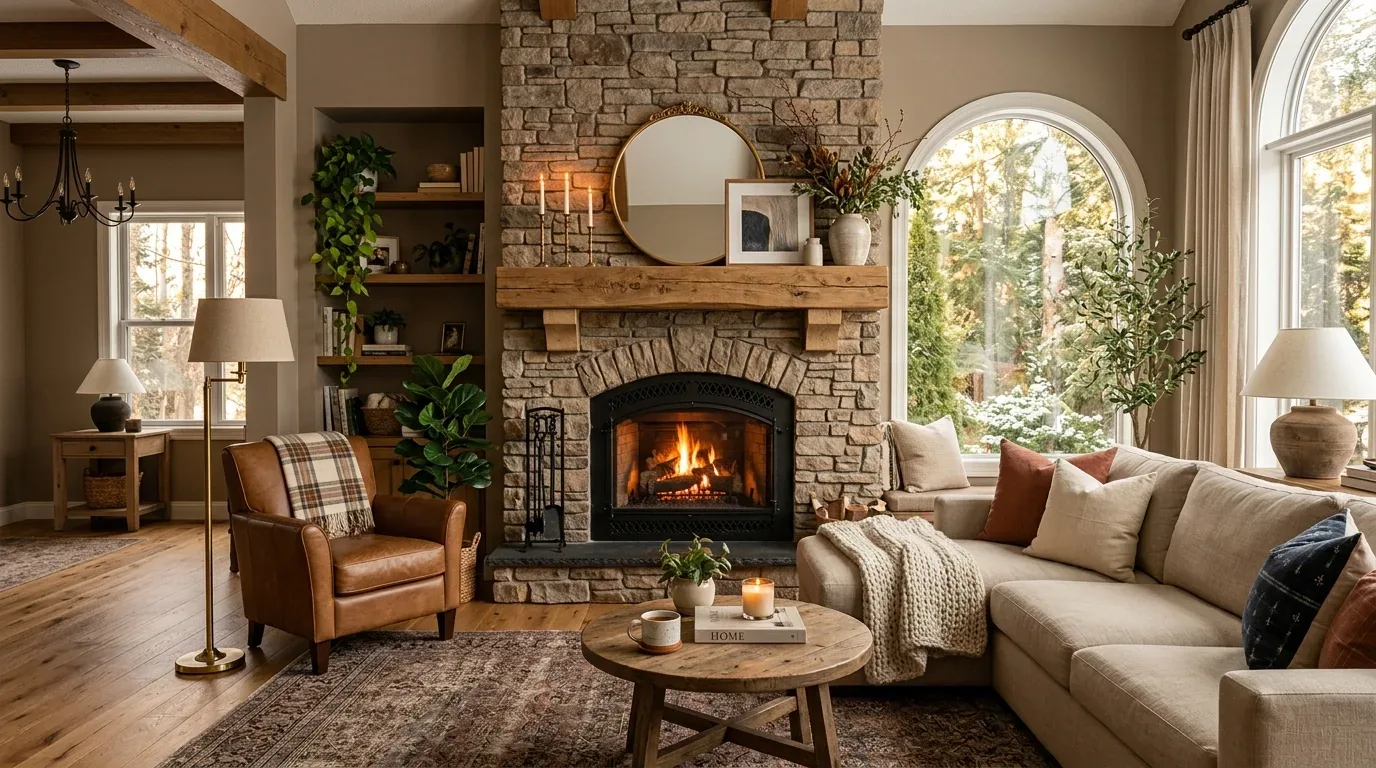
Pick the stone carefully. It changes your space, anchors the room. Look at how durable the stone is and if it matches your style. Think about maintenance too. By 2026, good fireplace stones show off their natural charm while staying tough. They keep rooms warm and look good for years.
Here’s a guide based on what we’re working on now: stone choices, their toughness, cost, how textures and colors play with a room's feel. Take a look at some Sacramento-area fireplaces. Local styles shape which materials we pick. Going for modern sleekness or rustic vibes? Trends like these shape fireplaces that match your home’s style and everyday life.
Direct Answers (Fireplace Stone Ideas)
| What are some popular fireplace stone ideas for Sacramento homes? | Pick specifics. 'Granite with speckles' or 'polished quartzite.' It helps you choose. |
| How do I choose the right fireplace stone to match my interior style? | Think about your space. Dark granite gives a sleek vibe. Light limestone? More traditional. |
| Are there regional preferences for fireplace stones in Sacramento? | Sacramento homes lean on earthy colors. Matches the local vibe. |
| What factors should I consider regarding durability and maintenance of fireplace stones? | Granite and quartzite handle heat well and last long. Marble? It scratches, takes more care. |
Balancing Aesthetics and Practicality
When selecting stones for your fireplace, you're not just choosing based on looks but also considering maintenance needs. Pick stones that handle heat and chill shifts well, especially in Sacramento.
How much will you clean? Reapply granite sealant every few years. Handles heat and moisture well. Limestone is different. Porous stones need yearly sealing if used heavily.
- Granite installation could hit $1,800 or go up to $4,200. Helps with budgeting.
- Seal limestone often to avoid stains from smoke and more.
- Slate has a rough charm. Extra care needed for porous surfaces.
- Quartzite's toughness suits fireplaces nicely.
- Metallics dazzle but need frequent polishing.
From Amy Kunst's NorCal projects. In Granite Bay (95746), granite is popular. You’re looking at $1,800 to $4,200 installed. This choice aligns with NKBA recommendations for durability and aesthetic appeal in Northern California homes.
Focus on looks and function. Get the right stone for your fireplace. Think about care needs and your daily routine before choosing.
The First Major Design Move: Selecting the Right Stone Type
In our Sacramento projects across active specifications, the choice of stone for a fireplace often begins with balancing durability and aesthetic appeal. Granite and quartzite are top picks. They resist heat well and last a long time. Granite and quartzite can handle a fireplace’s heat without damage. They’re great for regular use. Marble's classy but prone to marks. Better for showy spots or where it’s not used much.
Look at how stone texture and color change a room’s vibe. Dark granite fits modern spaces. Light limestone softens the old-school look. Artistic Tile and Cosentino make selection easier with uniform color and finish options. We focus on good sources and checking stone lots before we shape them. Fireplace looks distinct, lasts long.
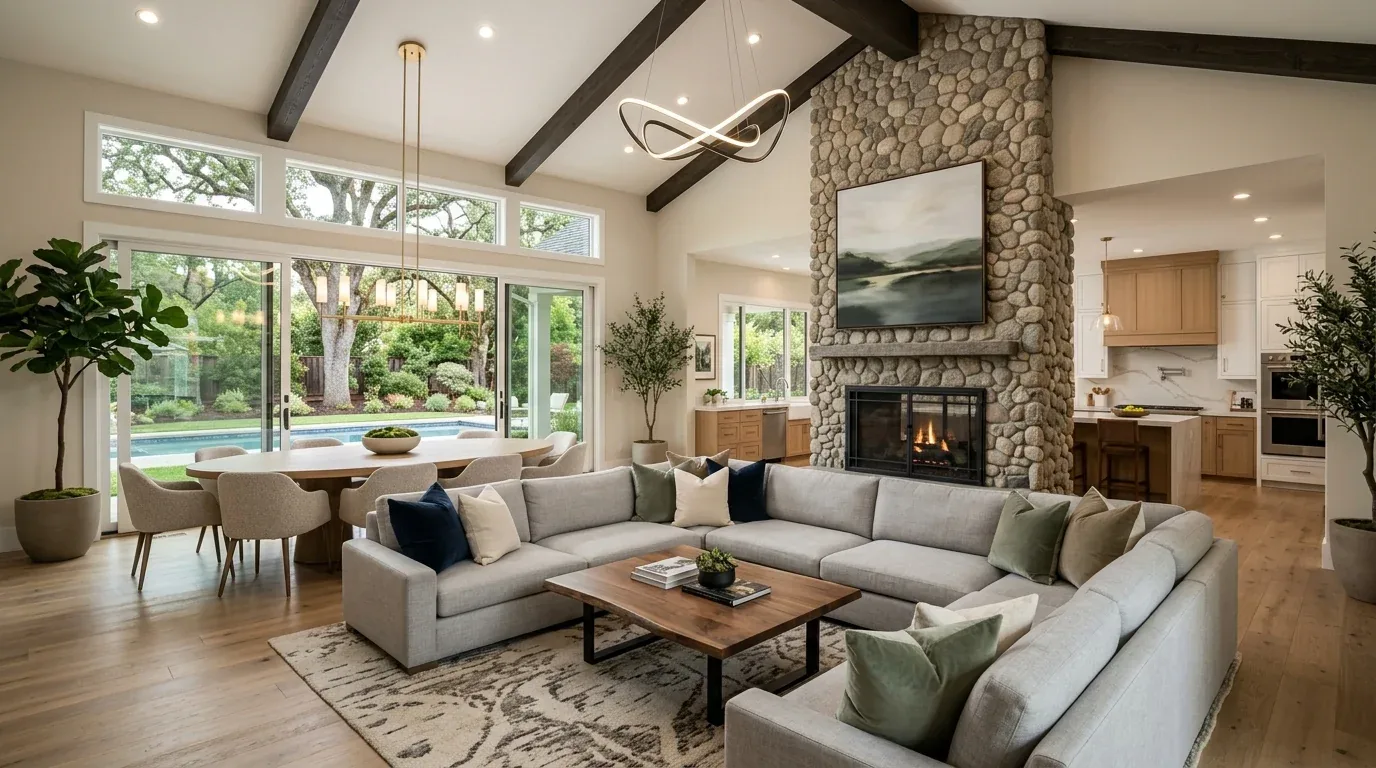
Material Specificity: Authentic and Generic Options
Authenticity-grade materials
- Quartz (engineered), consistent slabs, no sealing needed, ideal for low-maintenance areas.
- Granite (natural), durable and heat-resistant, requires periodic sealing, suitable for high-use fireplaces.
- Quartzite (natural), tougher than marble, with unique veining, good for a sophisticated look.
- Marble (natural), elegant but prone to etching, best for decorative surrounds or less frequent use.
- Limestone (natural), soft and warm, develops a patina over time, suited for traditional interiors.
- Slate (natural), textured, dark shades, adds rustic charm and resilience.
- Soapstone (natural), heat-retentive, soft appearance, ages beautifully.
- Travertine (natural), textured surface with warm tones, needs sealing and care.
Generic-grade tells we refuse to spec
- Thin veneer stone, less durable, prone to chipping.
- Laminate or synthetic stone, lacks heat resistance and longevity.
- Watch out for low-grade engineered stone. Its quality's hit or miss, and it might discolor.
- Plastic finishes look cheap. They also don't handle heat well.
- Thin ceramic tiles crack with high heat, so don't count on them lasting.
- Paint over stone? It can peel or stain and lacks texture.
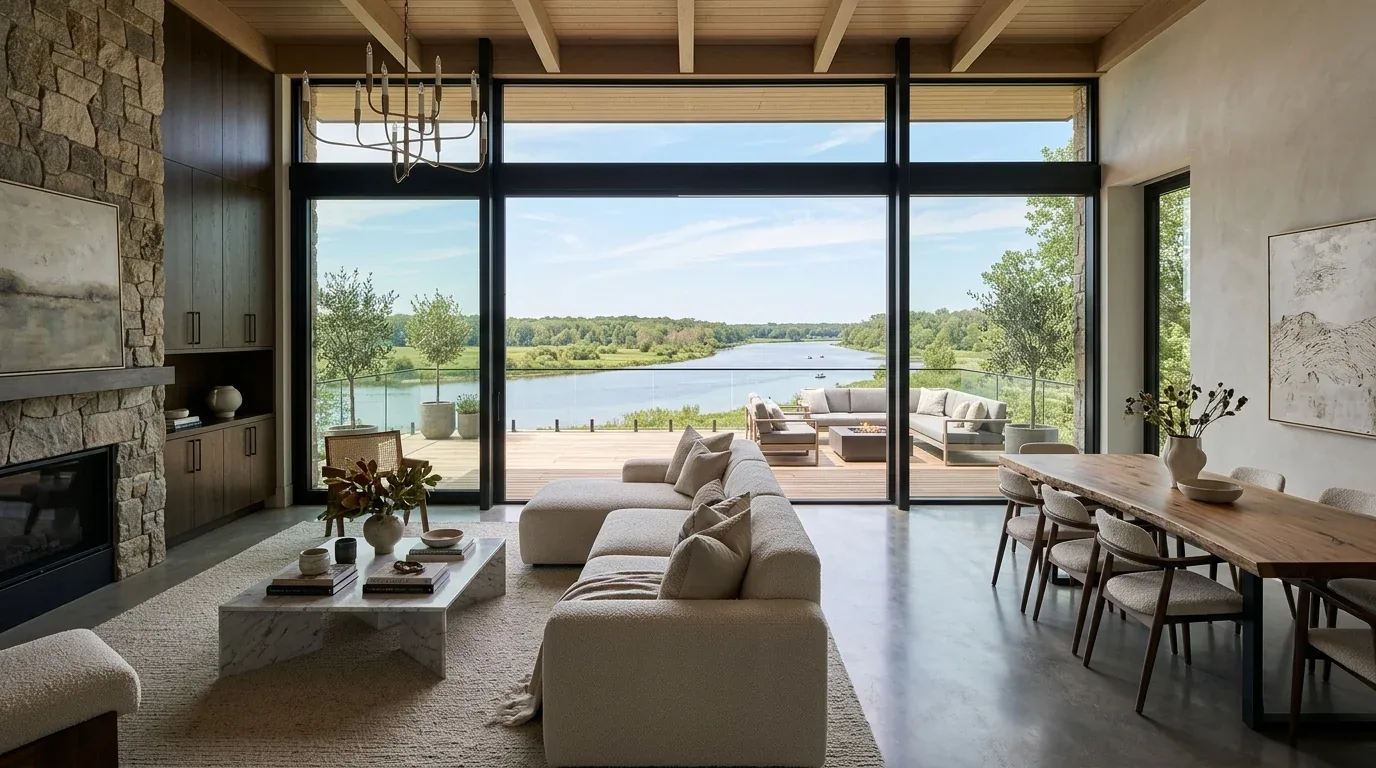
How to Choose the Right Fireplace Stone for Your Budget and Style
Deciding on the right stone involves balancing your aesthetic preferences with practical considerations like budget, durability, and maintenance. So, you're going for high-end? Granite isn't cheap, but it's durable. Same with quartzite. Engineered quartz keeps costs down, uniform look. Plus, upkeep's minimal. First thing, ask yourself: classic, rustic, or modern? This decides texture and color.
Fireplace surrounds usually 36-48 inches wide. Often 42 to 48 inches tall. 3cm slabs, more durable, blend with upscale. Thinner 2cm ones? Lighter, need more support. Got ceiling heights over 9 feet? Go vertical with the stone for drama. We love mockups, trying stones and textures in context helps us match style and function.
$2,500 to $5,000 covers mid-range granite, fabrication included. Engineered quartz? Plan on $2,000-$4,000 for those stone slabs. Expect higher costs for textured or beveled surfaces. They can really change the look. Check your slab lot for color consistency to dodge surprises.
Should You Opt for Custom or Stock Fireplace Stone Solutions?
Choosing custom or stock stone? Think about looks, timing, and budget. Pre-fab panels or standard slabs from places like California Tile & Stone? They're faster and cost less. For a straightforward project, it's a solid choice. But you might find fewer colors and textures, making your fireplace less unique.
Choose stone slabs directly from quarries for a custom fit. Sizes are exact, patterns one-of-a-kind. Finishes match your space perfectly. Expect a wait, 4 to 8 weeks. Prices can be 20-40% higher. For Sacramento jobs, I use stock panels for the main areas. Custom pieces go on hearths or as accents. This keeps costs down but allows for design flexibility.
Choose based on style and when you need it done. Work with a local fabricator. They know which stones work best in our climate.
Will This Fireplace Stone Look Timeless or Trendy?
We ask clients one thing first. Do you want durability or a bold look right now? Stick with granite or limestone, they’re staying popular till 2026. These materials fit into many styles. These stones won't date fast. They're smart for long-term value.
Dark stones with texture or mixed finishes? They're trendy, for those wanting flair. Layered slate or natural patterns? They make a room pop but might age quicker. Use a base stone in a neutral color. Add texture or veining, it lets you change decor later. Choosing colors like Sacramento's earthy tones roots the design in local style. It holds up over time.
Choose stone that fits both your taste and how you live. A good natural stone choice? Adding a fireplace can boost your home's value and give it some character.
Common Mistakes We See When Choosing Fireplace Stone
Biggest Waste: Over-specifying exotic or highly polished stones that require frequent maintenance and are not suited for daily use, leading to ongoing costs and disappointment.
Biggest Regret: Selecting a light-colored marble for a high-traffic, functional fireplace without considering etching or staining, resulting in a dated appearance and costly repairs.
Hidden Cost: Underestimating the need for structural reinforcement when installing heavy natural stone, which can add thousands to the project budget if overlooked early in planning.
Don't rush material choice or overlook local weather, problems will follow. Experienced designers and fabricators? They'll keep your fireplace looking good and lasting long.
What's Going Out for 2026
- Overly glossy or polished stones that show fingerprints and scratches easily
- Thin veneer stones prone to cracking or chipping
- Brightly colored or unnatural stone finishes
- Exotic stones that require extensive sealing and maintenance
- Untextured, flat stones that lack visual interest
- Materials that are not rated for high heat exposure
- Low-quality engineered stones with inconsistent coloring
- Overly uniform textures that lack depth
What Fireplace Stone Ideas Costs in 2026
| Scope | Typical range |
|---|---|
| Basic natural stone veneer or prefabricated panels | $2,500-$5,000 |
| Mid-range natural stone with custom fabrication | $5,000-$10,000 |
| High-end custom natural stone or engineered slab | $10,000-$20,000 |
Working Notes
What We Have Learned Doing This: Fireplace stone ideas: A Designer's Guide
“The slab yard lighting lies. We drive to the yard the morning of fabrication on every project.”
Approve the seam placement before fabrication, not after. A seam poorly placed costs a lot. A simple sketch could've avoided that.
Order long-lead items upfront, then plan everything else around them. Appliance, stone, and custom millwork dictate timing. Ignoring this can steal a month you can't recover.
Trust gets built in the dull talks. You find yourself confirming a wall's structure, noting a number change, or admitting that the schedule's off. Clients forgive reality. Find surprises here? No forgiveness.
Over time, it's not bad taste you dread. Delays, misplaced framing, or moisture issues keep you up at night, not the wrong paint color. Style matters, sure. It's why you're hired. But if the plan doesn’t turn into the room you drew, it won’t matter.
These notes come from our own fireplace stone ideas: a designer's guide project debriefs. Most were learned the expensive way the first time.
Sources & Professional References
This guide's positions on materials are grounded in published building-code, standards, and recognized design-authority sources, alongside Designed | Curated Interiors' verified credentials and active project files:
- American Society of Interior Designers (ASID): interior-design practice standards
- International Code Council (ICC): Chapter 8 Interior Finish Decorative Materials And Furnishings
- NKBA, Amy Kunst Member Profile (verified credential, NKBA Committee Member)
- Featured in: Homes & Gardens (design expert quote, May 2026) · Sacramento Love (guest author, 2024)
Frequently Asked
What are some popular fireplace stone ideas for Sacramento homes?
How do I choose the right fireplace stone to match my interior style?
Are there regional preferences for fireplace stones in Sacramento?
What factors should I consider regarding durability and maintenance of fireplace stones?
When planning my fireplace stone installation, what should I verify beforehand?
What permits or codes should I be aware of for installing fireplace stones in Sacramento?
From Fireplace Stone Ideas to a Real Room
A trend piece is the briefing document, not the deliverable. The pages below show how we translate these principles into finished rooms across Sacramento and the rest of Northern California.
- Sacramento & Bay Area Interior Design Services How we scope, source, and deliver work end to end.
- Interior Designer Hub, Sacramento Where most of our Sacramento work lives, the regional fit explained.
- Modern Tudor Homes: Authentic, Revival, and Neo-Tudor (A Designer Reference) Heritage-architecture renovation patterns from our project files.
- Japandi Living Room: A Designer's Guide to the 2026 Look The 2026 warm-neutral playbook applied to the living room.