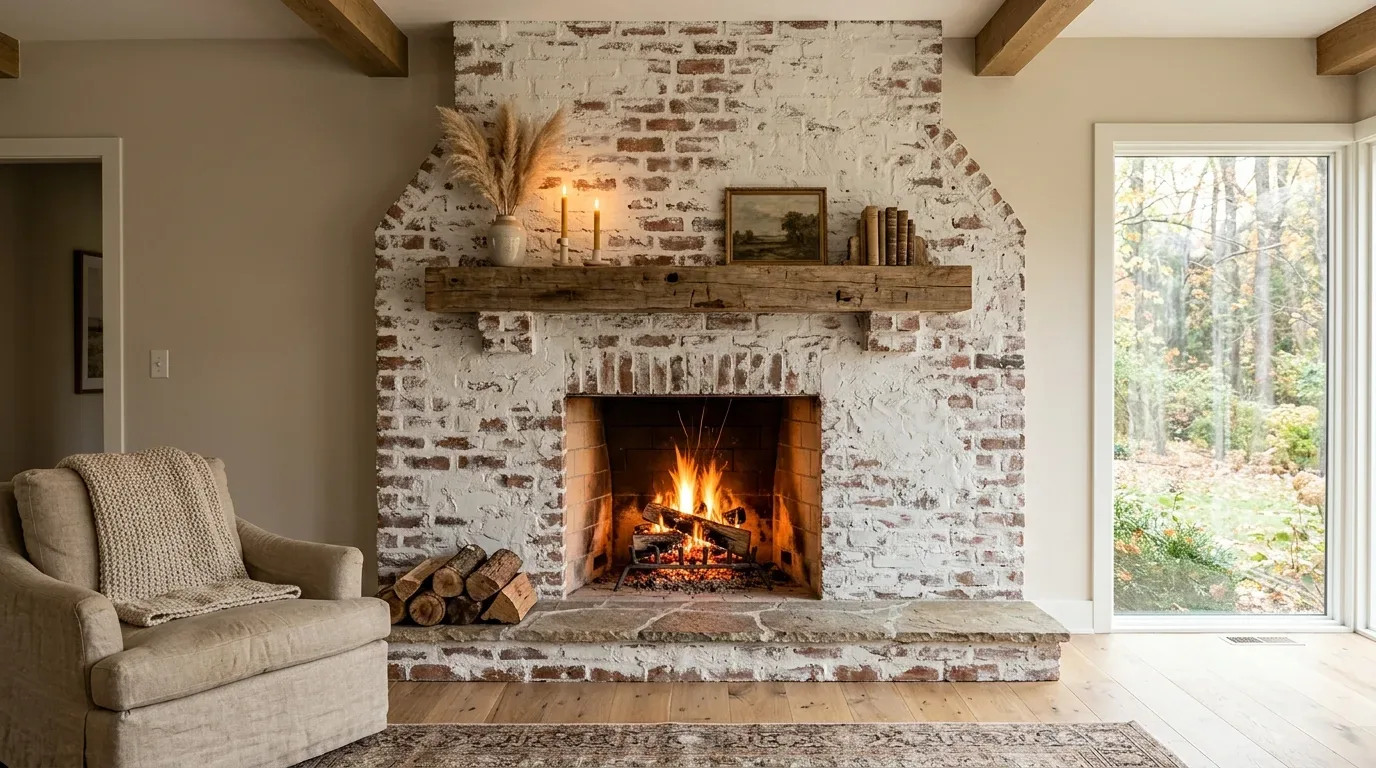
Built from our active project files, this guide explores various styles, materials, sizing tips, and current trends to help you select a fireplace screen that fits your home’s aesthetic and your safety needs. Make a screen your room's star safely. A sleek brass finish is perfect to reflect fireplace warmth. Trends in Sacramento design change constantly. Knowing regional styles helps you make choices that connect with both form and function.
Direct Answers (Fireplace Screen)
| What is a fireplace screen? | A fireplace screen keeps sparks at bay and looks sharp in the room. |
| Why are fireplace screens important for safety? | Flying embers stay contained. Protects floors. |
| How do I choose the right size for a fireplace screen? | Measure your fireplace. Go for a 38-40 inch screen if your hearth is 36 inches. |
| What materials are commonly used for fireplace screens in Sacramento? | Steel, wrought iron, or tempered glass hold up against heat and need minimal upkeep. |
Embracing the Fusion of Style and Safety in Fireplace Screens
I've seen a rise in using fireplace screens as design features and safety barriers in Sacramento projects. Minimalist frames in matte black or brushed nickel are very popular. They fit right into modern interiors today. Many prefer tempered glass panels for their clear view and spark protection. Traditional homes in the area use wrought iron screens with scrollwork for a vintage look. Match your screen to your home's style. Modern spaces look great with sleek, simple screens, while classic homes might lean towards ornate brass or iron. We usually go with steel and tempered glass for heat durability and low maintenance. Pick finishes that don't rust or show prints.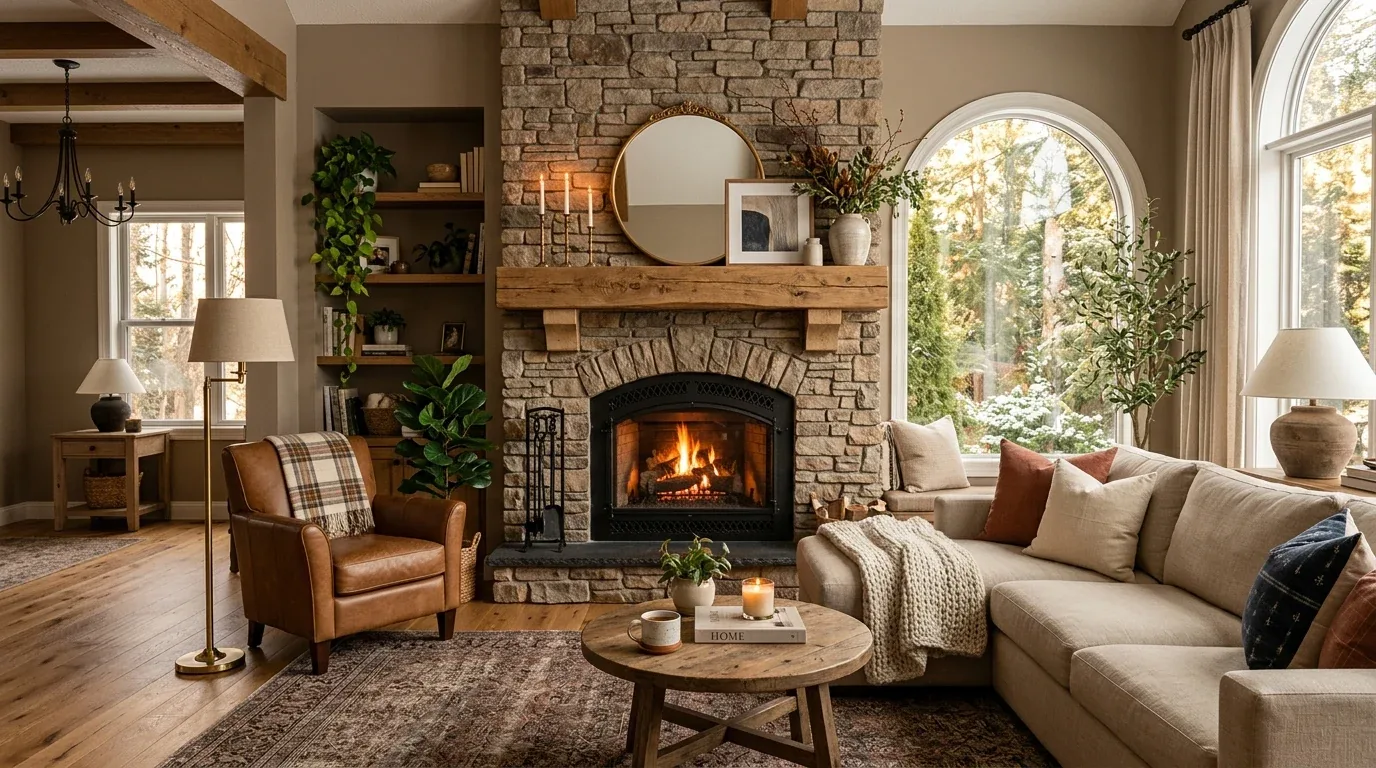
Material Specificity for Lasting Beauty and Safety
Authenticity-grade materials
- Steel (powder-coated or brushed finish), highly durable, resistant to rust, and available in a variety of finishes to match modern or traditional interiors
- Tempered glass, provides a clear view of the fire while offering high heat resistance and safety
- Wrought iron, classic, decorative, and customizable, ideal for vintage or rustic themes
- Bronze or brass, adds warm metallic accents, suitable for transitional or eclectic spaces
- Steel mesh, lightweight yet sturdy, good for minimalist designs and easy cleaning
- Ceramic or heat-resistant tiles, used as decorative panels to add texture and color
- Aluminum (anodized or painted), lightweight, rust-resistant, often used in portable or adjustable screens
- Reclaimed wood (for decorative frames or accents), eco-friendly option adding warmth and texture
Generic-grade tells we refuse to spec
- Plastic, often cheap and prone to heat damage
- Uncoated iron, rusts easily and requires frequent maintenance
- Fragile glass, not tempered, easy to break and unsafe
- Thin metal, easily warped or bent under heat
- Low-quality materials from big box stores, often lack durability and safety standards
- Painted MDF or particleboard, not heat resistant and prone to warping
- Non-heat-resistant plastics, melt or degrade with high temperatures
- Cheap decorative elements that are not heat-rated, pose safety risks
How to choose the right size and style for your fireplace screen
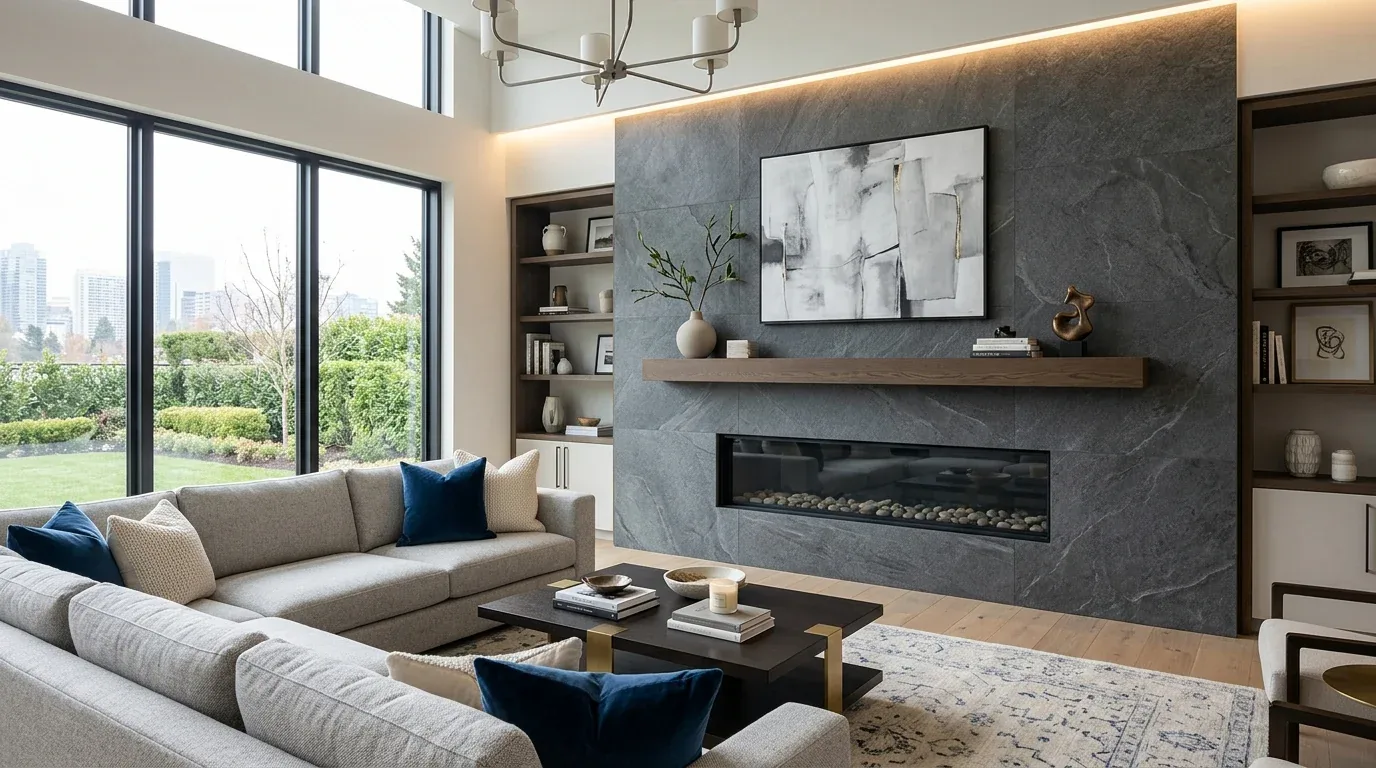
The first question we ask is whether your fireplace opening is standard or custom. For a 36-inch fireplace, select a 38 to 40-inch screen. A 48-inch fireplace should get a 50-52 inch screen for safety. Go with at least 24 inches in height for safety. Bigger if you want it bold. Style can shape your room's feel. For modern spaces, stick with sleek metal. Traditional interiors love detailed iron. Match the screen's finish with what's already there. Matte black suits modern. Warm bronze, antique iron fit vintage looks.
Measure it right. Use a story pole, then verify with a tape measure for precision. Too small, sparks escape. Too big, it looks off and blocks the view. Choose a style that fits the room's energy and main focus. Large glass panels grab attention. Minimalist meshes are subtle, they won't steal focus.
Custom versus stock fireplace screens: what’s worth the investment?
Go custom or stock? Check your budget. Stock screens from places like Wayfair or a local shop are quick to get, just one or two weeks. Budget between $200 and $800, with cost varying by size and material. Choices sometimes feel scarce and might not match the room. Custom screens might set you back $1,200 to $4,000. Expect a wait of 4 to 8 weeks. Custom fit the screen to your home. Look at antique brass or polished nickel. Sacramento Craftsman vibe? Matte black's fantastic. For example, a homeowner in Sacramento wanted a screen with a custom patina and intricate ironwork, matching their historic ranch style. This required extra steps but made a standout piece. Found custom builds worthwhile? They set your aesthetic apart and get specific fits. Your room's style and safety need to match. Check they use heat-rated, safe materials. Finishes should resist rust and fingerprints for longer life.
Will this fireplace screen stay stylish over time?
Worried about trends fading quickly? Homeowners here are, too. Avoid dating your choice in under two years. Decide if you want a forever look or today's trendiest style. Wrought iron and brass age well. Modern finishes can update your space without losing what's already there. Sleek metal frames in minimalist designs usually stay current. Pick neutral tones, stick to clean lines. Think about how the screen works with tools or the mantel. In Sacramento, mix craftsman and modern with your screen choice. Keep it simple, let it enhance. Choose materials that can handle the heat. Aluminum ages well and stays appealing here. Timeless design balances trend and longevity. Keep your fireplace drawing eyes for the right reasons.Observed Failure Modes, How Fireplace Screen Goes Wrong
From our project debriefs and post-occupancy reviews, 2023-2026.
Choosing the Wrong Size
One of the most common pitfalls is selecting a fireplace screen that doesn't fit properly. Wrong sizes mislead. You get either a too-small screen or one that's big and awkward. Measuring errors can mean safety risks or a cramped feel. Use a story pole for accuracy, check width and height, and consider nearby decor. Safety's first. Ensure a 2-inch overhang per side for full coverage.
Ignoring Material Safety
Using non-heat-rated or fragile materials like plastic or thin sheet metal can pose serious safety risks and lead to rapid deterioration. Cheap options may look good but tend to warp or even melt. Pick tempered glass or powder-coated steel to handle the heat. Check with your builder about heat ratings and safety rules, kids or pets around?
Overly Ornate or Fragile Designs
Choosing an ornate wrought iron screen without considering its placement and safety can backfire. Ironwork is attractive yet prone to gather dust in detailed patterns. Cleaner lines help. Uncoated metals rust easily in Sacramento. Avoid them. Choose a design that blends detail with toughness. Powder-coated finishes last.
Poor Ventilation and Clearance
Not considering the clearance around the fireplace opening can cause overheating or safety issues. Don't crowd the screen. Check for proper airflow. Heat can warp materials. Read manufacturer's clearance and ventilation instructions first. Keep 12 inches between the firebox and anything that can catch fire.
What's Going Out for 2026
- Heavy or ornate wrought iron styles
- Fragile or unheat-resistant materials
- Screens that block too much view of the fire
- Overly complex designs that are hard to clean
- Cheap plastic or non-heat-rated components
- Size mismatched to hearth openings
- Unfinished or poorly coated metals
- Trendy styles that look dated quickly
What Fireplace Screen Costs in 2026
| Scope | Typical range |
|---|---|
| Basic stock screen, ready-made, minimal customization | $250-$900 |
| Mid-tier custom fabrication, tailored size and finish | $1,500-$3,500 |
| High-end, fully custom design with premium materials | $4,000-$10,000 |
Working Notes
What We Have Learned Doing This: fireplace screen
“The drawings are a promise. Demolition is the truth.”
Most of the money that gets wasted is spent solving the wrong problem confidently. A homeowner asks for more space, every contractor agrees and prices an addition, and the real issue turns out to be light, or proportion, or one bad sightline. We make the room tell us the problem before anyone signs a demolition contract.
Plan for long-lasting designs, not temporary trends. Valuable work is quiet and well made. It might feel plain at first.
Order the long-lead items first. Sequence the rest to follow smoothly. The appliance, the stone, the custom millwork set the schedule, and pretending otherwise is how a project loses a month it never gets back.
These notes come from our own fireplace screen project debriefs. Most were learned the expensive way the first time.
Sources & Professional References
This guide's positions on materials are grounded in published building-code, standards, and recognized design-authority sources, alongside Designed | Curated Interiors' verified credentials and active project files:
- American Society of Interior Designers (ASID): interior-design practice standards
- International Code Council (ICC): Chapter 8 Interior Finish Decorative Materials And Furnishings
- NKBA, Amy Kunst Member Profile (verified credential, NKBA Committee Member)
- Featured in: Homes & Gardens (design expert quote, May 2026) · Sacramento Love (guest author, 2024)
Frequently Asked
What is a fireplace screen?
Why are fireplace screens important for safety?
How do I choose the right size for a fireplace screen?
What materials are commonly used for fireplace screens in Sacramento?
When should I consider custom fireplace screens?
Where can I find permits or code requirements for fireplace screens in Sacramento?
From Fireplace Screen to a Real Room
A trend piece is the briefing document, not the deliverable. The pages below show how we translate these principles into finished rooms across Sacramento and the rest of Northern California.
- Sacramento & Bay Area Interior Design Services How we scope, source, and deliver work end to end.
- Interior Designer Hub, Sacramento Where most of our Sacramento work lives, the regional fit explained.
- Modern Tudor Homes: Authentic, Revival, and Neo-Tudor (A Designer Reference) Heritage-architecture renovation patterns from our project files.
- Japandi Living Room: A Designer's Guide to the 2026 Look The 2026 warm-neutral playbook applied to the living room.