Integrating elements of 1930s home interior design into modern projects creates a timeless yet fresh aesthetic that balances nostalgia with contemporary comfort. Many homeowners and designers are drawn to the bold geometry, warm color palettes, and handcrafted details characteristic of that era. Bringing 1930s design into today’s interiors involves thoughtful adaptation to fit current lifestyles and tastes. Built from our active project files, this guide explores how to blend iconic 1930s features with modern sensibilities, focusing on materials, color schemes, furniture pieces, and design principles. We aim to help Sacramento homeowners create spaces that honor history while feeling current, all through a lens of warm restraint and designer perspective.
This post will cover key characteristics of 1930s interior design, how to adapt these elements for contemporary aesthetics, specific materials and color palettes, successful project examples, and common challenges faced when blending eras. We also include visual case studies to illustrate successful integrations and inspire your next project.
Common Questions
| How can I explore 1930s home interior design for modern projects in Sacramento? | Start with the era’s core principles: Art Deco’s sharp angles and Streamline Moderne’s sleek lines, both of which still work in today’s open-plan layouts. For example, a sunburst veneer pattern on a cabinet door or a terracotta-tiled backsplash can anchor a space without overwhelming it. The key is balancing those geometric forms with modern functionality—like built-in storage that mimics 1930s craftsmanship but uses today’s materials. |
| What are key elements of 1930s interior design to consider in a modern project? | Sacramento’s 1930s homes often featured polished brass door handles, lacquered woodwork with sunburst motifs, and encaustic tiles in public areas—though those were more common in higher-end builds. For residential work, focus on textured plaster walls (if budget allows) or high-quality wallpaper with subtle geometric repeats. Lighting matters too: think Sputnik chandeliers or globe pendants, but scaled for modern ceiling heights. Brass hardware is still a safe bet—it’s durable and pairs well with both vintage and contemporary pieces. |
| How do I adapt 1930s design features for today’s lifestyles? | The biggest mistake is treating 1930s design as a costume. Instead, pull one or two signature elements—like a terracotta tile accent wall or a sunburst mirror—and pair them with neutral, modern furniture. For example, a Craftsman-style built-in bookshelf with clean lines works in a family room just as well as it did in the 1930s, but skip the fragile details. Functionality comes first: if you’re adding a dining table with geometric legs, make sure it’s stable enough for daily use. |
| Are there specific materials recommended for 1930s-inspired interiors? | Encaustic tiles were a luxury in the 1930s, so if you’re using them today, expect to pay a premium—think $15–$25 per square foot for quality. For walls, textured plaster (like Venetian plaster) adds depth but requires a skilled finisher; if that’s out of budget, a matte textured paint can mimic the look. Sunburst veneers are easier to source now, but avoid cheap laminates—they’ll peel. Brass hardware is still the gold standard, but stainless steel can work in kitchens where moisture is a factor. |
First Major Design Move: Embracing Geometric Forms and Warm Tones
One of the most defining features of 1930s interior design is the use of geometric shapes and bold patterns, which immediately lend a sense of structure and visual interest. Incorporating these elements can be as simple as selecting patterned tiles, rugs, or wallcoverings with zigzags, chevrons, or stepped motifs. For example, across our active project specifications, we’ve seen success with custom encaustic tiles that echo Art Deco influences, paired with warm beige and terracotta palettes that evoke the era’s cozy sophistication.
Another key move is choosing finishes that balance richness with restraint. Think polished brass hardware, sleek cabinetry with sunburst veneer patterns, or textured plaster walls. These details add depth without overwhelming the space. The challenge is to integrate these vintage-inspired elements subtly, blending them seamlessly with modern furniture and open-plan layouts. For instance, pairing a vintage-style chandelier with contemporary seating creates a curated look that feels both authentic and current. The goal is to celebrate the era’s craftsmanship while maintaining a fresh, approachable environment.
Material Specificity for 1930s-Inspired Modern Interiors
Authenticity-grade materials
- White oak (rift-sawn), for floors and slat detail; calmer grain than plain-sawn
- Brass and chrome hardware, durable, authentic finishes with warm tones
- Textured plaster, for walls that evoke hand-crafted finishes
- Ceramic and encaustic tiles, geometric patterns typical of the era
- Sunburst veneer, on cabinet doors or feature panels
- Velvet or boucle fabrics, for upholstery, adding richness and softness
- Woven rattan or cane, for accents like cabinet insets or light shades
- Linen or burlap, for window treatments and soft furnishings
Generic-grade tells we refuse to spec
- Standard plywood, less authentic for period details
- Plastic hardware, inconsistent with vintage aesthetics
- Mass-produced tile, lacks the handcrafted feel
- Synthetic fabrics, less warm and textured
- Smooth plaster or paint, avoids textured finishes
- Modern laminate surfaces, less authentic than wood veneer or natural stone
Should You Remodel or Rebuild in Sacramento?
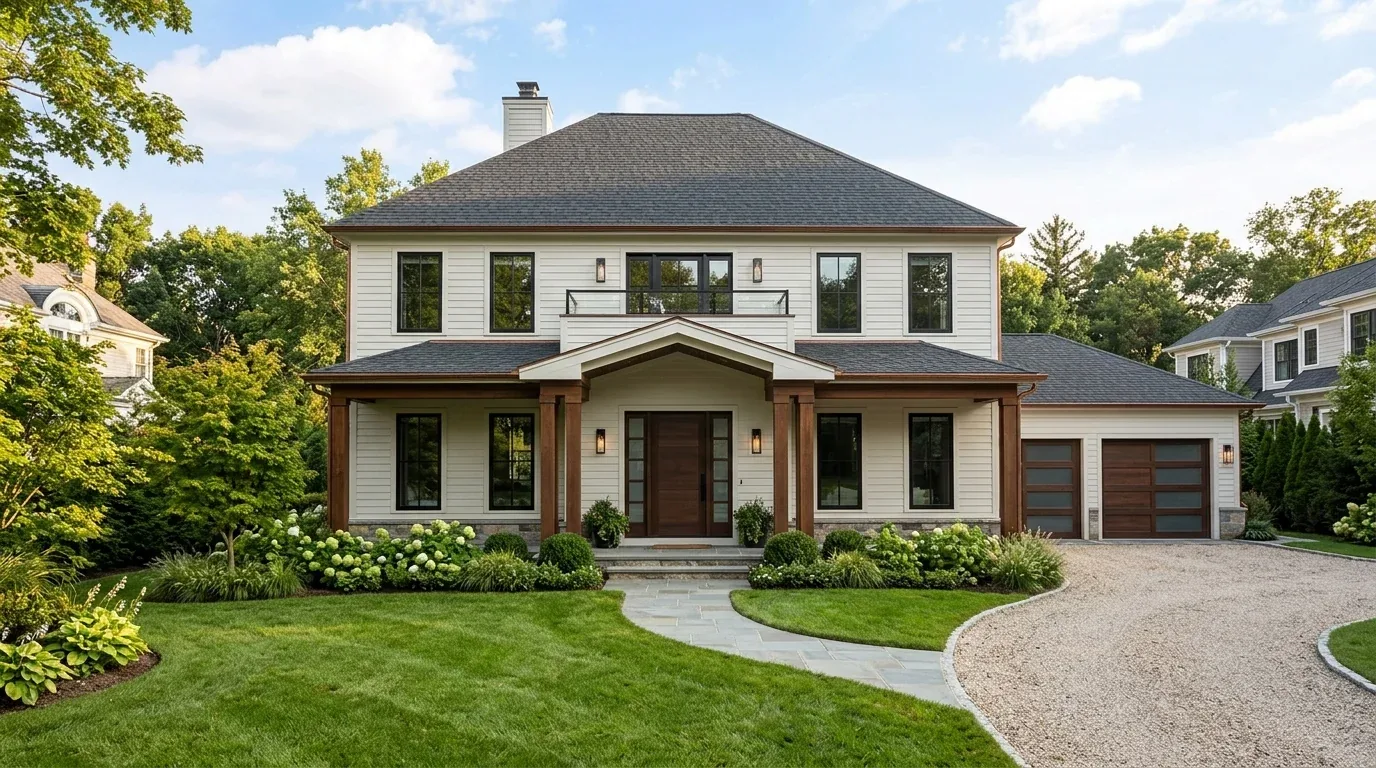
The homeowner’s core question often revolves around whether to preserve existing structures or undertake a rebuild to incorporate 1930s design elements more thoroughly. The first question we ask is: What decision are you struggling to make about this space? Many Sacramento homes are older and have good bones, but their interiors feel disconnected from the charm of the era. Renovating can be a cost-effective way to integrate period details like geometric tile or vintage lighting, but sometimes structural limitations or code upgrades necessitate a rebuild.
To guide this decision, we evaluate the home’s current condition, the scope of desired updates, and local permit requirements. For example, on the Bundren Project, the homeowners wanted to keep their original floor plan but add period-appropriate fixtures. Initially, they considered tearing down walls to create an open-plan layout, but a look at the actual space with a story pole and permit research revealed their home's structural walls were load-bearing. We then proposed a strategic reconfiguration that preserved the character and avoided costly rebuilds. This approach saved over $100,000 and months of delay, illustrating that sometimes a careful renovation with thoughtful upgrades better serves the vision and budget.
How to Choose the Right Fixtures and Hardware for 1930s Style
Selecting authentic fixtures and hardware is essential to achieving a genuine 1930s look in a modern space. The key is balancing vintage-inspired pieces with contemporary functionality. For example, brass and chrome hardware with sunburst or stepped motifs echo the era’s craftsmanship without feeling outdated. The American Society of Interior Designers emphasizes that hardware should complement the overall aesthetic while providing durability and ease of use. When sourcing fixtures, consider custom options from local fabricators or vintage reproductions from specialty suppliers to ensure quality and authenticity.
In our recent projects, we’ve integrated vintage-style pendant lights and art deco-inspired cabinet pulls that blend seamlessly with modern cabinetry. The decision to incorporate these details often hinges on how much character you want to evoke versus a more subtle nod. Proper sizing is crucial; a 36-inch range might suit a cozy kitchen, but a 48-inch version with CFM ratings ensures performance meets modern standards. Balancing these elements ensures your home feels rooted in history yet equipped for today’s demands.
Common Mistakes to Avoid When Incorporating 1930s Design
One of the most frequent errors is overloading a space with too many period details, which can feel overwhelming or kitschy. Instead, focus on a few authentic touches, like a vintage light fixture or patterned tile, and let them stand out. Another mistake is neglecting modern code requirements, especially around electrical and ventilation updates, which can cause delays or safety issues. The third common pitfall is choosing materials that look authentic but lack durability, such as cheap veneers or synthetic fabrics that wear quickly.
In Sacramento, where homes are often older, it’s vital to evaluate the structural integrity and compliance early. Incorporating textured plaster or authentic hardware thoughtfully can make a big impact without risking a dated look. Remember, the goal is to create a space that feels timeless and well-crafted, not just nostalgic for nostalgia’s sake. Partnering with experienced designers familiar with local building codes helps avoid these pitfalls and ensures a successful integration.
What's Going Out for 2026
- Overly ornate or excessive period details
- Faux vintage finishes that look cheap
- Modern minimalism that ignores warmth
- Bright neon or overly trendy colors
- Mass-produced furniture that lacks character
- Ignoring local permit requirements
- Overloading a space with too many styles
- Neglecting the balance between vintage and modern
What This Costs in 2026
| Scope | Typical range |
|---|---|
| Refresh scope: minor updates, hardware, paint, fixtures | $20K-$45K |
| Mid-tier scope: cabinets, lighting, tile, minor layout adjustments | $60K-$150K |
| Estate-scale: full renovation, structural updates, high-end finishes | $200K-$750K |
Working Notes
What We Have Learned Doing This: Exploring 1930s home interior design for modern projects
“Site conditions vote last, and they always vote.”
After enough projects you stop fearing bad taste and start fearing the boring things: delays, sequencing mistakes, moisture behind a wall, an electrician improvising, framing that is not where the drawings swear it is. The aesthetic part still matters, it is why anyone hires anyone, but execution decides whether the room ever gets built the way it was drawn.
A renovation is a dependency chain, not a list of tasks. A two-day cabinet delay quietly becomes a two-week slip by week sixteen because every trade downstream is holding a calendar. The least glamorous part of this work, and the most valuable, is keeping that chain from cascading.
Old houses lie, and so do new ones. Even a ten-year-old house lies the moment you assume the framing sits where the plans say. We stopped trusting old drawings, prior contractor work, and the phrase it should be fine a long time ago. The budget needs a real line for what demolition will uncover, usually 15 to 20 percent once walls start opening.
These notes come from our own project debriefs. Most were learned the expensive way the first time.
Sources & Professional References
This guide's positions on materials are grounded in published building-code, standards, and recognized design-authority sources, alongside Designed | Curated Interiors' verified credentials and active project files:
- American Society of Interior Designers (ASID): interior-design practice standards
- International Code Council (ICC): Chapter 8 Interior Finishes
- NKBA, Amy Kunst Member Profile (verified credential, NKBA Committee Member)
- Featured in: Homes & Gardens (design expert quote, May 2026) · Sacramento Love (guest author, 2024)
From Principle to a Real Room
A trend piece is the briefing document, not the deliverable. The pages below show how we translate these principles into finished rooms across Sacramento and the rest of Northern California.
- Sacramento & Bay Area Interior Design Services How we scope, source, and deliver work end to end.
- Interior Designer Hub, Sacramento Where most of our Sacramento work lives, the regional fit explained.
- Modern Tudor Homes: Authentic, Revival, and Neo-Tudor (A Designer Reference) Heritage-architecture renovation patterns from our project files.
- Japandi Living Room: A Designer's Guide to the 2026 Look The 2026 warm-neutral playbook applied to the living room.