Direct Answers (Engineered Hardwood Flooring)
| What is engineered hardwood flooring? | Engineered hardwood has layers. Top is real wood, thick enough at 4-6 mm for one refinish. Beneath lies a sturdy plywood core. |
| Why is engineered hardwood suitable for Sacramento's climate? | Engineered wood handles Sacramento’s heat well. Less risk of cupping. |
| What are the material grades of engineered hardwood flooring? | Mirage and Anderson Tuftex offer 4-6 mm wear layers. Rift or quarter-sawn varieties add stability. |
| How does engineered hardwood compare to solid hardwood? | Engineered hardwood's stable here. Installs over concrete easily. Solid wood refinishes more but less stable. |
Engineered Hardwood Flooring 2026 at a Glance
| Element | In | Out |
|---|---|---|
| Design Options | Wide plank options | Limited color options |
| Finish & Texture | Natural finishes and textures | Unrealistic aging expectations |
| Durability | High durability in humid environments | High initial cost for premium brands |
| Refinishing | Refinishing capabilities | Limited refinishing if wear layer is thin |
| Cost | Cost-effective compared to solid hardwood | Less eco-friendly options |
| Installation | Variety of installation methods | Complex installation for DIY |
| Brands | Brands known for quality | Brands with inconsistent quality |
| Environmental Performance | Performance in Sacramento climate | Performance issues in high humidity |
| Lifespan | Design flexibility | Overlooking long-term maintenance |
Design Flexibility and Finish Options
In 2026, engineered hardwood keeps impressing with design variety. Finishes range: matte, satin, high-gloss. From classic oak to Brazilian cherry. Wear layers of 4-6 mm in quality brands allow one refinishing, restoring surface wear after years. Wire-brushed and hand-scraped finishes suit Sacramento homes seeking a rustic yet modern style.Mirage and Anderson Tuftex have impressed us with their quality and range of finishes on current projects. Surface textures and color palettes work in bright bungalows or traditional interiors. Plank size matters. Wide planks? They open up a kitchen like few other choices can.
Material Specifics and Quality Grades
Authenticity-grade materials
- White oak (rift-sawn), for floors and slat detail; calmer grain than plain-sawn
- European beech, for stable, light-hued finishes with fine grain
- Maple (hard), for high-end, durable surfaces with subtle grain
- Hickory, for highly textured, rustic appeal
- Brazilian walnut (Ipe), for exotic, dense, and moisture-resistant floors
- Ash (European), for light, modern interiors with straight grain
- Walnut (American), for rich, warm tones with distinctive grain
- Rift-sawn oak, for stability over wide planks
- Quarter-sawn oak, for consistent grain pattern and dimension stability
Generic-grade tells we refuse to spec
- Standard-grade solid oak, often with knots and color variation
- Low-grade veneer, thin wear layer, limited refinishing potential
- Reclaimed wood, variable quality, inconsistent thickness
- Softwood species, less durable, prone to dents
- Mass-produced finishes, synthetic look, limited texture options
- Cheap laminate overlays, not real wood, lower durability
- Bargain engineered products with 2 mm wear layer, limited lifespan
- Products with poor surface adhesion, peeling or delamination risk
Engineered Hardwood vs Alternatives: What Works Best?
| Design & Texture | Durability & Refinishing | Cost & Value | Maintenance Ease | Environmental Suitability |
|---|---|---|---|---|
| Aesthetics | Authentic wood grain and texture, varied finishes | Uniform look, limited texture options | Wide selection of species and finishes | |
| Durability | High, especially with thick wear layers; can be refinished once | Less durable, not refinished; prone to dents | Waterproof options available, but less authentic | |
| Cost | Mid-range, depending on species and finish | Lower initial cost, but less long-term value | Varies widely; luxury vinyl can be cheaper upfront | |
| Maintenance | Easy to clean, with proper surface protection | More prone to scratches and dents | Water-resistant, easy to maintain | |
| Performance in Sacramento | Performs well with proper acclimation and underlay | Not suitable for high humidity or moisture | Excellent in humid environments, waterproof variants available |
Should You Opt for Engineered Hardwood or Solid Hardwood?
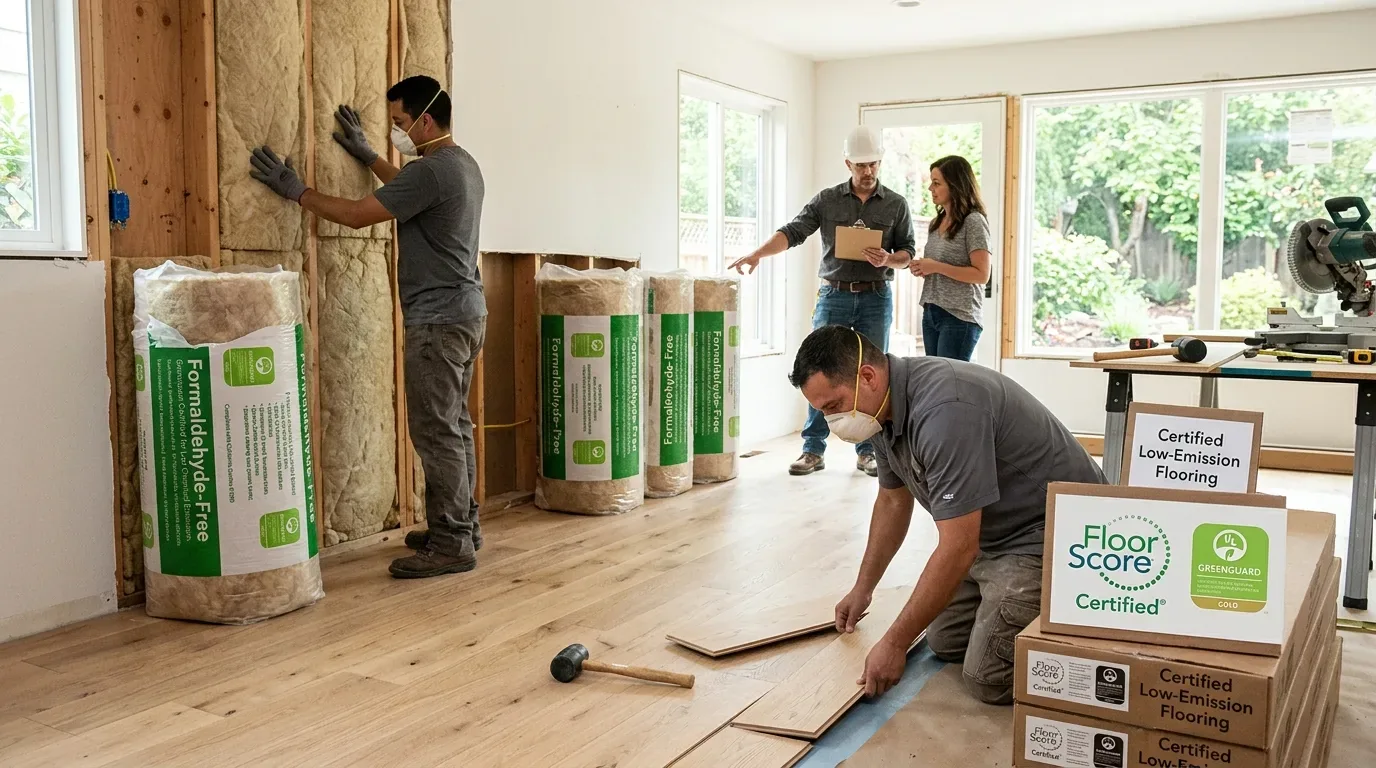
You need long-lasting floors, or something stylish? Some focus on easy installation. Solid hardwood offers unmatched authenticity but requires more care and is less stable in Sacramento’s climate. The layers in engineered wood handle humidity well. They fit nicely over plywood or concrete. In older Sacramento houses, engineered floors are popular. Warping becomes less of a concern. Solid hardwood can be refinished. It needs attention when the time comes. Advice varies by your project's scope, budget, or future plans. Engendered wood’s nice for mid-century, newer builds alike. Looks good with the right care.What Are the Key Factors in Choosing the Right Finish and Texture?
Consider style and care for the finish. Matte finishes hide imperfections well, favored in modern styles. Satin gives natural grain a shine. Wire-brushed finishes hide scratches, add texture. The surface finish also affects how well the floor ages; a quality urethane coating, like those recommended by the NKBA, ensures protection against daily scratches and spills.
Our team recommends testing samples in the actual space to see how finishes look under Sacramento’s natural light. Finishes give you options. Choose subtle stains that fit your palette. Balance style with practical care needs.
How Long Does Engineered Hardwood Last and Can It Be Refinished?
Wear layer thickness crucial for how long engineered hardwood lasts. A wear layer of 4-6 mm means one refinishing. Typical in recent projects. In Sacramento, many homes have floors already sanded once or twice, so assessing the wear layer thickness before refinishing is crucial. When checking engineered floors, I often find that thin layers don't permit anything beyond a light buffing. Floors do last longer with refinishing, but if the wear layer’s gone, replacement may be next on the list. Consider if refinishing or replacing makes more sense financially when choosing flooring. For Sacramento homes, plan ahead. Plan for costs. Keep floors clean.
What Are Common Mistakes to Avoid When Choosing Engineered Hardwood?
Look at how thick the wear layer is. It's a common oversight. This tells you about possible refinishes. Finishes should match your room's style. If not, it'll look off fast. Watch the heat in Sacramento. Without proper acclimation, floors buckle over time.Find a designer who knows Sacramento's climate. They'll suggest the right materials. Test samples on site. Consult experienced installers. They know what's best.
Observed Failure Modes, How Engineered Hardwood Flooring Goes Wrong
From our project debriefs and post-occupancy reviews, 2023-2026.
Choosing Floors Without Proper Wear Layer Assessment
Many homeowners and even some contractors assume all engineered hardwood can be refinished multiple times. In reality, the wear layer thickness varies significantly among products. In several recent projects, I've seen floors with a 2 mm wear layer that looked good initially but wore through after one refinishing, exposing the backing and leading to costly replacement. The mistake is to promise a refinish without confirming the actual wear layer thickness with a moisture meter or a small depth gauge. Skipping this risks your flooring. Sacramento floors often get sanded a lot. Verify wear layer condition before you refinish. This check saves you a lot of money and extends flooring life.
Ignoring Regional Climate and Moisture Conditions
Another frequent mistake is not considering how Sacramento’s seasonal heat affects engineered hardwood. Without acclimation, or too much moisture, floors warp and gap. No made-up stories, but I've seen floors buckle here after wet winters. Moisture-resistant underlayment helped, but only after damage showed. Get durable floors with moisture resistance. Acclimate for a week first. Skip this, and costs skyrocket. Could ruin your project.
Overlooking Finish Durability and Maintenance
Choosing a finish that looks beautiful initially but wears quickly is a common mistake. Cheap finishes scratch easily. They turn dull fast. Glossy floors scratch fast in busy areas. The best approach is to select finishes recommended by the NKBA that balance appearance with durability, like a high-quality urethane with a matte or satin sheen. Use furniture pads and mild cleaners for durability. Some finishes age better. Pick them for lasting beauty.
Not Considering Long-Term Refinishing Potential
Many clients overlook the importance of the wear layer when purchasing engineered hardwood. A thinner wear layer means less refinishing, affecting its long-term value. I’ve seen floors that look fine at installation but become unusable after one refinish, forcing premature replacement. Choose at least a 4 mm wear layer if refinishing is a future option. Sacramento's older homes might have already been sanded once or twice. Choose smart to avoid future costs, keep looks.
Choosing the Cheapest Material Without Quality Checks
Opting for low-cost engineered flooring often results in products with poor surface adhesion, uneven finishes, or inconsistent plank quality. Some projects showed uneven texture or edges peeling right after installation. Trying to save money now might mean expensive repairs later. Look for brands like Mirage or Anderson Tuftex. Ensure 4-6 mm wear layers. Good materials last longer. Sacramento has its own weather quirks that mess with flooring.
What's Going Out for 2026
- Choosing engineered hardwood with a thin wear layer for refinishing
- Ignoring regional heat impacts on flooring stability
- Selecting finishes based solely on appearance without durability considerations
- Overlooking the importance of proper acclimation before installation
- Forgetting to verify the quality and brand reputation of the product
- Ignoring the need for moisture barriers in high-humidity areas
- Opting for the cheapest option without checking wear layer thickness
- Failing to test samples in the actual space under natural light
What Engineered Hardwood Flooring Costs in 2026
| Scope | Typical range |
|---|---|
| Basic refresh of existing engineered floors with light wear | $4K-$8K |
| Mid-tier installation including new engineered hardwood with custom finish | $10K-$20K |
| High-end estate-scale project with premium materials and extensive refinishing | $25K-$50K |
Working Notes
What We Have Learned Doing This: engineered hardwood flooring
“Site conditions vote last, and they always vote.”
Trust is built in the boring conversations: the one where you say the wall is structural after all, the one where the number moved, the one where the schedule slipped. Clients forgive reality. They do not forgive being surprised by it.
Most of the money that gets wasted is spent solving the wrong problem confidently. A homeowner asks for more space, every contractor agrees and prices an addition, and the real issue turns out to be light, or proportion, or one bad sightline. We make the room tell us the problem before anyone signs a demolition contract.
A renovation is a dependency chain, not a list of tasks. A two-day cabinet delay quietly becomes a two-week slip by week sixteen because every trade downstream is holding a calendar. The least glamorous part of this work, and the most valuable, is keeping that chain from cascading.
These notes come from our own engineered hardwood flooring project debriefs. Most were learned the expensive way the first time.
Sources & Professional References
This guide's positions on materials are grounded in published building-code, standards, and recognized design-authority sources, alongside Designed | Curated Interiors' verified credentials and active project files:
- American Society of Interior Designers (ASID): interior-design practice standards
- International Code Council (ICC): Chapter 8 Interior Finish Decorative Materials And Furnishings
- NKBA, Amy Kunst Member Profile (verified credential, NKBA Committee Member)
- Featured in: Homes & Gardens (design expert quote, May 2026) · Sacramento Love (guest author, 2024)
Frequently Asked
What is engineered hardwood flooring?
Why is engineered hardwood suitable for Sacramento's climate?
What are the material grades of engineered hardwood flooring?
How does engineered hardwood compare to solid hardwood?
What should I consider when choosing an engineered hardwood finish?
From Engineered Hardwood Flooring to a Real Room
A trend piece is the briefing document, not the deliverable. The pages below show how we translate these principles into finished rooms across Sacramento and the rest of Northern California.
- Sacramento & Bay Area Interior Design Services How we scope, source, and deliver work end to end.
- Interior Designer Hub, Sacramento Where most of our Sacramento work lives, the regional fit explained.
- Modern Tudor Homes: Authentic, Revival, and Neo-Tudor (A Designer Reference) Heritage-architecture renovation patterns from our project files.
- Japandi Living Room: A Designer's Guide to the 2026 Look The 2026 warm-neutral playbook applied to the living room.