Sacramento + Marin Interior Designer · Amy Kunst, NKBA 📞 916-756-5977 Get Free Quote

Copper tile backsplash: A Designer's Guide

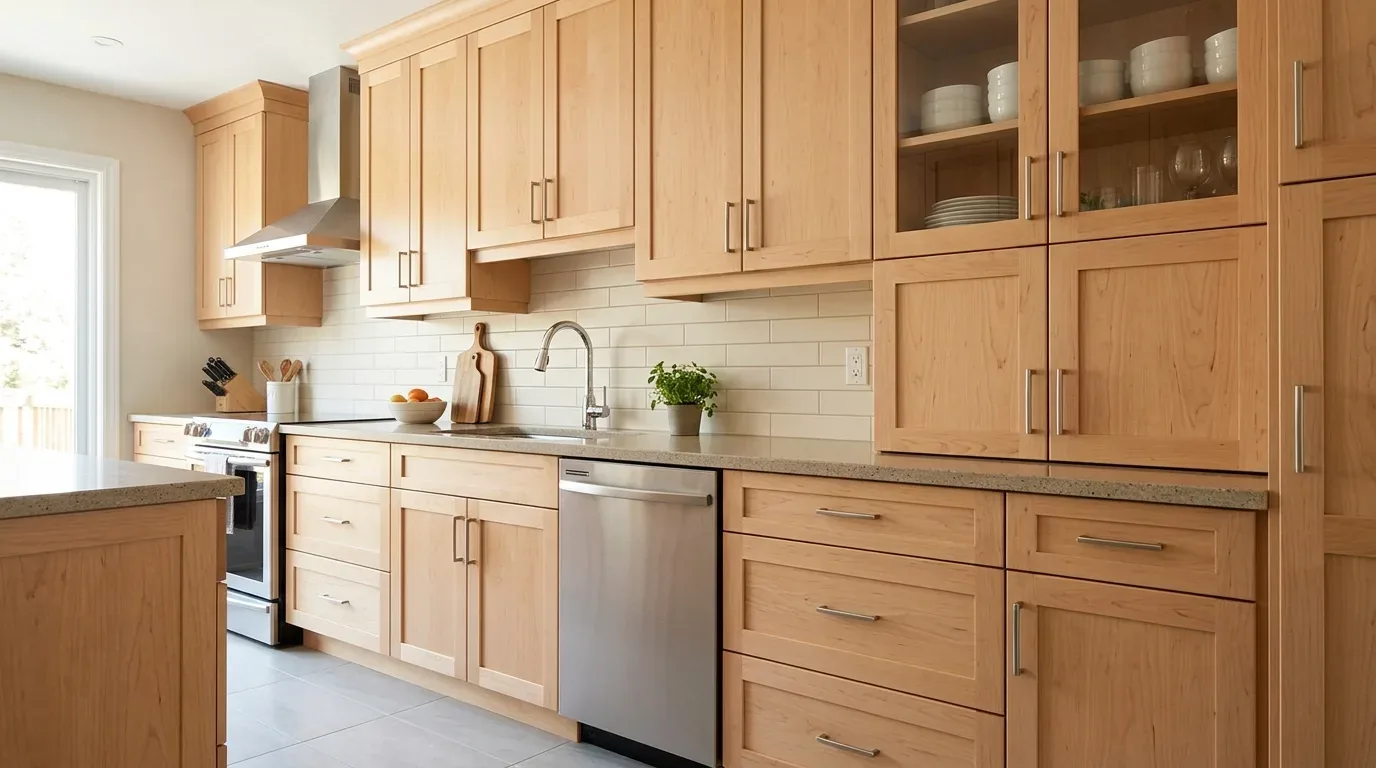
A modern kitchen with light wood cabinets, stainless steel appliances, and a neutral tile backsplash
A modern kitchen with light wood cabinets, stainless steel appliances, and a neutral tile backsplash the floor.

Many homeowners considering a copper tile backsplash want to know if it will elevate their kitchen’s look while remaining practical and within budget. The answer is yes, copper tiles can add warmth and character, especially when thoughtfully integrated. Designing with copper tiles involves balancing aesthetic appeal, cost, and ease of maintenance.

Built from our active project files, this guide explores how copper tile backsplashes complement various styles, compares costs with other materials, and reveals installation tips and aging considerations. We’ll also share real-life examples, including a project where careful planning avoided costly mistakes. As Sacramento’s design landscape evolves, understanding these nuances helps you make confident choices that align with your home’s character and your lifestyle.

Direct Answers (Copper Tile Backsplash)

What are the benefits of installing a copper tile backsplash in Sacramento?Copper tiles add warmth, character, and a timeless focal point to your kitchen, especially complementing Sacramento's historic homes and rustic-modern styles.
How much does a copper tile backsplash typically cost in Sacramento?The cost depends on the scope, but for a mid-range full remodel, expect to pay between $55,000 and $90,000, with costs increasing for layout changes or high-end finishes.
Are there any permits required for installing a copper tile backsplash in Sacramento?Based on available information, installing a backsplash generally does not require a permit unless it involves relocating plumbing, electrical work, or structural changes.
What should I consider when choosing copper tiles for my backsplash?Choose authentic copper mosaics with a nuanced patina, verify the material's durability, and plan the layout to highlight the material’s natural character, especially in rooms with irregular walls.

Copper Tile Backsplash 2026 at a Glance

ElementInOut
AestheticsWarm, rich patina over timeCold, sterile finishes
CostTimeless industrial appealHigh-maintenance surfaces
MaintenanceCost-effective compared to other metalsLimited pattern options
InstallationRequires specific maintenanceCostly materials
AgingFlexible patterns and layoutsInflexible layouts
PatternsCan be combined with other materialsMaterials that clash with copper
Material PairingAging gracefully with proper carePatina that’s hard to control
Style CompatibilityDesigns that highlight copper’s warmthDesigns that overpower copper’s warmth
DurabilityVersatile for different kitchen themesIncompatibility with mixed materials

Embracing Copper Tile Backsplash as a Design Focal Point

In our recent projects across Sacramento, we've seen homeowners increasingly choose copper tile backsplashes to create a warm, inviting focal point in their kitchens. The key is to understand that copper offers a unique blend of aesthetic richness and practical versatility. When selecting copper tiles, we favor full-bodied, authentic finishes like the NKBA-recommended copper mosaics from artisan suppliers that develop a nuanced patina over time. These tiles work beautifully in various design styles, from rustic farmhouse to sleek modern, especially when paired with warm wood cabinetry or matte black fixtures.

One of the biggest design moves is to opt for a layout that highlights the material’s natural character. Popular patterns include running bond or herringbone, which add visual interest without overwhelming the space. We also recommend mixing copper tiles with complementary materials like matte white quartz countertops or dark-stained cabinets to balance the warmth. The result is a backsplash that ages gracefully and becomes a conversation piece, while also providing a durable, easy-to-clean surface that withstands daily kitchen use.

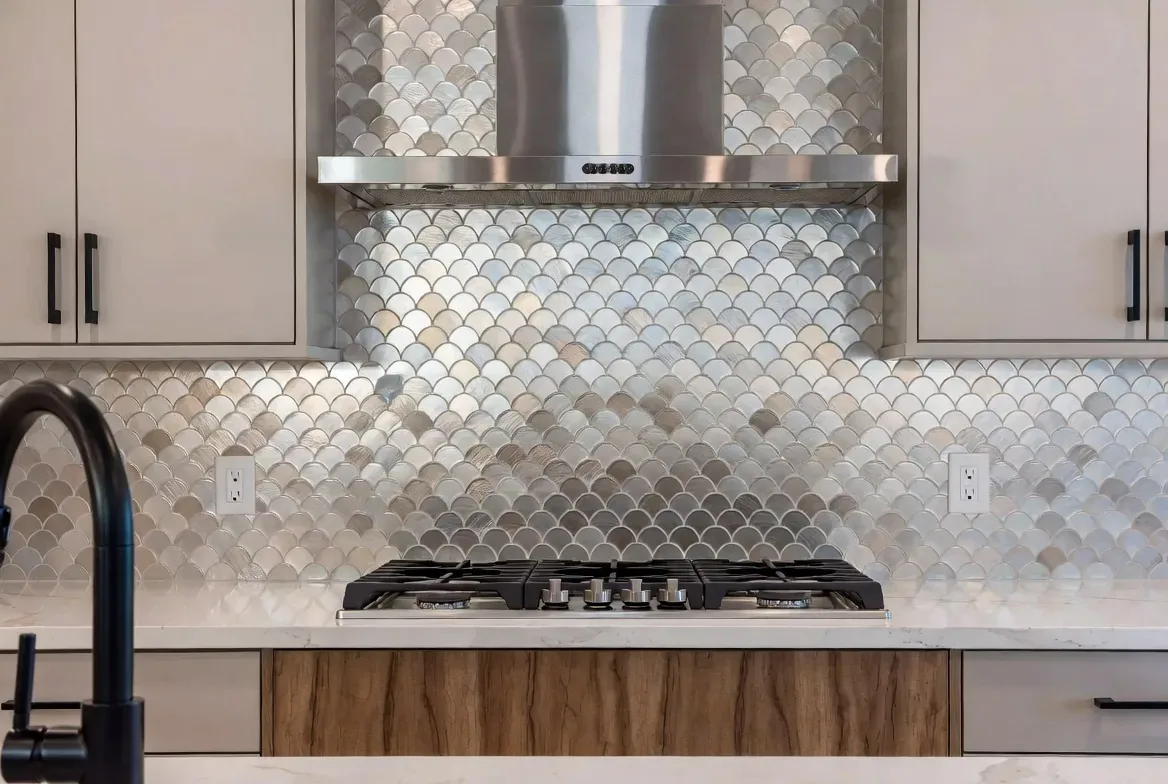
A modern kitchen featuring a metallic fish scale tile backsplash, stainless steel range hood, gas stove, and light cabinetry with black handles
A modern kitchen featuring a metallic fish scale tile backsplash, stainless steel range hood, gas stove, and light cabinetry with black handles.

Material Specifics: Authentic Copper Tiles and Their Alternatives

Authenticity-grade materials

  • Full-bodied copper mosaics, featuring natural patina and rich color variations, sourced from artisan suppliers for genuine aging.
  • Solid copper tiles, 1/8 inch thick, with a clear lacquer finish to slow patina development if desired.
  • Engineered copper panels, bonded to a durable substrate, ideal for easier installation and consistent aging.
  • NKBA-approved copper finishes, with protective coatings that balance aging and maintenance needs.
  • Natural copper with a brushed or hammered texture, adding tactile interest and hiding fingerprints.
  • High-quality grout, epoxy or silicone-based, to prevent staining and preserve the finish.
  • Solid brass or bronze accents, for trim or edge detailing that complements copper’s warmth.
  • Authentic materials from reputable suppliers, ensuring longevity and natural aging that enhances character.

Generic-grade tells we refuse to spec

  • Cheap ceramic tiles, prone to chipping and not suitable for high-moisture areas.
  • Thin laminate or faux metallic finishes, that scratch easily and do not age gracefully.
  • Low-grade stainless steel, that can pit and discolor over time.
  • Mass-produced mosaic sheets with uniform color, lacking the depth of real copper.
  • Acrylic or PVC panels, which degrade under heat and moisture.
  • Painted finishes mimicking copper, that peel or wear unevenly.

Copper Backsplash Compared to Other Materials: Pros and Cons

Material TypeAesthetic AppealCostMaintenanceDurabilityInstallation Complexity
MaterialCopper TilesCeramic TilesGlass Tiles
AestheticWarm, rich patina that ages beautifullyVariety of colors and patterns, but staticReflective, modern look, color varies with lighting
CostMid to high, depending on authenticityLower, more budget-friendlyComparable to copper, often more expensive
MaintenanceRequires regular sealing or polishing, patina develops naturallyLow, easy to wipe cleanEasy to clean, but prone to fingerprints and scratches
DurabilityHigh, ages well if maintainedHigh, resistant to chippingModerate, can crack if mishandled
InstallationRequires skilled installer for patina and layoutEasier, with standardized sizesRequires careful handling and sealing
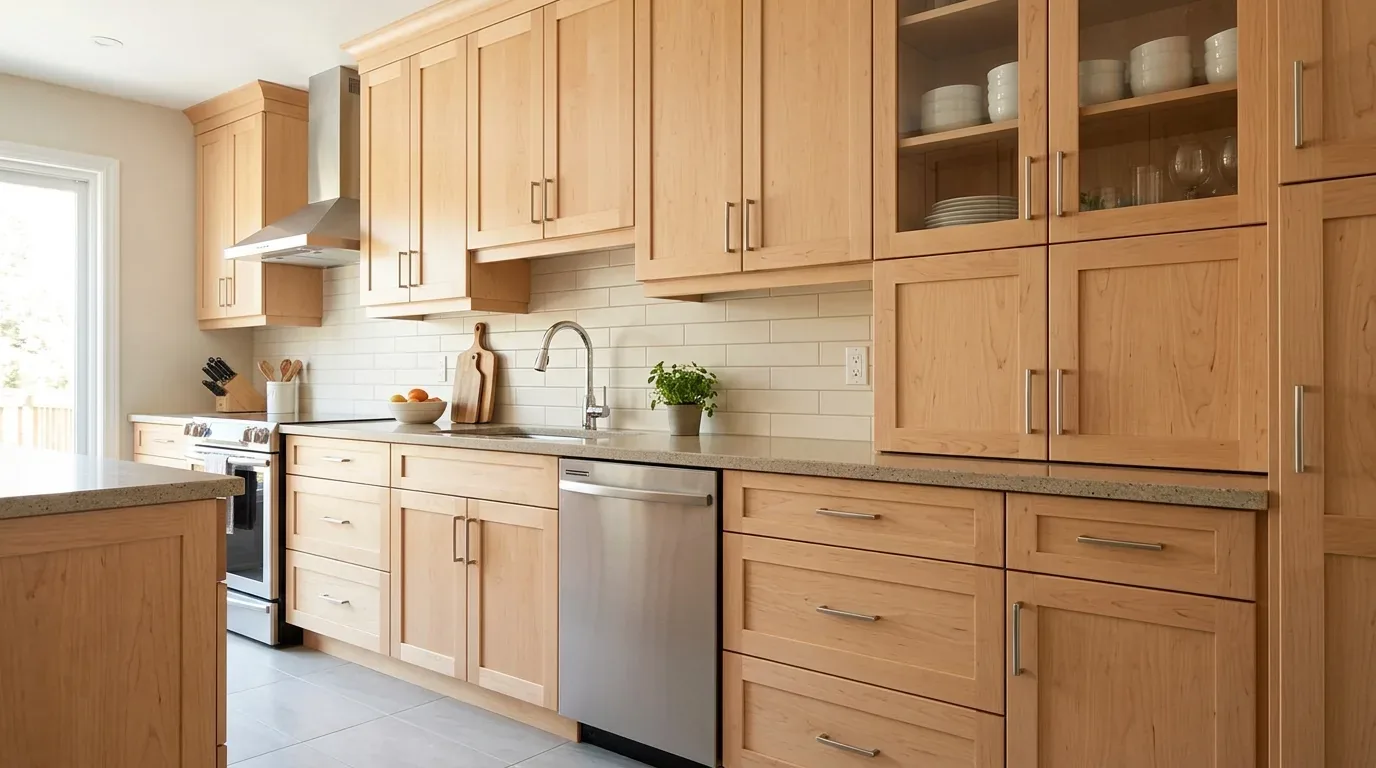
A modern kitchen with light wood cabinets, stainless steel appliances, and a neutral tile backsplash
A modern kitchen with light wood cabinets, stainless steel appliances, and a neutral tile backsplash.

Should I Choose Copper Tiles or Opt for a Different Material?

The first question many homeowners ask is whether copper tiles are the right choice for their kitchen. Copper offers unmatched warmth and a unique aging process, but it requires specific maintenance and installation considerations. If you prefer a surface that remains static and requires minimal upkeep, ceramic or glass might seem appealing. However, these materials lack the natural patina and evolving character that copper develops over time. Choosing copper is ideal if you want a feature that gains personality and patina with age, but it’s less forgiving if you prefer a low-maintenance surface.

In our Sacramento projects, we often recommend copper for homeowners who appreciate craftsmanship and are willing to invest in proper sealing and care. For those with busy lifestyles or in rental properties, ceramic or porcelain tiles might be more practical. The American Society of Interior Designers reinforces the importance of material longevity and aging gracefully, which makes copper a compelling choice for the right homeowner.

What Are the Best Patterns and Layouts for Copper Tile Backsplashes?

Choosing the right pattern can dramatically influence the visual impact of your copper backsplash. Popular options include running bond, herringbone, and basketweave, each adding a different texture and focal point. The pattern should complement your overall kitchen style, simple running bond for a traditional look or herringbone for a more contemporary vibe. The first decision we ask homeowners is whether to emphasize the material’s natural variation or create a uniform appearance.

In several recent projects, we’ve combined copper mosaic tiles with darker grout to enhance the rich tones and create depth. When planning your layout, consider the size of the tiles and the room’s proportions. For example, a smaller mosaic pattern can add intricate detail in a compact space, while larger tiles work well in open kitchens. The goal is to let the copper’s character shine without overwhelming the space.

Can Copper Tiles Be Combined with Other Materials for a Mixed-Material Backsplash?

Absolutely. Mixing materials can create a layered, sophisticated look that balances warmth, texture, and function. Copper tiles pair beautifully with matte black fixtures, white quartz countertops, or even textured stone for visual contrast. The key is to maintain a cohesive color palette and avoid clashing finishes. For example, pairing copper with matte black or dark stained wood can anchor the warmth while providing a modern edge.

In our Sacramento projects, combining copper with natural stone or painted brick has achieved a timeless yet contemporary effect. The American Institute of Architects emphasizes the importance of material harmony, which is critical when designing a mixed-material backsplash. Proper planning ensures that the different textures and finishes complement each other, creating a balanced and enduring design statement.

What Are Common Mistakes That Make Copper Tile Backsplashes Look Cheap or Date Quickly?

One common mistake is choosing inexpensive, thin copper sheets that scratch or discolor easily. Always opt for full-bodied, NKBA-approved copper mosaics that age gracefully. Another pitfall is starting layout from a wall corner without considering room irregularities; this can cause tapered cuts and uneven grout lines, especially in Sacramento’s pre-war homes where walls are rarely perfectly plumb. Lastly, neglecting proper sealing can accelerate patina unevenness or lead to staining, diminishing the material’s value over time.

To avoid these issues, always work with a professional installer familiar with authentic copper finishes and layout techniques. Regular maintenance, such as gentle polishing and sealing, helps preserve the material’s beauty without sacrificing its natural aging process. Being mindful of these pitfalls ensures your copper backsplash remains a stunning feature for years to come.

Observed Failure Modes, How Copper Tile Backsplash Goes Wrong

From our project debriefs and post-occupancy reviews, 2023-2026.

Uneven installation leading to visible tapered cuts

In the Woodstone Project, the homeowners envisioned a sleek copper backsplash, but assumed a straightforward layout would suffice. Contractors proposed starting from the nearest wall, which seemed logical. During installation, I used a laser level and site photos to realize the room’s walls were out of square and the focal wall was not plumb. This caused tapered cuts and inconsistent grout lines, making the final look unprofessional. The fix involved re-measuring from the room’s center and adjusting the pattern accordingly, which added a few days but avoided a costly redo. The lesson: always verify room irregularities before starting, especially in Sacramento’s older homes where walls are rarely perfect. Proper planning saves money and preserves the material’s natural beauty.

Choosing a finish that ages unevenly

Another failure occurs when homeowners select copper finishes without understanding aging behaviors. In one project, a client chose a lacquered copper tile expecting it to stay shiny. Over a year, the finish developed uneven patina and scratches, making it look worn rather than charming. The American Society of Interior Designers emphasizes selecting finishes that match your maintenance willingness. A better approach is to choose uncoated copper with a clear protective layer, allowing the material to age naturally and evenly. Regular gentle polishing can enhance the patina, maintaining a balanced appearance over time.

Overlooking proper sealing and maintenance

In several projects, neglecting sealing has led to staining and discoloration, especially in kitchens with high moisture or acid exposure. Copper is reactive, and without proper sealants, it can develop spots or darken unevenly. The National Kitchen and Bath Association recommends sealing copper tiles with a clear, wax-based or lacquer coating for easier maintenance. In Sacramento, where humidity and temperature swings are common, proper sealing is critical. Routine light cleaning with non-abrasive products ensures the backsplash retains its warm glow without premature aging or damage.

Ignoring the room’s natural irregularities during layout

In pre-war Sacramento homes, walls and floors often have subtle irregularities. Starting a tile layout without checking for these can result in tapered cuts and visual imbalance. During a recent project, I detected out-of-square walls using a chalk line and site measurements before laying out the tiles. This proactive step prevented tapered cuts that would have distracted from the copper’s natural patina and added unnecessary cost. The lesson is to always verify wall and floor conditions with tools like a story pole and site photos before proceeding, especially in older homes, saving time and money while ensuring a cohesive look.

Underestimating the importance of pattern choice

Choosing a pattern that overwhelms the space or clashes with cabinetry is a common mistake. In several recent projects, a complex herringbone pattern in a small kitchen made the space feel busy, detracting from the copper’s natural warmth. Conversely, a simple running bond allowed the material’s character to shine. The key is to match pattern complexity with room size and style. In Sacramento’s traditional homes, a balanced pattern like a straight run or a subtle herringbone often works best. Proper pattern selection enhances the overall design without overwhelming the space, ensuring your copper backsplash remains a timeless feature.

What's Going Out for 2026

  • Cheap, thin copper sheets that scratch easily
  • Starting layout without room measurements
  • Using low-quality grout that stains or discolors
  • Ignoring room irregularities during planning
  • Choosing finishes that do not age gracefully
  • Overly complex patterns in small kitchens
  • Neglecting proper sealing and maintenance
  • Combining copper with incompatible materials
  • Opting for low-cost, mass-produced tiles
  • Ignoring the natural aging process of copper

What Copper Tile Backsplash Costs in 2026

ScopeTypical range
Cosmetic refresh with copper backsplash$40K-$65K
Mid-tier full remodel with copper feature$65K-$110K
High-end layout change or structural integration$110K-$200K+

Working Notes

What We Have Learned Doing This: Copper tile backsplash: A Designer's Guide

“On any bath in a home built before 2010, the demolition scope includes one inspection cut in the wet wall before the new fixtures are ordered.”

On any bath in a house built before 2010, the demolition scope should include one inspection cut into the wet wall before a single fixture is ordered. What is behind the tile decides the budget.

A renovation is a dependency chain, not a list of tasks. A two-day cabinet delay quietly becomes a two-week slip by week sixteen because every trade downstream is holding a calendar. The least glamorous part of this work, and the most valuable, is keeping that chain from cascading.

Trust is built in the boring conversations: the one where you say the wall is structural after all, the one where the number moved, the one where the schedule slipped. Clients forgive reality. They do not forgive being surprised by it.

Old houses lie, and so do new ones. Even a ten-year-old house lies the moment you assume the framing sits where the plans say. We stopped trusting old drawings, prior contractor work, and the phrase it should be fine a long time ago. The budget needs a real line for what demolition will uncover, usually 15 to 20 percent once walls start opening.

These notes come from our own copper tile backsplash: a designer's guide project debriefs. Most were learned the expensive way the first time.

Sources & Professional References

This guide's positions on materials are grounded in published building-code, standards, and recognized design-authority sources, alongside Designed | Curated Interiors' verified credentials and active project files:

Frequently Asked

What are the benefits of installing a copper tile backsplash in Sacramento?
Copper tiles add warmth, character, and a timeless focal point to your kitchen, especially complementing Sacramento's historic homes and rustic-modern styles.
How much does a copper tile backsplash typically cost in Sacramento?
The cost depends on the scope, but for a mid-range full remodel, expect to pay between $55,000 and $90,000, with costs increasing for layout changes or high-end finishes.
Are there any permits required for installing a copper tile backsplash in Sacramento?
Based on available information, installing a backsplash generally does not require a permit unless it involves relocating plumbing, electrical work, or structural changes.
What should I consider when choosing copper tiles for my backsplash?
Choose authentic copper mosaics with a nuanced patina, verify the material's durability, and plan the layout to highlight the material’s natural character, especially in rooms with irregular walls.
How do copper tile backsplashes compare to other materials like ceramic or glass?
Copper offers a unique aging process and character, while ceramic or glass are more low-maintenance but do not develop a patina over time.

From Copper Tile Backsplash to a Real Room

A trend piece is the briefing document, not the deliverable. The pages below show how we translate these principles into finished rooms across Sacramento and the rest of Northern California.

Start a Project Conversation →

Call (916) 756-5977Book a Consultation