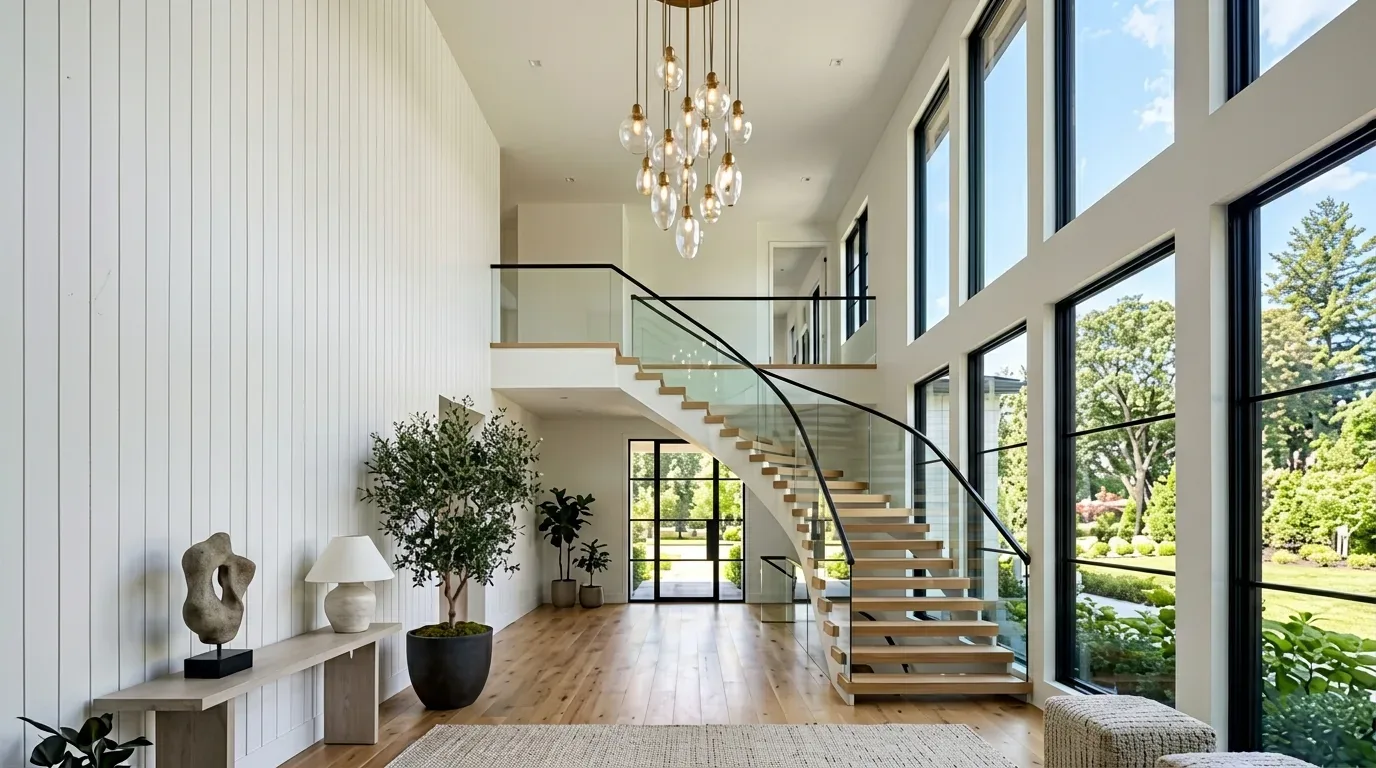
2026 sees sleek new materials mixing with classics and smart tech. Get modern elegance right. Feel out the location and sustainability. Think subtle richness meets tech integration. Curate for comfort.
We're pulling from active projects. Check out Sacramento's trends in color, materials, and architecture for 2026 luxury. We'll talk what's hot in furniture, tech, local tweaks. How green thinking shapes luxury, aiming for warmth and restraint.
Common Questions
| What are the main features of contemporary luxury interior design in Sacramento for 2026? | Prioritize warm restraint. Use smart materials, tech, and a classic look, adjusting for the area. |
| How does regional context influence luxury interior design trends in Sacramento in 2026? | Bring in locals like reclaimed wood and natural light. Root luxury in the region. |
| What materials are popular for luxury interiors in Sacramento in 2026? | Rift-sawn white oak is classic and stands up to wear. Pair it with plaster or warm-toned concrete. |
| How important is lighting in contemporary luxury interiors in 2026? | Use lighting to guide a room's mood, emphasize standout pieces. Use smart systems for warmth and tone shifts. |
Contemporary Luxury Interior Design 2026 2026 at a Glance
| Element | In | Out |
|---|---|---|
| Color | Calm, muted color palettes with warm undertones | Bold, saturated colors with high contrast |
| Materials | Sustainable materials with refined finishes | Mass-produced materials with minimal sustainability focus |
| Technology | Integrated smart technology seamlessly embedded | Obvious technology displays and gadgets |
| Furniture | Streamlined, sculptural furniture styles | Traditional, bulky furniture styles |
| Design Leaders | Leading designers blending innovation with regional character | Designers sticking to predictable trends |
| Architectural Features | Architectural features emphasizing light and proportion | Architectural features focused on ornamentation |
| Sustainability | Sustainable design as a core principle | Disregard for sustainability in material choices |
The Rise of Warm Restraint in Luxury Interiors
In 2026, the most significant shift in contemporary luxury interior design involves a move toward warm restraint. Use soft tones. Warm taupe, gentle greys, soft greens for calm and class. In specs, materials show quiet luxury. No sensory overload. Keep it simple. Think rift-sawn white oak for flooring and cabinetry, with a matte finish that emphasizes natural grain over gloss. Warm undertoned concrete and custom plaster. Keep it sleek but tactile.
Go for warm, restrained look. Pick your finishes with care. The American Society of Interior Designers emphasizes the importance of lighting in creating ambiance, and in 2026, integrated smart lighting systems are crucial. Systems tweak warmth and light, creating calm. Blend high-tech with a welcoming vibe. Aim for tech-forward yet inviting.
Material Specificity for 2026 Luxury Interiors
Authenticity-grade materials
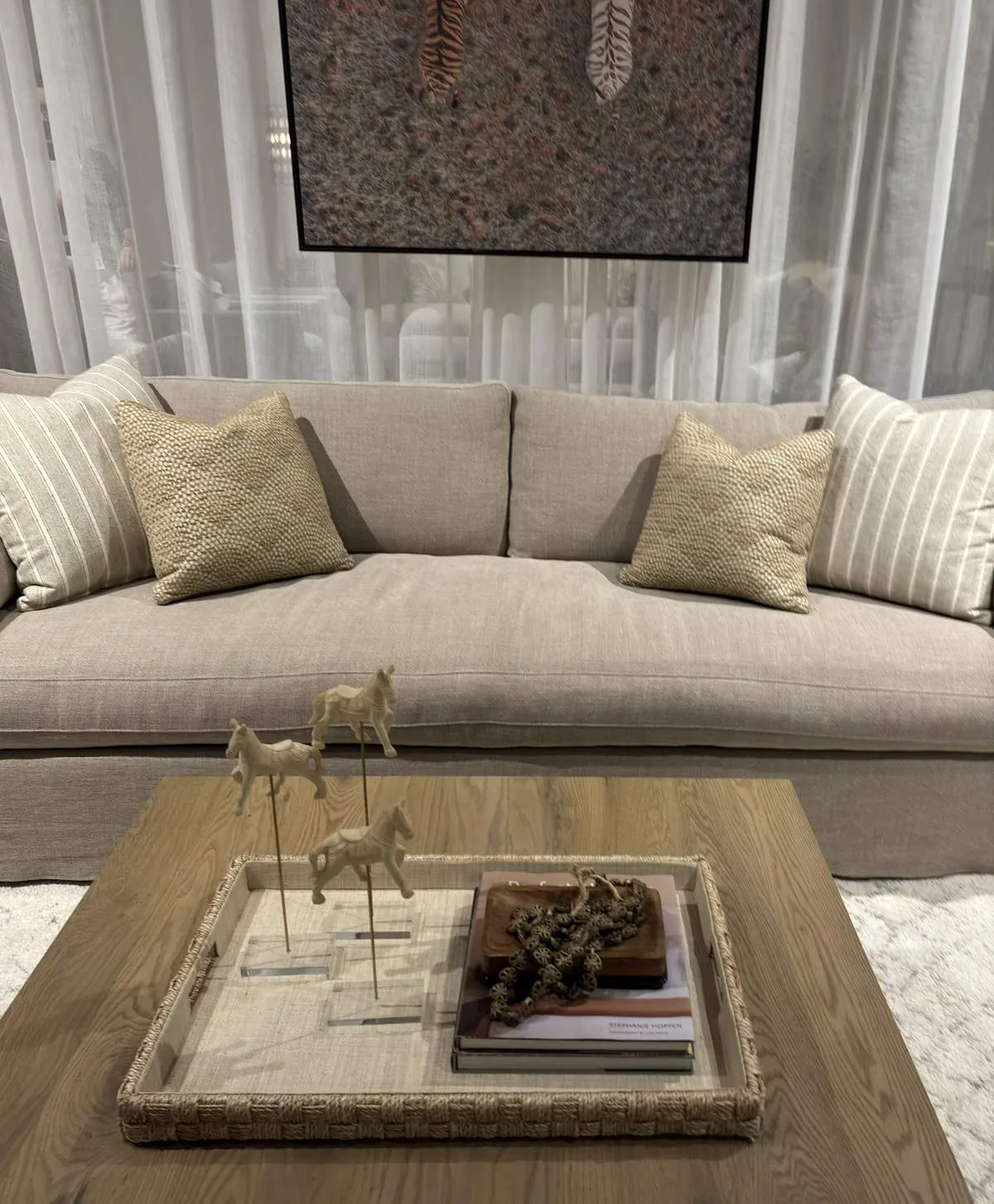
- Rift-sawn White Oak, for floors and slat details; calmer grain than plain-sawn
- Polished concrete with warm undertones, durable, tactile, and modern
- Custom plaster finishes, subtle textures that add depth
- Brushed brass hardware, soft, warm metal accents
- Glass with low iron content, for clarity and minimalism
- Reclaimed walnut, sustainable and rich in character
- Matte black steel, sleek, industrial contrast
- Silky linen fabrics, for upholstery and window treatments
Generic-grade tells we refuse to spec
- Mass-produced laminate surfaces, lack authenticity and warmth
- High-gloss finishes, overly reflective and dated
- Plastic hardware, cheap feeling and low durability
- Synthetic fabrics, less sustainable and less tactile
- Standard white paint, lacks depth and character
- Veneer overlays, prone to peeling and less authentic
How to Choose the Right Materials and Finishes for 2026 Luxury Interiors
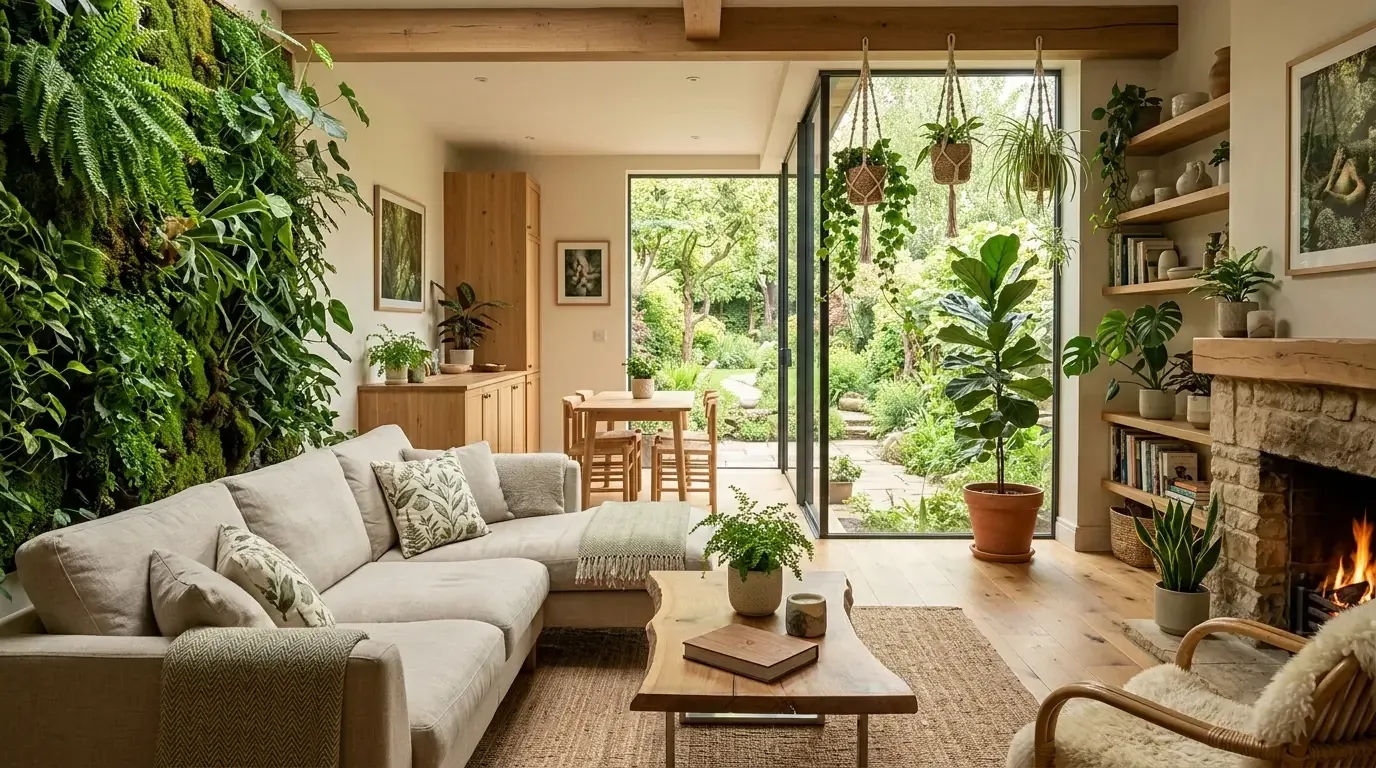
One of the primary decisions homeowners face is selecting materials that balance authenticity, sustainability, and tactile appeal. The first question we ask is: what materials will age well and resonate with regional character? In 2026, the focus is on refined, natural finishes like rift-sawn white oak and reclaimed woods, which provide warmth and durability. The American Society of Interior Designers emphasizes the importance of tactility and sustainability, so choosing low-VOC finishes and FSC-certified materials is key. Polished concrete. Strong and comfortable, handles heavy foot traffic.
Avoid glossy finishes. They can feel fake. Go for matte or satin. Soft light, texture looks great. Custom plaster, low-iron glass. Minimal upkeep, quiet luxury. Choices fit the area. Subtle luxury, ages well, fits in. Tricky to mix modern with local vibes. Picking materials, informing clients is key.
The Role of Technology in 2026 Luxury Interiors
The second decision often revolves around integrating technology seamlessly into the design. The first question we ask is: how can technology enhance comfort without disrupting the aesthetic? Smart homes in 2026. Lighting, temperature, security integrated quietly. The use of the National Kitchen and Bath Association guidance on integrated appliances and hidden wiring ensures that technology feels like a natural extension of design rather than an afterthought.
Voice lights, automated shades. These work without standing out. Blend high tech with warm style. That's the ticket. Visible tech distracts. Keep it calm. We prefer sleek, app-controlled tech hidden in walls or cabinets. This keeps the luxe vibe while meeting 2026 user expectations.
Furniture Styles Trending in 2026 Luxury Interiors
The third decision involves selecting furniture that aligns with contemporary luxury’s emphasis on simplicity and comfort. The first question we ask is: what styles will provide timeless appeal and adaptability? In 2026, trending furniture favors sculptural, streamlined forms with soft curves and natural materials. Think custom upholstered pieces in neutral tones with minimal ornamentation, paired with slim-profile wood tables and integrated storage solutions.
B&B Italia’s influence, along with work from local artisans, leads with sustainable furnishings. Modern. Craft-focused. Think warm woods and matte feels. Avoid large or highly decorative items. Go for versatile, quality items. Aim for a relaxed vibe. Pay attention to scale and subtle details to create luxury. Comfort's key.
Designers and Architectural Features Leading the 2026 Luxury Scene
Leading designers are blending innovation with regional character, emphasizing regional materials and sustainable practices. The first question we ask is: who is shaping the future of luxury design? By 2026, Sarah Robertson and firms doing sustainable regional work will shape trends. Picture big windows. Open floors. Subtle ceiling work. Adds height. Features such as skylights, integrated beams, and floor-to-ceiling glazing are popular for maximizing natural light and visual connection to landscape.
In Sacramento, we keep it simple. Modern, yet respectful of old structures. Keep ornamentation minimal. Focus on clean lines. Grab some reclaimed wood. Use low-impact finishes. Stay green. These decisions lead to a simple luxury that’s modern and local.
How Sustainability Continues to Influence 2026 Luxury Interiors
Sustainability remains a core principle in 2026 luxury interiors. The first question we ask is: how can we incorporate eco-friendly practices without compromising luxury? We should source FSC woods, low-VOC paints, durable materials in Sacramento. The American Society of Interior Designers emphasizes that sustainable design is not only about materials but also about energy efficiency and indoor air quality.
Consider solar skylights and smart tech to keep things green. Indoor and outdoor spaces blend nicely here. Reduces energy, boosts living. Folks want stylish spaces that match their green values these days. Sacramento's into resilience, eco-friendly luxury. So, sustainability fits right in.
Observed Failure Modes We See in the Field
From our project debriefs and post-occupancy reviews, 2023-2026.
Ignoring the Root Cause
One common failure we see is homeowners focusing on surface-level fixes without diagnosing the underlying issue. Address the main problem, not just the cabinet. A warped door could mean issues with moisture or poor ventilation. Overlooking this can drain your budget. Evaluate space carefully with tools like light meters and site photos. Understand problems before spending on big fixes. A strategic diagnosis saves thousands and ensures longevity for luxury interiors.
Overloading on Technology
Another failure pattern is overloading spaces with visible, bulky tech that disrupts the aesthetic. Folks want tech but get tangled cables instead, ruining that chic vibe. The American Society of Interior Designers emphasizes discreet integration, so the lesson is to embed technology into cabinetry or walls and use hidden control systems. Keep 2026 luxury calm and clever with hidden tech.
Choosing Trend-Driven Materials
Using materials that are trendy but lack durability or regional authenticity can lead to quick obsolescence. Glossy finishes look nice initially but don’t age well. Opt for authentic, eco-friendly materials. They wear well and suit the area. A timeless space keeps its value in Sacramento’s shifting market.
Neglecting Regional Context
Designs that ignore regional climate, landscape, and architectural context risk feeling out of place or impractical. Dark decor can feel outdated under Sacramento’s bright sun. The first question we ask is: does this design reflect the regional light and landscape? Choose light tones and natural textures. Stick to simple shapes. Designs that resonate with the area feel genuine and enduring.
Underestimating the Importance of Light
Many projects suffer from poor lighting design, which can make even luxurious spaces feel dull or oppressive. A dim room often lacks enough natural light or has bad lighting. The cure is to incorporate large windows, skylights, and layered lighting with dimmable LED fixtures, as recommended by the NKBA. Good lighting makes textures pop and spaces more inviting. Sacramento's great for using natural light, thanks to its sunny skies.
What's Going Out for 2026
- Bright, saturated colors with high contrast
- Overly glossy or plastic finishes
- Bulky, traditional furniture styles
- Obvious high-tech displays and gadgets
- Heavy ornamentation and intricate moldings
- Dated materials like laminate countertops
- Bright white walls with no warmth
- Overuse of synthetic fabrics
What This Costs in 2026
| Scope | Typical range |
|---|---|
| Refresh scope including new finishes and lighting | $70K-$150K |
| Mid-tier renovation with custom cabinetry and tech integration | $200K-$400K |
| Estate-scale overhaul with structural updates and high-end finishes | $600K-$1.2M |
Working Notes
What We Have Learned Doing This: Contemporary Luxury Interior Design: A Designer's Guide to the 2026 Look
“The best money spent on a renovation is spent before it starts.”
The cheapest tool on any project is a sample board and an afternoon. We have watched five-figure mistakes get caught by a fifteen-dollar paint sample lived with for a week in the actual light of the actual room. Decisions made under showroom lighting do not survive contact with a real house.
Most of the money that gets wasted is spent solving the wrong problem confidently. A homeowner asks for more space, every contractor agrees and prices an addition, and the real issue turns out to be light, or proportion, or one bad sightline. We make the room tell us the problem before anyone signs a demolition contract.
A renovation is a dependency chain, not a list of tasks. A two-day cabinet delay quietly becomes a two-week slip by week sixteen because every trade downstream is holding a calendar. The least glamorous part of this work, and the most valuable, is keeping that chain from cascading.
These notes come from our own project debriefs. Most were learned the expensive way the first time.
Sources & Professional References
This guide's positions on materials are grounded in published building-code, standards, and recognized design-authority sources, alongside Designed | Curated Interiors' verified credentials and active project files:
- American Society of Interior Designers (ASID): interior-design practice standards
- International Code Council (ICC): Chapter 8 Interior Finish Decorative Materials And Furnishings
- NKBA, Amy Kunst Member Profile (verified credential, NKBA Committee Member)
- Featured in: Homes & Gardens (design expert quote, May 2026) · Sacramento Love (guest author, 2024)
From Principle to a Real Room
A trend piece is the briefing document, not the deliverable. The pages below show how we translate these principles into finished rooms across Sacramento and the rest of Northern California.
- Sacramento & Bay Area Interior Design Services How we scope, source, and deliver work end to end.
- Interior Designer Hub, Sacramento Where most of our Sacramento work lives, the regional fit explained.
- Modern Tudor Homes: Authentic, Revival, and Neo-Tudor (A Designer Reference) Heritage-architecture renovation patterns from our project files.
- Japandi Living Room: A Designer's Guide to the 2026 Look The 2026 warm-neutral playbook applied to the living room.