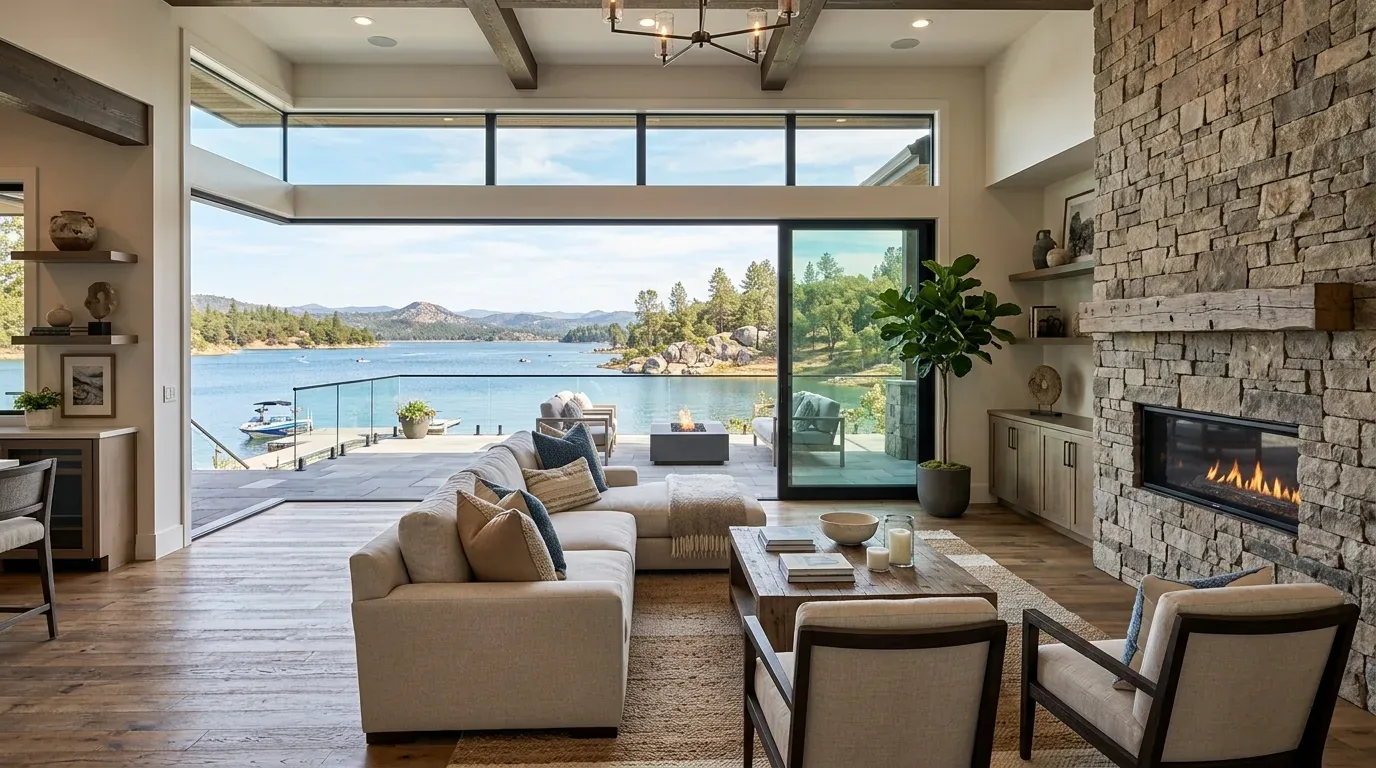
Design these areas for both style and use. Keep it inviting and modern for the commons. Think clean lines. Neutral colors help interaction, versatile materials support use.
Built from our active project files, this post will explore key design principles, material choices, and real-world examples specific to campus commons areas. We’ll also discuss how to maintain a warm, welcoming environment while meeting the demands of high-traffic student spaces, all within budget considerations that make sense for campuses in Sacramento and beyond. Our perspective is rooted in a warm restraint approach, ensuring the space remains timeless and practical amid evolving trends.
Common Questions
| What are the key features of contemporary interior design for a campus commons? | Use flexible furniture and materials that fit well, not just clean lines. |
| How can I ensure durability and safety in a contemporary campus commons? | Choose strong finishes and tough furniture, look for slip-resistant floors to avoid wear. |
| Why is minimalism important in contemporary campus commons design? | Minimalist spaces don't clutter, allowing many uses. It's perfect for social spots. |
| What materials are recommended for a contemporary campus commons? | Low-VOC paint with white oak flooring is a tough, eco-friendly choice. Choose recycled metals. |
Contemporary Interior Design Campus Commons 2026 at a Glance
| Element | In | Out |
|---|---|---|
| Design Aesthetic | Streamlined forms and minimalist aesthetics | Overly ornate details and cluttered designs |
| Color Palette | Neutral color palettes with accent textures | Dark, saturated color schemes |
| Materials | Flexible, durable materials suited for high traffic | Fragile or high-maintenance materials |
| Layout | Open, communal layouts promoting social interaction | Closed-off, segmented spaces |
| Lighting & Technology | Integrated technology and lighting solutions | Sole reliance on traditional lighting |
| Functionality | Focus on comfort and accessibility | Designs that hinder social flow |
Prioritizing Simplicity and Flexibility in Contemporary Commons
The first major move in contemporary campus commons design is embracing simplicity through clean, uncluttered lines and minimal ornamentation. Spaces feel open with varied uses. Arrange for small groups or study areas. Across our active project specifications, we often specify white oak flooring for its warmth and durability, paired with sleek metal fixtures from brands like Menu or Muuto, which lend a modern yet approachable feel. Matte powder coating keeps metal finishes looking new longer.
Install flexible lighting. Use movable furniture. Ensure commons adapt to different uses without chaos. Finding the balance between looks and toughness means using hard-wearing materials. Aim for a space that's welcoming and flexible, right for its community.
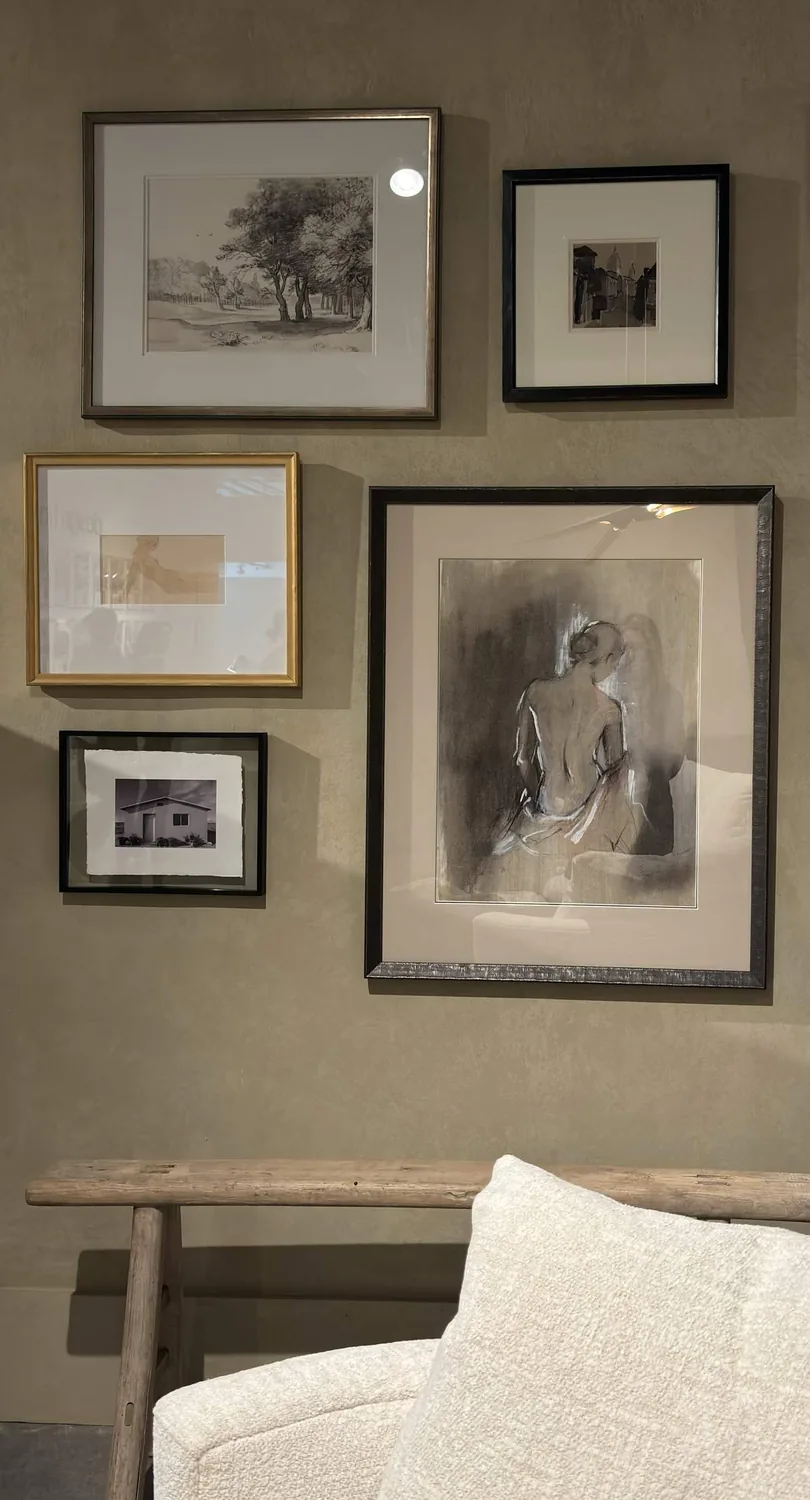
Material Specificity for a Contemporary Campus Commons
Authenticity-grade materials
- White oak (rift-sawn), for floors and slat details; calmer grain than plain-sawn
- Powder-coated metal, for fixtures and furniture frames, offering durability and sleekness
- Low-VOC matte paints, for walls and ceilings that resist fingerprints and wear
- Reclaimed wood, for accent elements, adding warmth and sustainability
- Polyester or polypropylene upholstery, for seating, combining comfort with stain resistance
- Ceramic tiles with matte finish, for high-traffic zones like entryways and communal tables
- LED lighting fixtures, energy-efficient, long-lasting, and adaptable for different zones
- Glass partitions, for open sightlines without noise disruption
Generic-grade tells we refuse to spec
- Standard laminate surfaces, prone to scratches and wear
- High-gloss finishes, show fingerprints and scratches easily
- Non-recycled materials, less sustainable and often lower quality
- Fragile fabrics, difficult to clean and maintain
- Traditional incandescent lighting, less energy efficient
- Plastic furniture, less durable and less visually refined
Why Contemporary Design Works Well in Campus Commons, Sacramento and Beyond
In Campus Commons, contemporary interior design aligns perfectly with the area's modern architectural stock and landscape. Open areas with lots of light suit minimal, clean contemporary lines. They feel more open. Neutral tones work well with all the sunlight Sacramento gets. Use natural materials. Go for commercial-grade flooring. Low-VOC paints help too. They hold up under heavy use. Reclaimed wood? Always a good call around here. Recycled metals, too. They fit the eco vibe. Our Sacramento-based design team has successfully integrated these principles into several recent projects, ensuring the spaces feel fresh yet timeless, functional yet welcoming. Warmer weather here means simple lines suit the space. Keeps it functional for students.
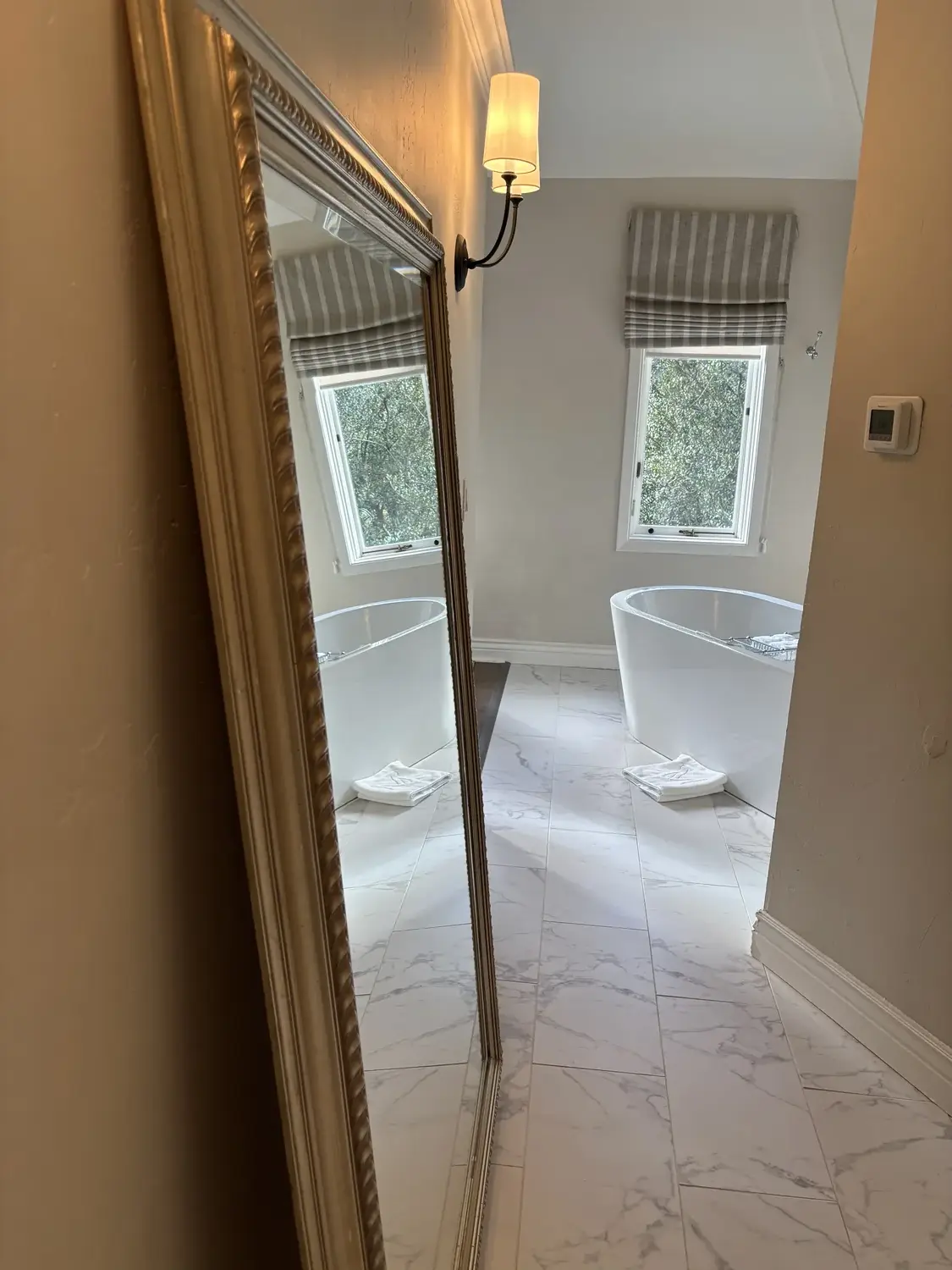
How to Choose the Right Fixtures and Furniture for a Contemporary Campus Commons
Deciding on fixtures and furniture that embody contemporary style while standing up to daily use is crucial. The first question we ask is: what size and scale will serve the space best? Flexible seating works best. Modular sofas, stackable chairs. Check Muuto and Blu Dot. LED lights? Flos or Artemide. They save energy and look good. Pick what's durable. Choose easy-clean furniture for busy areas. Go with polyester or polypropylene for fabric. Both resist stains. Comfort is key. Keep it sleek to match the contemporary vibe. A 36-inch table is for small groups. Bigger crowd? Go 48-inch. Get your sizing right. Social flow matters in shared spaces.
Sizing and Specification Guide for Commons Furniture and Fixtures
Choosing the right dimensions for furniture and fixtures in a campus commons involves understanding how space functions. Lounge chairs, wide: 24-28 inches. 36x72 inches makes a good communal table size. Space LED lights 8-10 feet apart. 600-800 CFM for basic light spread. 36-inch range hood fits a student kitchen just fine. 400-600 CFM does the job. Adjustable task lighting. You want versatility in learning spaces. Specs keep the place working well and looking good. Important for both social hangouts and study times.
Custom vs. Stock: Making the Right Investment
In campus commons, the decision between custom and stock furniture and fixtures hinges on budget, timeline, and desired durability. Wayfair and IKEA save money. But maybe not for heavy-use spots. Custom millwork or local fabrication means high quality but expect longer waits and more expense. Custom bench: $2,500, lasts longer. Stock option: $1,200, less durable. The American Society of Interior Designers emphasizes evaluating life-cycle costs: investing in quality furniture reduces replacement frequency and maintenance costs over time. Focus on areas with heavy use. Custom, sturdy pieces make sense here. Pay more now, get longer life.
Timeless or Trendy: What to Pick for Longevity
The core question is whether to embrace the latest trends or opt for timeless design. Avoid trendy finishes. They date fast. Stick with classic shapes and neutral colors. Matte metals or natural woods age well. Leave room for future changes. The American Institute of Architects suggests making spaces adaptable, so updates fit right in. Neutral gray walls. Versatile furniture. Change accents easily with new textiles or art. Design spaces to stay current, but not tethered to trends. They should feel welcoming for years.
Observed Failure Modes We See in the Field
From our project debriefs and post-occupancy reviews, 2023-2026.
Choosing Fragile Materials for Heavy Use
One common failure is specifying delicate materials like high-gloss finishes or fragile fabrics that cannot withstand the daily wear and tear of a campus commons. Cheap materials wear out fast. Chipped surfaces and stained seats come next. This means lots of costly fixes or new buys. It drains appeal and funds. Use industrial finishes. Matte paints and commercial fabrics fight off scratches and stains. Always test materials in high-use zones before committing, and remember the American Society of Interior Designers’ guidance on durability in communal spaces.
Overlooking Accessibility and Flexibility
Another mistake is designing without considering diverse user needs. Commons need to be accessible and adaptable, or they're less useful and might break local codes. Tight spaces? Bad call. Furniture blocking paths? People get annoyed. Use universal design. Everyone should reach seating, lighting, and tech. Adjustable tables and clear views make everyone feel included. Furniture that changes lets the space fit different events. Spaces planned without flexibility miss their mark. Static designs in campuses fall flat.
Ignoring Maintenance and Upkeep Costs
Many projects go wrong when designers specify materials or fixtures without considering long-term maintenance. Bad finishes lead to costs. Easy-stain fabrics? They bring headaches. A trendy choice needing special cleaning adds up. It's a hidden expense. Go for durable materials. Polyester and porcelain give you durability and easy care. The American Society of Interior Designers emphasizes evaluating total cost of ownership when selecting fixtures for high-traffic communal spaces, preventing costly surprises down the line.
What's Going Out for 2026
- Overly ornate or complex designs that hinder social flow
- Fragile, high-maintenance materials in high-traffic zones
- Dark, saturated color schemes that absorb light
- Heavy, fixed furniture that can't adapt
- Overly bright or dim lighting that creates discomfort
- Ignoring accessibility in furniture and layout
- Trendy finishes that quickly look dated
- Poorly scaled furniture that clutters or underwhelms
What This Costs in 2026
| Scope | Campus Commons / Bay Area | Sacramento |
|---|---|---|
| Basic refresh with durable finishes and standard furniture | $70K-$130K | $50K-$100K |
| Mid-tier overhaul with custom millwork and integrated tech | $130K-$250K | $100K-$200K |
| Comprehensive, estate-scale renovation with high-end finishes | $250K-$500K | $200K-$400K |
Local permits & planning
Working Notes
What We Have Learned Doing This Work
“The schedule is a design decision. Treat it like one.”
Bad taste isn't the enemy. It's boring stuff like delays that keep me up. Issues: wrong sequence, hidden moisture, ad-libbed circuits, mismatched frames. Yes, looks count, that's why clients need designers. But how we execute? That's what makes or breaks a project.
A renovation isn't just ticking off tasks. It's a chain, one part relying on the previous. A two-day cabinet delay quietly becomes a two-week slip by week sixteen because every trade downstream is holding a calendar. The unglamorous part? Stopping that chain from falling apart. That's where the value is.
Start with ordering long-lead items. Set up the sequence so work can keep going while they ship. The appliance, the stone, the custom millwork set the schedule, and pretending otherwise is how a project loses a month it never gets back.
These notes come from our own project debriefs. Most were learned the expensive way the first time.
Sources & Professional References
This guide's positions on materials are grounded in published building-code, standards, and recognized design-authority sources, alongside Designed | Curated Interiors' verified credentials and active project files:
- American Society of Interior Designers (ASID): interior-design practice standards
- International Code Council (ICC): Chapter 8 Interior Finish Decorative Materials And Furnishings
- NKBA, Amy Kunst Member Profile (verified credential, NKBA Committee Member)
- Featured in: Homes & Gardens (design expert quote, May 2026) · Sacramento Love (guest author, 2024)
From Principle to a Real Room
A trend piece is the briefing document, not the deliverable. The pages below show how we translate these principles into finished rooms across Campus Commons and the rest of Northern California.
- Sacramento & Bay Area Interior Design Services How we scope, source, and deliver work end to end.
- Interior Designer Hub, Campus Commons Where most of our Campus Commons work lives, the regional fit explained.
- Campus Commons Interior Designer: A Local Design Guide Find the top interior designers serving Campus Commons, understand regional styles and materials, view local projects, and get expert tips t
- Kitchen Remodel in Campus Commons: A Designer's 2026 Guide Explore current kitchen remodeling trends in Campus Commons, including design styles, costs, sourcing options, and real project stories to h