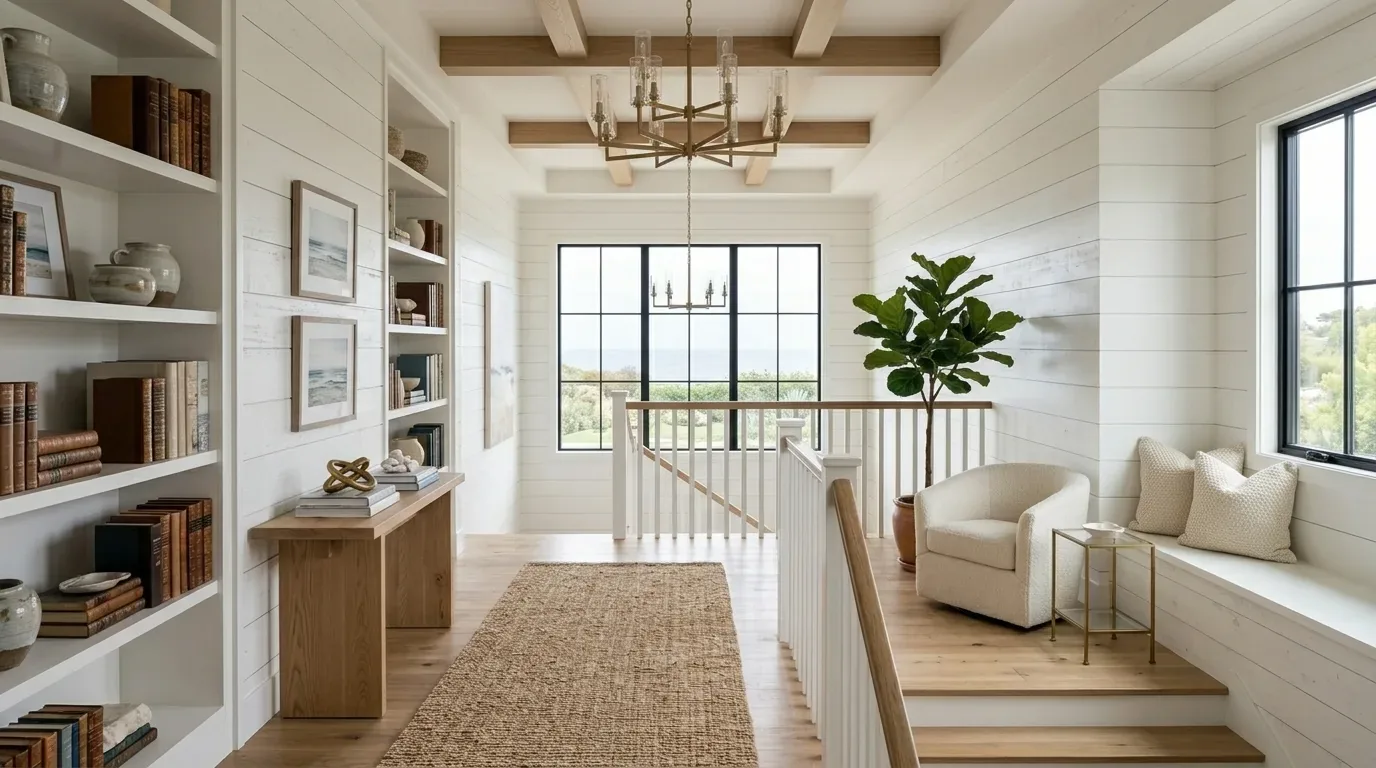
By 2026, offices and shops should weave in tech right from the start. Go green with materials; make spaces that shift on a dime. That's key for future business needs. Businesses now want flexible spaces that are good for the planet.
Our projects for 2026 reveal new patterns. These include color and material changes, tech updates, and what works specific to Sacramento's and Marin's local styles. We’ll also provide expert predictions to help you stay ahead of the curve and avoid common pitfalls in your design decisions.
Common Questions
| What are the emerging commercial interior design trends for 2026 in Sacramento? | Adaptable rooms are key now. They thrive on green materials and smart tech. |
| How does Sacramento's regional climate influence 2026 commercial interior design choices? | Using reclaimed wood fits Sacramento's bright spaces. It pairs well with varied building styles. |
| What sustainable materials are expected to be popular in Sacramento's commercial interiors in 2026? | Pick low-VOC paints. Use recycled wood. Less fuss, healthier air with these. |
| How can designers future-proof commercial spaces in Sacramento for 2026? | Flexible plans and green materials help. They allow spaces to shift as business needs change. |
Embracing Adaptability with Smart, Sustainable Materials
In 2026, commercial spaces are shifting toward adaptability driven by technology and eco-consciousness. Designs pivot towards using adaptable and green materials now. Think reclaimed wood for warmth and character, low-VOC paints for indoor air quality, and biodegradable composites for surfaces that reduce environmental impact. Designs now prioritize choices that last and support health.
Imagine wall finishes that shift color with a tap, or floors reacting to footsteps. Digital integration is in. Pick materials that adapt and are green. No constant remodels needed. Tarkett and Armstrong offer solid flooring for busy offices.
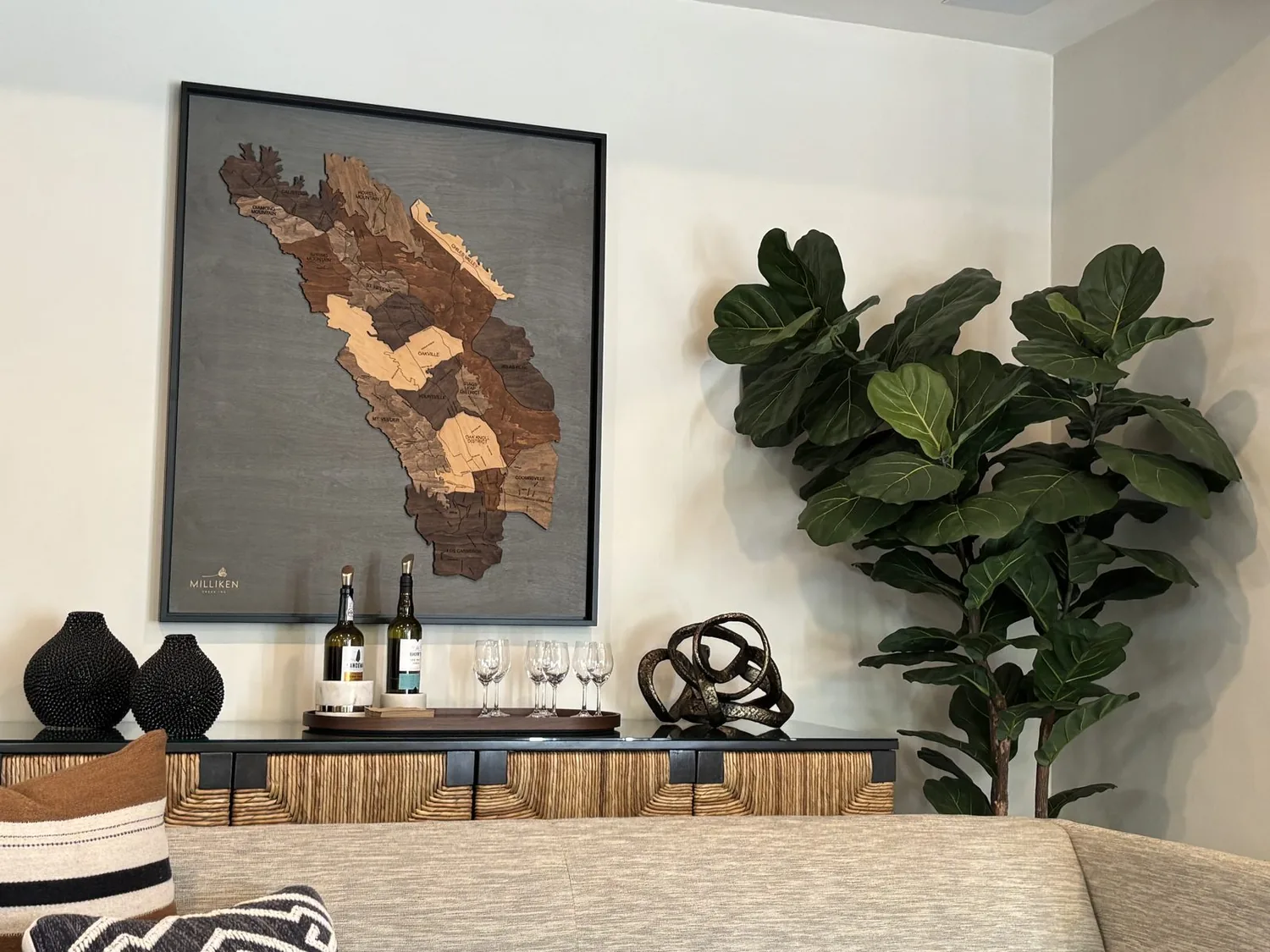
Material Specificity for 2026 Commercial Interiors
Authenticity-grade materials
- Reclaimed oak (rift-sawn), for floors and feature walls; calmer grain than plain-sawn, adds warmth
- Low-VOC paint, improves indoor air quality and supports sustainability goals
- Bamboo composites, fast-growing, renewable, versatile for panels and furniture
- Recycled metal finishes, for fixtures and hardware, durable and eco-friendly
- Terrazzo with recycled aggregate, resilient, customizable, and environmentally conscious
- Porcelain tiles, high durability, low maintenance, wide design options
- Cork flooring, natural, sound-absorbing, renewable
- Reclaimed brick, adds texture and historic character
Generic-grade tells we refuse to spec
- Standard laminate flooring, less durable and less sustainable
- PVC wall coverings, non-biodegradable and chemical-laden
- Non-recycled metal fixtures, environmentally costly
- Acrylic countertops, less eco-friendly and less durable
- Synthetic carpets, challenging to recycle and maintain
- Low-quality veneers, prone to damage and wear
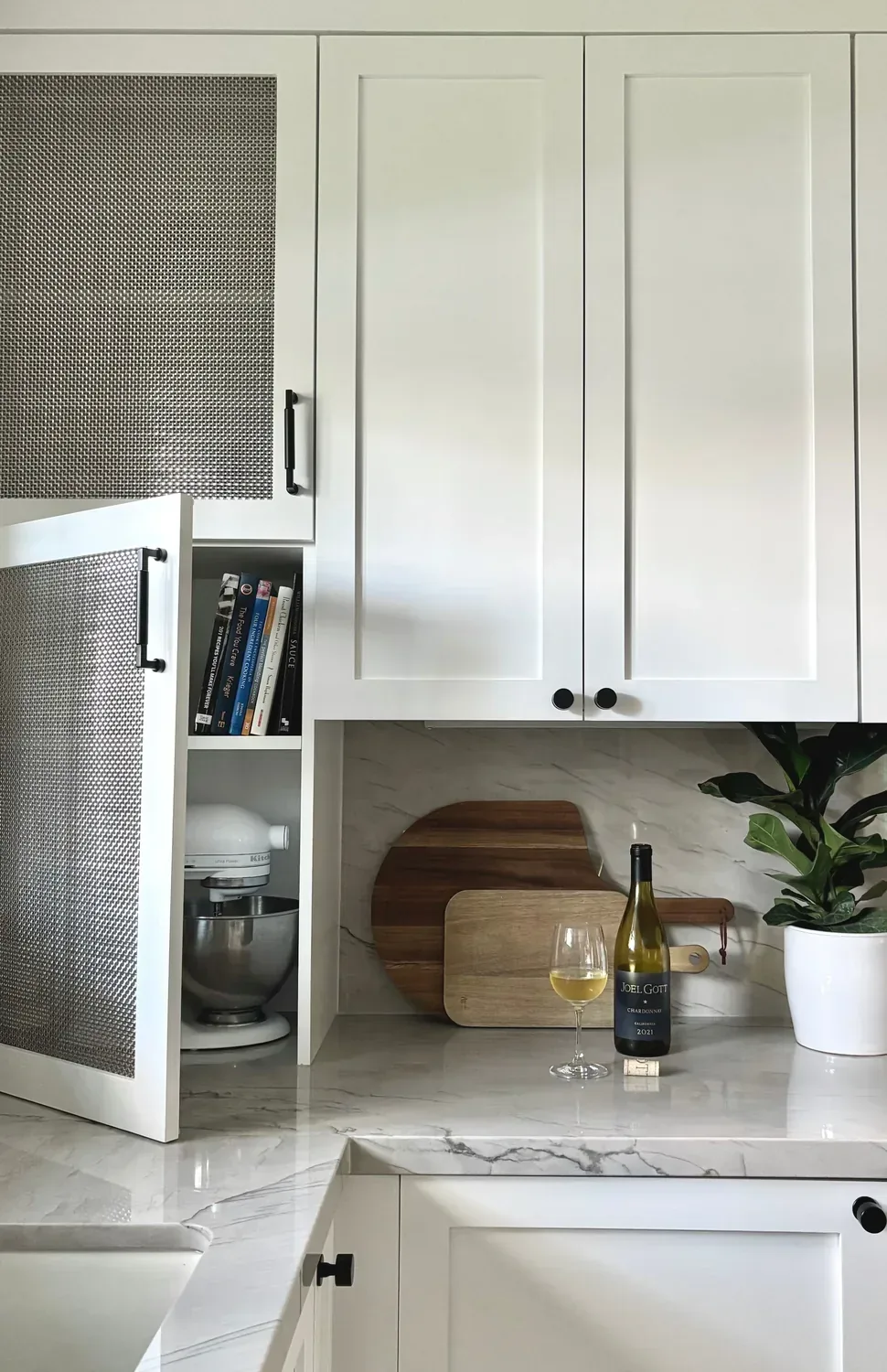
Should You Remodel or Rebuild Your Commercial Space in 2026?
Owners in Sacramento face a tough choice: remodel or start fresh. First, assess your space's age and your goals. If a building's still solid but dated, embrace flexible and eco-friendly updates. Old buildings missing insulation or accessibility features might need a full rebuild.
It's crucial to evaluate permit requirements early. The Sacramento permit portal provides guidance on what’s needed for different project types. Bring a measuring tape. Research permits. Know exactly what you're dealing with. Renovations sometimes become rebuilds with unexpected finds. Budgets can double or worse.
ROI, future use, and local rules guide the decision. In Sacramento, remodels are common if the structure’s strong.
What This Costs in 2026
| Scope | Typical range |
|---|---|
| Refresh scope including new finishes, lighting, and fixtures | $50K-$125K |
| Mid-tier overhaul with new partitions, custom millwork, and tech upgrades | $125K-$350K |
| Full rebuild with structural changes, high-end finishes, and integrated smart systems | $350K-$1.2M |
Working Notes
What We Have Learned Doing This: Commercial Interior Design Trends: A Designer's Guide to the 2026 Look
“What survives the punch list is what was drawn clearly.”
Think ten years ahead, not just the photos. Good work is quiet, sturdy, maybe a bit dull at installation.
Eventually, bad taste fears fade. We fear delays, missteps in sequence, hidden moisture, improvising electricians, and off-mark framing. Aesthetics still draw clients, but execution is key for realizing the design.
The cheapest tool on any project is a sample board and an afternoon. We have watched five-figure mistakes get caught by a fifteen-dollar paint sample lived with for a week in the actual light of the actual room. Decisions made under showroom lighting do not survive contact with a real house.
These notes come from our own project debriefs. Most were learned the expensive way the first time.
Sources & Professional References
This guide's positions on kitchen are grounded in published building-code, standards, and recognized design-authority sources, alongside Designed | Curated Interiors' verified credentials and active project files:
- American Society of Interior Designers (ASID): interior-design practice standards
- NKBA, Amy Kunst Member Profile (verified credential, NKBA Committee Member)
- Featured in: Homes & Gardens (design expert quote, May 2026) · Sacramento Love (guest author, 2024)
From Principle to a Real Room
A trend piece is the briefing document, not the deliverable. The pages below show how we translate these principles into finished rooms across Sacramento and the rest of Northern California.
- Sacramento & Bay Area Interior Design Services How we scope, source, and deliver work end to end.
- Interior Designer Hub, Sacramento Where most of our Sacramento work lives, the regional fit explained.
- Modern Tudor Homes: Authentic, Revival, and Neo-Tudor (A Designer Reference) Heritage-architecture renovation patterns from our project files.
- Japandi Living Room: A Designer's Guide to the 2026 Look The 2026 warm-neutral playbook applied to the living room.