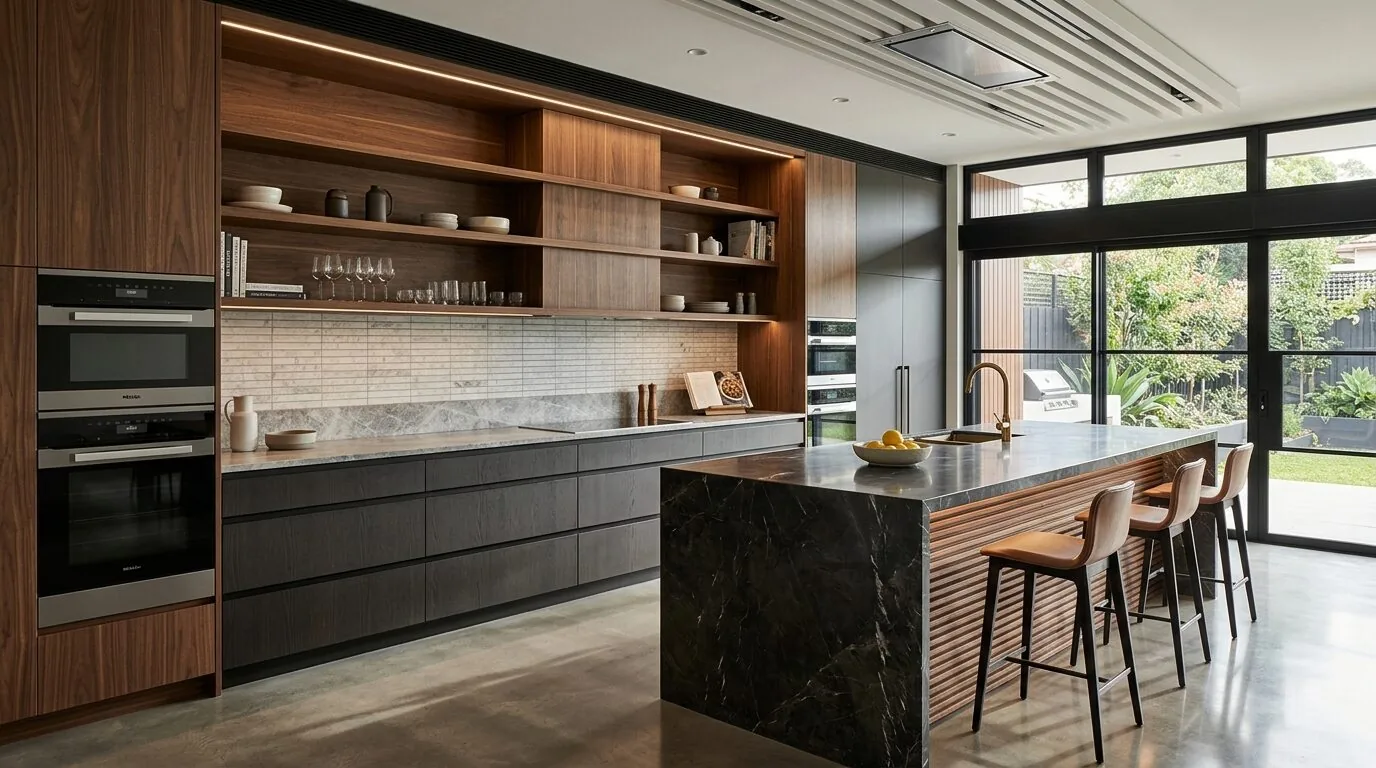
In 2026, clean lines in interior design are evolving into a refined, functional aesthetic that emphasizes simplicity, clarity, and subtle sophistication. Clean lines are now characterized by their restrained elegance, integrating seamlessly into contemporary spaces while maintaining a sense of warmth and approachability. This trend reflects a designer-driven move toward minimalism that prioritizes quality materials and thoughtful detailing over flashy ornamentation.
Built from our active project files, this post explores the emerging trends and applications of clean lines in 2026 interior design. We’ll cover key design moves, material choices, regional influences in Sacramento, and how to avoid common pitfalls, all with a forward-looking perspective that helps homeowners and designers make informed decisions in today’s evolving landscape.
Direct Answers (Clean Lines Interior Design 2026)
| What is the main focus of clean lines interior design in 2026? | In 2026, clean lines interior design emphasizes a refined, functional aesthetic with simplicity, subtle sophistication, and warmth, moving away from stark minimalism. |
| How can I incorporate regional Sacramento influences into clean lines interior design? | Use materials like rift-sawn oak and matte porcelain that harmonize with Sacramento's natural light, landscape, and regional architecture, such as bungalows and ranch-style homes. |
| What are some tips for selecting fixtures that match the clean line trend in 2026? | Choose slim, integrated fixtures finished in matte black or brushed nickel, and opt for built-in appliances and concealed hardware to maintain an uncluttered look. |
| Why is material honesty important in 2026 clean line interior design? | Material honesty emphasizes craftsmanship and natural finishes, creating spaces that feel both sleek and approachable, as seen with cabinetry in matte lacquer or rift-sawn white oak. |
Clean Lines Interior Design 2026 2026 at a Glance
| Element | In | Out |
|---|---|---|
| Design Style | Streamlined cabinetry | Overly ornate details |
| Color Palette | Muted, earthy color palettes | Cluttered surfaces |
| Materials | Integrated storage solutions | Bright, neon colors |
| Lighting | Soft, natural lighting | Heavy ornamentation |
| Furniture Style | Matte finishes | Glossy finishes |
| Decorative Elements | Simple, sculptural furniture | Busy patterns |
| Finish | Material honesty | Excessive decoration |
| Texture | Subtle textural contrasts | Inconsistent material use |
| Space Planning | Layered yet uncluttered spaces | Over-scaled furniture |
Section 1 H2, the first major design move
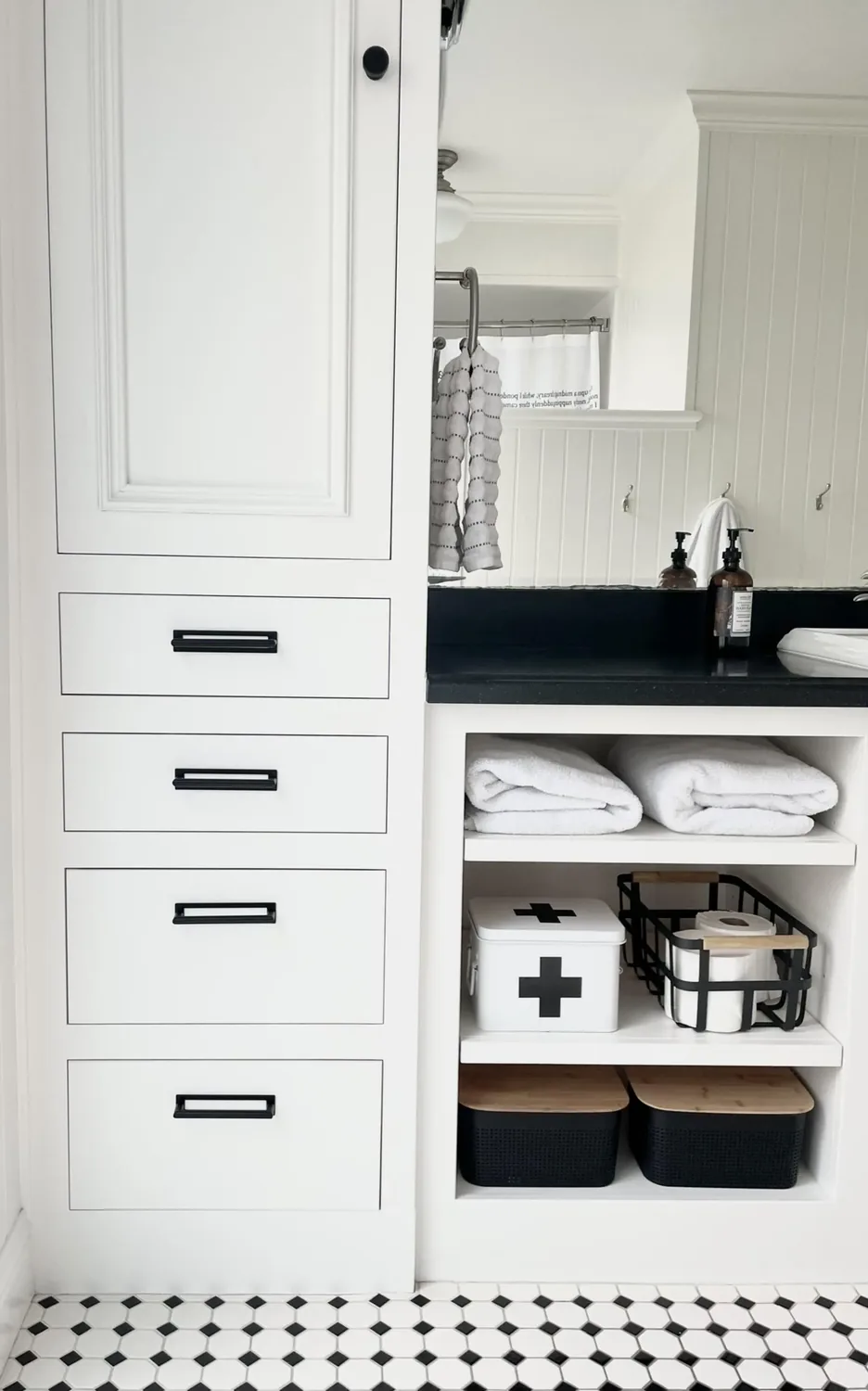
In 2026, the primary shift in clean line interior design is towards a more restrained yet warm aesthetic. Across our active project specifications, we see a move away from stark minimalism towards designs that incorporate soft, natural materials and subtle detailing. For example, cabinetry in matte lacquer or rift-sawn white oak with integrated handles creates sleek, uninterrupted surfaces that feel both modern and approachable.
This design move emphasizes the importance of material honesty and craftsmanship. Brands like Boffi and Poliform are leading the way with cabinetry and furniture that prioritize clean, unembellished forms paired with warm finishes. The goal is to achieve a space that feels uncluttered but inviting, where every element is carefully curated for its function and aesthetic contribution. This approach aligns with the American Society of Interior Designers’ emphasis on creating spaces that are both beautiful and livable, especially in regions like Sacramento where the architectural context favors simplicity and natural light.
Section 2 H2, material specificity
Authenticity-grade materials
- Rift-sawn White Oak, for cabinetry and millwork; calmer grain, less warping over time
- Matte Porcelain, for large-format tiles and countertops; reduces glare and enhances subtlety
- Brushed Nickel or Matte Black Hardware, sleek, non-reflective finishes that complement clean lines
- Linen or Hemp Textiles, for soft furnishings; adds warmth and texture without clutter
- Satin or Matte Paint Finishes, on walls and cabinetry; reduces reflections and emphasizes form
- Concrete or Polished Terrazzo, for flooring; durable, understated, and texturally rich
- Soft, Natural Wool Rugs, for layered textures that don’t overpower the space
- Glass with Minimal Frames, for partitions and cabinetry; maintains visual lightness
Generic-grade tells we refuse to spec
- Laminates with high gloss finish, often too shiny and cheap-looking in modern designs
- Bright, primary-colored paints, distract from the subtlety of clean lines
- Heavy carved wood, conflicts with the sleek, minimal aesthetic
- Overly patterned textiles, detract from the simplicity
- Plastic or synthetic finishes, lack authenticity and can look cheap
- Overly ornate hardware, breaks the clean, unbroken surface language
How do I choose fixtures and products that complement clean lines in 2026?
Choosing fixtures and products that fit the clean line aesthetic involves understanding their size, proportion, and finish. For example, range hoods should be slim, integrated, and finished in matte black or brushed nickel to avoid visual clutter. The first question we ask homeowners is whether they prefer a range hood that is flush with the cabinetry or slightly protruding; this decision impacts both aesthetics and function.
In 2026, the trend favors minimal, built-in appliances and concealed hardware, which maintain the uninterrupted surface language. When selecting products, consider their scale relative to the space. A 36-inch range fits well in a standard kitchen, while a larger 48-inch might overpower smaller rooms. The American Society of Interior Designers emphasizes that well-chosen fixtures should blend seamlessly into the overall design, enhancing functionality without drawing unnecessary attention.
For a balanced look, opt for hardware that is flush-mounted or integrated into the cabinetry. This approach ensures the space remains calm and uncluttered, aligning with the broader trend toward simplicity and material honesty.
What are the sizing and specification considerations for creating a sleek look?
In 2026, sizing and specifications are critical to achieving a sleek, clean-lined interior. For kitchen appliances, standard dimensions include 36-inch wide ranges and 30-inch dishwashers, but custom sizes are often preferred for a seamless look. Ceiling heights of at least 9 feet allow for more proportionate cabinetry and lighting, enhancing the overall sense of space.
Extractor hoods should be proportionate to the cooktop, typically 24 to 30 inches wide, with a depth of 18 to 22 inches to maintain visual balance. The American Institute of Architects recommends considering the CFM rating for ventilation, especially in open kitchens, to ensure efficiency without bulky hardware.
When specifying cabinetry, consider full-height cabinets that extend to the ceiling to create a unified, uncluttered appearance. These details support a minimalist aesthetic while maximizing storage and maintaining visual harmony.
Should I opt for custom millwork or stock solutions in 2026?
Deciding between custom millwork and stock solutions hinges on budget, timeline, and design intent. The trend in 2026 leans toward custom cabinetry for key spaces because it allows precise proportions, integrated hardware, and tailored finishes that enhance the clean line aesthetic. Custom options tend to be more expensive and take longer, often several weeks to months, yet they provide a level of refinement that stock solutions cannot match.
Stock cabinets from brands like IKEA or Wayfair are quicker and more affordable, but they often require modifications or face limitations in achieving true seamlessness. For homeowners seeking a sleek, cohesive look, working with a local fabricator or cabinet shop can deliver high-quality, precisely fitted cabinetry that aligns with the clean line principles. The National Kitchen and Bath Association highlights the importance of material and finish consistency in custom projects, which significantly elevates the overall aesthetic and durability.
Ultimately, the choice depends on the desired level of perfection and the budget, but in 2026, the trend favors custom solutions for a truly refined, integrated appearance.
How can I avoid common mistakes that make clean line interiors look cheap or dated?
One common mistake is overusing high-gloss finishes that reflect light and create a busy, less sophisticated look. Instead, opt for matte or satin finishes that soften reflections and emphasize form. Another pitfall is crowding surfaces with decorative accessories or excessive hardware which breaks the sleek surface language. Instead, embrace minimal hardware or handleless designs that maintain visual flow.
Finally, ignoring proportion and scale can lead to a cluttered or awkward space. In Sacramento homes, where walls and ceilings are often uneven, it’s vital to work with custom-sized cabinetry and consider subtle textural contrasts to add depth without cluttering the space. The American Society of Interior Designers emphasizes restraint and material honesty to achieve a timeless, high-end look.
By paying attention to these details, you can create clean-lined interiors that feel both modern and enduring.
Observed Failure Modes, How Clean Lines Interior Design 2026 Goes Wrong
From our project debriefs and post-occupancy reviews, 2023-2026.
Over-ornamentation and excessive hardware
Adding too many decorative elements or hardware details can quickly undermine the clean line aesthetic. It creates visual clutter and distracts from the simplicity of the design. The cure is to select handleless cabinetry or minimal, integrated hardware, and to keep decorative accents to a necessary minimum. In Sacramento, where homes often feature traditional details, the temptation to add ornate hardware is strong, but restraint is key to maintaining a modern, cohesive look.
Glossy finishes that reflect too much light
Glossy surfaces can make spaces look busy and cheap if overused. They tend to highlight imperfections and create glare. The solution is to choose matte or satin finishes on cabinetry and walls. This subtle approach enhances the understated elegance of clean lines and complements natural light, especially in Sacramento’s bright climate.
Ignoring proportions and scale
Using standard-sized cabinets or furniture without regard to space dimensions leads to awkward, out-of-balance interiors. The first step is to measure carefully and consider custom sizing where needed. This ensures that each element fits harmoniously within the space, reinforcing the sleek, uncluttered aesthetic that is central to the trend in 2026.
Choosing trendy materials that date quickly
Materials like overly patterned tiles or bright, primary paints can make a space look dated fast. Instead, opt for timeless, neutral tones and textures that age gracefully. Emphasizing material honesty and subtle contrasts ensures longevity and relevance in Sacramento’s evolving design landscape.
What's Going Out for 2026
- Overly ornate hardware and details
- Glossy, reflective finishes in large areas
- Busy patterns and loud colors
- Heavy ornamentation or carved moldings
- Excessive clutter on surfaces
- Over-scaled furniture that dominates space
- Bright, neon accent colors
- Inconsistent material use that creates visual noise
What Clean Lines Interior Design 2026 Costs in 2026
| Scope | Typical range |
|---|---|
| Refresh scope: new cabinetry hardware, paint, and lighting | $20K-$40K |
| Mid-tier scope: custom cabinetry, integrated appliances, premium finishes | $60K-$120K |
| Estate-scale: full renovation with structural updates and high-end materials | $150K-$400K |
Working Notes
What We Have Learned Doing This: Clean Lines Interior Design: A Designer's Guide to the 2026 Look
“What survives the punch list is what was drawn clearly.”
Order the long-lead items before anything else and design the sequence so the rest of the job can proceed without them. The appliance, the stone, the custom millwork set the schedule, and pretending otherwise is how a project loses a month it never gets back.
Most of the money that gets wasted is spent solving the wrong problem confidently. A homeowner asks for more space, every contractor agrees and prices an addition, and the real issue turns out to be light, or proportion, or one bad sightline. We make the room tell us the problem before anyone signs a demolition contract.
Old houses lie, and so do new ones. Even a ten-year-old house lies the moment you assume the framing sits where the plans say. We stopped trusting old drawings, prior contractor work, and the phrase it should be fine a long time ago. The budget needs a real line for what demolition will uncover, usually 15 to 20 percent once walls start opening.
These notes come from our own clean lines interior design: a designer's guide to the 2026 look project debriefs. Most were learned the expensive way the first time.
Sources & Professional References
This guide's positions on materials are grounded in published building-code, standards, and recognized design-authority sources, alongside Designed | Curated Interiors' verified credentials and active project files:
- American Society of Interior Designers (ASID): interior-design practice standards
- International Code Council (ICC): Chapter 8 Interior Finish Decorative Materials And Furnishings
- NKBA, Amy Kunst Member Profile (verified credential, NKBA Committee Member)
- Featured in: Homes & Gardens (design expert quote, May 2026) · Sacramento Love (guest author, 2024)
Frequently Asked
What is the main focus of clean lines interior design in 2026?
How can I incorporate regional Sacramento influences into clean lines interior design?
What are some tips for selecting fixtures that match the clean line trend in 2026?
Why is material honesty important in 2026 clean line interior design?
Are there common mistakes to avoid when designing with clean lines in Sacramento homes?
From Clean Lines Interior Design 2026 to a Real Room
A trend piece is the briefing document, not the deliverable. The pages below show how we translate these principles into finished rooms across Sacramento and the rest of Northern California.
- Sacramento & Bay Area Interior Design Services How we scope, source, and deliver work end to end.
- Interior Designer Hub, Sacramento Where most of our Sacramento work lives, the regional fit explained.
- Modern Tudor Homes: Authentic, Revival, and Neo-Tudor (A Designer Reference) Heritage-architecture renovation patterns from our project files.
- Japandi Living Room: A Designer's Guide to the 2026 Look The 2026 warm-neutral playbook applied to the living room.