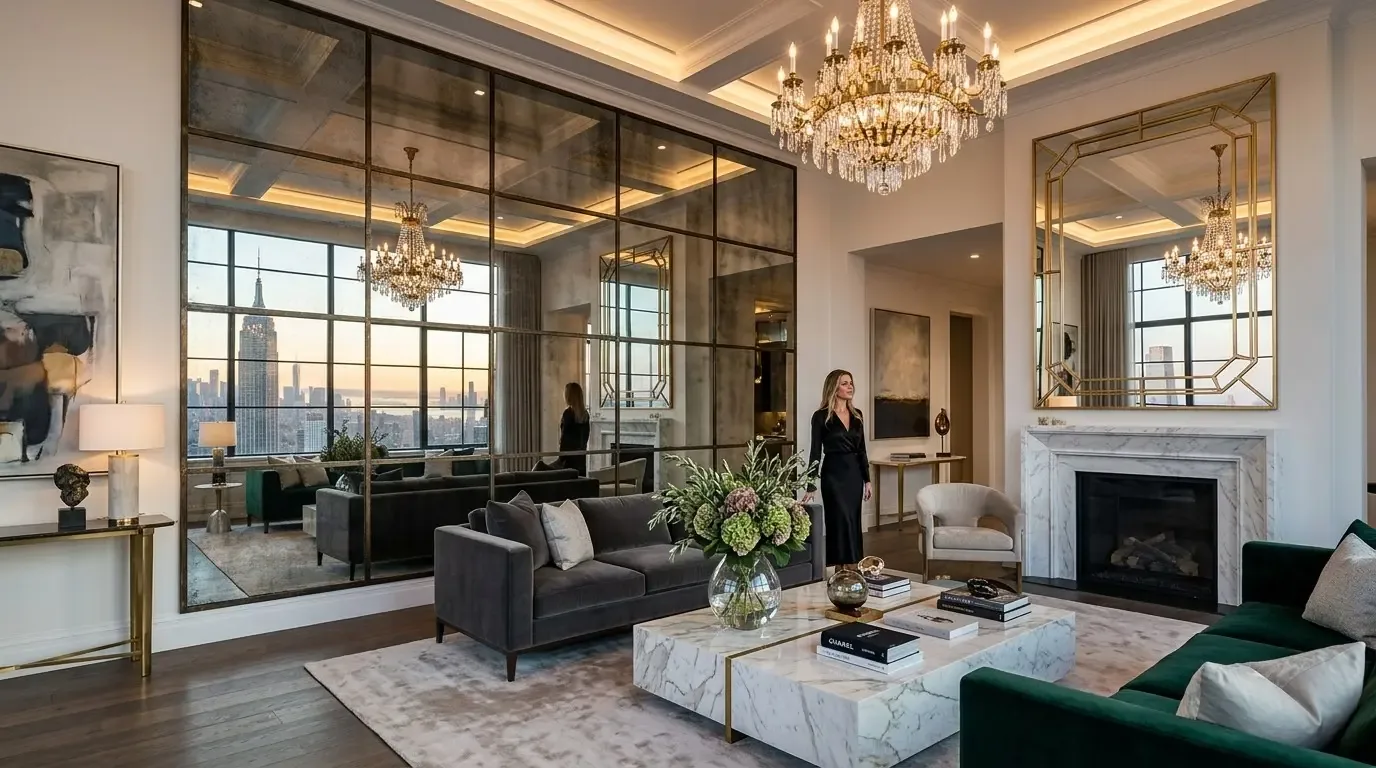
Belgian design shows off a quiet grace and adds a bit of organic appeal. Focus on cozy, lasting Belgian design. Crafted restraint makes Belgian interiors inviting.
Our projects show Belgian interiors rely on specific features: colors, furniture, and history. We will also discuss how to incorporate these elements into your home with a regional perspective rooted in Sacramento’s architectural fabric, all through a warm-restraint, designer-led lens that values subtlety over trendiness.
Direct Answers (Belgian Interior Design)
| What defines Belgian interior design in Sacramento? | Use natural woods and muted colors. Vintage pieces add quiet elegance. |
| How can I incorporate Belgian interior design into my Sacramento home? | Think soft grays and beiges. Use oak or walnut furniture. It keeps the space timeless and curated. |
| Are there specific materials or finishes recommended for Belgian interiors? | Matte-finished woods like oak and walnut. Use limestone or some linen to capture that real feel. |
| What should I consider when choosing fixtures and finishes for a Belgian-style interior? | Pick handmade fixtures. They add charm. They're worth it. They last. Stock's okay if it looks crafted and fits. |
The Art of Understated Elegance
Belgian interior design hinges on a subtle yet refined aesthetic that balances tradition with modern simplicity. Projects show muted tones with top-notch materials. They age well together. Picture soft grays and beiges. Calm, timeless colors that work. Furniture? Clean lines with oak or walnut. Durable and detailed.
We use vintage Belgian or local artisanal pieces. They add history and authenticity. Spaces seem collected over time, not thrown together. Ligne Roset or custom work bring subtle luxury. Pieces should age well and show craft.
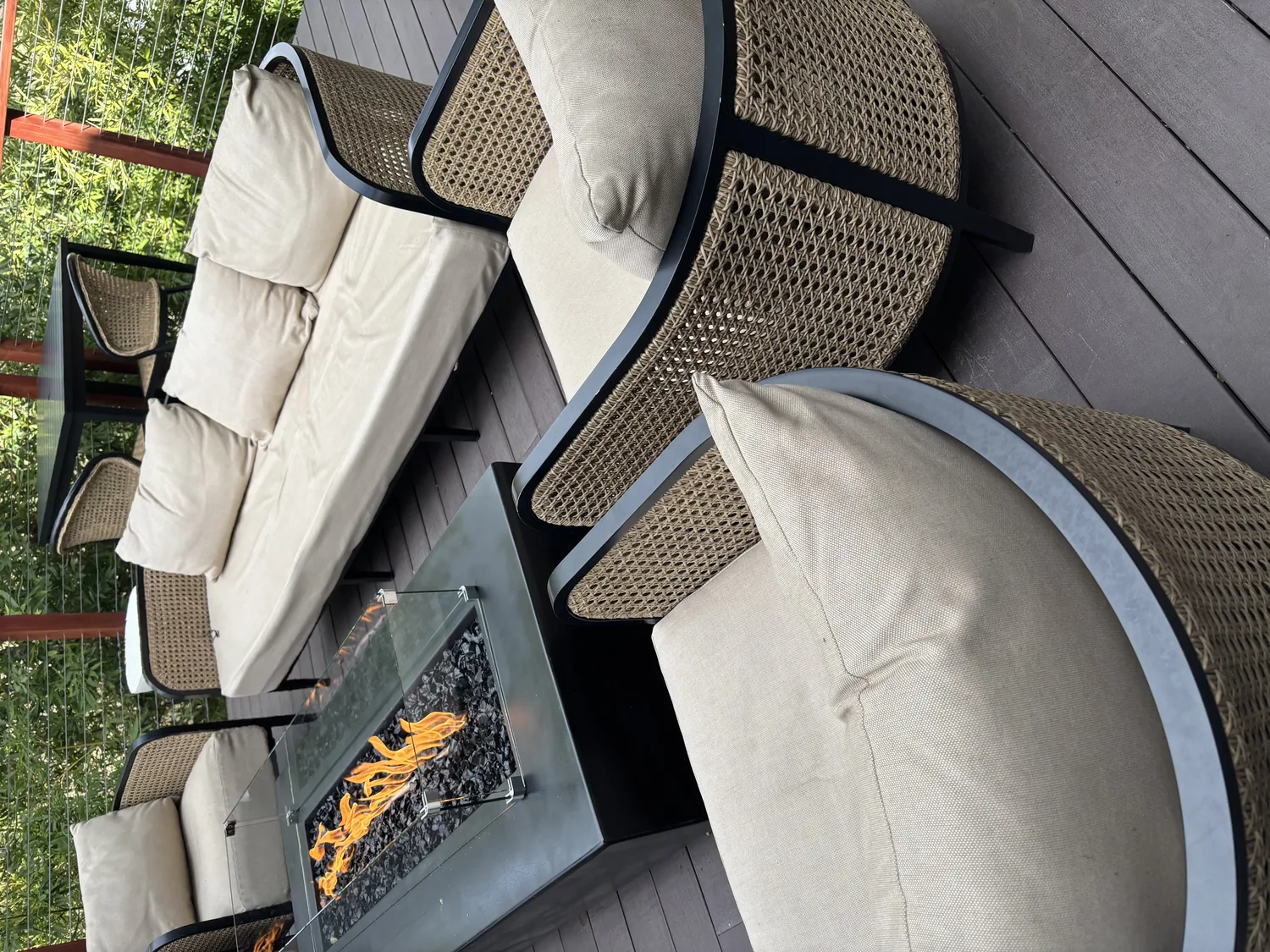
Material Specificity in Belgian Interiors
Authenticity-grade materials
- White oak (rift-sawn), for floors and slat detail; calmer grain than plain-sawn
- Linen, for curtains and upholstery, adding soft texture
- Limestone or limestone-look porcelain, for countertops and backsplashes, emphasizing natural matte finishes
- Brass or aged bronze, for hardware and lighting fixtures, adding subtle warmth
- Reclaimed wood, for accents and furniture, emphasizing craftsmanship
- Muted-colored paints, such as soft greiges, dusty blues, and warm taupe
- Woven textiles, for rugs and throws, adding tactile warmth
- Matte ceramic tiles, for surfaces, avoiding reflections for a calmer look
Generic-grade tells we refuse to spec
- High-gloss finishes, tend to feel cold and modern rather than traditional
- Bright, saturated colors, oppose the restrained Belgian palette
- Plastic or synthetic materials, lack authenticity and aging quality
- Mass-produced furniture, misses the artisanal feel
- Glossy marble or granite, can appear ostentatious and less subtle
- Bright white paint, can feel stark rather than warm
- Overly ornate moldings or trims, clash with the understated aesthetic
Should I choose custom or stock fixtures and finishes?
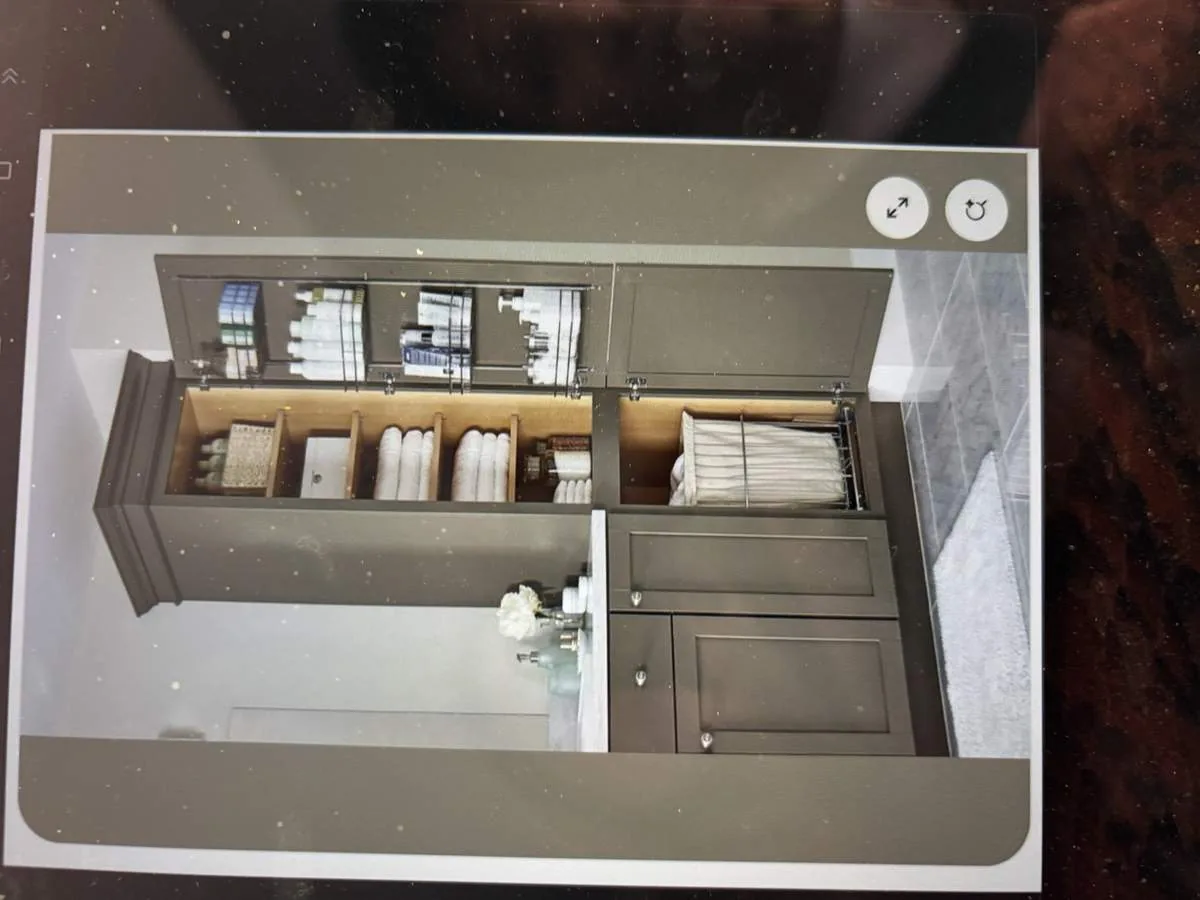
Do you prefer authenticity or sticking to a budget first? Belgian design often means custom pieces. Think handcrafted lights or antique finishes for durability. If you want a curated feel, custom or local items are worth extra money and wait. Wayfair stock options can work if chosen carefully, but detailed Belgian style may be missing.
Balancing choices? Understand your project's scope and outcome first. Mix stock cabinets with custom hardware in mid-tier kitchens. High-end kitchen? Go fully custom with hand-rubbed finishes. Buy with your design goals in mind. Stay clear of generic fixes.
What are the key sizing and material considerations for Belgian design elements?
Pick finishes and dimensions carefully to keep things Belgian. Choose a 36 or 48-inch wide range hood. At least 18 inches deep. CFM should fit the cooking space. Both limestone and matte porcelain work well. Choose 12x12 or 24x24 tiles for a unified look.
Skip shiny finishes. Avoid elaborate designs. Keep it simple. Matte textures, understated profiles. Consider a simple wood island or linen bench. Aim for a warm, layered space. Proper sizing and authentic materials are key.
What are common mistakes that make Belgian interiors look cheap or dated?
Too many trendy knick-knacks? A common error. Stick to quality. Overdoing shiny brass or high-gloss? It just fights with Belgian subtleties. Bright, loud colors? They'll ruin the calm Belgian vibe. Fake wood and poly-blend linens? They scream inauthentic. Stick with real textures. Quiet simplicity is key. Every element should have its own quiet charm.
Observed Failure Modes, How Belgian Interior Design Goes Wrong
From our project debriefs and post-occupancy reviews, 2023-2026.
Overly Ornate or Trend-Driven Decor
Homeowners often believe that adding ornate moldings or shiny fixtures will elevate the space, but in Belgian design, too much ornamentation quickly makes the room feel cluttered and less authentic. Gilded mirrors or too much sparkle? They jar with Belgian simplicity. The room ended up looking like a theater set, not refined. Quality and detail matter more than unnecessary items. Belgian design prizes purpose over clutter. Choose pieces thoughtfully.
Ignoring the Importance of Natural Materials
Many homeowners overlook the impact of natural, aged materials that are central to Belgian interiors. For the Tronkeel Project, the homeowners picked shiny quartz counters, thinking they’d be easier to clean. The kitchen ended up feeling cold. Too clinical, reflections everywhere. Matte and weathered woods add depth and feel right. Matte finishes require upkeep, but they develop character over time.
Poor Proportioning and Sizing
One frequent mistake is misjudging the scale of fixtures, furniture, or architectural details. In Elkhorn, that big farmhouse sink made it feel tight. Oversized lights? They take over instead of blending in. Get out the tape. Use story poles too. Proportions must fit, balance each element. Belgian design finds balance in harmony. Don't lose it with wrong sizes.
Choosing the Wrong Palette
Bright, saturated colors or overly trendy hues can quickly date a space. A deep navy wall? It felt heavy, not modern Belgian. Soft, quiet tones bring out Belgian style's calm nature. Stick with colors that suit natural materials. It makes a space feel layered.
Neglecting Craftsmanship and Texture
Using mass-produced, low-quality materials or neglecting texture can undermine the authenticity of the style. Fake linen on chairs ended up looking cheap. The real stuff feels warmer. Belgian interiors love texture: think handmade ceramics, aged wood. Quality handmade pieces? They bring genuine depth and Belgian character.
What's Going Out for 2026
- Overly shiny or glossy finishes
- Bright, saturated wall colors
- Mass-produced furniture lacking craftsmanship
- Over-accessorizing with trendy decor
- Heavy ornamentation or gilded accents
- Faux or synthetic materials that appear cheap
- Using modern minimalism without warmth
- Ignoring natural textures and aged finishes
What Belgian Interior Design Costs in 2026
| Scope | Typical range |
|---|---|
| Refresh scope (paint, accessories, minor updates) | $30K - $70K |
| Mid-tier renovation (new cabinetry, flooring, fixtures) | $70K - $200K |
| Estate-scale project (full remodel, custom millwork) | $200K - $1M+ |
Working Notes
What We Have Learned Doing This: Belgian Interior Design
“A finish you cannot maintain is a finish you cannot afford.”
A renovation's more like a chain of dependencies than just task lists. A two-day cabinet delay quietly becomes a two-week slip by week sixteen because every trade downstream is holding a calendar. The least glamorous part of this work, and the most valuable, is keeping that chain from cascading.
The cheapest tool on any project is a sample board and an afternoon. We have watched five-figure mistakes get caught by a fifteen-dollar paint sample lived with for a week in the actual light of the actual room. Decisions made under showroom lighting do not survive contact with a real house.
Most of the money that gets wasted is spent solving the wrong problem confidently. A homeowner asks for more space, every contractor agrees and prices an addition, and the real issue turns out to be light, or proportion, or one bad sightline. We make the room tell us the problem before anyone signs a demolition contract.
These notes come from our own belgian interior design project debriefs. Most were learned the expensive way the first time.
Sources & Professional References
This guide's positions on materials are grounded in published building-code, standards, and recognized design-authority sources, alongside Designed | Curated Interiors' verified credentials and active project files:
- American Society of Interior Designers (ASID): interior-design practice standards
- International Code Council (ICC): Chapter 8 Interior Finish Decorative Materials And Furnishings
- NKBA, Amy Kunst Member Profile (verified credential, NKBA Committee Member)
- Featured in: Homes & Gardens (design expert quote, May 2026) · Sacramento Love (guest author, 2024)
Frequently Asked
What defines Belgian interior design in Sacramento?
How can I incorporate Belgian interior design into my Sacramento home?
Are there specific materials or finishes recommended for Belgian interiors?
What should I consider when choosing fixtures and finishes for a Belgian-style interior?
How does regional architecture influence Belgian interior design in Sacramento?
What permits or codes should I be aware of when designing Belgian interiors in Sacramento?
From Belgian Interior Design to a Real Room
A trend piece is the briefing document, not the deliverable. The pages below show how we translate these principles into finished rooms across Sacramento and the rest of Northern California.
- Sacramento & Bay Area Interior Design Services How we scope, source, and deliver work end to end.
- Interior Designer Hub, Sacramento Where most of our Sacramento work lives, the regional fit explained.
- Modern Tudor Homes: Authentic, Revival, and Neo-Tudor (A Designer Reference) Heritage-architecture renovation patterns from our project files.
- Japandi Living Room: A Designer's Guide to the 2026 Look The 2026 warm-neutral playbook applied to the living room.