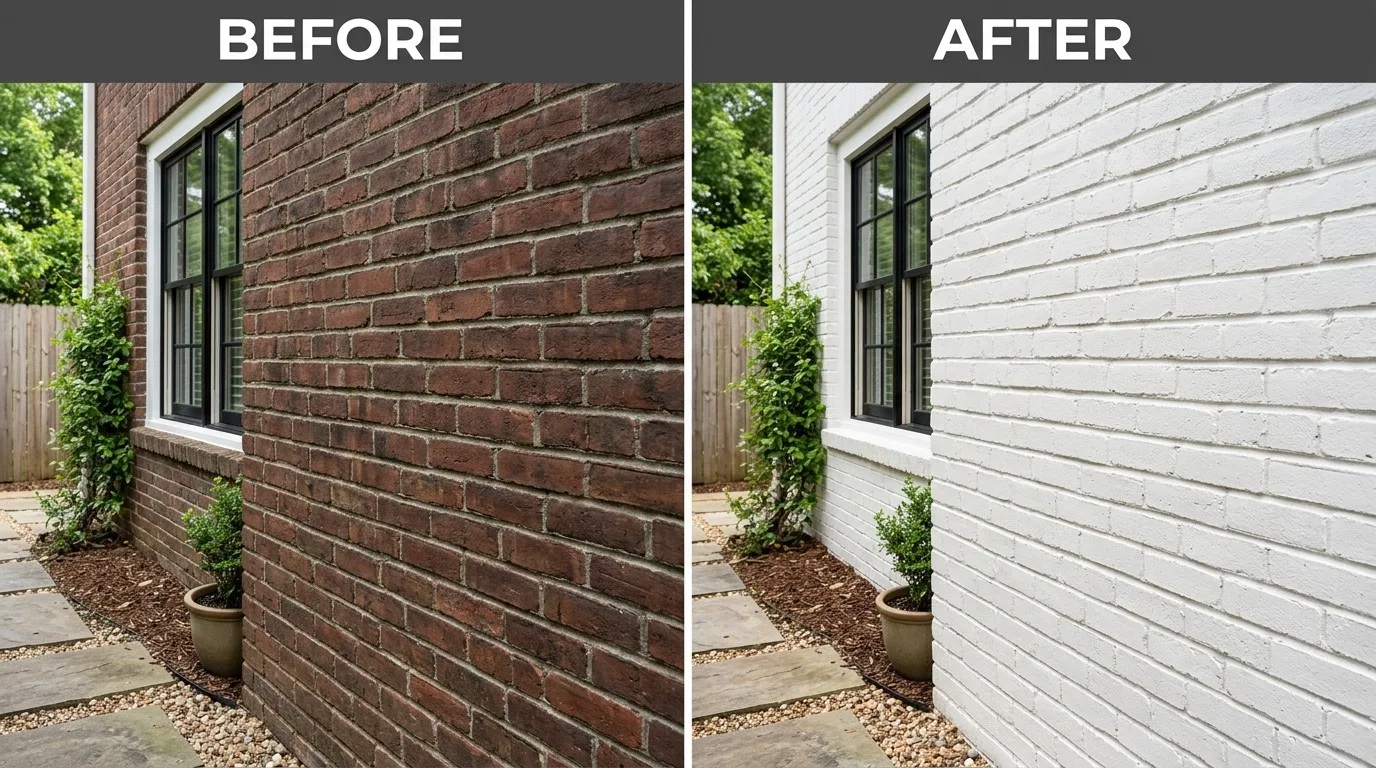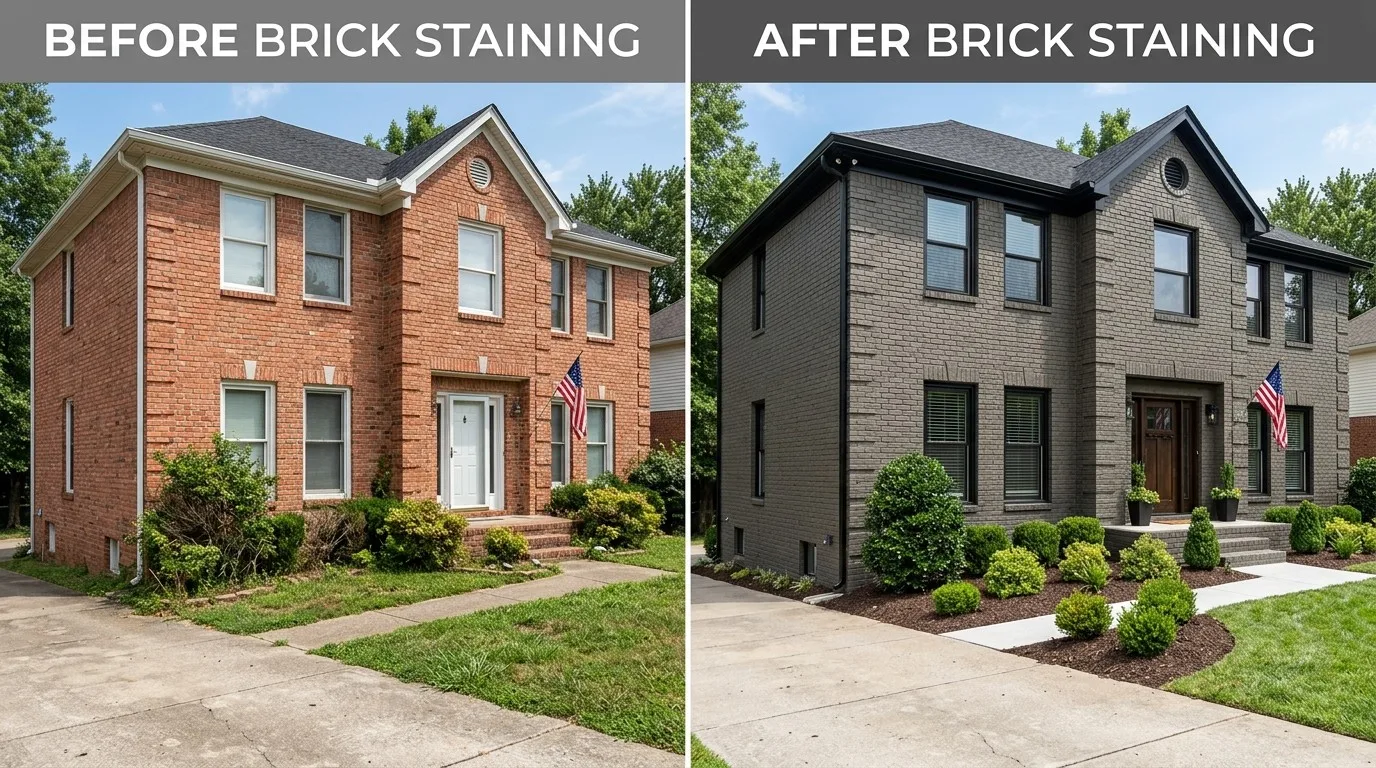
In 2026, staining brick surfaces dramatically enhances their visual impact while offering a low-maintenance, customizable finish. Many homeowners and designers are choosing this approach to achieve a fresh, sophisticated look without the permanence of paint. Brick staining in 2026 emphasizes subtlety, durability, and color versatility, making it a compelling alternative to traditional painting or sealing.
Built from our active project files, this post explores the latest trends, innovative products, and practical considerations for staining brick in 2026. We’ll cover the evolving techniques, color options, long-term performance, whether DIY is feasible, and how stained brick compares to painted surfaces in terms of upkeep and lifespan. We’ll also share recent visuals and case studies from Sacramento-area projects to illustrate what’s achievable today and help you decide if brick staining suits your space.
Direct Answers (Before And After Brick Staining 2026)
| What should I consider before staining brick in Sacramento in 2026? | Evaluate brick surface absorption and test stain formulations to ensure uniform color and durability, especially considering Sacramento's climate. |
| How do modern brick staining techniques in 2026 differ from traditional methods? | They use high-performance, UV-resistant stains that penetrate deeply, resist fading, chalking, and efflorescence, with easier application and customizable finishes. |
| Why is brick staining a good option for Sacramento's architecture in 2026? | Because it enhances natural textures with subtle, earthy tones, offering durability and low maintenance suited to Sacramento’s climate and historic styles. |
| When should I consider staining instead of painting brick in 2026? | Staining is preferable if you want a subtle, textured finish that maintains the brick’s character and offers better long-term durability. |
The First Major Design Move: Embracing Modern Staining Techniques
Over the past year, our projects have increasingly incorporated advanced brick staining techniques that prioritize both aesthetics and longevity. Unlike traditional methods that relied on simple washes or basic dyes, 2026’s leading products include high-performance, UV-resistant stains that penetrate deeply into the brick’s surface, ensuring color stability over time. Brands like EcoStain and Duraguard have introduced formulations that resist fading, chalking, and efflorescence, making stained brick suitable for high-exposure areas like outdoor facades and patios.
From our active project specifications across Sacramento, we see a clear trend toward subtle, earthy tones that enhance natural brick textures without overwhelming their character. The latest finishes offer a matte or low-sheen look, aligning with the current preference for understated elegance. Applying these stains is now more straightforward, often requiring just a power wash and a single coat, thanks to the improved formulations. We are also seeing a rise in the use of tinted sealers that add depth and richness, allowing for customized color effects that can mimic more expensive materials like sandstone or limestone, but at a fraction of the cost.

Material Specificity: Authentic vs. Generic
Authenticity-grade materials
- EcoStain DeepPenetrate, advanced UV protection and deep color penetration for outdoor durability
- Duraguard Resilient Stain, formulated for high absorption variability in older brick
- LuxeTint Tinted Sealers, customizable hues that enhance texture with matte or low-sheen finishes
- Natural Earth Pigments, mineral-based dyes for authentic, earthy tones
- AquaBond Sealant, environmentally friendly protective topcoat with high water resistance
- Oxide-based stains, for industrial or modern aesthetic effects
- Polymer-enhanced stains, for superior adhesion and longevity
- Low-VOC formulations, improving indoor air quality and environmental impact
Generic-grade tells we refuse to spec
- Standard acrylic stains, prone to chalking and fading in outdoor settings
- Basic dye concentrates, inconsistent absorption and color variation
- Oil-based stains, difficult to apply and clean up, with longer drying times
- Non-penetrating surface coatings, peel or flake over time
- Heavy solvent-based products, with higher VOC emissions
- Generic tinted sealers, limited color stability and depth
Should You Stain Brick or Opt for Painting in 2026?
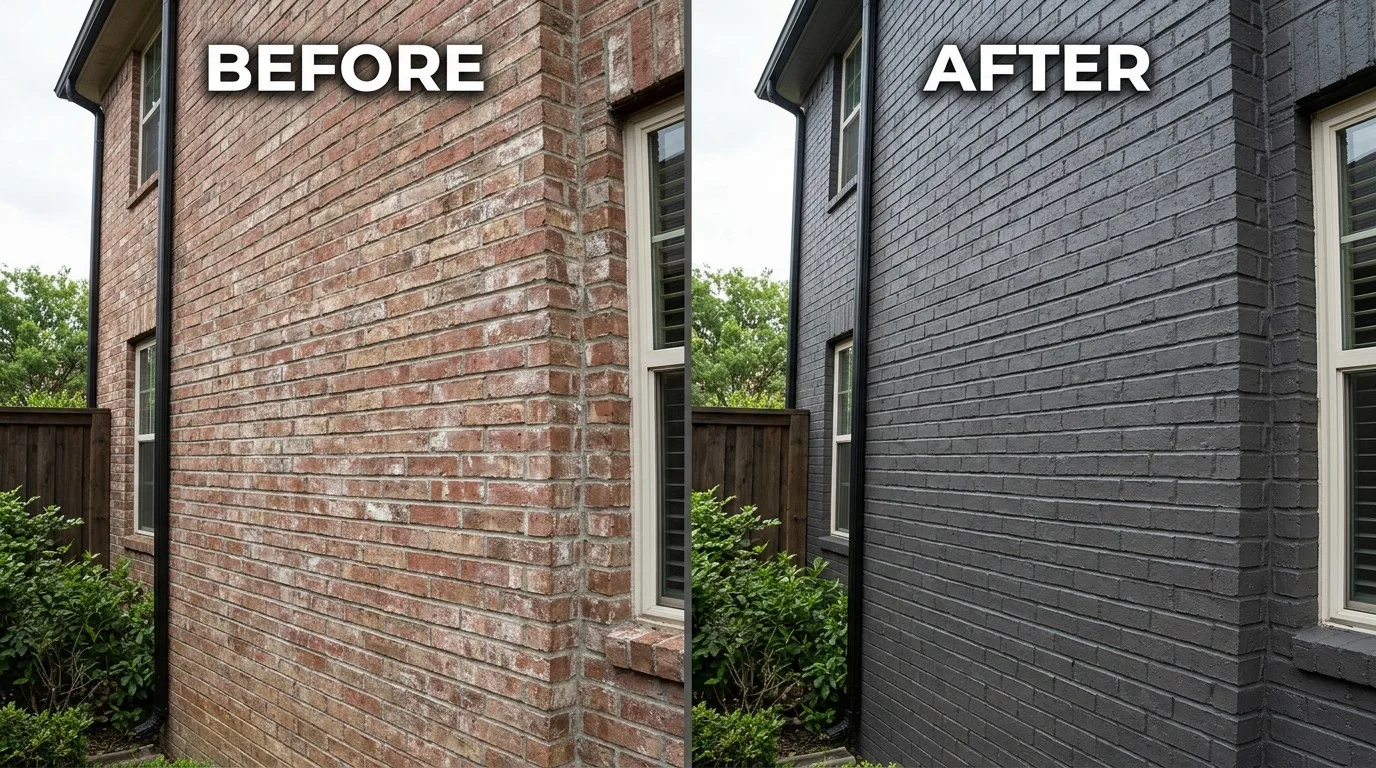
The main decision homeowners face is whether to stain their brick or paint it for a refreshed look. Staining offers a more subtle, textured finish that enhances the brick’s natural character and is generally more durable over time. The first question we ask is: what is the desired aesthetic? If a homeowner prefers a uniform, opaque surface, painting might seem appealing. However, recent advancements in brick stains now allow for rich color depth with minimal surface preparation. The key is balancing visual goals with maintenance expectations.
Another factor is longevity. Stained brick, especially with the latest UV-resistant formulations, can last 10-15 years with proper upkeep, while painted brick often requires repainting every 5-7 years due to peeling or fading. Cost considerations are also significant. While staining can sometimes be more expensive initially, its longer lifespan and lower maintenance can make it more cost-effective over time. Ultimately, the decision hinges on the specific project context, regional climate, and personal style preferences.
For homeowners in Sacramento, understanding the regional climate’s impact on finishes is crucial. Our experience shows that well-executed brick staining provides a timeless, low-maintenance solution that preserves architectural integrity while offering customization options.
What Are the Best Color Options for Brick Staining in 2026?
In 2026, the color palette for brick staining has expanded significantly. Homeowners and designers favor earthy tones such as warm taupe, soft greys, and muted terracotta, which complement Sacramento’s landscape and historic architecture. Modern stains allow for subtle variations and depth, mimicking natural stone or aged brick for a more authentic look. For a more contemporary vibe, darker shades like charcoal or graphite are also popular, providing a striking contrast without sacrificing texture.
The latest products from brands like EcoStain and LuxeTint offer a broad spectrum of hues that can be customized to match specific design visions. These stains are formulated to resist fading and chalking, ensuring the chosen color remains vibrant and true over many years. For projects aiming for a more nuanced finish, tinted sealers can add depth and richness, creating a layered appearance that enhances architectural details.
Color choice is also influenced by regional factors such as sunlight exposure and the surrounding landscape. Our local projects demonstrate that selecting the right stain color can significantly elevate curb appeal and harmonize with the environment. For more inspiration and options, visit our regional design resources linked above.
Can Brick Staining Be a DIY Project in 2026?
While some homeowners consider staining brick as a DIY project, the latest products in 2026 are designed for professional application to ensure optimal results. The key challenges include achieving an even finish, avoiding blotchiness, and selecting the right formulation for the brick’s porosity. The first question homeowners should ask is: what is my skill level with surface preparation and finishing techniques?
For those with some experience in painting or sealing, a carefully planned DIY approach can work, provided they follow manufacturer instructions closely. Surface cleaning, testing on a small area, and using proper tools like high-quality sprayers or brushes are essential. However, for most homeowners aiming for a seamless, durable finish, hiring a professional with experience in brick staining offers a better ROI. Professionals understand how to match formulations to regional climate conditions and brick types, ensuring the stain’s longevity and appearance.
In Sacramento, where outdoor finishes are exposed to intense sun and occasional moisture, professional application is often recommended to maximize durability. DIY staining might be suitable for interior brick or small accent walls, but exterior projects typically benefit from expert handling to prevent costly mistakes and rework.
What Are the Cost Implications of Brick Staining in 2026 Compared to Previous Years?
In 2026, the cost of brick staining has generally increased slightly due to the use of advanced, long-lasting formulations and eco-friendly ingredients. For a typical exterior facade, the range is approximately $3,500 to $7,500 in Sacramento, depending on the size and complexity of the project. Interior applications or accent walls tend to be less expensive, generally falling between $1,200 and $3,000. Compared to previous years, these prices reflect the improved longevity and performance of modern stains, which reduce the need for frequent touch-ups or reapplications.
While initial costs may be higher than traditional stains or basic paint, the longer lifespan and lower maintenance requirements offer better ROI. For large-scale projects or luxury homes, estate-scale applications can approach $15,000 or more, especially when involving custom colors or intricate detailing. Regional supply chains and product availability also influence pricing, with Sacramento’s distribution channels sometimes adding lead time premiums.
Overall, investing in quality staining in 2026 is a strategic choice that balances upfront costs with long-term savings, especially in regions where climate and architectural heritage demand durable, refined finishes.
Observed Failure Modes, How Before And After Brick Staining 2026 Goes Wrong
From our project debriefs and post-occupancy reviews, 2023-2026.
Uneven Absorption Leading to Patchy Color
One common failure we see is uneven absorption of stain due to inconsistent brick porosity. This results in blotchy, uneven color that detracts from the intended aesthetic. The symptom is visible mottling or splotchy patches after application. The cure involves thorough testing on small sections, using tools like a light meter and painter’s tape to evaluate absorption rates. The solution is to select a formulation with adjustable penetration properties or to pre-treat the brick with a compatible primer. Proper surface preparation and testing in Sacramento’s variable climate are essential to prevent this costly mistake, which can require reapplication and additional labor costs.
Fading and Chalkiness Over Time
Another failure mode is premature fading or chalking, especially on outdoor facades exposed to intense sunlight. This often occurs when low-quality stains are used or UV inhibitors are ineffective. The symptom is a dull, powdery surface that looks aged within a few years. Preventative measures include choosing products with proven UV resistance and applying a high-quality protective sealer. Regular maintenance and cleaning also extend the life of the finish. In Sacramento, where sunlight is intense, selecting brands like EcoStain with enhanced UV protection is critical to avoid this costly and unsightly failure.
Peeling or Flaking Due to Poor Adhesion
Poor adhesion is a common issue when the brick surface is not properly cleaned or if incompatible products are used. Symptoms include peeling or flaking, often within two to three years of application. The solution is meticulous surface prep, including power washing and testing adhesion before application. Using a compatible primer or sealer enhances bonding, especially in regions with high temperature swings like Sacramento. Failure to do so can lead to expensive rework and damage to the brick surface, which could have been avoided with proper planning and product selection.
Color Mismatch After Reapplication
Color mismatch occurs when re-staining or touch-ups are done without proper color matching or understanding of the existing finish. This results in noticeable inconsistencies. The symptom is a patchy or uneven appearance, which can undermine the project’s integrity. The cure is to always keep detailed records of the stain formulation and color used initially. When reapplying, test on scrap material or inconspicuous areas first. Professional color matching and blending are recommended, especially in historic or high-value Sacramento homes where aesthetic fidelity is paramount. Proper documentation prevents costly surprises.
Inadequate Surface Preparation Leading to Short Lifespan
Skipping proper cleaning and surface prep can drastically shorten the lifespan of a stained brick finish. Symptoms include peeling, efflorescence, or uneven fading within a few years. The cure involves thorough cleaning, often with a pressure washer, and ensuring the brick is dry and free of efflorescence or dust. Applying a suitable primer or sealer before staining can greatly improve adhesion and durability. In Sacramento’s climate, this step is especially critical to prevent moisture-related issues that can compromise the finish early in its lifespan.
What's Going Out for 2026
- Using outdated stains prone to chalking or fading
- Skipping surface tests to evaluate absorption
- Applying stains without proper surface cleaning
- Choosing low-quality products for exterior use
- Ignoring regional climate impacts on stain longevity
- Reapplying without matching the original color
- Overlooking the importance of UV-resistant formulations
- DIY applications without experience in brick finishes
What Before And After Brick Staining 2026 Costs in 2026
| Scope | Typical range |
|---|---|
| Refresh scope (single coat, small area) | $1,500 - $3,000 |
| Mid-tier scope (full facade, multiple coats) | $4,500 - $9,000 |
| Estate-scale (large or complex projects) | $12,000 - $20,000+ |
Working Notes
What We Have Learned Doing This: Before And After Brick Staining: A Designer's Guide to the 2026 Look
“Good rooms are built twice. Once on paper, once in the field.”
Specify for the next ten years, not the next photo shoot. The work that holds its value is quiet, well made, and a little bit boring on the day it is installed.
Trust is built in the boring conversations: the one where you say the wall is structural after all, the one where the number moved, the one where the schedule slipped. Clients forgive reality. They do not forgive being surprised by it.
Old houses lie, and so do new ones. Even a ten-year-old house lies the moment you assume the framing sits where the plans say. We stopped trusting old drawings, prior contractor work, and the phrase it should be fine a long time ago. The budget needs a real line for what demolition will uncover, usually 15 to 20 percent once walls start opening.
These notes come from our own before and after brick staining: a designer's guide to the 2026 look project debriefs. Most were learned the expensive way the first time.
Sources & Professional References
This guide's positions on materials are grounded in published building-code, standards, and recognized design-authority sources, alongside Designed | Curated Interiors' verified credentials and active project files:
- American Society of Interior Designers (ASID): interior-design practice standards
- International Code Council (ICC): Chapter 8 Interior Finish Decorative Materials And Furnishings
- NKBA, Amy Kunst Member Profile (verified credential, NKBA Committee Member)
- Featured in: Homes & Gardens (design expert quote, May 2026) · Sacramento Love (guest author, 2024)
Frequently Asked
What should I consider before staining brick in Sacramento in 2026?
How do modern brick staining techniques in 2026 differ from traditional methods?
Why is brick staining a good option for Sacramento's architecture in 2026?
When should I consider staining instead of painting brick in 2026?
Are there regional or climate-specific tips for brick staining in Sacramento?
From Before And After Brick Staining 2026 to a Real Room
A trend piece is the briefing document, not the deliverable. The pages below show how we translate these principles into finished rooms across Sacramento and the rest of Northern California.
- Sacramento & Bay Area Interior Design Services How we scope, source, and deliver work end to end.
- Interior Designer Hub, Sacramento Where most of our Sacramento work lives, the regional fit explained.
- Modern Kitchen Remodel Sacramento | Before After Design Insights Explore a sacramento kitchen remodel from vision to......
- Traditional Interior Design Before And After Elk Grove Related cluster piece referenced from the Traditional Interior Design Before And After Elk Grove build files.