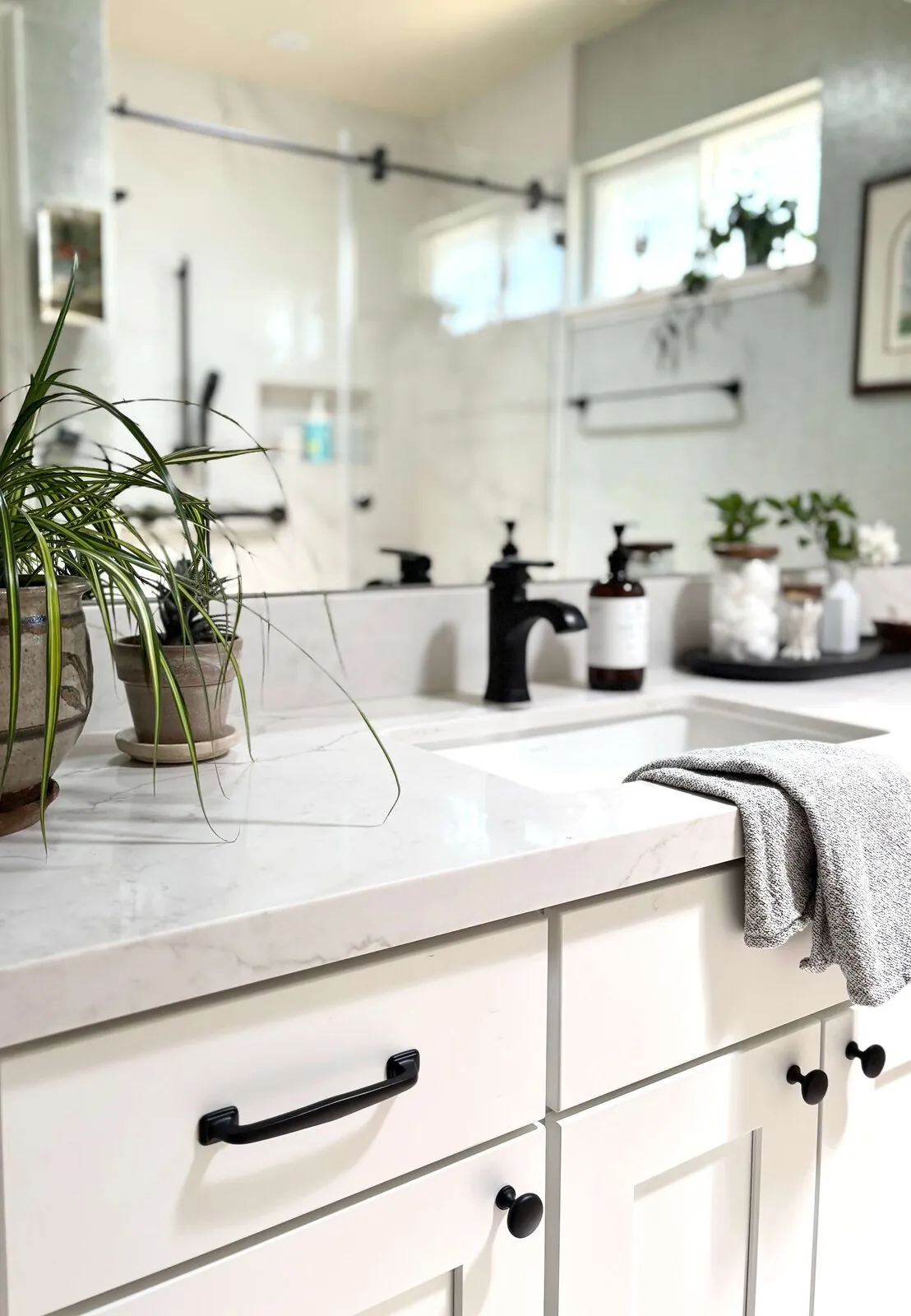
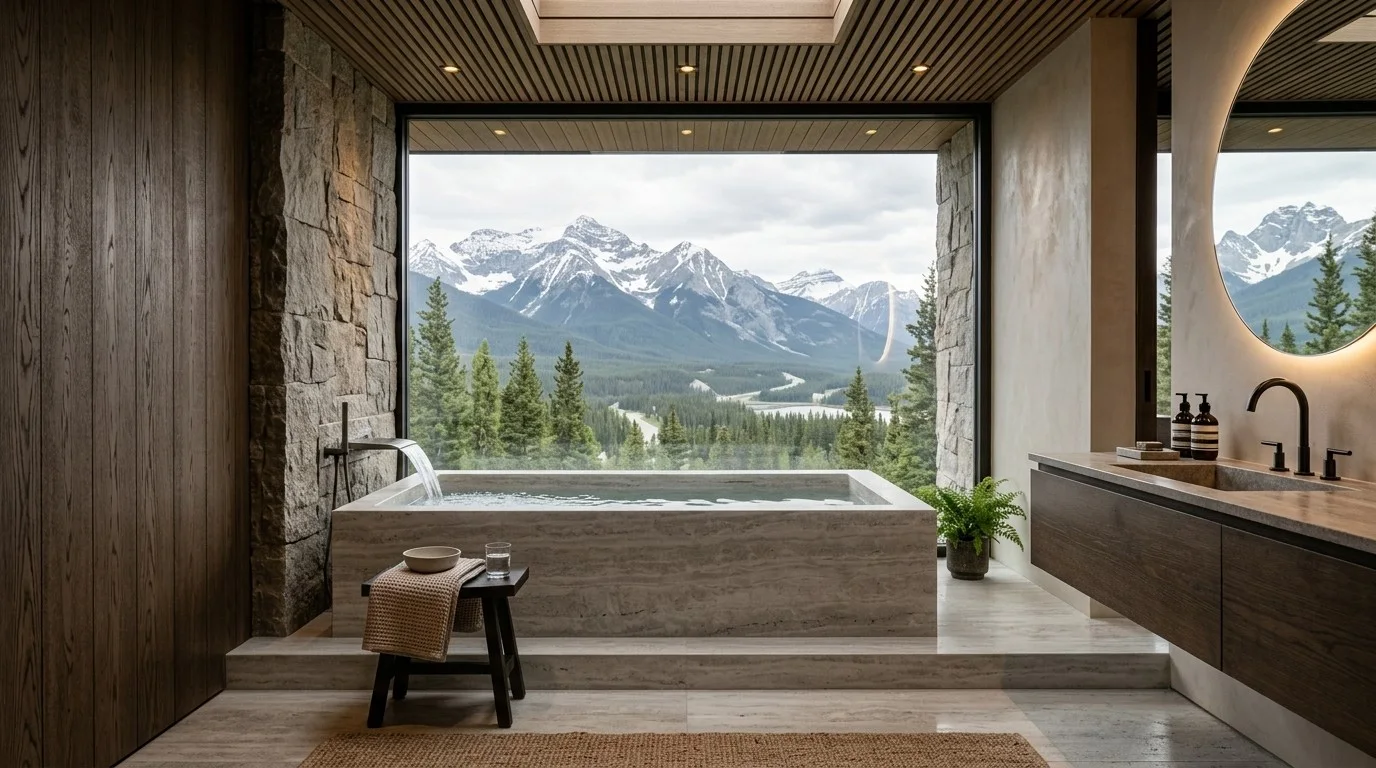
The clearest read on where bathtubs are heading comes from what manufacturers actually launch, and the launch calendar has been consistent: sculptural freestanding forms, matte mineral-composite bodies, and fill controls that moved from the wall into the tub itself. That is what showed at KBIS, the NKBA's Kitchen & Bath Industry Show, in its last two editions, and what the European sanitaryware houses brought to ISH Frankfurt. Our 2026 briefs? Three ideas guide us forward now. We favor bold organic shapes, use materials with lower impact, and hide smart features within the tub's structure.
What's in this guide? You'll see the materials and shapes we're picking, the sizing and configurations we choose, and how we plan smart features. We also cover Sacramento-specific topics like permits and moisture that trends skip. Where a claim is a prediction rather than something we have installed, we say so.
Common Questions
| What are the emerging bathtub design trends for 2026 in Sacramento? | By 2026, tubs pull more organic, sculptural lines. Look for matte stone composites and built-in smart tech. |
| How do regional influences affect bathtub design trends in Sacramento for 2026? | Sacramento's climate pushes us toward natural forms. Textured surfaces and green materials suit the eco-conscious and local tastes. |
| What materials are recommended for bathtubs in 2026 to ensure durability and eco-friendliness? | Matte quartz composites. Recycled glass. They last and are sustainable. Granite works, sure. Just seal it thoroughly. |
| Are there any permitting considerations for new bathtub designs in Sacramento in 2026? | Want a big custom tub? Moving plumbing or knocking down walls means you need permits. Check with Sacramento Building Division for the right steps. |
Embracing Organic and Sculptural Forms in Bathtub Design
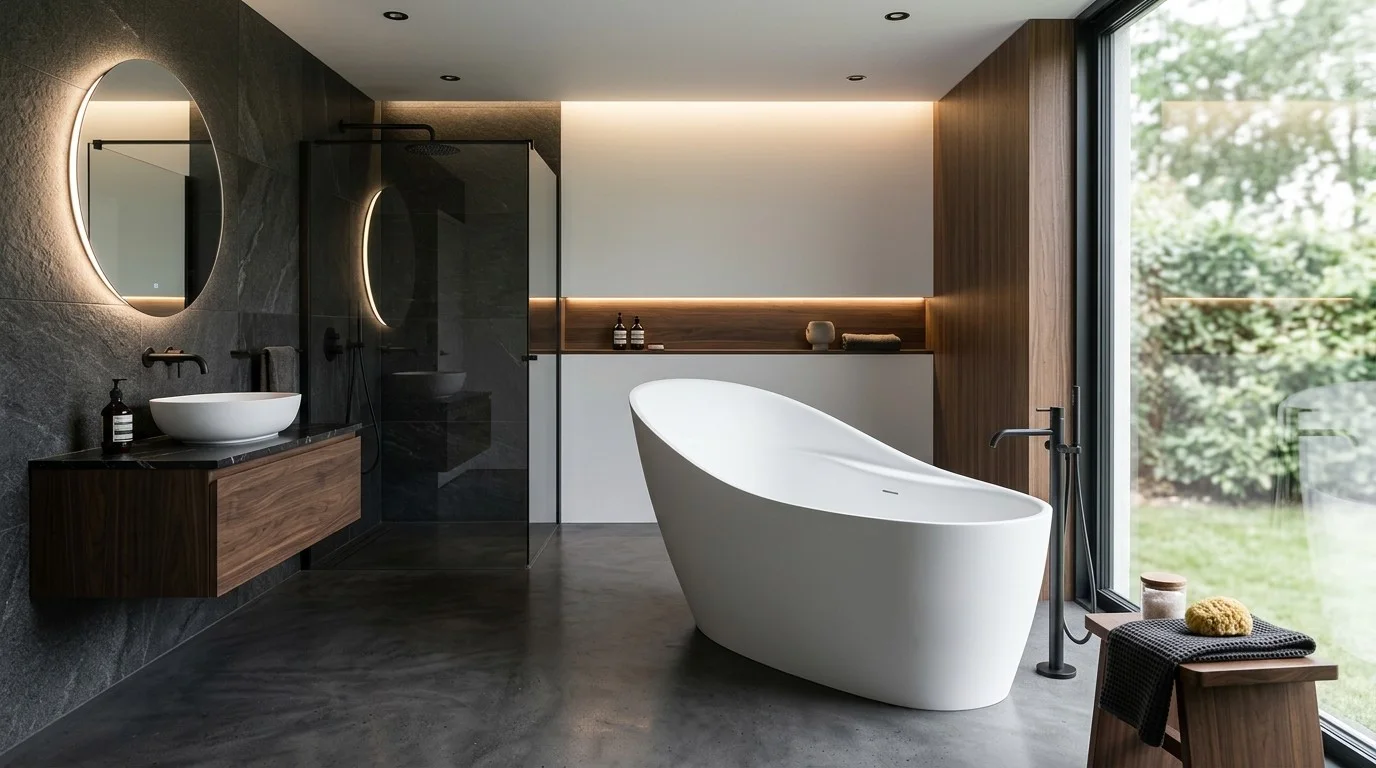
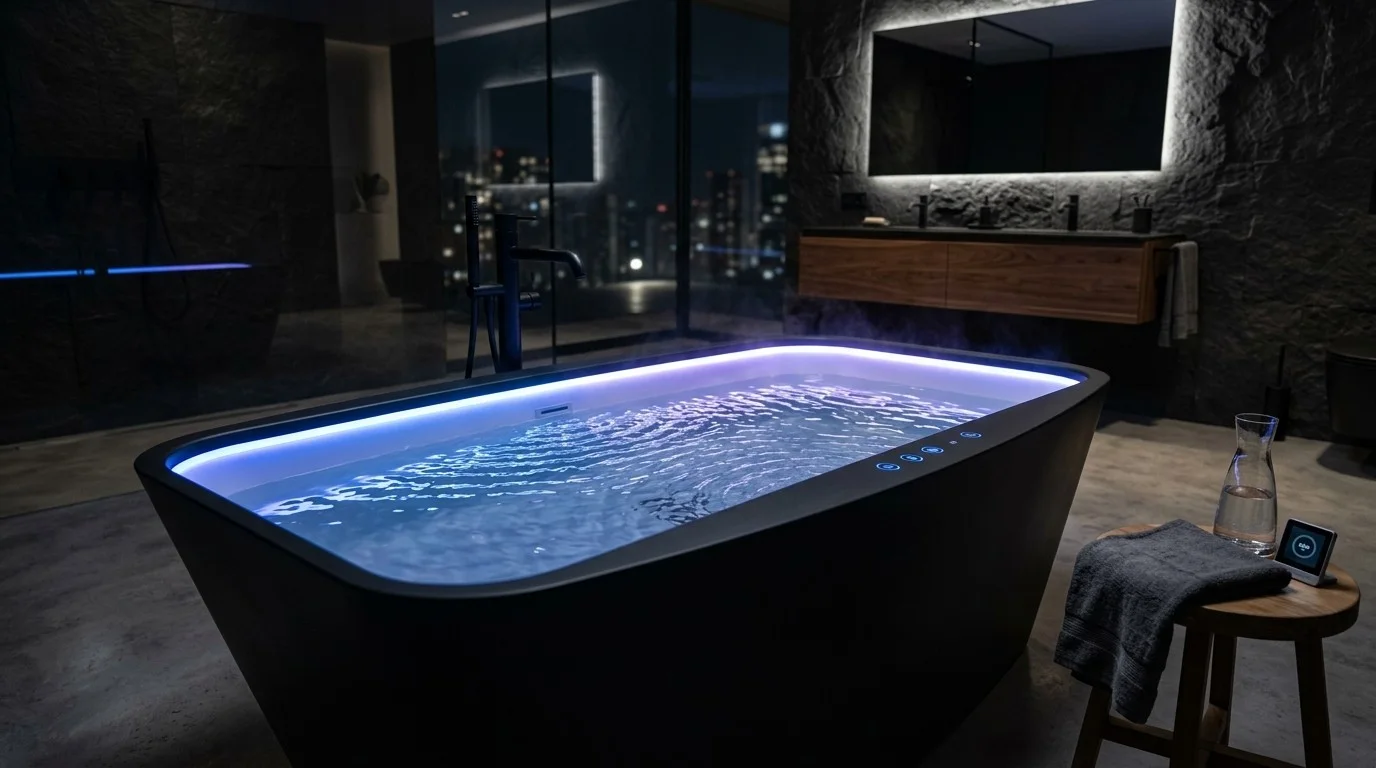
The strongest shape story is the move away from the rectangular built-in toward organic, sculptural freestanding forms: flowing curves, asymmetric slipper profiles, tubs that read as furniture. This is well past the concept stage. Victoria + Albert loves curves. They pour their tubs in QUARRYCAST, a volcanic-limestone mix with a matte look that's trending. Kohler's latest tubs echo this style. Why pick these shapes? Sure, they feel spa-like, but the real reason is simpler. One curved tub becomes the room's main event, a focus rectangle shapes can't match.
A sculptural tub does demand spatial planning. It wants air around it, sightline priority, and a floor drain conversation nobody enjoys. Integrated seating and built-in niches that follow the tub's curve keep the function without breaking the form. In Sacramento, new homes and ranch updates lean toward natural color schemes. Organic tub forms sell well here. Cleaning under freestanding tubs? That's where we hear complaints.
Material Specificity: Eco-friendly and Innovative Choices for 2026
Authenticity-grade materials
- Matte-finished engineered stone, offers durability and a natural matte aesthetic, ideal for sculptural forms
- Recycled glass composites, eco-friendly, customizable color options, and high durability
- Textured ceramic glazes, tactile surface that enhances organic shapes and resists stains
- Natural stone (granite or quartzite), timeless, durable, and suited for high-end, sustainable bathrooms
- Reclaimed wood accents, used minimally, adds warmth and regional character
- Low-VOC resins and finishes, support sustainability and indoor air quality
- Solid brass fixtures with PVD coating, durable, sustainable, and resistant to pitting
- Eco-friendly waterproof membranes, essential for longevity and moisture control
Generic-grade tells we refuse to spec
- Standard acrylic, common but less sustainable and less textured
- Polished marble, high-end but prone to etching and less eco-conscious
- Plastic composites, cheap and non-biodegradable
- Thermofoil finishes, easily chipped and not durable
- Low-quality laminates, prone to water damage and wear
- Standard stainless steel, thinner gauge, less sound dampening
- Electroplate hardware, prone to pitting and chipping
- Non-recycled materials, less sustainable choice
Choosing the Right Material for Future Bathtub Installations
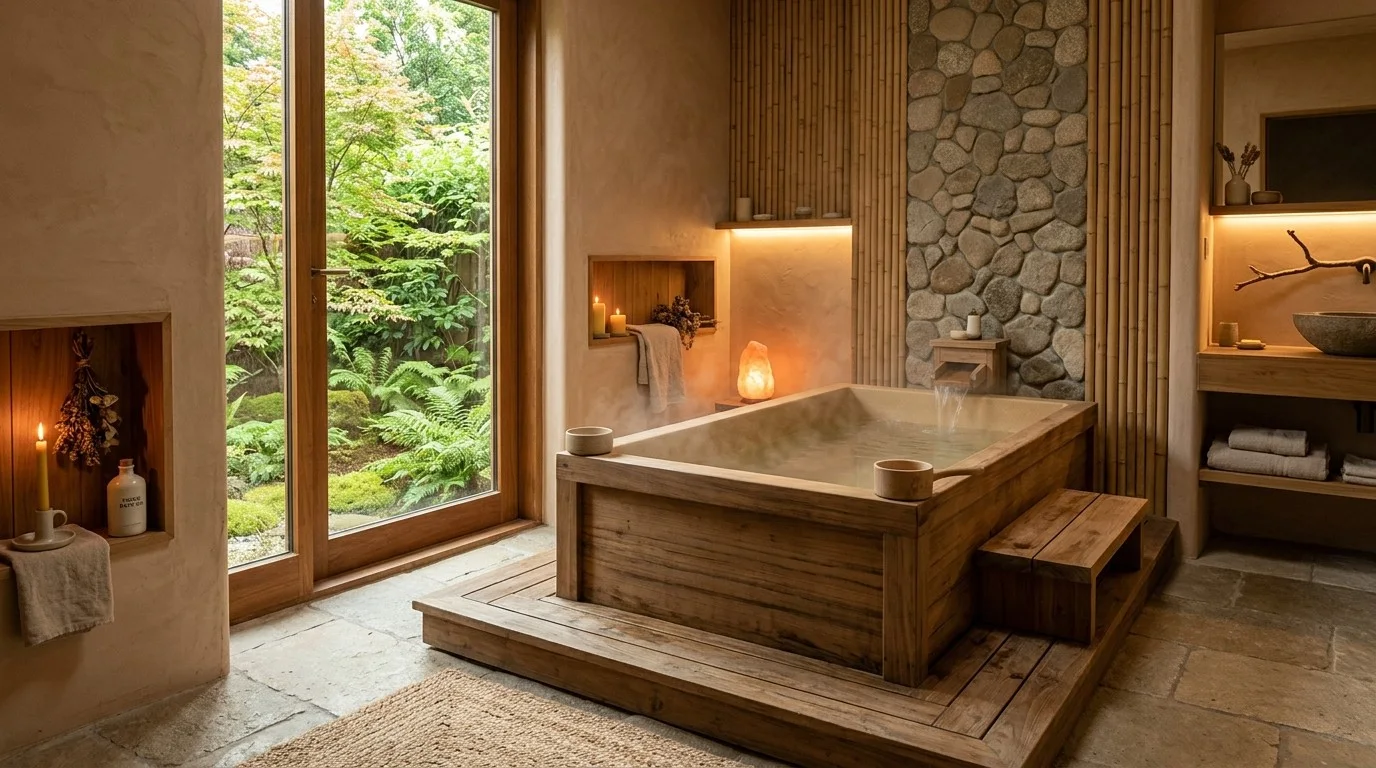
Material selection usually comes down to one fork: engineered composite or natural stone. Matte composites dominate our specs. Why? They trap heat nicely, weigh less than stone, and have that tactile, matte finish clients love. Natural stone still earns its place in estate-scale work, with the caveat that a filled stone tub can exceed a thousand pounds and the framing conversation has to happen before anyone falls in love with a photo. Sacramento's tough summers and wet winters test materials hard. We put emphasis on keeping maintenance simple over just showroom looks.
Clients want texture above all. They like surfaces with a handmade feel, avoiding anything too glossy. Textured ceramic glazes and honed composite bodies resist stains and fine scratching, which is what actually keeps a tub looking specified-yesterday a decade in. The material call sets the fixture's environmental footprint and lifespan at the same time, which is why we treat it as the load-bearing decision of the whole bathroom.
Sizing and Configuration Trends for 2026 Bathtubs
Sizing splits our clients into two camps: the standard 60-inch soaker, or 72 inches and up for a true centerpiece. Ceiling height decides more of this than people expect, since a tall sculptural tub under an eight-foot ceiling reads cramped where the same tub under ten feet reads intentional. The other direction matters too. Small bathrooms are getting the Japanese treatment: compact, deep soaking formats that trade footprint for water depth, sometimes with integrated storage or a corner configuration, and they bathe better than many 72-inch showpieces.
Layout-wise, our recent work favors adaptability over maximum size. Curved freestanding profiles win where the room can give the tub breathing space; built-ins still win where every inch is spoken for. Sacramento's housing mix, historic ranch homes next to contemporary infill, means we rarely spec the same configuration twice, and the tubs that succeed are the ones sized to the room's existing proportions rather than to the catalog photo.
Smart and Innovative Features Expected in 2026 Bathtubs
Smart features are the one category where the product catalogs genuinely moved faster than client demand. Kohler's smart bath line now covers app-controlled filling to a preset depth and temperature plus voice control, and Toto has spent years refining zero-gravity soak geometry and quiet-fill engineering. What homeowners actually have to decide is narrower: which of touchless controls, automatic temperature hold, or built-in audio they will still use in year three. Our rule of thumb from installed projects is that temperature hold and auto-fill get used daily, audio occasionally, and everything else mostly demos well.
Recent projects of ours have included chromatherapy perimeter lighting, heated tub surfaces, and humidity sensors tied to ventilation, and that last one is the sleeper: in Sacramento's climate the sensor-driven fan does more for the bathroom's longevity than anything else on the options list. One planning warning: every smart feature is an electrical coordination item that has to be resolved at rough-in, not at fixture delivery. The direction of travel is clear enough, controls migrating into the tub shell and out of sight, but we treat "fully integrated smart systems" as a prediction, not a promise.
Observed Failure Modes We See in the Field
From our project debriefs and post-occupancy reviews, 2023-2026.
Overlooking Moisture Management
One common mistake is neglecting proper moisture management for sculptural or textured tubs. Moldy crevices happen here, especially with the city's moist air. It's a real concern. Use low-porosity, textural materials. Pair these with quality waterproofing and solid ventilation to avoid issues. If you ignore this, expect expensive repairs and health risks, wrecking any design investment.
Ignoring Regional Material Suitability
Another pitfall is choosing materials that do not age well in local conditions. Polished marble might start out stunning. In Sacramento's climate, though, it etches and degrades quickly. Choosing materials that last in this area is smart. Quartzite or textured ceramics are better choices; they handle wear and support sustainability.
Choosing Size Without Context
Many designers and homeowners select oversized tubs without considering ceiling height or bathroom proportions. Too big a tub makes rooms feel cramped. Can make a room feel cramped. Measure your room and ceiling first. The tub's got to fit, not just look good.
Underestimating Smart Feature Integration
In 2026, the integration of smart features requires careful planning. Ignoring early wiring plans? You'll end up with extra costs or mismatched fixtures. Get an electrician who knows smart systems.
Neglecting Regional Aesthetic Cohesion
Finally, neglecting regional architectural and landscape influences can result in a bathtub that feels out of place. Take a look at Sacramento's mid-century homes. Choose fixtures from sustainable materials.
What's Going Out for 2026
- Bright, glossy finishes
- Traditional rectangular tubs as the sole choice
- Oversized, bulky fixtures that dominate space
- Limited or no smart features integrated into tubs
- Non-sustainable, virgin-materials
- Fixed-size tubs with little flexibility
- Materials with high environmental impact
- Designs that ignore regional aesthetics
- Ignoring moisture and ventilation considerations
- Using low-quality hardware that pits or degrades
What This Costs in 2026
These ranges are based on our own Sacramento-area projects from the last three years, tub plus the remodel work around it, not national averages. Coastal Bay Area pricing typically runs higher; a tub-only swap with no plumbing relocation can come in well under the bottom of the first range.
| Scope | Typical range |
|---|---|
| Refresh scope for a small bathroom | $25K-$45K |
| Mid-range full remodel | $50K-$80K |
| Estate-scale luxury upgrade | $100K-$150K |
“I had a fantastic experience working with Amy on my bathroom remodel and new pantry after water damage in my home. She has a great eye for design and was amazing at keeping everything organized, especially with all the material choices.”
Working Notes
What We Have Learned Building Bathrooms Around These Tubs
“On any bath in a home built before 2010, the demolition scope includes one inspection cut in the wet wall before the new fixtures are ordered.”
Waterproofing is the part nobody sees and the only part that fails expensively. We never let the schedule rush the membrane.
Design for longevity, not Instagram. Appreciate the details from skilled craftsmen. Slightly unnoticeable when first installed.
After many projects, bad taste is less scary. Delays, moisture, or a skilled electrician winging it? That's nerve-wracking. Looks still sell the job, but build quality makes it real.
Old house, new house, they're all storytellers. In ten-year-old homes, assume nothing about framing. We've long stopped trusting old plans and phrases like 'should be fine.' The budget needs a real line for what demolition will uncover, usually 15 to 20 percent once walls start opening.
These notes come from our own project debriefs. Most were learned the expensive way the first time.
Sources & Professional References
This guide's positions on materials are grounded in published building-code, standards, and recognized design-authority sources, alongside Designed | Curated Interiors' verified credentials and active project files:
- KBIS, the NKBA Kitchen & Bath Industry Show (manufacturer launch evidence for the trend claims above)
- ISH Frankfurt: international sanitaryware and bath trade fair
- Kohler smart bathroom products · TOTO USA · Victoria + Albert Baths (QUARRYCAST volcanic-limestone tubs)
- EPA WaterSense: fixture water-efficiency standards
- American Society of Interior Designers (ASID): interior-design practice standards
- International Code Council (ICC): Chapter 8 Interior Finish Decorative Materials And Furnishings
- NKBA, Amy Kunst Member Profile (verified credential, NKBA Committee Member)
- Featured in: Homes & Gardens (design expert quote, May 2026) · Sacramento Love (guest author, 2024)
From Principle to a Real Room
A trend piece is the briefing document, not the deliverable. The pages below show how we translate these principles into finished rooms across Sacramento and the rest of Northern California.
- Sacramento & Bay Area Interior Design Services How we scope, source, and deliver work end to end.
- Interior Designer Hub, Sacramento Where most of our Sacramento work lives, the regional fit explained.
- Latest Bathtub Design Trends 2025-2026: An Interior Designer's Guide The 7 bathtub design trends shaping 2025-2026 luxury bathrooms, from sculptural freestanding tubs to Japanese soakers and bath nooks, with a