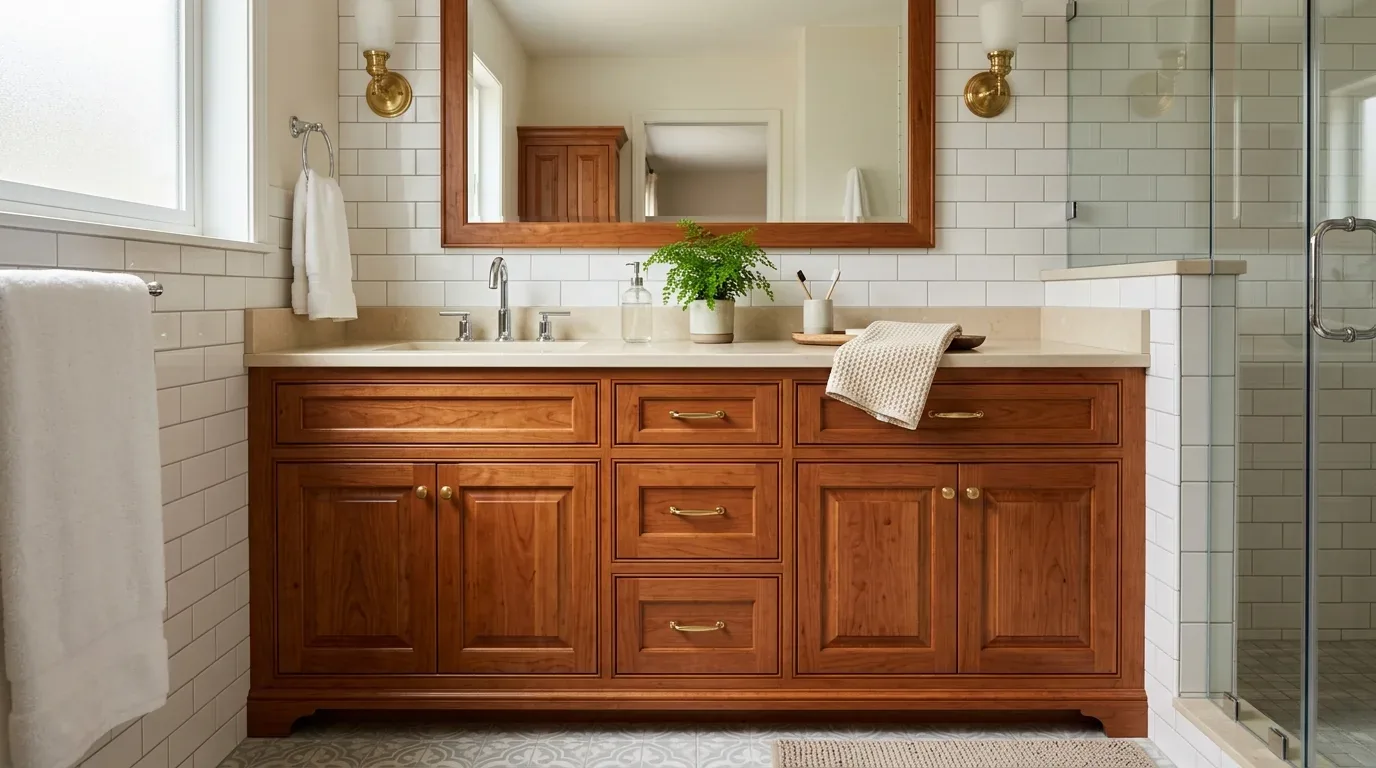
In 2026, incorporating a tile pillar into your bathroom renovation is all about balancing bold design with practicality. The main goal for homeowners is to create a striking feature that enhances the space without overwhelming it. Designing a tile pillar that blends seamlessly with current trends involves careful material selection, layout planning, and installation precision.
Built from our active project files, this guide will cover the latest tile design trends for bathroom pillars in 2026, how to choose durable yet beautiful tiles, step-by-step installation tips, budgeting strategies, and ways to integrate your pillar with existing decor. We’ll also share expert maintenance tips to keep your feature looking fresh. As Sacramento’s design landscape evolves, understanding these current trends helps you avoid outdated choices and ensures your renovation feels modern, timeless, and regionally appropriate.
Common Questions
| What are the key considerations for designing a bathroom tile pillar in Sacramento in 2026? | Focus on balancing texture and pattern, choosing durable materials like textured porcelain or ceramic, and planning layout carefully to accommodate regional wall irregularities. |
| How do texture and pattern trends influence tile pillar design in 2026 bathroom renovations? | Textured tiles such as 3D ceramic or tactile porcelain are popular for adding depth and visual interest, often paired with subtle lighting to highlight their details. |
| When selecting tiles for a bathroom pillar, should I opt for custom or stock options in Sacramento? | Stock tiles are more readily available and cost-effective, typically costing $10 to $30 per square foot, while custom tiles cost $150 to $300 per square foot and require longer lead times. |
| What installation tips are recommended for textured tile pillars in Sacramento bathrooms? | Start layout from the sightline or visual axis, use laser levels and painter’s tape for precise alignment, and plan for out-of-square walls common in older homes. |
Bathroom Renovation Tile Pillar Guide 2026 2026 at a Glance
| Element | In | Out |
|---|---|---|
| Design Aesthetics | Bold, textured tile patterns | Plain, monotone tiles |
| Color Palette | Neutral earthy tones | Small, busy patterns |
| Tile Size | Large-format tiles for minimal grout lines | Bright colors or neon |
| Lighting Features | Integrated lighting features | Overly ornate fixtures |
| Material Sustainability | Sustainable tile materials | Cheap, low-quality tiles |
| Material Contrast | Mixed materials for contrast | Too many contrasting materials |
| Tech Integration | Smart tech integration | Lack of lighting integration |
| Shape & Pattern | Custom shapes and mosaics | Generic shapes or standard sizes |
| Natural Elements | Natural stone accents | Synthetic or non-porous materials |
First Major Design Move: Embracing Texture and Pattern
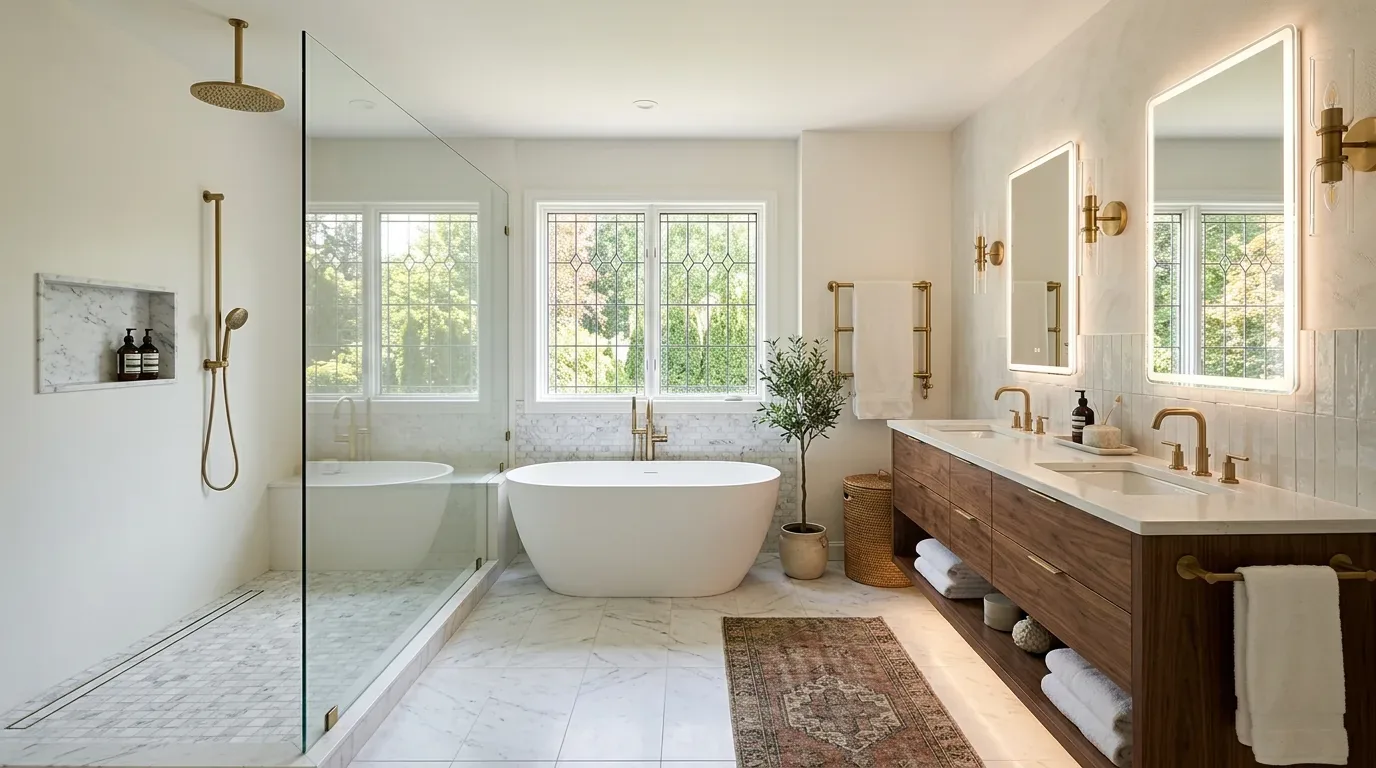
In 2026, the most striking bathroom pillars feature a bold interplay of texture and pattern. Textured tiles like 3D ceramic or tactile porcelain are gaining popularity for their visual depth and sensory appeal. Across our active project specifications, we see clients favor materials such as Matthews Ceramics’ textured wave tiles or Emser Tile’s geometric mosaics that add dimension without cluttering the space.
Integrating these tactile surfaces requires thoughtful planning, especially considering lighting. Designers are increasingly pairing textured tile with subtle LED strip lighting or recessed fixtures to highlight their intricate details. The goal is to elevate the bathroom’s aesthetic without overwhelming the room or compromising functionality. When selecting tiles, prioritize brands that offer consistent quality and a variety of textures, ensuring your feature remains durable and easy to clean. The current trend towards tactile, pattern-rich pillars reflects a broader desire for personalization and tactile engagement in bathroom design.
Material Specificity for 2026 Bathroom Pillars
Authenticity-grade materials
- Porcelain tiles, PEI 4-5, highly durable and low absorption, suitable for wet areas
- Textured ceramic, for tactile surfaces, glazed for easy cleaning
- Natural stone (granite/quartzite), durable, with subtle veining, adds organic warmth
- Large-format slabs, 24x48 inches or bigger, reducing grout lines for modern look
- Mosaic glass tiles, for intricate patterning and contrast
- Matte finish tiles, for a sophisticated, non-reflective surface
- Sustainable tiles (recycled content), eco-conscious choices aligned with 2026 trends
- Mixed material accents, such as combining stone with ceramic or glass
- Custom-shaped tiles, for unique architectural features
- Reclaimed or vintage-look tiles, for regional historic character
Generic-grade tells we refuse to spec
- Low-grade ceramic or porcelain with high absorption
- Thin, 1cm wall tile only, not suitable for floors
- Glossy or reflective finishes that show water spots easily
- Bright, neon-colored tiles unlikely to stay in style
- Mass-produced, generic tiles with inconsistent quality
- Non-porous synthetic tiles that look fake
- Cheap mosaic sheets with uneven edges
- Standard sizes without custom options
- Low-quality natural stone prone to staining
- Non-eco-friendly materials with high VOCs
How to Decide Between Custom or Stock Tiles for Your Pillar
Choosing between custom and stock tiles is a high-stakes decision that impacts both budget and design flexibility. The first question we ask homeowners is: what is your primary goal for this feature? Are you seeking a one-of-a-kind statement or a practical, cost-effective solution? Custom tiles from local fabricators or specialty artisans can cost $150 to $300 per square foot and often require a 6-8 week lead time, but they offer unique shapes and textures tailored to your vision. Stock tiles from brands like Emser or Daltile are readily available, typically costing $10 to $30 per square foot, with faster delivery and easier installation.
For a balanced approach, consider mixing custom mosaics with large-format stock tiles to achieve a personalized yet practical look. Remember, the choice can influence your project timeline and budget significantly. In Sacramento, where project costs typically range from $35K to $60K for mid-tier remodels, allocating funds wisely between custom accents and stock materials ensures your tile pillar becomes a lasting feature without overextending your budget.
Sizing and Specification Guide for Bathroom Pillars in 2026
The first question homeowners ask about sizing is: what dimensions work best for my space? For most bathroom pillars, a width of 12 to 24 inches and height matching the ceiling (8 to 10 feet) is ideal. Depth should be at least 4 inches for visual impact and to accommodate structural framing if needed. When selecting tiles, consider large-format slabs of 24x48 inches or bigger, which reduce grout lines and create a sleek appearance. The American Society of Interior Designers emphasizes that proportion and scale are key to making a tile pillar feel balanced in the room.
Ceiling height also influences tile choice, higher ceilings can handle more dramatic textures or mosaics, while standard heights favor more subdued, uniform tiles. For a typical Sacramento bathroom, a 12x24 inch tile with a matte finish provides a modern look that’s easy to maintain. Always verify your dimensions before ordering, and consult local building codes especially if your project involves structural changes or electrical upgrades.
What This Costs in 2026
| Scope | Typical range |
|---|---|
| Refresh scope | $20K-$40K |
| Mid-tier full remodel | $40K-$75K |
| Estate-scale luxury | $75K-$150K |
“I had a fantastic experience working with Amy on my bathroom remodel and new pantry after water damage in my home. She has a great eye for design and was amazing at keeping everything organized, especially with all the material choices.”
Working Notes
What We Have Learned Doing This: Bathroom Renovation and Tile Guide: How to Refinish a Cast Iron Clawfoot Tub, Concrete Bathtub Pros and Cons, Custom Shower Pan for Tile, Shower Jambs, Vintage Pendant Lighting, Built In Shower Mirror, and Easy to Clean Shower Doors
“On any bath in a home built before 2010, the demolition scope includes one inspection cut in the wet wall before the new fixtures are ordered.”
Waterproofing is the part nobody sees and the only part that fails expensively. We never let the schedule rush the membrane.
Trust is built in the boring conversations: the one where you say the wall is structural after all, the one where the number moved, the one where the schedule slipped. Clients forgive reality. They do not forgive being surprised by it.
The cheapest tool on any project is a sample board and an afternoon. We have watched five-figure mistakes get caught by a fifteen-dollar paint sample lived with for a week in the actual light of the actual room. Decisions made under showroom lighting do not survive contact with a real house.
After enough projects you stop fearing bad taste and start fearing the boring things: delays, sequencing mistakes, moisture behind a wall, an electrician improvising, framing that is not where the drawings swear it is. The aesthetic part still matters, it is why anyone hires anyone, but execution decides whether the room ever gets built the way it was drawn.
These notes come from our own project debriefs. Most were learned the expensive way the first time.
Sources & Professional References
This guide's positions on materials are grounded in published building-code, standards, and recognized design-authority sources, alongside Designed | Curated Interiors' verified credentials and active project files:
- American Society of Interior Designers (ASID): interior-design practice standards
- International Code Council (ICC): Chapter 8 Interior Finish Decorative Materials And Furnishings
- NKBA, Amy Kunst Member Profile (verified credential, NKBA Committee Member)
- Featured in: Homes & Gardens (design expert quote, May 2026) · Sacramento Love (guest author, 2024)
From Principle to a Real Room
A trend piece is the briefing document, not the deliverable. The pages below show how we translate these principles into finished rooms across Sacramento and the rest of Northern California.
- Sacramento & Bay Area Interior Design Services How we scope, source, and deliver work end to end.
- Interior Designer Hub, Sacramento Where most of our Sacramento work lives, the regional fit explained.
- Small Bathroom Floor Tile Ideas: A Designer's Guide to the 2026 Look Discover the latest small bathroom floor tile ideas for 2026, emphasizing texture and materials that enhance your Mill Valley home.