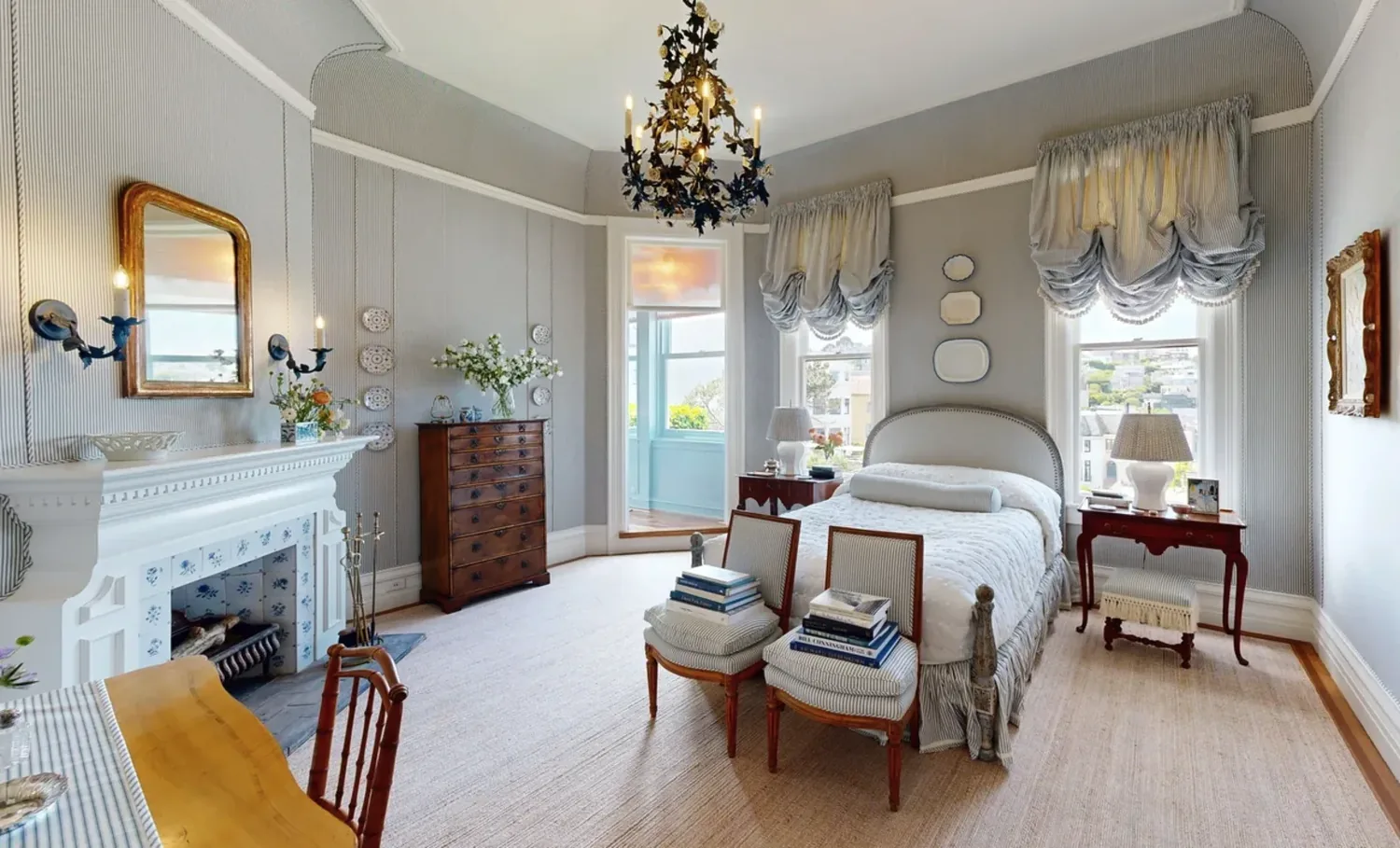
Combining bamboo shades with white curtains can create a beautifully balanced window treatment that enhances both light control and style. The key is understanding how these two elements work together to achieve a cohesive look.
In 2026, the trend is towards layered, natural textures that bring warmth and visual interest without cluttering the space. Built from our active project files, this guide will explore the best styles, pairing tips, installation strategies, and design inspirations for bamboo shades with white curtains. We’ll also discuss how these treatments fit into various interior styles from modern to coastal, along with budget considerations, so you can make informed choices that elevate your Sacramento home with timeless restraint.
Direct Answers (Bamboo Shades With White Curtains)
| What are the benefits of combining bamboo shades with white curtains in Sacramento homes? | This combination creates a balanced, natural look that enhances light control, privacy, and aesthetic appeal, especially suited to Sacramento's warm climate. |
| How can I ensure my bamboo shades and white curtains work well together? | Choose styles that complement each other in texture and scale, such as honey-toned bamboo shades with linen or cotton white curtains, and consider hardware finishes for a cohesive look. |
| Are there specific window sizes or architectural styles in Sacramento that suit bamboo shades with white curtains? | Yes, this layered treatment works well in older homes with varied window sizes and historic details, providing a natural and understated aesthetic. |
| What should I consider when installing bamboo shades with white curtains? | Mount hardware slightly above the window frame for better light and privacy control, and keep hardware minimal with consistent finishes for a seamless appearance. |
The First Major Design Move: Layering for Cohesion and Function
In our active project specifications across Sacramento, the first step in creating a sophisticated window treatment with bamboo shades and white curtains is understanding how they function together. The goal is to balance natural light, maintain privacy, and achieve a seamless aesthetic. We often start by selecting bamboo shades with a warm, honey-toned finish that complements the crisp, clean look of white curtains made from linen or cotton. These textures add visual depth without overwhelming the space.
When layering, the key is to choose styles that work harmoniously. For example, a simple roller bamboo shade paired with a soft, flowing white linen curtain creates a relaxed yet refined look. Hardware choices matter, minimalist, matte black or brushed nickel fixtures tend to keep the focus on the textures and colors. Across our recent projects, we find that the most successful combinations are those that consider the scale of the window and the overall room style. The goal is to create a balanced, cohesive feel that enhances the room’s architecture and natural light.
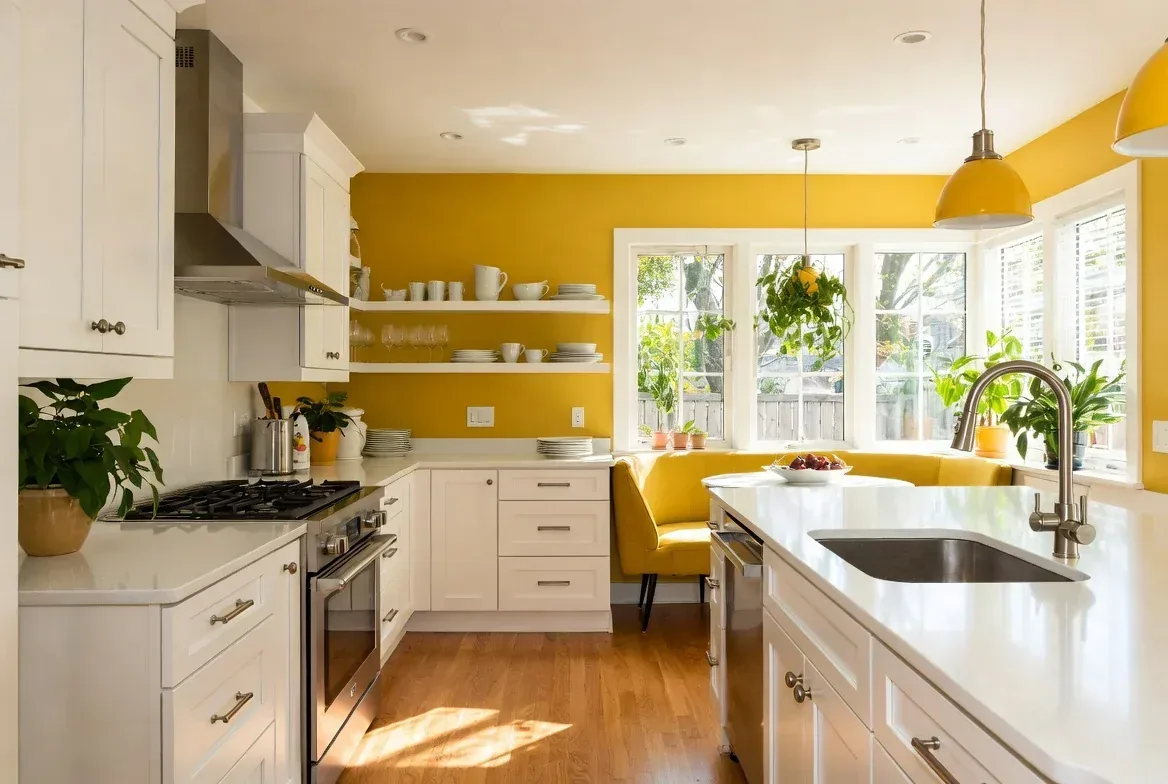
Material Specificity: Choosing Authentic and Complementary Fabrics and Finishes
Authenticity-grade materials
- White oak (rift-sawn), for slats and furniture accents; calmer grain for subtle texture
- Bamboo, sustainable, lightweight, with natural variation
- Linen or cotton, for white curtains, offering softness and breathability
- Matte black hardware, minimal and modern contrast
- Brass or brushed nickel, warm metallic finishes that complement natural textures
- Natural fiber cords, for a tactile finish in hardware detailing
- UV-resistant linings, to prolong the life of curtains and shades
- Low-VOC finishes, for eco-friendly, health-conscious interiors
Generic-grade tells we refuse to spec
- Standard synthetic fabrics, lack texture and authenticity
- Glossy or plastic finishes, detract from natural look
- Heavy blackout linings, reduce light and texture
- Bright white or overly stark fabrics, may clash with warm tones
- Cheap hardware, prone to tarnishing or breakage
- Non-sustainable materials, less eco-friendly
- Thin, flimsy fabrics, poor durability
- Pre-finished, mass-produced shades, less personalized
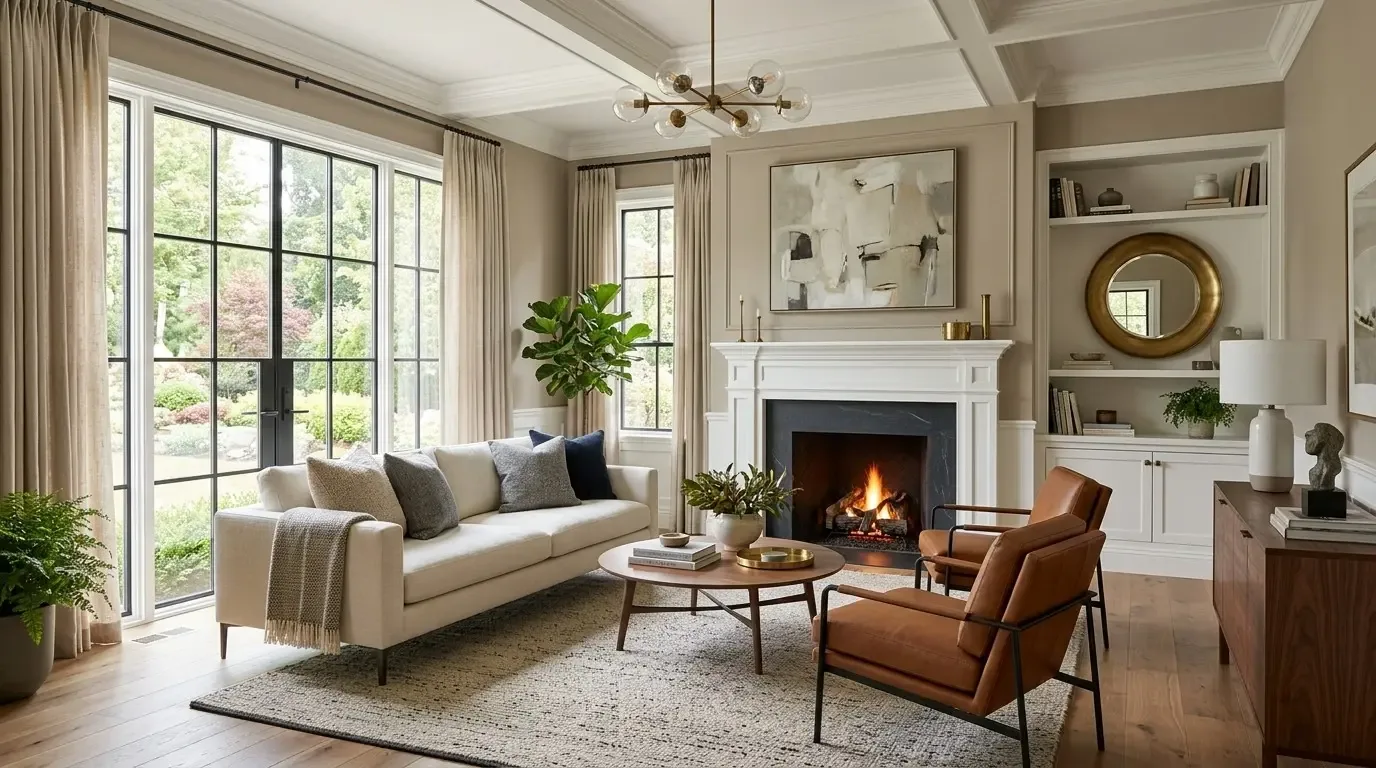
How to Effectively Layer Bamboo Shades with White Curtains for a Cohesive Look
The primary concern for homeowners is achieving a balanced look that provides adequate privacy and light control without feeling cluttered. The first question we ask is what level of light filtration and privacy is desired during different times of day. For instance, in living rooms facing west, a slightly darker bamboo shade with a sheer white curtain can diffuse harsh afternoon sunlight while maintaining openness. In bedrooms, blackout-lined bamboo shades paired with heavier white curtains ensure privacy and restful darkness.
Another key decision involves scale and proportion. The width of the bamboo slats should complement the window size, and the curtain length should pool just above the floor for a relaxed feel or hover for a more tailored look. Installation tips include mounting the hardware slightly above the window frame to maximize natural light and ensure the layered look appears seamless. When layering, keep hardware minimal and finishes consistent to avoid visual clutter. These choices, when carefully planned, result in a cohesive and personalized aesthetic that enhances the overall interior design.
Choosing the Right White Curtains and Bamboo Shades to Match Your Style
Deciding on the specific style of bamboo shades and white curtains depends heavily on your interior aesthetic. For a modern, clean look, opt for sleek roller bamboo shades with white curtains in linen or a smooth cotton blend. For a bohemian or coastal feel, consider woven bamboo shades with textured white curtains that have subtle embroidery or fringe details. The color of white is also important, cooler whites work well in contemporary spaces, while warm whites complement natural wood tones and earthy palettes.
Texture and finish are equally critical. Soft, matte fabrics and natural bamboo create a calming, organic vibe, whereas smoother, stiffer fabrics evoke a more refined, minimalist atmosphere. In our projects, matching the curtain hardware with the window frame finish, such as matte black or brushed nickel, creates a cohesive look that ties the layers together visually. The goal is to select elements that reflect your style while ensuring they work harmoniously in your Sacramento home environment.
Installation Tips for Layering Bamboo Shades and White Curtains
Proper installation is essential to achieving a clean, functional layered look. The first step is to measure carefully, consider mounting hardware above the window frame to allow full coverage and maximize natural light. Use a tape measure and level to ensure the brackets are aligned perfectly. For lighter, more flexible bamboo shades, ceiling or wall mounting works best, while heavier or larger shades may need reinforced brackets.
When hanging white curtains, consider a double rod system to accommodate both layers without interference. The inner rod should be just above the window frame for the curtains to hang naturally, while the outer rod supports the bamboo shades. Use hardware with a low profile to prevent visual clutter. Also, ensure the curtains have enough length to pool slightly on the floor for a relaxed look or hang just above. Thoughtful installation ensures the layered effect is seamless, functional, and visually appealing.
Design Inspirations: Rooms Using Bamboo Shades with White Curtains
In recent Sacramento projects, we’ve seen this layered approach used in a variety of spaces, from cozy living rooms to elegant bedrooms. For a coastal-inspired primary suite, a custom bamboo shade in a warm honey tone paired with flowing white linen curtains creates a serene retreat. In a modern living room, sleek roller bamboo shades combined with crisp white blackout curtains provide a minimalist yet warm aesthetic. The versatility of this pairing allows it to adapt to different design styles, emphasizing texture and natural materials.
Visual examples, such as mood boards and real-space photos, are often missing from many design pages, but they’re crucial for understanding how these layers work in practice. We recommend experimenting with different textures, finishes, and hardware to find the perfect balance for your space. For inspiration, browse our project gallery and see how layered bamboo shades and white curtains can transform a room with understated elegance.
Fitting the Trend into Different Interior Styles: Modern, Bohemian, Coastal
The layered look of bamboo shades with white curtains is highly adaptable. In modern interiors, keep hardware sleek and minimal, with shades in neutral tones and curtains in crisp whites or subtle creams. For bohemian spaces, mix woven bamboo shades with textured, embroidered white curtains and eclectic hardware finishes like antique brass. Coastal styles benefit from natural materials and light colors, think light bamboo shades paired with white curtains in breathable linen fabrics, complemented by driftwood or shell accents.
The key is to select textures and finishes that support your overall aesthetic, whether that’s refined and restrained or relaxed and layered. This approach is particularly well-suited to Sacramento homes that blend historic charm with contemporary updates, allowing homeowners to create personalized, timeless interiors that celebrate natural materials and understated elegance.
Cost Considerations and Budget-Friendly Options in Sacramento
In Sacramento, the cost of layered window treatments can vary widely based on materials, size, and custom options. For a budget-friendly approach, consider ready-made bamboo shades paired with standard white linen curtains from local fabricators or retailers like Etsy or Wayfair. These options often cost between $200 and $600 per window, depending on size and fabric choice. For mid-tier projects, custom-fabricated bamboo shades with higher-quality hardware and lined curtains can range from $800 to $1,500 per window.
For estate-scale renovations or high-end interiors, fully custom treatments with premium woods, hand-finished hardware, and designer fabrics can exceed $2,500 per window. The key to making these choices work within budget is balancing quality with scale, prioritizing high-impact windows and opting for more economical treatments elsewhere. We recommend consulting local specialists who understand Sacramento’s architectural style and can provide options that deliver both style and value.
Observed Failure Modes, How Bamboo Shades With White Curtains Goes Wrong
From our project debriefs and post-occupancy reviews, 2023-2026.
Poor Layering Proportions
One common failure we see is misjudging the proportions of the layered treatments. When bamboo shades are too wide or heavy relative to the white curtains, the overall look feels unbalanced and cluttered. Conversely, if the curtains are too short or hang too loosely, they can disrupt the sleek layering effect. To fix this, measure carefully and consider the scale of the window and room. The first question we ask is what visual weight and coverage the homeowner desires during different times of day. Using painter’s tape to mock up the layers can help visualize the final look before committing to hardware or fabric cuts.
Inconsistent Hardware Finishes
Many projects suffer from hardware that does not match or complement the finishes of other fixtures in the room. For example, mixing matte black shades with shiny brass curtain rods creates visual discord. The solution is to choose hardware finishes that align with the overall interior palette. The American Society of Interior Designers emphasizes consistency in finishes to create harmony. When installing layered treatments, opt for hardware in a single finish, such as brushed nickel or matte black, and ensure it is scaled appropriately for the window size. This attention to detail elevates the layered look from functional to refined.
Ignoring Privacy and Light Control Needs
Another mistake is choosing treatments based solely on aesthetics without considering functional needs. Bamboo shades are often marketed for their style, but if they lack proper lining or the right slat design, they may not provide enough privacy or light filtering in Sacramento’s varied climate. The first question we ask homeowners is how much privacy and light control they need at different times of day. Incorporating lined bamboo shades or adding sheer curtains can solve these issues without sacrificing style, ensuring the layered treatment works for daily living.
Poor Installation and Alignment
Incorrect hardware placement can ruin the layered effect and cause operational issues. If the hardware is mounted too close to the window frame or unevenly aligned, the layers may bunch or hang awkwardly. Using a story pole and level during installation is essential. For larger windows, reinforced brackets prevent sagging. When hanging curtains, a double rod system allows for easy adjustment and cleaner layering. Proper planning and precise measurements are crucial to achieving a polished, professional look.
What's Going Out for 2026
- Overly ornate or heavy window treatments
- Bright, synthetic white fabrics
- Dark, opaque bamboo shades in small spaces
- Matching treatments that lack texture
- Hardware that distracts from the layered look
- Ignoring natural light flow
- Mass-produced, generic treatments
- Overly busy or mismatched layers
What Bamboo Shades With White Curtains Costs in 2026
| Scope | Typical range |
|---|---|
| Refresh scope with basic materials and standard sizes | $250-$700 |
| Mid-tier custom treatments with upgraded hardware | $1,000-$2,000 |
| Estate-scale, fully custom layered treatments with premium materials | $3,000+ |
Working Notes
What We Have Learned Doing This: Bamboo Shades With White Curtains
“Nothing expensive announces itself. It shows up as a small delay.”
Specify for the next ten years, not the next photo shoot. The work that holds its value is quiet, well made, and a little bit boring on the day it is installed.
Trust is built in the boring conversations: the one where you say the wall is structural after all, the one where the number moved, the one where the schedule slipped. Clients forgive reality. They do not forgive being surprised by it.
After enough projects you stop fearing bad taste and start fearing the boring things: delays, sequencing mistakes, moisture behind a wall, an electrician improvising, framing that is not where the drawings swear it is. The aesthetic part still matters, it is why anyone hires anyone, but execution decides whether the room ever gets built the way it was drawn.
These notes come from our own bamboo shades with white curtains project debriefs. Most were learned the expensive way the first time.
Sources & Professional References
This guide's positions on permits are grounded in published building-code, standards, and recognized design-authority sources, alongside Designed | Curated Interiors' verified credentials and active project files:
- International Code Council (ICC): Careers In Code Enforcement
- International Code Council (ICC): Chapter 17 Special Inspections And Tests
- NKBA, Amy Kunst Member Profile (verified credential, NKBA Committee Member)
- Featured in: Homes & Gardens (design expert quote, May 2026) · Sacramento Love (guest author, 2024)
Frequently Asked
What are the benefits of combining bamboo shades with white curtains in Sacramento homes?
How can I ensure my bamboo shades and white curtains work well together?
Are there specific window sizes or architectural styles in Sacramento that suit bamboo shades with white curtains?
What should I consider when installing bamboo shades with white curtains?
Can layered bamboo shades and white curtains help me save money?
Are there any local permits or codes I should be aware of when installing window treatments in Sacramento?
From Bamboo Shades With White Curtains to a Real Room
A trend piece is the briefing document, not the deliverable. The pages below show how we translate these principles into finished rooms across Sacramento and the rest of Northern California.
- Sacramento & Bay Area Interior Design Services How we scope, source, and deliver work end to end.
- Interior Designer Hub, Sacramento Where most of our Sacramento work lives, the regional fit explained.
- Modern Tudor Homes: Authentic, Revival, and Neo-Tudor (A Designer Reference) Heritage-architecture renovation patterns from our project files.
- Japandi Living Room: A Designer's Guide to the 2026 Look The 2026 warm-neutral playbook applied to the living room.