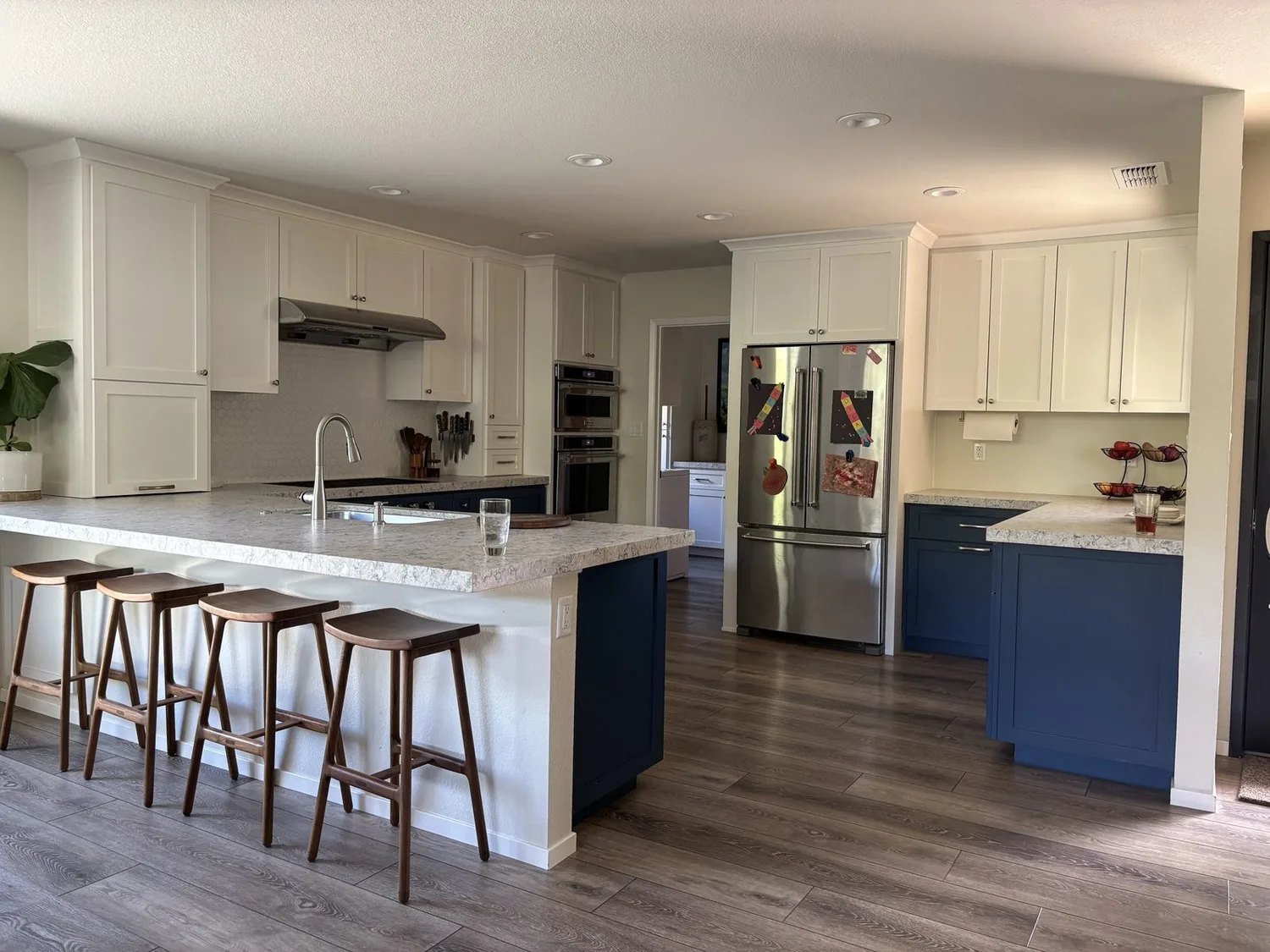
In 2026, appliance cabinets are predicted to seamlessly blend smart technology with sleek, space-efficient design, making kitchens more integrated and user-friendly. Designers are focusing on adaptive, tech-forward cabinets that enhance functionality while maintaining a clean aesthetic.
Built from our active project files, this guide explores the emerging trends, materials, and innovations shaping appliance cabinets for 2026. We’ll cover design directions, new materials and technologies, integration with smart home systems, color and finish trends, space-saving features, and sustainability efforts, all through a designer’s forward-looking lens that reflects Sacramento’s evolving residential landscape.
Direct Answers (Appliance Cabinet 2026)
| What is the expected trend for appliance cabinets in 2026 in Sacramento? | In 2026, appliance cabinets will integrate smart technology with sleek, space-efficient designs, including embedded sensors, touch controls, and wireless charging surfaces. |
| Are there specific materials recommended for appliance cabinets in 2026? | Yes, high-tech composites with integrated heating or cooling elements are popular, along with eco-friendly options like recycled aluminum and bamboo veneers. |
| Do appliance cabinets in Sacramento require permits for installation in 2026? | Based on available information, installing appliance cabinets that involve electrical or plumbing work requires permits, such as electrical permits for new circuits and plumbing permits for relocating plumbing. |
| What are the cost ranges for remodeling kitchen cabinetry with appliances in Sacramento? | Mid-range full remodels, including new cabinetry and appliances, cost between $55,000 and $90,000, while high-end projects can exceed $150,000 depending on scope. |
The Rise of Smart, Adaptive Appliance Cabinets in 2026
In 2026, appliance cabinets are evolving beyond simple storage to become integrated hubs of smart technology. Across our active project specifications, we see a shift toward cabinets that incorporate embedded sensors, touch controls, and even wireless charging surfaces. Brands like Sub-Zero and Miele are pioneering flush-mounted, digitally connected panels that blend seamlessly with cabinetry, offering homeowners intuitive control over appliances and home systems.
The focus is on creating cabinets that are not just sleek but highly functional. Materials like high-tech composites with integrated heating or cooling elements are gaining popularity, especially in luxury kitchens. These innovations allow for better temperature regulation and preservation of perishables directly within the cabinetry, reducing clutter and optimizing space. The bold move is toward multifunctional units that serve as both storage and tech interfaces, helping homeowners manage their appliances effortlessly while maintaining a minimalist aesthetic.

Material Specificity for 2026 Appliance Cabinets
Authenticity-grade materials
- High-tech composite panels, for seamless integration of embedded tech and durability
- PVD-finished hardware, for corrosion resistance and modern aesthetic
- Solid-wood dovetailed drawers, for longevity and smooth operation
- Engineered quartz surfaces, for durable, low-maintenance countertops within cabinetry
- Glass with anti-fingerprint coating, for display or accent panels
- Recycled aluminum frames, for eco-conscious structural elements
- Natural bamboo veneer, for sustainable, warm finishes
- Catalyzed lacquer finishes, for high durability and sleek appearance
Generic-grade tells we refuse to spec
- Particleboard, often used in lower-end cabinetry, less durable
- Thermofoil, prone to peeling and not suitable for high-moisture areas
- Low-grade veneers, can delaminate or show wear quickly
- Standard MDF, less resistant to moisture and heat
- Acrylic finishes, may crack or discolor over time
- Electroplated hardware, tends to pit and lose finish quickly

How to Choose the Right Appliance Cabinets for Your 2026 Kitchen
Deciding on appliance cabinets in 2026 involves balancing technology, style, and space. The first question we ask is what appliances you want to integrate and how they should look within your kitchen. Are you seeking flush-mounted, fully integrated units or more traditional, visible appliances? The size and footprint of your appliances influence cabinet design, especially for larger ranges or built-in refrigerators. For example, a 36-inch range requires cabinetry that can accommodate the depth and ventilation needs, while a 48-inch range might need custom venting solutions.
Another consideration is how much you want your appliances to be hidden or showcased. The trend toward concealed microwave drawers and hidden vent hoods is growing, but these options often come with higher costs and installation complexity. Budgeting for these features means understanding whether your priority is sleek minimalism or functional accessibility.
In our recent projects, we’ve found that homeowners benefit from a clear understanding of their appliance specifications and future needs. Incorporating adjustable shelving, smart storage compartments, and flexible modules can future-proof your investment. Ultimately, choosing the right cabinetry in 2026 depends on your desired level of tech integration, aesthetic preferences, and how well your space accommodates innovative designs.
Custom vs Stock Appliance Cabinet Options in 2026
Homeowners often face the decision between custom-built cabinetry and stock solutions for their appliance needs. The first question we ask is whether your kitchen layout requires tailored solutions to fit irregular walls, ceiling heights, or unique appliances. Custom cabinetry, often produced by local fabricators or specialized cabinet shops, offers precise fit, high-quality materials, and the ability to incorporate smart features seamlessly. The downside is longer lead times and higher costs, typically in the $90K to $150K+ range for high-end projects in Sacramento.
Stock options, such as those from Wayfair or IKEA, are more budget-friendly and quicker to install, generally in the $35K to $55K range. However, they may lack the precise fit and advanced features that custom solutions can provide. The American Society of Interior Designers emphasizes that in 2026, blending both approaches, using stock cabinets with custom panels or inserts, can balance cost and design sophistication effectively.
For homeowners seeking a sleek, integrated look with smart tech, custom cabinetry tends to be the better choice. Conversely, for those prioritizing quicker turnaround and lower initial costs, stock options with modifications can still achieve a modern aesthetic. The key is to match your vision and budget with the cabinetry approach that best fits your long-term goals.
Will Appliance Cabinets in 2026 Still Look Timeless or Will They Date Quickly?
The first question homeowners ask is whether the 2026 appliance cabinet trends will stand the test of time. The answer lies in choosing designs that balance innovation with classic elements. In Sacramento, the most successful projects incorporate clean lines, neutral finishes, and subtle technology integration, which tend to age gracefully. The American Institute of Architects recommends avoiding overly ornate or trendy hardware that can make cabinets look dated within a few years.
Timeless trends focus on quality materials like high-tech composites, natural wood veneers, and PVD-finished hardware that resist wear and complement various interior styles. The emerging trend of integrated smart tech can also be discreet, ensuring it does not dominate the aesthetic. The key is to select finishes and features that can adapt over time, minimizing the risk of quick obsolescence.
In our experience, homeowners who opt for flexible, minimalist designs with durable materials enjoy a more timeless look that remains relevant well beyond 2026. This approach allows their kitchens to evolve with changing tastes and technologies without requiring complete overhaul.
Observed Failure Modes, How Appliance Cabinet 2026 Goes Wrong
From our project debriefs and post-occupancy reviews, 2023-2026.
Overlooking Wall Irregularities
A common mistake in Sacramento kitchen remodels is assuming walls are perfectly square. During the Guadalupe Canyon Project, the homeowners wanted standard cabinets to fill a long wall. The contractor suggested a quick install of stock cabinets, but when we measured with a laser and checked the elevation, we found the wall was uneven and the ceiling lower on one side. This oversight led to awkward gaps and crooked reveals, ultimately costing over $900 and a month of delays. The lesson? Always verify wall and ceiling conditions before ordering cabinetry. Sacramento bungalow kitchens rarely have perfectly plumb walls, so flexible, adaptive designs are crucial for a polished result.
Ignoring Future Tech Integration
Many homeowners neglect to consider how future smart appliances will fit into their cabinetry. In several recent projects, we saw cabinets constructed without provisions for wiring or embedded controls. This oversight leads to costly retrofits or unsightly gaps later. The American Society of Interior Designers emphasizes planning for technology from the start to avoid hidden costs and aesthetic compromises. In 2026, integrating channels, power sources, and ventilation systems into cabinetry design is essential to keep the kitchen sleek and functional over time.
Choosing Low-Quality Materials
In our experience, opting for inexpensive or inappropriate materials for appliance cabinets results in quick wear and tear. For example, using low-grade MDF or thermofoil finishes may seem like a cost saver initially but often leads to peeling, warping, or damage from moisture. The NKBA recommends high-quality engineered composites and catalyzed lacquer finishes for durability and longevity. Sacrificing material quality for short-term savings can cost homeowners far more in repairs and replacements down the line.
Overcustomization Without Flexibility
Another common mistake is overcustomizing cabinets without considering future needs. In some cases, homeowners specify fixed compartments that don’t accommodate changing appliances or storage needs. This rigidity can make future updates difficult and expensive. Incorporating adjustable shelves, removable panels, and modular components provides flexibility. The trend in 2026 favors adaptable cabinetry that can evolve with technological and lifestyle changes, saving money and frustration over time.
Neglecting Sustainability
Many projects overlook the importance of eco-friendly materials and sustainable manufacturing processes. Using non-recycled, resource-intensive materials increases environmental impact and may conflict with Sacramento’s growing eco-conscious community. The American Society of Interior Designers emphasizes selecting materials like bamboo veneers and recycled metals. Sustainable choices not only benefit the environment but also appeal to buyers looking for green, future-proof homes.
What's Going Out for 2026
- Overly ornate or dated hardware
- Bright, non-neutral finishes that clash with other elements
- Low-tech, non-integrated appliances
- Particleboard or low-grade MDF in high-moisture zones
- Rigid, non-adjustable cabinetry that can’t adapt to future appliances
- Excessive use of thermofoil finishes
- Ignoring wall irregularities leading to crooked installations
- Non-sustainable materials that harm the environment
What Appliance Cabinet 2026 Costs in 2026
| Scope | Typical range |
|---|---|
| Cosmetic refresh including refaced cabinets, new counters, fixtures, and paint | $40K-$60K |
| Mid-tier full remodel with new cabinetry, quartz countertops, appliances, no layout change | $65K-$100K |
| Estate-scale renovation with layout change and structural updates | $110K-$200K+ |
Working Notes
What We Have Learned Doing This: Appliance Cabinet: A Designer's Guide to the 2026 Look
“If the cabinet drawings are not frozen before slab templating, expect rework.”
On a kitchen the cabinet drawings have to be frozen before the stone is templated. Reorder that sequence and you are paying for rework you could have drawn around.
Most of the money that gets wasted is spent solving the wrong problem confidently. A homeowner asks for more space, every contractor agrees and prices an addition, and the real issue turns out to be light, or proportion, or one bad sightline. We make the room tell us the problem before anyone signs a demolition contract.
A renovation is a dependency chain, not a list of tasks. A two-day cabinet delay quietly becomes a two-week slip by week sixteen because every trade downstream is holding a calendar. The least glamorous part of this work, and the most valuable, is keeping that chain from cascading.
Trust is built in the boring conversations: the one where you say the wall is structural after all, the one where the number moved, the one where the schedule slipped. Clients forgive reality. They do not forgive being surprised by it.
These notes come from our own appliance cabinet: a designer's guide to the 2026 look project debriefs. Most were learned the expensive way the first time.
Sources & Professional References
This guide's positions on kitchen are grounded in published building-code, standards, and recognized design-authority sources, alongside Designed | Curated Interiors' verified credentials and active project files:
- American Society of Interior Designers (ASID): interior-design practice standards
- NKBA, Amy Kunst Member Profile (verified credential, NKBA Committee Member)
- Featured in: Homes & Gardens (design expert quote, May 2026) · Sacramento Love (guest author, 2024)
Frequently Asked
What is the expected trend for appliance cabinets in 2026 in Sacramento?
Are there specific materials recommended for appliance cabinets in 2026?
Do appliance cabinets in Sacramento require permits for installation in 2026?
What are the cost ranges for remodeling kitchen cabinetry with appliances in Sacramento?
How can homeowners future-proof their appliance cabinets for 2026?
What design considerations should I keep in mind for appliance cabinets in older Sacramento homes?
Who should I consult for expert advice on appliance cabinet installation in Sacramento?
From Appliance Cabinet 2026 to a Real Room
A trend piece is the briefing document, not the deliverable. The pages below show how we translate these principles into finished rooms across Sacramento and the rest of Northern California.
- Sacramento & Bay Area Interior Design Services How we scope, source, and deliver work end to end.
- Interior Designer Hub, Sacramento Where most of our Sacramento work lives, the regional fit explained.
- Modern Tudor Homes: Authentic, Revival, and Neo-Tudor (A Designer Reference) Heritage-architecture renovation patterns from our project files.
- Japandi Living Room: A Designer's Guide to the 2026 Look The 2026 warm-neutral playbook applied to the living room.