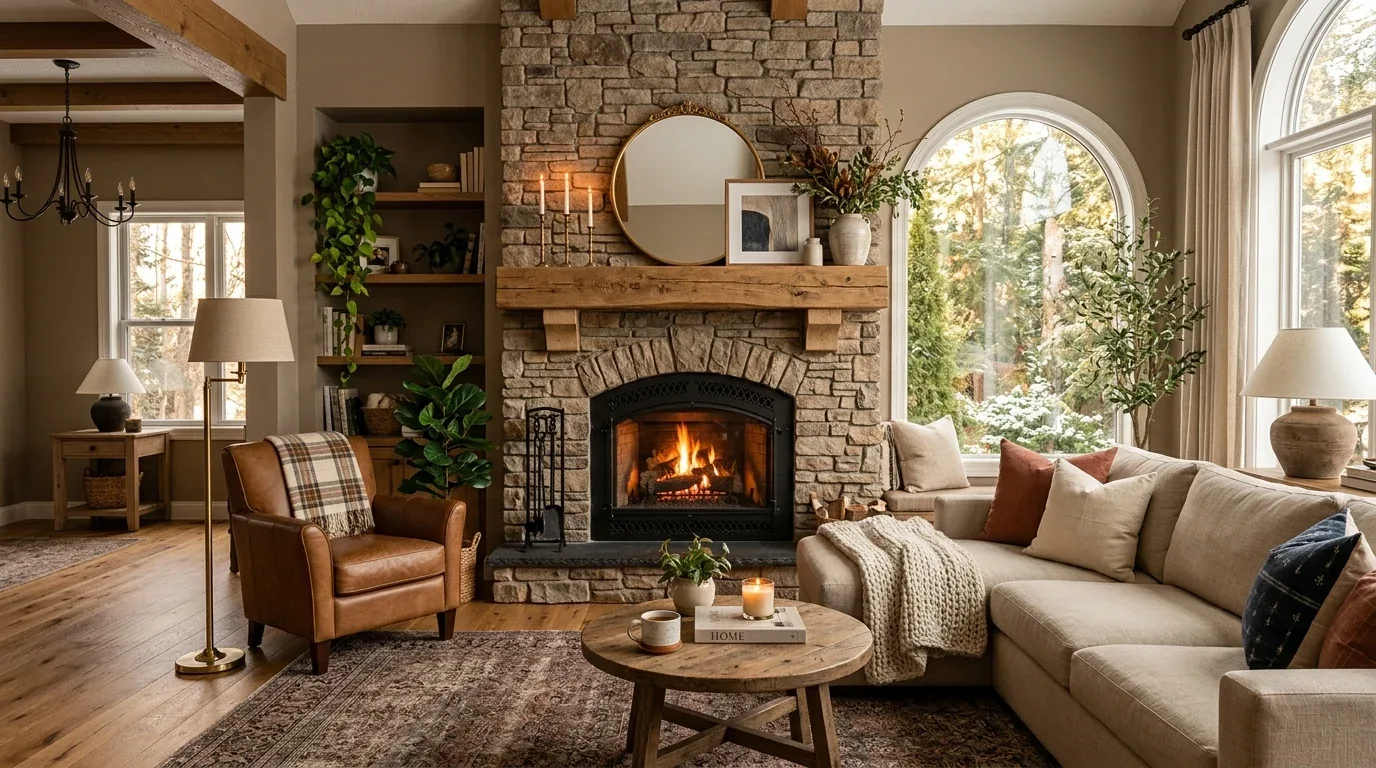
Choosing paint in 2026? Get clear on what acrylic and latex truly offer. Acrylics hold up well and go green. We’ll see which paint suits you best.
How’s acrylic in kitchens or baths? Our work links Sacramento's vibe with 2026 design calls.
Common Questions
| What are the main differences between acrylic and latex paint in 2026? | Acrylic's greener. Latex still holds. |
| Which paint type is better for high-traffic areas like kitchens and bathrooms? | For a busy hallway or a kitchen corner that gets a lot of action, go acrylic. It's tough. No cracks or peeling. |
| Are there cost differences between acrylic and latex paints in 2026? | Price gap's shrinking. High-quality options in both now. |
| How do regional factors in Sacramento influence the choice between acrylic and latex paint? | Old Sacramento homes need acrylic. Handles moisture. |
The First Major Design Move: Choosing the Right Paint for Longevity and Sustainability
Across our active project specifications, the decision between acrylic and latex paints often hinges on durability and environmental impact. Acrylic's better now, thanks to new polymer binders. Sherwin-Williams makes acrylic that survives kitchens and baths.
Latex paints dry fast, keep color better these days. We like low-VOC latex. Acts like acrylic, but easier to use. The key is understanding that the latest formulations are often hybrid, combining the best of both worlds, which allows us to specify paints that meet both aesthetic and environmental standards effectively.
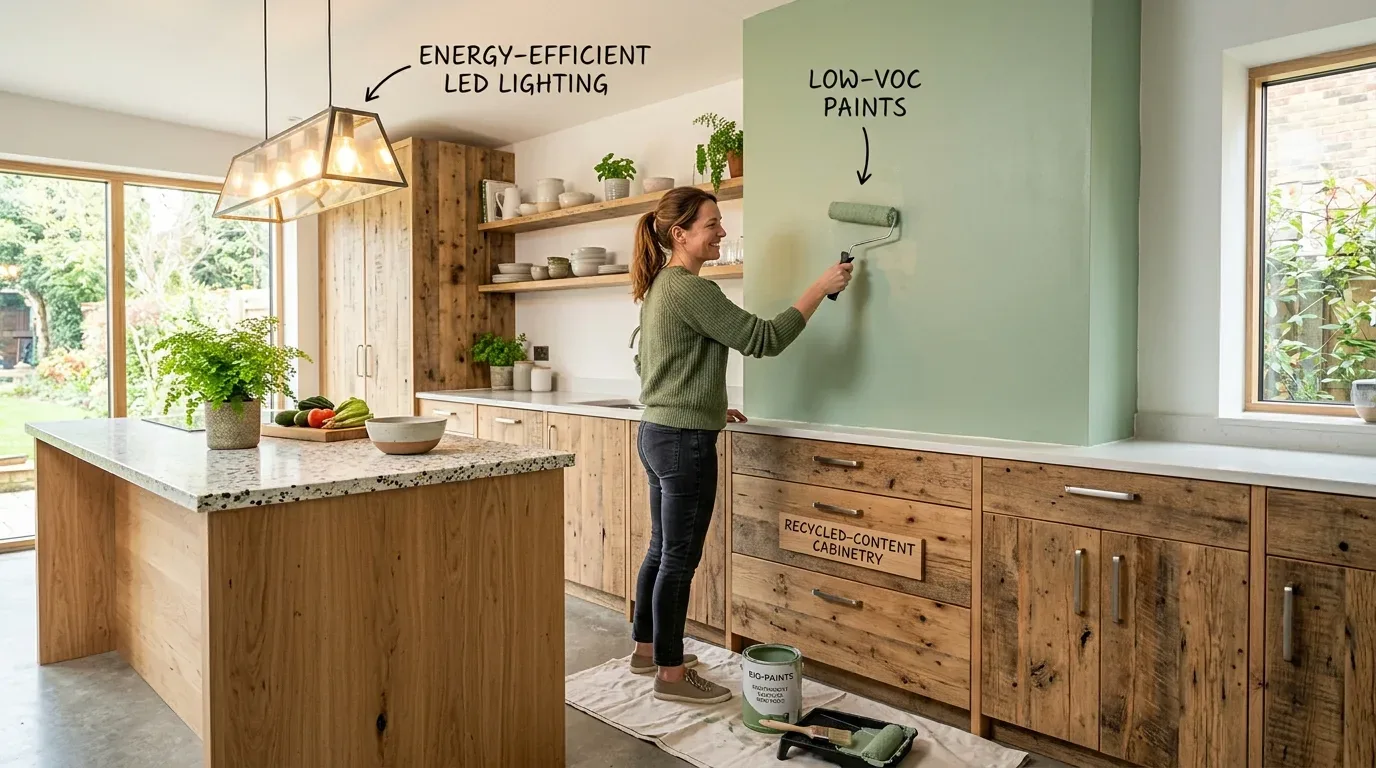
Material Specificity: Authentic & Generic Choices
Authenticity-grade materials
- Low-VOC Acrylics, advanced formulations for durability and eco-friendliness
- Acrylic Enamel, hard, glossy finish ideal for trim and cabinetry
- Waterborne Acrylics, cleaner, faster-drying, with improved environmental profiles
- Low-VOC Latex, flexible, easy to apply, with improved color retention
- Hybrid Acrylic-Latex, latest formulations combining durability with ease of use
- Sustainable Paints, made with recycled content and low-impact binders
- Zero-VOC Paints, for sensitive spaces and eco-conscious projects
- High-Gloss Acrylics, for accent walls and architectural features
Generic-grade tells we refuse to spec
- Standard Oil-Based Paints, older, higher VOC, less eco-friendly
- Traditional Latex Paints, limited durability, poor environmental profile
- High-VOC Paints, outdated, harmful to indoor air quality
- Cheap Water-Based Paints, inconsistent finish, poor longevity
- Generic Flat Paints, limited washability, dull finish
- Standard Enamels, higher VOC, less flexible
Comparative Architecture and Alternatives
| Style | Durability | Environmental Profile | Cost Range | Application Ease |
|---|---|---|---|---|
| Durability | Acrylic paints offer superior resistance to cracking and peeling, especially with recent technological advances. | With recent updates, latex paints handle most indoor walls well. | Hybrids mix durability with some give. Middle ground. | |
| Environmental Impact | Acrylics now feature low-VOC and zero-VOC options with sustainable binders. | Latex paints are constantly improving, with much lower emissions now. | Hybrids are both eco-friendly and tough. Great for kids' rooms. | |
| Cost | Premium acrylics tend to be higher in price but offer longer lifespan and better finish. | Latex costs less. Easy for DIY. | Hybrids fit the mid-price bracket. | |
| Application & Drying | Acrylics often require longer drying times but provide richer finishes. | Latex dries fast, easy for layers. | New paints dry fast and work well. |
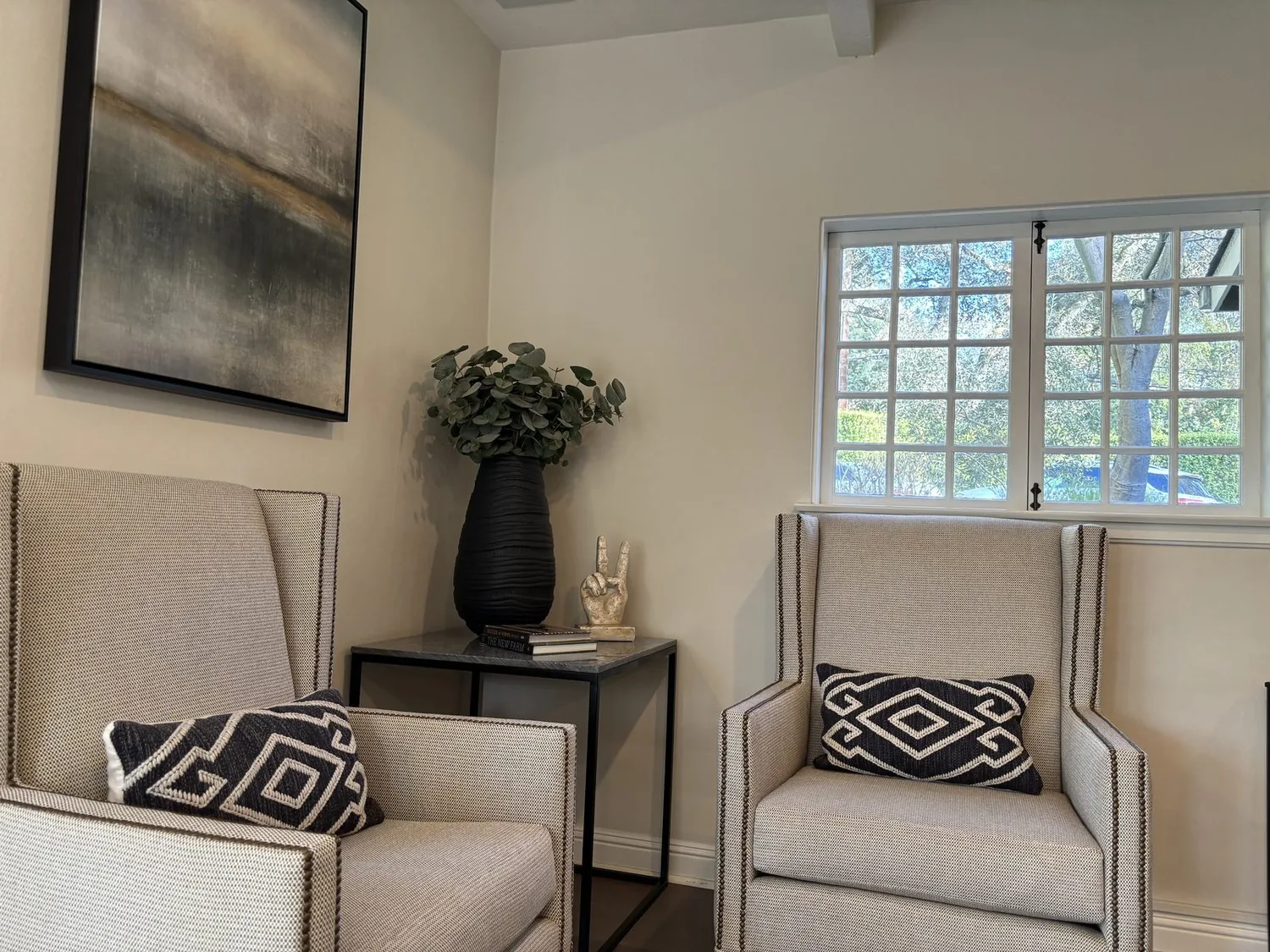
Should You Choose Acrylic or Latex Paint for Your Interior Walls?
The first question we ask homeowners is: what is the primary use of the space and what level of durability do you need? In kitchens, try new acrylics. They really protect against stains. Low-VOC latex paints dry fast and apply easily, durable too.
Prices are narrowing between top acrylics and regular latex. Think about moisture, especially if your Sacramento home is older. Hybrids mix eco perks with strength. Think about budget and eco goals.
Which Paint Finish and Formulation Is Best for Moisture-Prone Spaces?
Bathrooms need moisture-resistant paint. Always. Acrylic or latex made for humidity. Either can work. Modern acrylic enamels resist water, clean easy. New waterborne acrylics dry fast, fewer VOCs, great for Sacramento homes.
Latex helps with moisture issues. Do prep well and make sure the room's ventilated. The American Society of Interior Designers emphasizes selecting finishes that balance durability with environmental safety. Semi-gloss or satin finishes suit bathroom walls. Easy cleanup. Sturdy over time.
Is It Better to Refinish or Rebuild in Sacramento's Aging Homes?
Sacramento folks often wonder about updating paint or gutting for a fresh start. I always start by checking what shape the walls are in and what the client wants to see. Older Sacramento houses with vintage drywall? Pick durable eco-paints to keep their charm intact. You want to keep those historic details? Check out the latest low-VOC acrylics.
Sometimes, you need to rebuild if there's major water damage or to meet code. Most of the time, good paint choices boost value without needing a full rebuild. First off, check those surfaces with a light meter or just walk through. Headaches saved, trust me, especially here.
Observed Failure Modes We See in the Field
From our project debriefs and post-occupancy reviews, 2023-2026.
Ignoring Surface Condition
Applying paint over surfaces that are uneven, cracked, or moist often leads to premature failure, cracking, and peeling. Thinking paint will cover up problems is a pricey mistake. Before you paint, check the walls for dryness and evenness, especially in older homes here in Sacramento. Patch up and test for moisture before starting. You'll skip headaches and high costs.
Choosing the Wrong Finish
Selecting a flat or matte finish in high-traffic or moisture areas can lead to quicker wear and difficulty cleaning. Choosing aesthetics over function? Big mistake. Semi-gloss or satin finishes shine in kitchens and bathrooms. These paints can take on moisture. Following manufacturer recommendations and industry guidance, such as those from the NKBA, can help specify the right finish for durability without sacrificing style.
Overlooking Environmental Impact
Using high-VOC paints in enclosed spaces or in homes with sensitive residents can lead to indoor air quality issues. Low-VOC paints? Definitely worth using. Easy to find now. Sacramento loves green choices. Sustainable paint helps air quality too. Watch those VOCs. Look for certifications to avoid health issues.
Underestimating Drying and Application Times
Not considering the drying times of different paints can extend project timelines and increase labor costs. Acrylics and latex dry faster, speeding up work. Some dry in just an hour. Skip the guidelines? You'll be repainting in no time. Knowing product specs means faster finishes, key in Sacramento.
Neglecting Regional Climate Factors
Sacramento’s hot, dry summers and humid winters demand paint formulations that can withstand temperature swings and moisture exposure. Peeling or fading? It's from ignoring local factors. Pick acrylic or hybrid paints that handle Sacramento's sun. They keep color and surface intact for years. Talk to local pros. Follow building codes like those from Sacramento's Development Department for durable finishes.
What's Going Out for 2026
- Using outdated oil-based paints in interior projects
- Ignoring low-VOC or eco-friendly options
- Choosing finishes not suited for high-moisture areas
- Overlooking surface condition assessments
- Specifying only traditional latex without recent innovations
- Ignoring regional climate influences on paint performance
- Applying paint without proper surface preparation
- Neglecting to consider long-term maintenance
What This Costs in 2026
| Scope | Typical range |
|---|---|
| Refresh scope: single room repaint with standard low-VOC latex or acrylic | $2K-$4K |
| Mid-tier scope: multiple rooms with premium low-VOC hybrid paints and detailed prep | $8K-$15K |
| Estate-scale: entire home with custom formulations, moisture barriers, and specialty finishes | $30K-$80K |
Working Notes
What We Have Learned Doing This: Acrylic vs Latex Paint: A Designer's Guide to the 2026 Look
“If a color is named in three magazines this year, it will date faster than its lifespan. Choose colors that have looked tasteful for twenty years.”
Wait until the floors and lighting are in. That's when you choose the paint.
Get those long-lead items on order first. Plan so everything else can keep moving. Appliances, stone, and millwork set the pace. Ignoring that means losing a month you can't get back.
Old houses lie, and so do new ones. Even homes just a decade old have surprises in store. Plans often clash with reality. We've long stopped trusting old drawings, past work, or the phrase 'it should be fine.' Budgets should include a buffer for surprises during demo, around 15 to 20% once walls open.
After some projects, you worry less about taste and more about delays, framing errors, and unexpected issues. Looks matter, they get you hired. But proper execution is what makes sure the room turns out like the plans.
These notes come from our own project debriefs. Most were learned the expensive way the first time.
Sources & Professional References
This guide's positions on materials are grounded in published building-code, standards, and recognized design-authority sources, alongside Designed | Curated Interiors' verified credentials and active project files:
- American Society of Interior Designers (ASID): interior-design practice standards
- International Code Council (ICC): Chapter 8 Interior Finish Decorative Materials And Furnishings
- NKBA, Amy Kunst Member Profile (verified credential, NKBA Committee Member)
- Featured in: Homes & Gardens (design expert quote, May 2026) · Sacramento Love (guest author, 2024)
From Principle to a Real Room
A trend piece is the briefing document, not the deliverable. The pages below show how we translate these principles into finished rooms across Sacramento and the rest of Northern California.
- Sacramento & Bay Area Interior Design Services How we scope, source, and deliver work end to end.
- Interior Designer Hub, Sacramento Where most of our Sacramento work lives, the regional fit explained.
- Modern Tudor Homes: Authentic, Revival, and Neo-Tudor (A Designer Reference) Heritage-architecture renovation patterns from our project files.
- Japandi Living Room: A Designer's Guide to the 2026 Look The 2026 warm-neutral playbook applied to the living room.