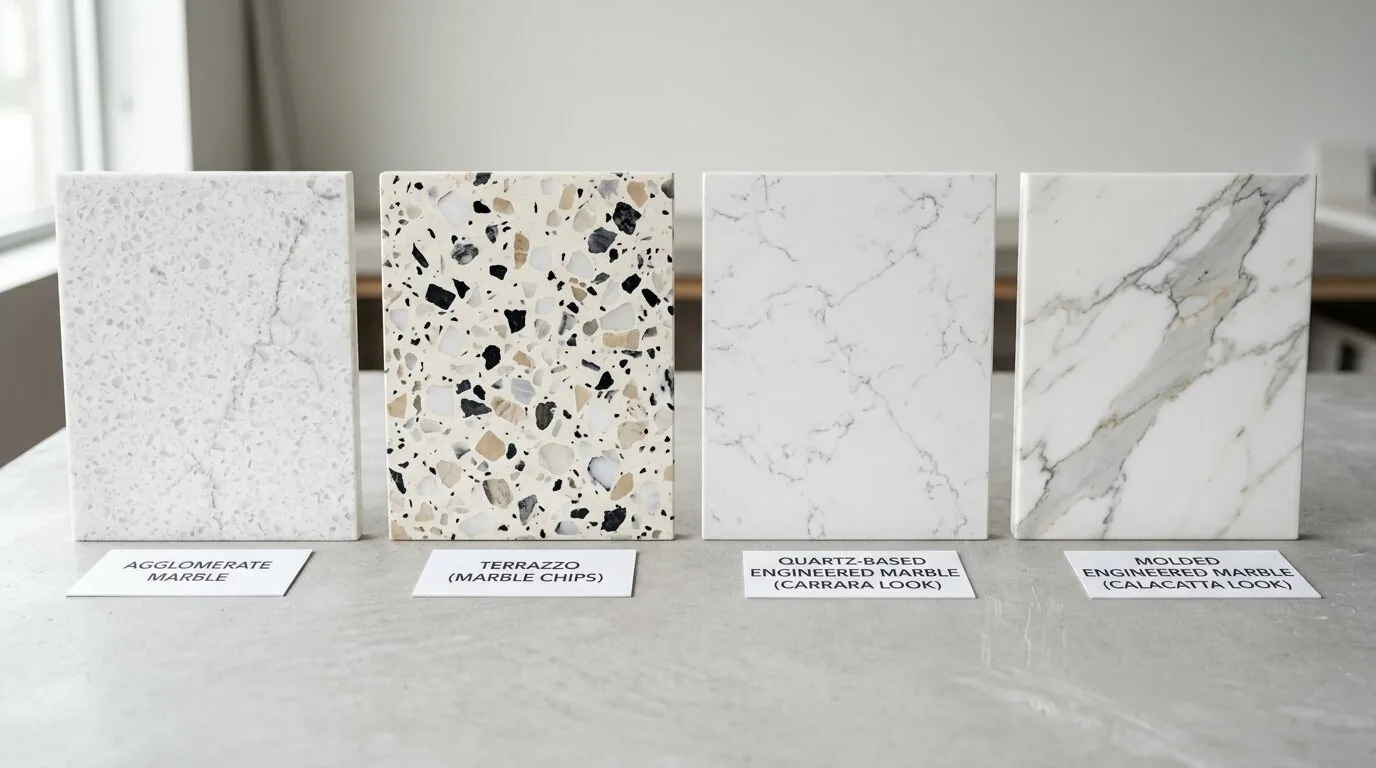
In 2026, interior design styles are predicted to shift toward more personalized, technologically integrated, and nature-inspired aesthetics. If you're seeking inspiration for future projects or personal spaces, understanding these emerging styles is key. These seven interior design styles projected for 2026 reflect a move toward sustainable, flexible, and culturally resonant environments.
Built from our active project files, this guide will explore each style’s defining characteristics, key materials, colors, and textures. We will also discuss how these styles differ from current trends in 2023, how they can be incorporated into various spaces, and which influential designers are championing them. Expect a forward-looking perspective that aligns with broader cultural and technological shifts shaping interior environments in 2026.
Common Questions
| What are the 7 types of interior design projected for 2026? | The article highlights seven emerging interior design styles for 2026, focusing on sustainability, technology, and nature-inspired aesthetics. |
| How will interior design styles in 2026 differ from those in 2023? | Styles in 2026 are predicted to be more personalized, technologically integrated, and environmentally conscious compared to 2023 trends. |
| What materials are expected to be popular in 2026 interior design? | Reclaimed wood, biodegradable composites, and low-VOC paints are among the eco-friendly materials anticipated to be popular. |
| How does Sacramento's regional architecture influence future interior design styles? | Sacramento's mix of mid-century modern and traditional homes supports styles like organic contemporary and sustainable minimalism that emphasize eco-consciousness and natural light. |
The Rise of Sustainable and Tech-Integrated Design
In 2026, sustainability and technology are no longer optional but essential elements of interior design. Across our active project specifications, we see a clear shift toward eco-friendly materials like reclaimed wood and biodegradable composites. These materials are paired with smart home features that improve energy efficiency and user convenience, such as integrated lighting systems and climate control. Brands like Ember and Lutron are leading the way with sleek, intuitive interfaces that blend seamlessly into modern interiors.
This move toward environmentally conscious and technologically smart environments reflects broader cultural shifts emphasizing responsibility and innovation. Designers are now curating spaces that are flexible, adaptable, and deeply connected to ecological and digital trends. This approach not only aligns with future regulations but also appeals to a growing demographic that values transparency, health, and connectivity in their living spaces.
Material Specificity in 2026
Authenticity-grade materials
- Reclaimed oak (rift-sawn), for floors and furniture, offering durability and eco-friendliness
- Bamboo composites, sustainable, fast-growing alternative for cabinetry and panels
- Porcelain tiles with textured finishes, for durability and tactile interest in high-traffic areas
- Low-VOC paints, for healthier indoor air quality
- Cork wall coverings, natural, insulating, and sound-absorbing
- Recycled glass countertops, colorful, sustainable, and easy to maintain
- Linen and hemp fabrics, for window treatments and upholstery, emphasizing natural textures
- Biodegradable polymers, in lighting fixtures for eco-conscious design
Generic-grade tells we refuse to spec
- Standard vinyl flooring, less sustainable and less textured
- Acrylic paints, higher VOC content
- Synthetic fabrics, less natural and less breathable
- Non-recycled glass, less environmentally friendly
- Polypropylene countertops, less sustainable
- Mass-produced wood veneers, lower authenticity
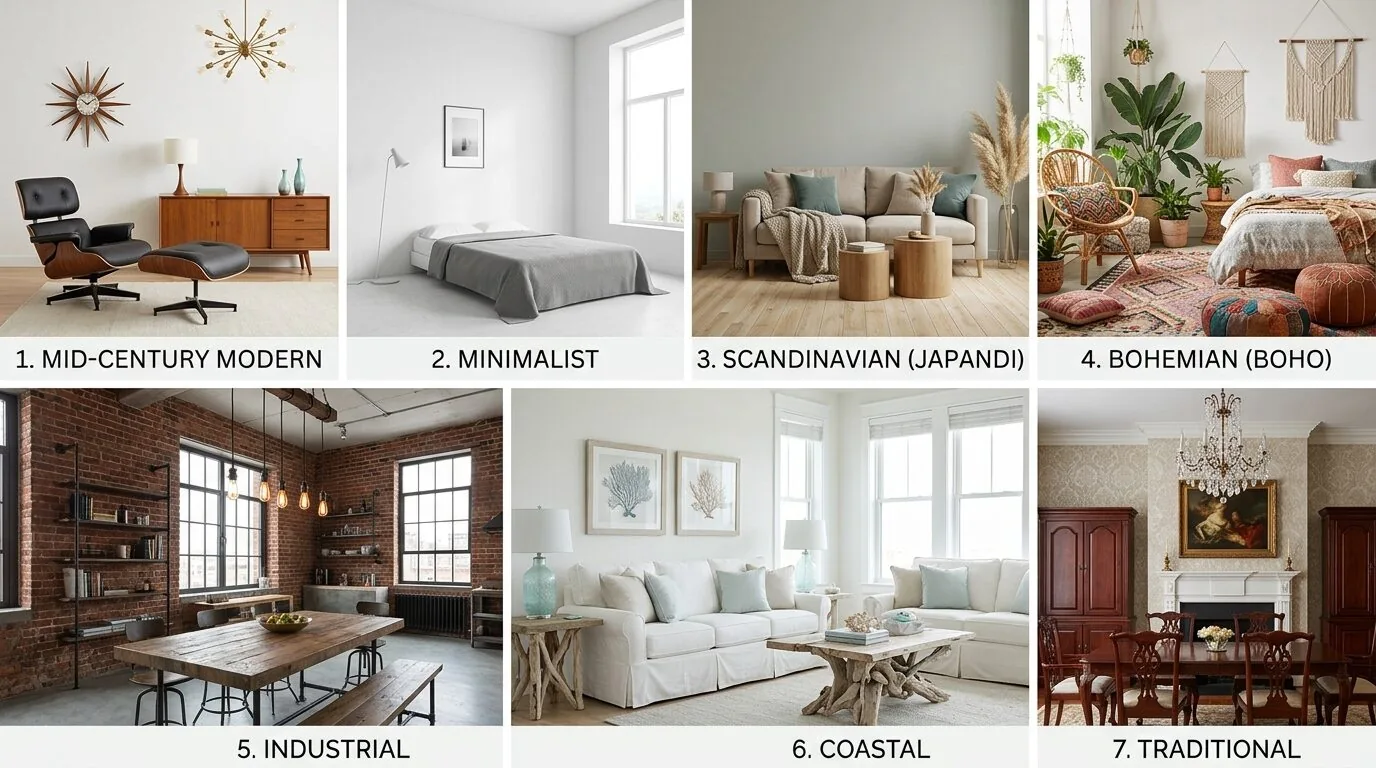
How to Choose the Right Future Style for Your Sacramento Home
The first question homeowners ask when considering 2026 interior styles is often about compatibility: How do I select a style that complements my home's architecture while embracing future trends? The decision hinges on understanding your priorities, whether sustainability, technology, or cultural expression. For example, a mid-century modern home might best suit a sustainable minimalist approach, while a traditional Sacramento bungalow could be enhanced with biophilic accents and smart features.
Our recommendation is to evaluate your space's existing elements and how they can support these emerging styles without costly alterations. Consider the scale, natural light, and structural features. For instance, if your home has limited natural light, investing in skylights or light-enhancing finishes could be more beneficial than a full stylistic overhaul. Incorporating these future trends thoughtfully ensures your interior remains timeless yet relevant in 2026 and beyond.
- Assess existing architectural details
- Prioritize sustainable and smart materials
- Balance style with functionality
What This Costs in 2026
| Scope | Typical range |
|---|---|
| Refresh scope description | $30K-$70K |
| Mid-tier scope | $75K-$200K |
| Estate-scale | $250K+ |
Working Notes
What We Have Learned Doing This: 7 Types Of Interior Design: A Designer's Guide to the 2026 Look
“Sequence beats speed. Every time.”
Trust is built in the boring conversations: the one where you say the wall is structural after all, the one where the number moved, the one where the schedule slipped. Clients forgive reality. They do not forgive being surprised by it.
The cheapest tool on any project is a sample board and an afternoon. We have watched five-figure mistakes get caught by a fifteen-dollar paint sample lived with for a week in the actual light of the actual room. Decisions made under showroom lighting do not survive contact with a real house.
Old houses lie, and so do new ones. Even a ten-year-old house lies the moment you assume the framing sits where the plans say. We stopped trusting old drawings, prior contractor work, and the phrase it should be fine a long time ago. The budget needs a real line for what demolition will uncover, usually 15 to 20 percent once walls start opening.
These notes come from our own project debriefs. Most were learned the expensive way the first time.
Sources & Professional References
This guide's positions on materials are grounded in published building-code, standards, and recognized design-authority sources, alongside Designed | Curated Interiors' verified credentials and active project files:
- American Society of Interior Designers (ASID): interior-design practice standards
- International Code Council (ICC): Chapter 8 Interior Finishes
- NKBA, Amy Kunst Member Profile (verified credential, NKBA Committee Member)
- Featured in: Homes & Gardens (design expert quote, May 2026) · Sacramento Love (guest author, 2024)
From Principle to a Real Room
A trend piece is the briefing document, not the deliverable. The pages below show how we translate these principles into finished rooms across Sacramento and the rest of Northern California.
- Sacramento & Bay Area Interior Design Services How we scope, source, and deliver work end to end.
- Interior Designer Hub, Sacramento Where most of our Sacramento work lives, the regional fit explained.
- Modern Tudor Homes: Authentic, Revival, and Neo-Tudor (A Designer Reference) Heritage-architecture renovation patterns from our project files.
- Japandi Living Room: A Designer's Guide to the 2026 Look The 2026 warm-neutral playbook applied to the living room.