When I take on a remodel in Woodside, the first thing I always consider is how to honor the area’s signature architectural language while navigating the practical constraints of its unique geography. Woodside’s homes often blend mid-century modern influences with the rustic charm of the Peninsula’s early homesteads, think exposed redwood beams, wide overhangs for sun protection, and open floor plans that embrace the region’s breezy, coastal climate. But because many of these homes sit on septic systems, especially in the older neighborhoods near Skyline Boulevard or along Portola Road, I have to get creative with layout and material choices. For example, I’ll often suggest shifting primary living spaces toward the north or east to minimize direct sunlight on plumbing lines, while still maximizing cross-ventilation to keep interiors cool. The septic regulations here also mean we can’t just plop in a traditional basement or wet bar, so I’ll design functional storage or mudrooms that disguise utility needs while keeping the flow of the home open and airy. It’s all about balancing Woodside’s laid-back elegance with the smart, low-maintenance solutions that make sense for this part of the Peninsula.
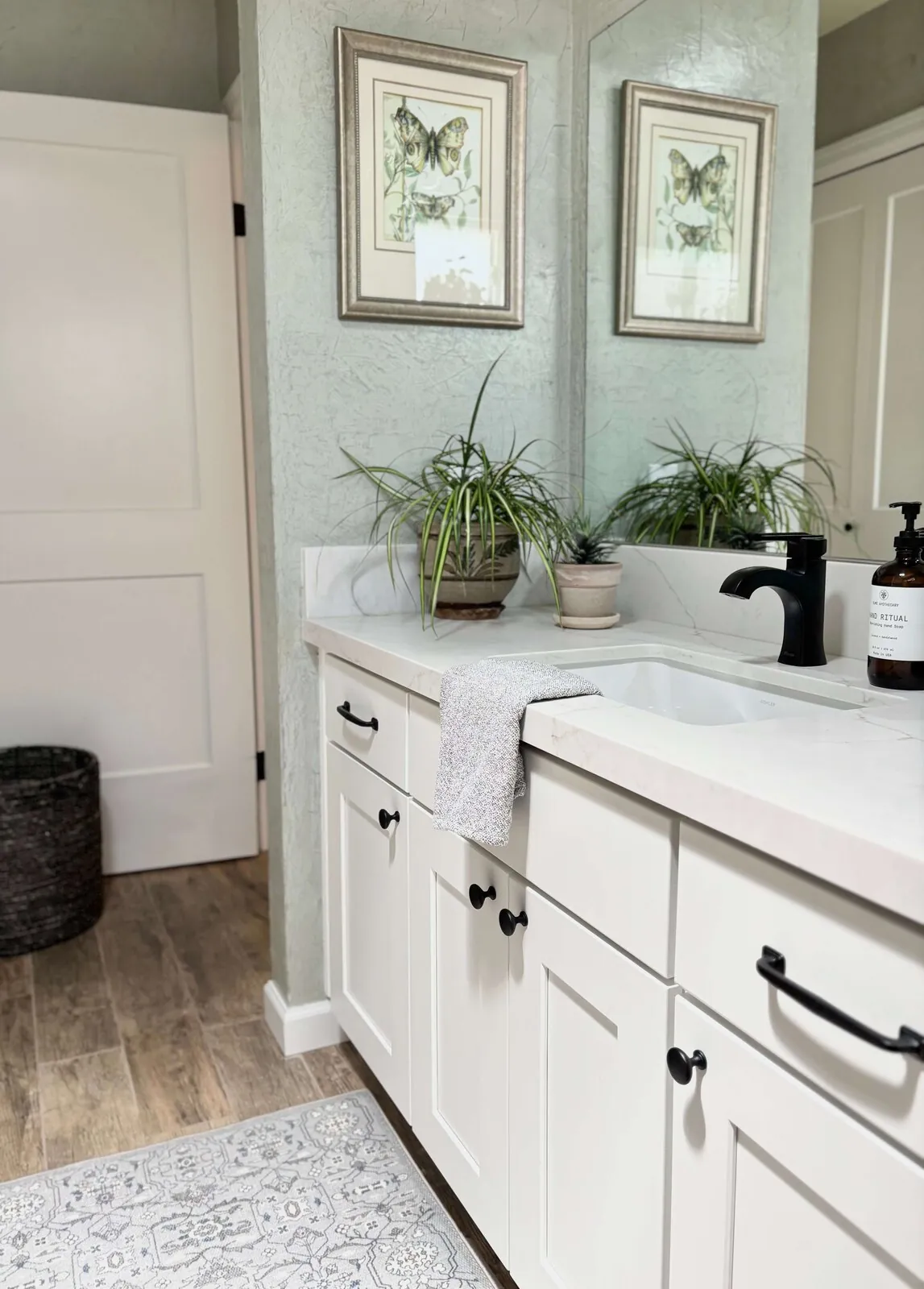
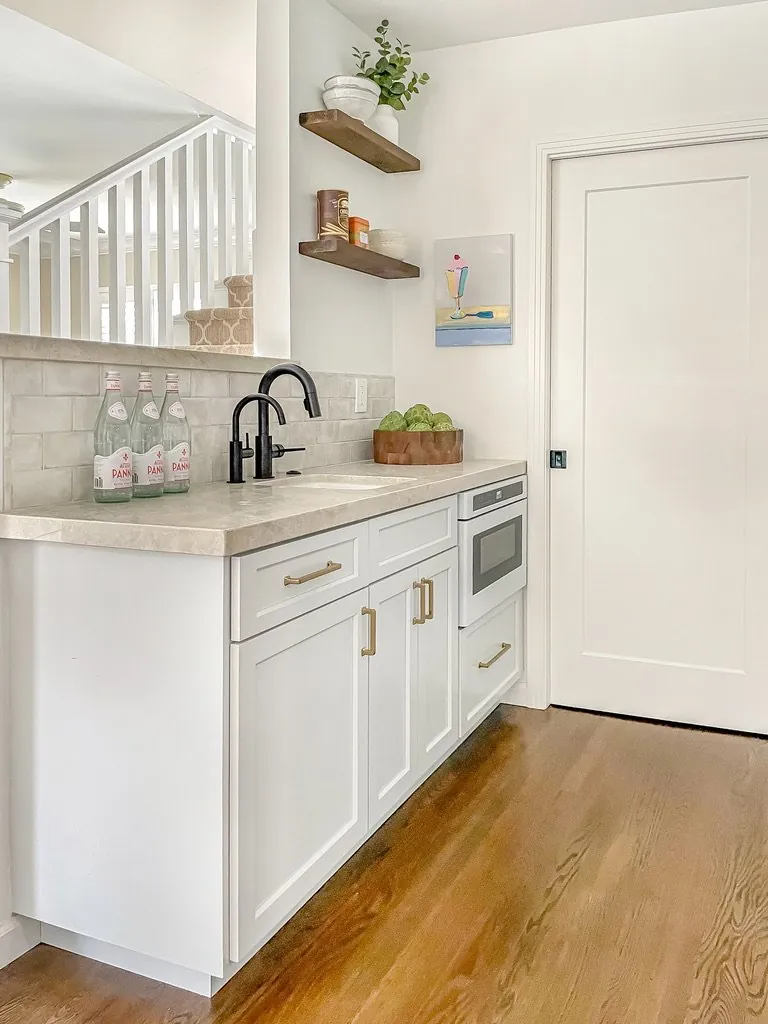
The materials I specify are always rooted in what thrives in this microclimate, cool, damp, and prone to wildfire risks, while nodding to the local aesthetic. Redwood and cedar are staples, but I’ll often pair them with locally quarried stone like the warm, honey-toned granite from the Sierra foothills or the more subdued schist found in nearby San Mateo County. For flooring, polished concrete or wide-plank oak works beautifully in the drier interior spaces, while I’ll specify slip-resistant tile or engineered wood in bathrooms and kitchens to handle the humidity. Outside, I lean into native plants like manzanita, toyon, and coastal scrub to reduce water needs, and I’ll incorporate fire-resistant materials like composite decking or stucco finishes to meet the county’s building codes. Even the color palette reflects Woodside’s natural palette, soft sage greens, muted terracottas, and deep blues that echo the nearby San Francisco Bay, but with enough contrast to keep the interiors feeling bright and intentional. It’s not just about aesthetics; it’s about creating a home that feels like it belongs here, both in spirit and in function.
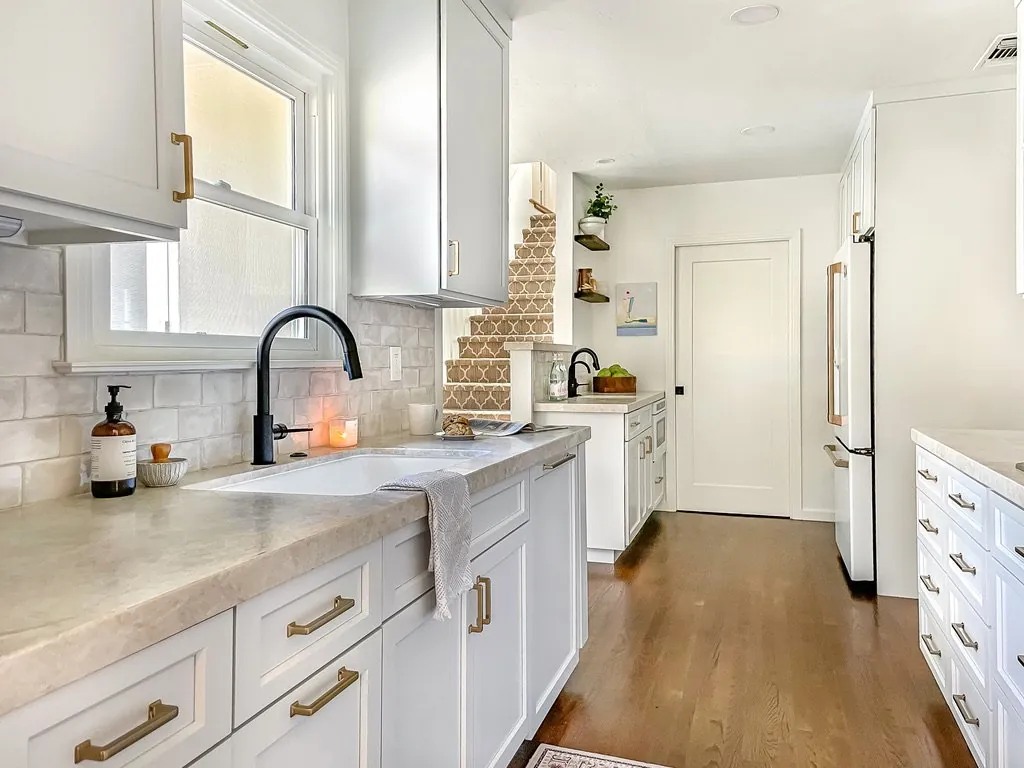
Ultimately, my approach in Woodside is about collaboration, listening to what homeowners love about their existing space and what they want to evolve, while gently guiding them toward choices that align with the neighborhood’s character. I’ve noticed that many homeowners here value a mix of organic textures and clean lines, so I’ll often suggest reclaimed wood accents alongside sleek built-ins or a live-edge dining table paired with a minimalist pendant light. But I also know that Woodside families prioritize privacy and outdoor living, so I’ll design seamless transitions between indoor and outdoor spaces, maybe a covered patio with a built-in grill, or a sunroom that blurs the line between garden and great room. At the same time, I’m mindful of the area’s history; if a home has original details like a vintage fireplace or a pocket door, I’ll preserve and highlight them rather than hide them behind modern updates. The goal is to create a space that feels timeless, functional, and distinctly *Woodside*—whether that means a cozy, book-lined study with views of the hills or a sleek, open kitchen that’s perfect for entertaining but still feels warm and inviting. It’s the little touches that make a home feel like it was always meant to be here.
Featured Neighborhoods