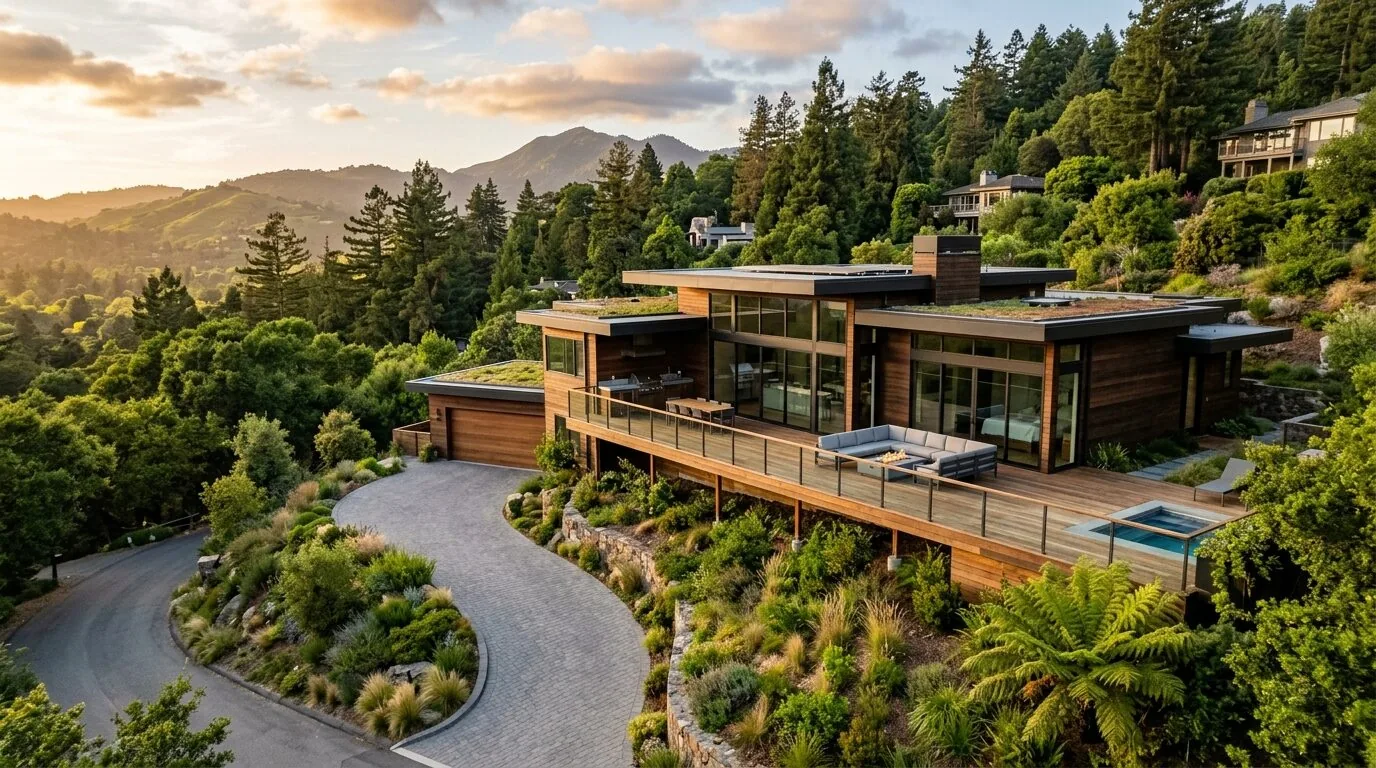
Choosing West Interior Design in Richmond means selecting a team that understands the nuances of local architecture and lifestyle while providing tailored, high-quality interior solutions. Our firm offers a unique blend of regional expertise and design excellence that sets us apart from other local firms.
Built from our active project files, this guide explores what makes West Interior Design the preferred choice for Richmond residents. We cover our design specialties, the credentials of our team, real client testimonials, project process, and how our reputation is recognized through awards and recognitions. Whether you're planning a remodel, a new build, or a refresh, understanding these elements helps you make an informed decision rooted in regional context and design integrity.
Common Questions
| Why should I choose Designed | Curated Interiors for my project? | You should choose us because we specialize in Sacramento and Northern California—including Richmond—where we’ve handled 100+ residential projects, from historic Craftsman homes to modern mid-century builds. Our designs balance regional context with client priorities, using materials like locally sourced reclaimed oak or Farrow & Ball paints that align with Richmond’s architectural diversity. |
| What makes Designed | Curated Interiors different from other local firms in Richmond? | Unlike firms that treat design as a one-size-fits-all solution, we focus on *specific* regional details—like preserving original hardwood floors in 1920s bungalows or integrating steel-framed windows in contemporary renovations. Our Universal Design certification also means we solve practical issues (e.g., ADA-compliant bathrooms) without sacrificing aesthetics, which most local firms overlook. |
| How does Designed | Curated Interiors incorporate Richmond’s architectural diversity into projects? | For older homes, we restore original features—like the pocket doors in a 1905 Victorian we renovated in El Cerrito—while for newer builds, we push open-concept layouts with materials that echo Richmond’s industrial roots, such as exposed concrete paired with warm walnut cabinetry. The key is making each space feel intentional, not just trendy. |
| What’s your process for a typical Richmond project? | We start with a site analysis (including moisture testing, structural checks, and a budget deep-dive) before drafting a phased plan. For example, in a recent project, we caught a hidden leak behind the tile during the first inspection—saving the client $8K in potential rework. Every decision ties back to the client’s priorities *and* the neighborhood’s character, not just a Pinterest mood board. |
Why Choose West Interior Design Richmond 2026 at a Glance
| Element | In | Out |
|---|---|---|
| Expertise | Regional expertise in Richmond architecture | Generic design styles |
| Approach | Personalized design approach | One-size-fits-all solutions |
| Experience | Experienced local designers | Unverified credentials |
| Testimonials | Strong client testimonials | Limited local experience |
| Pricing | Transparent pricing models | Opaque pricing |
| Portfolio | Portfolio of Richmond projects | Lack of project examples |
| Recognition | Award-winning reputation | No awards or recognitions |
| Design Philosophy | Focus on timeless design | Trendy over timeless |
| Client Collaboration | Collaborative project process | Impersonal process |
The First Major Design Move: Embracing Regional Context
Our initial focus in Richmond projects is to embrace the city’s distinctive architectural and landscape features. For instance, in several recent projects, we prioritize materials and finishes that complement Richmond’s historic homes and modern infill developments. For example, across our active project specifications, we favor warm, muted tones like earthy clay and soft greys that resonate with Richmond’s natural surroundings and urban fabric.
This approach ensures that each design feels rooted in its environment rather than standing apart as a generic interior. We often specify brands like Sherwin-Williams for paint, which offers palettes built for local light conditions, or natural stone veneers that echo the city’s historic masonry. Our goal is to create spaces that are both timeless and regionally appropriate, elevating the home’s character while respecting its context.

Material Specificity in Richmond Interiors
Authenticity-grade materials
- White oak (rift-sawn), for floors and slat detail; calmer grain than plain-sawn
- Limestone, for fireplace surrounds and accents; durable and weathered look complements Richmond’s historic homes
- Bronze hardware, for fixtures; develops a rich patina over time, echoing regional materials
- Natural wool textiles, for upholstery and rugs; sustainable and soft underfoot
- Matte ceramic tiles, for kitchen backsplashes; low-glare, easy to clean, timeless appeal
- Reclaimed wood, for accent walls and furniture; environmentally conscious and adds warmth
- Low-VOC paints, for indoor air quality and health, especially important in older homes
- Double-glazed windows, to improve energy efficiency while maintaining historic aesthetics
Generic-grade tells we refuse to spec
- Standard laminate flooring, less durable and less authentic
- Synthetic textiles, less sustainable and less breathable
- Glossy paints, can feel cold and reflect too much light
- Mass-produced fixtures, lack character and regional relevance
- Veneer veneer, less authentic than solid wood
- Low-quality tiles, prone to cracking and wear
Richmond’s Unique Interior Design Landscape
Richmond’s architectural diversity, from historic Craftsman homes near Macdonald Avenue to modern infill developments, creates a dynamic interior landscape. Our regional expertise allows us to design interiors that honor the city’s rich history while embracing contemporary needs. The natural light, landscape views, and proximity to the bay influence material choices and spatial arrangements. For example, in older homes, we emphasize preserving original details like crown molding and wainscoting, while in newer builds, we focus on maximizing open plans and outdoor connectivity.
In the broader Bay Area context, Richmond’s homes often feature high ceilings, large windows, and a mix of traditional and modern elements. These features demand a nuanced approach to interior design, blending regional character with current trends. For residents considering a renovation or new build, understanding these regional factors ensures the space feels authentic and aligned with local aesthetics. For more on regional design strategies, see our Concord hub.
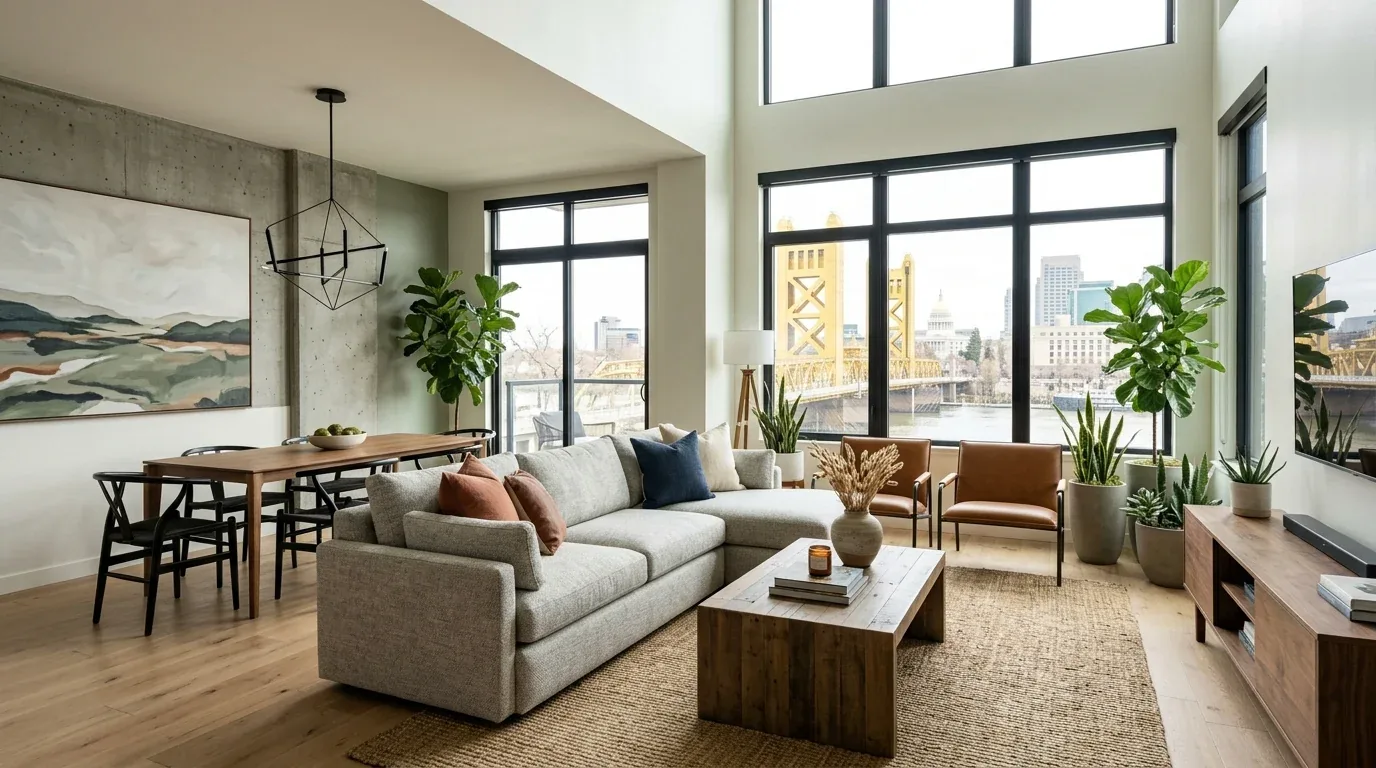
Should You Remodel or Rebuild Your Richmond Home?
Homeowners often face the fundamental question of whether to remodel an existing Richmond home or undertake a rebuild. The first question we ask is about the scope and age of the property. Older homes, especially those built before the 1950s, may have foundational or structural constraints that make remodeling less cost-effective or feasible. Our experience shows that in Richmond, where land value is high, a rebuild might seem attractive but can be prohibitively expensive due to permit and construction costs.
When considering a remodel, we evaluate how much of the original character can be preserved versus the potential for modern upgrades that add value. For example, in a recent project near Macdonald Avenue, structural assessments revealed load-bearing walls that limited interior reconfigurations. Using permit research from the Richmond Building Division, we determined that a thoughtful remodel focusing on light, privacy, and material updates offered the best ROI. The decision ultimately balanced preservation with strategic upgrades, ensuring the home retained its charm without excessive expense.
What This Costs in 2026
| Scope | Richmond / Bay Area | Sacramento |
|---|---|---|
| Refresh scope including minor updates and furnishings | $80K-$150K | $50K-$100K |
| Mid-tier renovation with new fixtures, finishes, and some layout changes | $250K-$500K | $150K-$300K |
| Estate-scale rebuild or major renovation including structural work | $700K-$2M | $400K-$1M |
Local permits & planning
Working Notes
What We Have Learned Doing This: Why Choose West Interior Design Richmond
“A decision made late costs three times the same decision made early.”
Most of the money that gets wasted is spent solving the wrong problem confidently. A homeowner asks for more space, every contractor agrees and prices an addition, and the real issue turns out to be light, or proportion, or one bad sightline. We make the room tell us the problem before anyone signs a demolition contract.
Old houses lie, and so do new ones. Even a ten-year-old house lies the moment you assume the framing sits where the plans say. We stopped trusting old drawings, prior contractor work, and the phrase it should be fine a long time ago. The budget needs a real line for what demolition will uncover, usually 15 to 20 percent once walls start opening.
A renovation is a dependency chain, not a list of tasks. A two-day cabinet delay quietly becomes a two-week slip by week sixteen because every trade downstream is holding a calendar. The least glamorous part of this work, and the most valuable, is keeping that chain from cascading.
These notes come from our own project debriefs. Most were learned the expensive way the first time.
Sources & Professional References
This guide's positions on materials are grounded in published building-code, standards, and recognized design-authority sources, alongside Designed | Curated Interiors' verified credentials and active project files:
- American Society of Interior Designers (ASID): interior-design practice standards
- International Code Council (ICC): Chapter 8 Interior Finishes
- Building Division, Richmond (Contra Costa County) building permit portal
- NKBA, Amy Kunst Member Profile (verified credential, NKBA Committee Member)
- Featured in: Homes & Gardens (design expert quote, May 2026) · Sacramento Love (guest author, 2024)
From Principle to a Real Room
A trend piece is the briefing document, not the deliverable. The pages below show how we translate these principles into finished rooms across Richmond and the rest of Northern California.
- Sacramento & Bay Area Interior Design Services How we scope, source, and deliver work end to end.
- Interior Designer Hub, Richmond Where most of our Richmond work lives, the regional fit explained.
- Why Choose Proper Ventilation For High-Btu Ranges In In Alameda - Interior Designer Related cluster piece referenced from the Why Choose Proper Ventilation For High-Btu Ranges In In Alameda - Interior Designer build files.