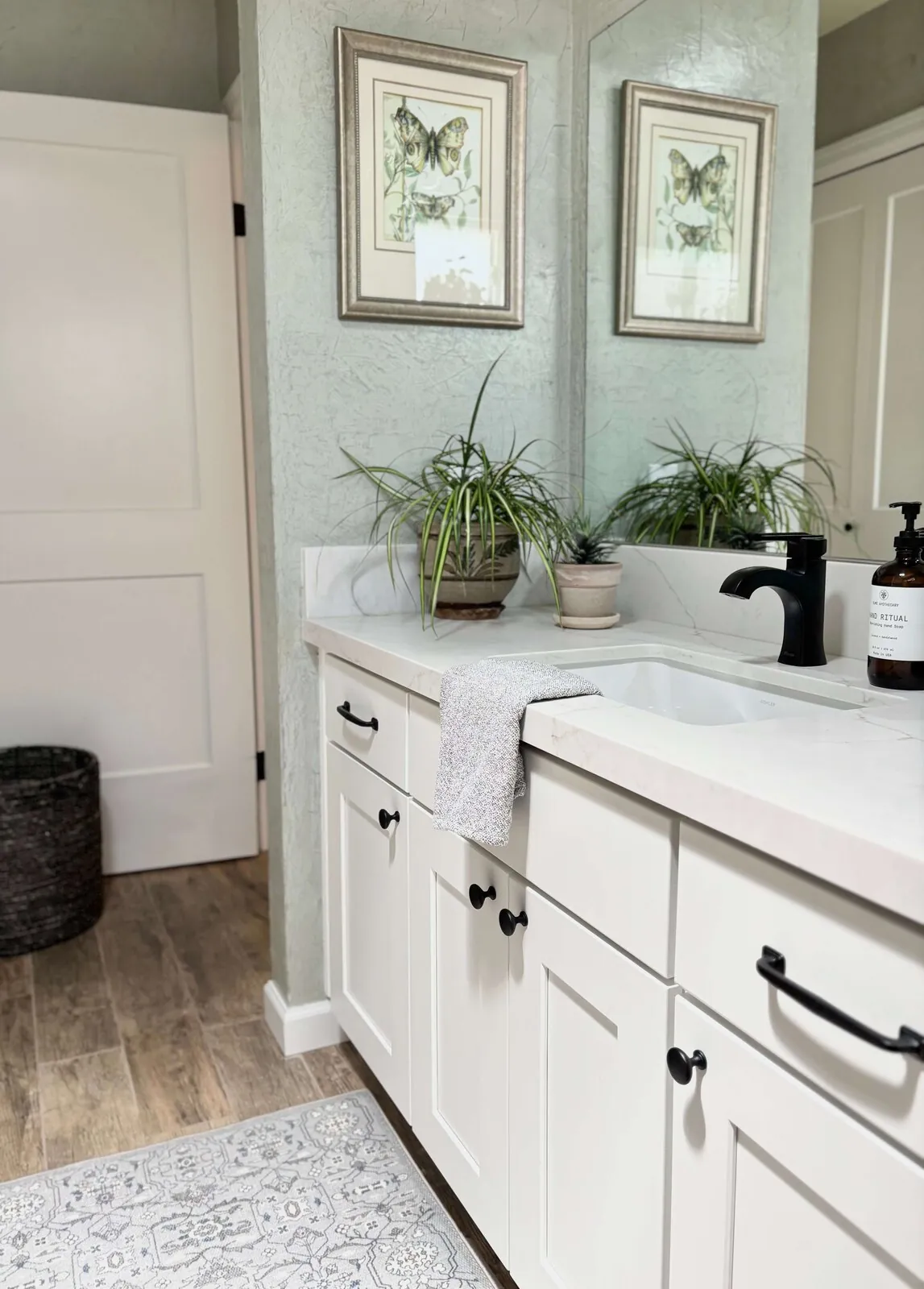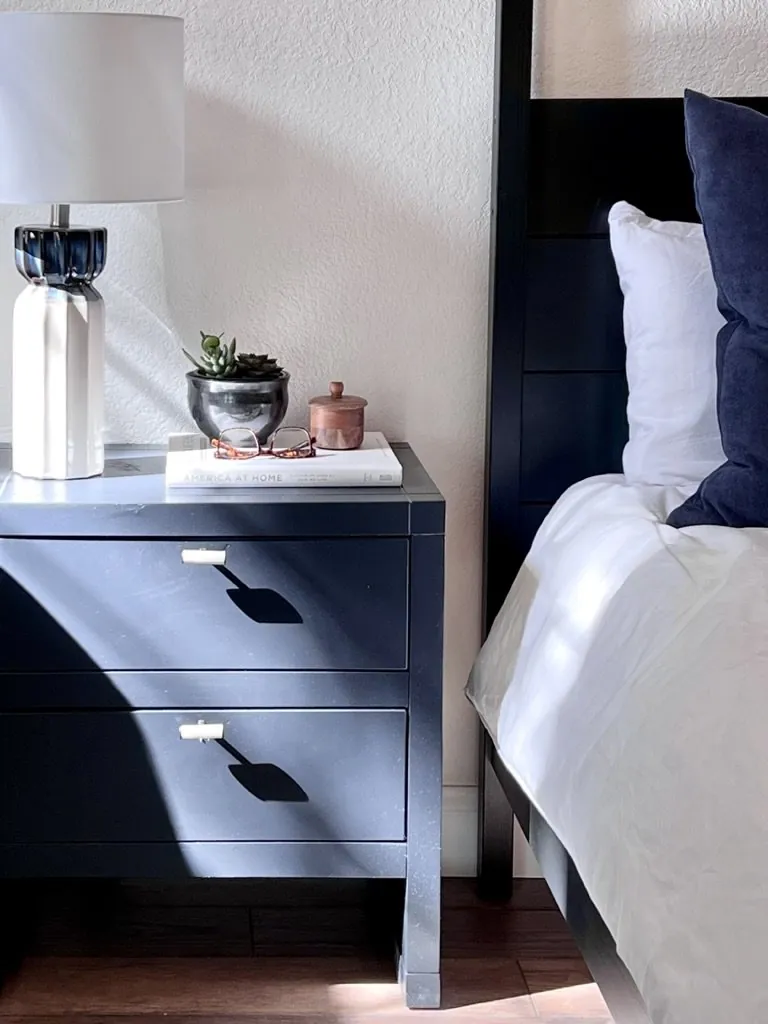
Walnut Creek’s interior design should reflect its inland East Bay setting, where the light shifts dramatically throughout the day but without the coastal fog that influences nearby cities. The area’s architecture blends mid-century modern and California contemporary styles, often featuring sloped ceilings, exposed beams, and large windows that capture views of the surrounding hills or the tree-lined streets of neighborhoods like Northgate or Tice Valley. Amy’s approach focuses on preserving the integrity of these original structures, whether it’s the warm woodwork of redwood or Douglas fir found in older homes or the built-in shelving and deep-set windows that define the era, while updating them with clean, modern lines and locally inspired materials. She often maintains the existing structural elements, like the built-in cabinetry or the way natural light filters through the space, and layers in subtle design details that reflect the region’s earthy tones or the textured stone that mirrors the nearby granite formations.
The climate here, characterized by warm, dry summers and cool, occasionally chilly winters, guides Amy’s material selections toward durability and ease of maintenance. She favors reclaimed wood for flooring that withstands sun exposure, as well as natural stone that stays cool underfoot, both of which complement the area’s indoor-outdoor lifestyle. For exteriors, she might recommend composite decking that evokes the warmth of redwood without the upkeep or stucco finishes that harmonize with the many stucco-clad homes in neighborhoods like Parkmead. Inside, she incorporates ventilation strategies like cross-breezes and strategic window placement to maximize airflow, reducing reliance on artificial cooling. Since each neighborhood has its own character, whether it’s the mid-century modern homes near the hills or the more contemporary builds closer to downtown, she tailors her material palette accordingly, perhaps using locally sourced quarry tile in a bathroom or hand-scraped oak in a kitchen to reinforce the connection to the region’s craftsmanship.
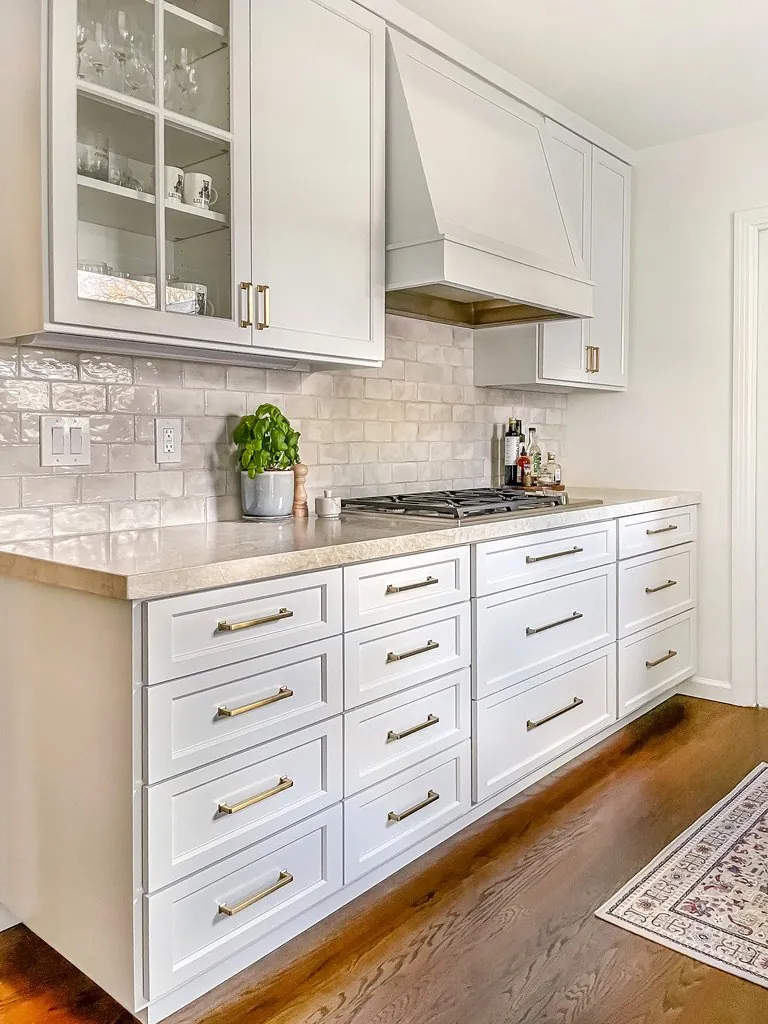
What distinguishes Amy’s work is her ability to merge a homeowner’s lifestyle with Walnut Creek’s design sensibilities, ensuring the space feels personal yet rooted in the area’s aesthetic. She begins by understanding daily habits, whether entertaining frequently, needing a functional home office, or prioritizing outdoor living for those mild evenings, then translates those needs into thoughtful design choices. For hosts, she might design a kitchen with a central island and durable quartz countertops or a butler’s pantry for efficient workflow. Families often benefit from flexible spaces like Murphy desks or built-in storage that optimizes space without compromising the open, airy feel that’s valued here. Sustainability is also key, so she frequently suggests eco-conscious materials like FSC-certified wood, recycled glass countertops, or low-VOC paints, aligning with the community’s progressive values. The end result is a home that feels like an extension of its inhabitants, whether it’s a cozy reading nook with a view of the hills or a backyard designed for evening gatherings, while staying true to Walnut Creek’s design ethos.