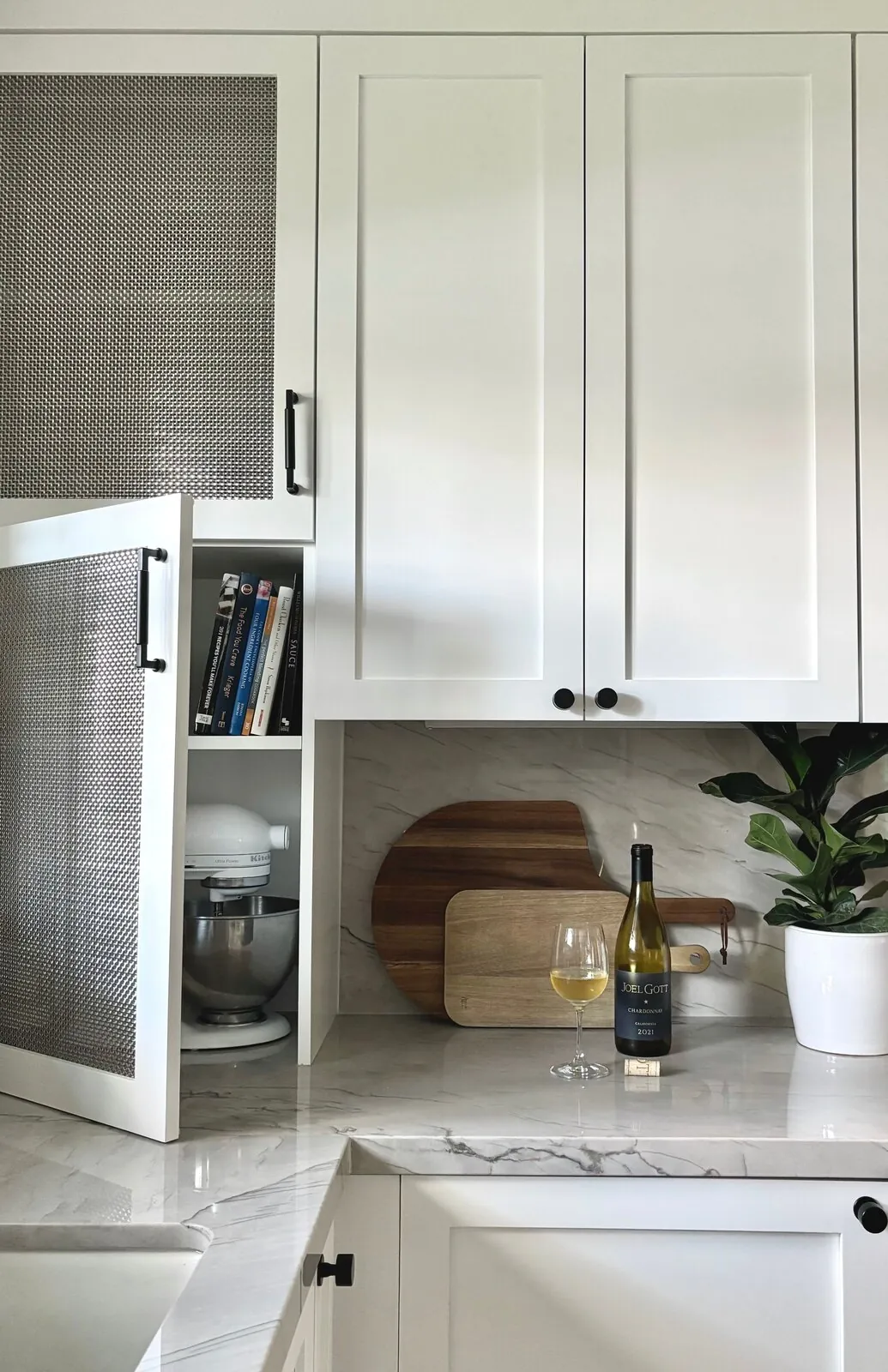
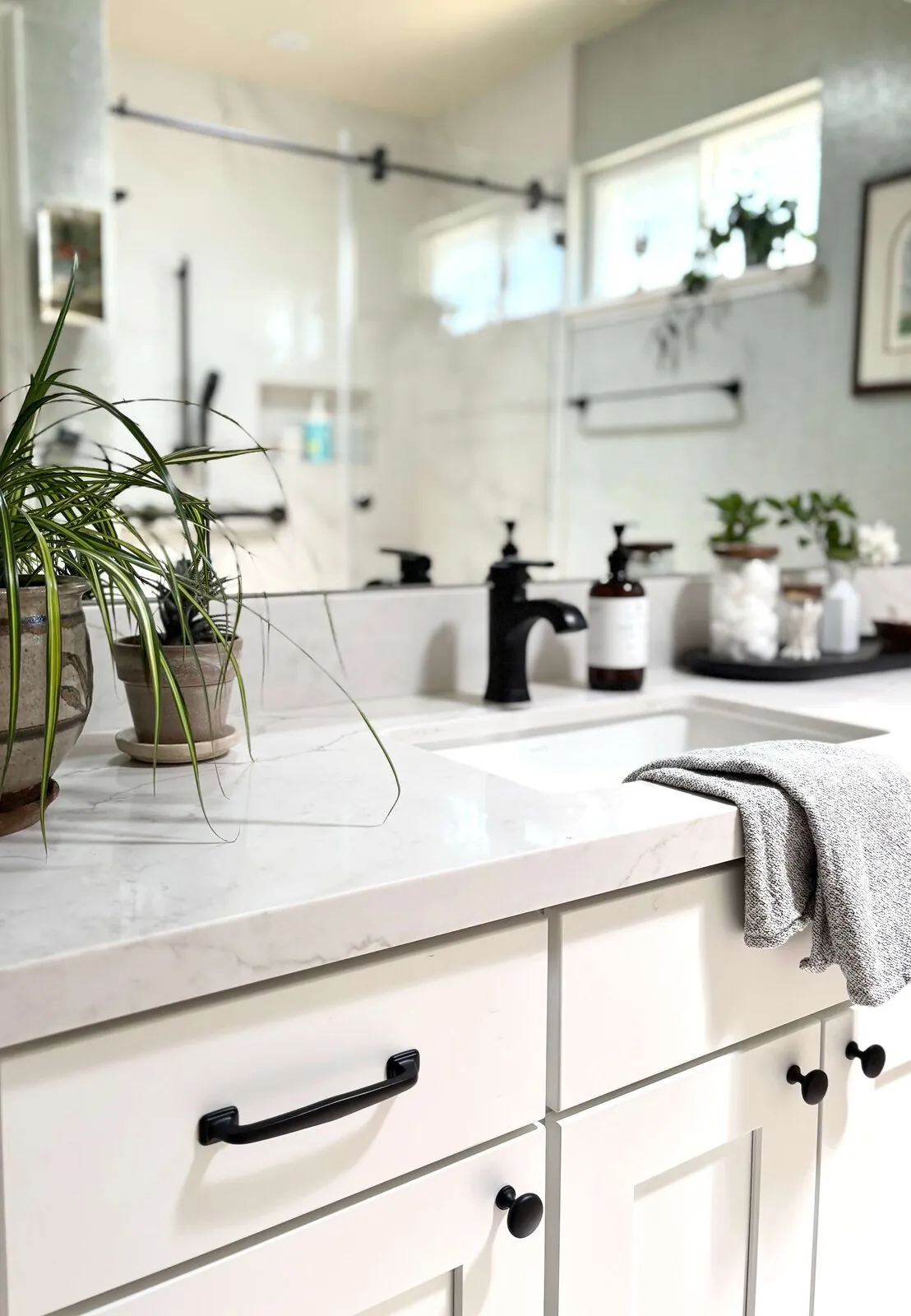
When Amy takes on an estate-scale kitchen remodel in Walnut Creek, she starts by deeply studying the home’s existing architecture, something that’s especially critical in this area, where many properties blend historic Craftsman details with modern luxury. The East Bay’s rolling hills and Mediterranean-inspired neighborhoods often mean homes with high ceilings, exposed beams, or terracotta roofing, all of which inform her design choices. For example, she might preserve original hardwood floors or built-ins to honor the home’s character while introducing sleek, contemporary cabinetry that complements the scale. Walnut Creek’s climate, those hot, dry summers and mild winters, also guides her material selections. She favors durable, low-maintenance surfaces like quartz or honed marble for countertops, which resist heat and humidity, while opting for soft-close, European-style hardware to keep things smooth and functional in a space that’s meant for both entertaining and everyday living. The goal is to create a kitchen that feels timeless yet tailored to the home’s story, whether it’s a 1920s bungalow with a view of Mount Diablo or a mid-century modern with a private courtyard.
Local materials play a key role in Amy’s process, and she often sources them from nearby to maintain authenticity. For cabinetry, she might specify reclaimed barn wood or locally milled redwood for a warm, organic touch, especially in homes with natural light flooding in from the East Bay’s signature views. In kitchens facing the hills or the city’s tree-lined streets, she incorporates large-format glass or frosted panels to balance privacy with openness, a nod to the neighborhood’s blend of seclusion and community. Climate considerations extend to appliances too; she partners with high-end dealers to select energy-efficient models that handle the heat without overheating, like induction cooktops or smart ventilation systems. Even the lighting is thoughtfully curated, warm, dimmable fixtures in living spaces and bright, task-focused lighting in prep areas, to mirror the way Walnut Creek homeowners live: relaxed during the day, vibrant in the evenings. The result is a kitchen that doesn’t just fit the home’s architecture but enhances its connection to the land and lifestyle.
Amy’s approach to tailoring design to her clients in Walnut Creek is all about listening, whether it’s a tech executive who wants a minimalist, high-tech kitchen or a family that prioritizes a cozy, farmhouse-inspired space with a built-in wine fridge for entertaining. She often starts by asking about their daily rituals: Do they host dinner parties with a view of the hills? Do they need a coffee station for early mornings? Or perhaps they love cooking but want hidden storage to keep things tidy. For luxury clients, she might incorporate bespoke details like a custom island with a hidden wine cooler or a butler’s pantry disguised as a bookshelf, features that feel indulgent but still functional. She also pays close attention to the neighborhood’s aesthetic trends, whether it’s the rise of matte black finishes in modern homes or the enduring appeal of Mediterranean tiles in more traditional estates. The key is making sure the kitchen reflects the homeowner’s personality while aligning with the area’s refined, understated elegance. After all, in Walnut Creek, where every home feels like a retreat, the kitchen should be the heart of it all.
Featured Neighborhoods