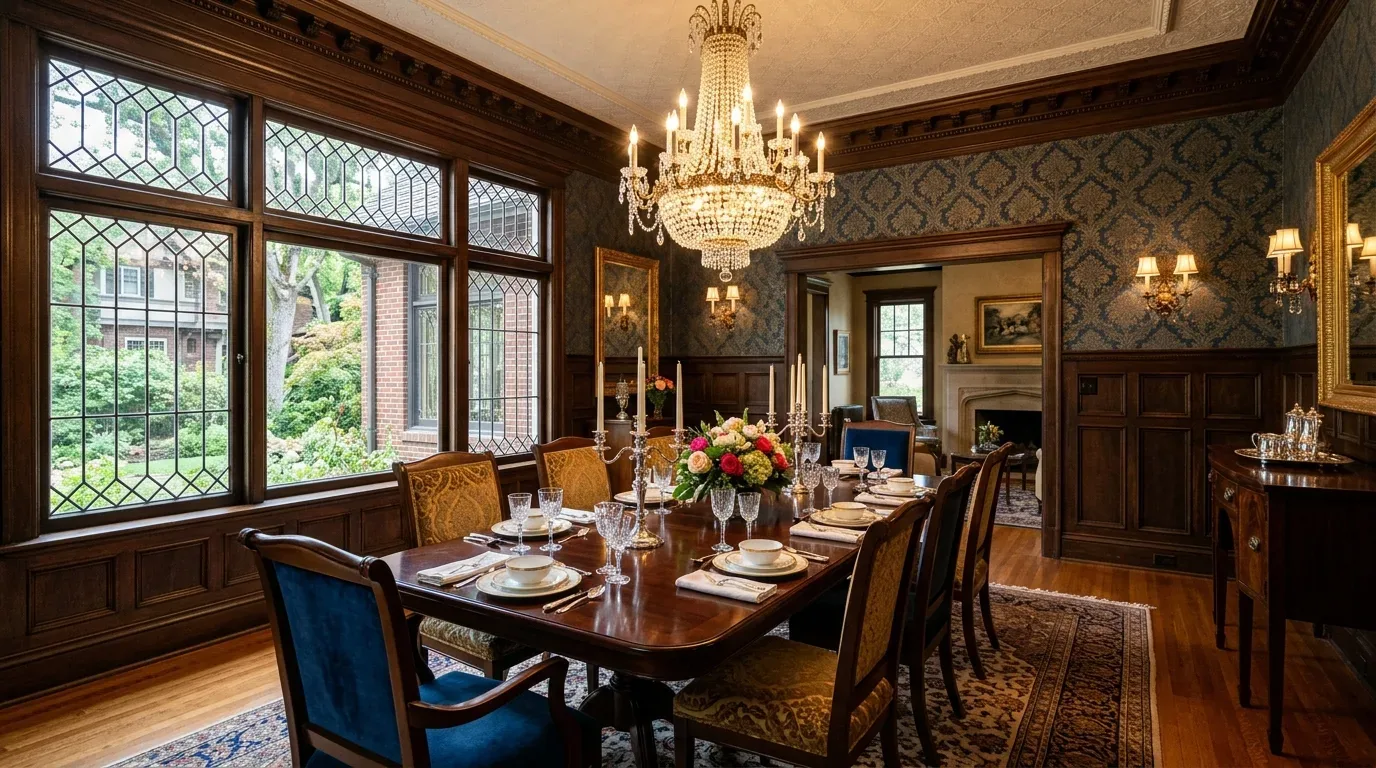
When searching for a San Jose-based interior designer offering comprehensive turnkey dining room design services, the key question is often: what exactly is included in such a package and how does it work? Turnkey dining room design means a seamless, all-in-one service where the designer handles everything from concept to installation. This approach ensures homeowners can enjoy a beautifully finished space without managing multiple vendors or coordinating details themselves.
Built from our active project files, this post explores which designers specialize in turnkey dining room solutions in San Jose, what services are typically included, the expected costs and timelines, and how to evaluate examples and reviews. We focus on how these comprehensive packages address the homeowner's desire for a stress-free, beautifully executed dining space that aligns with regional style and practical needs.
Common Questions
| What’s actually covered in a turnkey dining room design service in San Jose? | The service includes every step—concept development, material sourcing, contractor coordination, and final installation—so you don’t have to field calls from subcontractors or chase down permits. It’s a single contract for a fully executed space, from demo to finishing touches. |
| How does San Jose’s climate and local architecture shape dining room design here? | The region’s mix of modernist and Craftsman influences means you’ll see clean lines paired with warm wood tones, but the real driver is maximizing natural light and outdoor views—large windows and sliding glass doors are standard, not optional. It’s not just aesthetics; it’s about leveraging the climate for comfort and energy efficiency. |
| When does a dining room remodel turn into a full rebuild in San Jose? | If demolition uncovers structural defects—like load-bearing wall cracks, subfloor rot, or electrical panels that violate current code—you’re looking at a rebuild, not a refresh. Older homes in the area often hide these issues behind cosmetic layers, so a proper inspection (not just a walkthrough) is critical before committing to a remodel budget. |
| What should I verify before hiring a designer for a turnkey dining room project in San Jose? | Check their track record with local permits (San Jose’s PBCE department is notoriously strict on retrofits) and whether they’ve handled similar scopes—like full demo, electrical upgrades, and custom millwork—in the area. Ask for a breakdown of their subcontractor network, too; a ‘turnkey’ service that outsources everything to unknowns is just a middleman playing broker. |
Turnkey Dining Room Design San Jose Interior Designer 2026 at a Glance
| Element | In | Out |
|---|---|---|
| Service Scope | Full-service design with furniture and decor included | Limited scope only |
| Pricing | Transparent pricing ranges | DIY furniture shopping |
| Timeline | Fast turnaround times | Longer timelines |
| Service Delivery | Designers handle all installation | Designer only provides concept |
| Customization | Custom solutions tailored to space | Fragmented service providers |
| Client Feedback | Client reviews highlight ease and quality | Mixed reviews on coordination |
| Regional Fit | Regional style integration | Regional style rarely considered |
| Transparency | Clear service boundaries and scope | Unclear scope or hidden costs |
The First Major Design Move: Defining Your Dining Experience
For a truly turnkey dining room, the initial step is understanding how you want to use the space. Do you entertain frequently, need a formal setting, or prefer a casual eat-in area? Across our active project specifications, the most successful designs start with a clear vision that guides every decision.
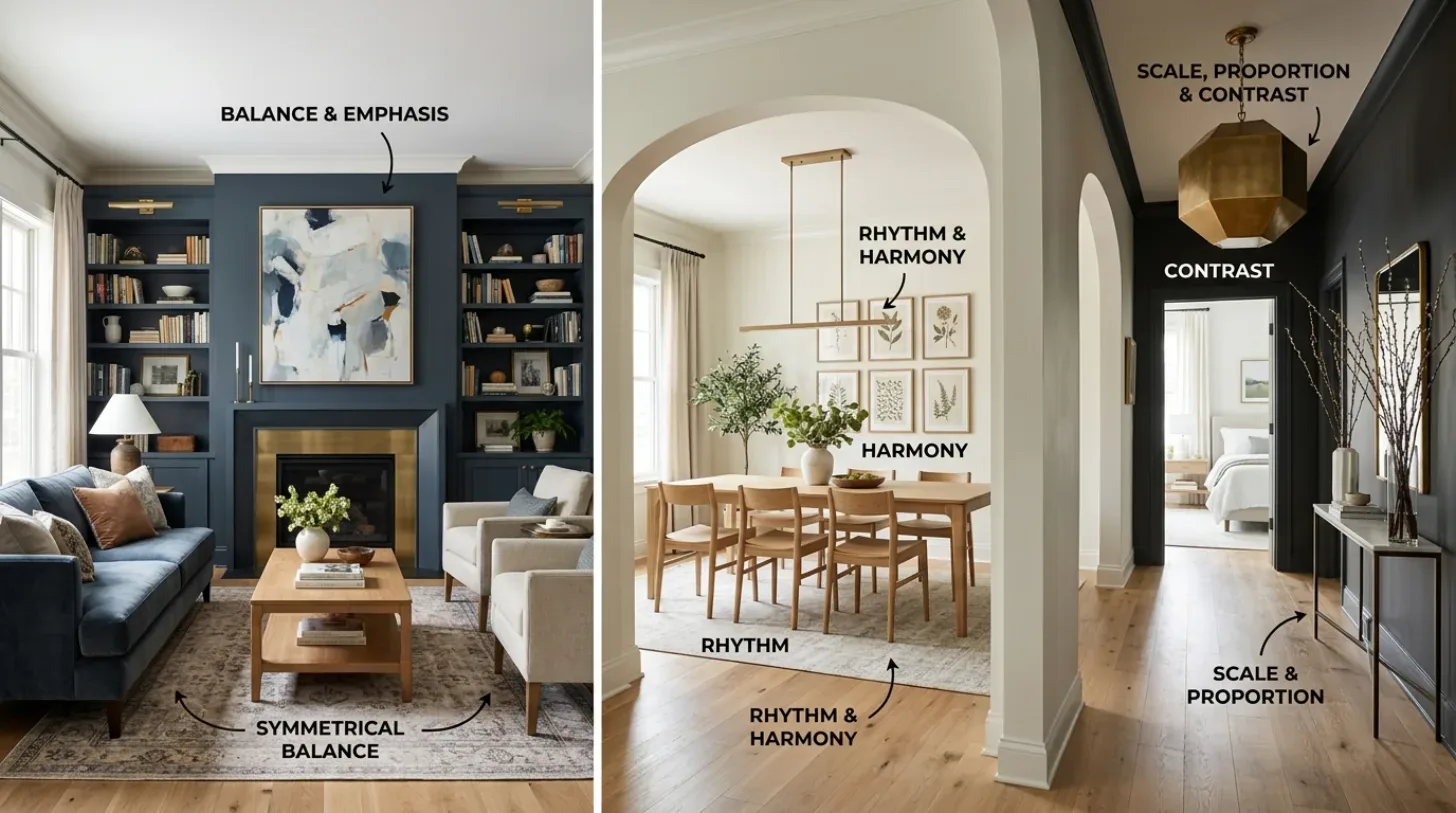
In San Jose, regional preferences lean toward a blend of modern minimalism and warm traditional touches. Choosing a designer familiar with these styles ensures your space feels both current and comfortable. The first major move is selecting the overall aesthetic and functional layout, this becomes the foundation for everything else, from furniture choices to lighting design.
For example, a recent project near Santa Clara Street involved creating a multi-purpose dining area that could host both intimate family dinners and large gatherings. Our approach prioritized flow and light, integrating natural materials like light walnut and soft fabric upholstery. The goal is to craft a space that functions beautifully and resonates regionally, balancing form and function.
Material Specificity: Authentic Choices for a Lasting Dining Room
Authenticity-grade materials
- White oak (rift-sawn), for floors and slat detail; calmer grain than plain-sawn
- Limestone, for tabletops and accents; durable and regionally appropriate
- Brass hardware, for cabinet pulls and fixtures; warm, timeless appeal
- Natural linen, for curtains and upholstery; soft texture and breathability
- Ceramic tiles, for backsplash; handcrafted and regionally inspired
- Matte black finishes, for fixtures and hardware; modern contrast
- Reclaimed wood, for custom millwork; sustainable and authentic
- Eco-friendly paints, low-VOC for healthier indoor air
Generic-grade tells we refuse to spec
- Standard MDF cabinetry, less durable and less authentic
- Polyester fabrics, less breathable and prone to wear
- Veneer surfaces, less authentic and durable than solid wood
- Mass-produced tiles, less unique and regionally inspired
- Chrome fixtures, less warm and timeless than brass or matte black
- Laminates for countertops, less durable and authentic
- Paints with high VOCs, less healthy for indoor environments
Why San Jose’s Light and Landscape Shape Dining Room Trends
San Jose’s abundant natural light and varied architectural stock make it an ideal setting for the latest dining room trends. Homes near Santa Clara Street often feature large windows and open floor plans that enhance daylight and create a welcoming atmosphere. The regional style favors a balance of modern minimalism with warm, tactile materials that reflect the Bay Area’s laid-back yet sophisticated vibe.
In our experience, integrating regional landscape views into the dining space can elevate the experience, whether through large sliding doors or glass walls. Light-colored finishes and natural textures help to maximize the region’s bright environment, while thoughtful placement of lighting fixtures ensures the space remains functional after sunset. For homeowners considering a remodel, understanding how San Jose’s light and landscape influence interior choices is key to creating a dining room that feels both current and regionally authentic.
Learn more about how regional style influences interior design in San Jose by visiting our San Jose design hub. The local architectural stock and landscape shape what options are practical and stylish, making regional expertise essential for successful projects.
Should You Remodel or Rebuild Your San Jose Dining Room?
The first decision many homeowners face when planning a turnkey dining room is whether to remodel the existing space or rebuild entirely. In San Jose, where older homes often have hidden issues, this choice hinges on structural integrity, historical value, and budget. The key question is: what adds the most value and longevity?
Our experience suggests that a well-executed remodel can often deliver a fresh, modern look while preserving character, especially if the existing layout is functional. However, if structural issues or outdated systems are present, rebuilding might provide a more cost-effective and durable solution in the long run. For example, on the Elm Grove Project, a quick update was planned, but hidden rot and moisture problems surfaced during demolition, revealing that a rebuild of part of the structure was inevitable. This saved the client from future costly repairs and ensured a safe, beautiful space.
Ultimately, assessing the home's age, condition, and your goals will help determine the right path. Engaging a regional expert familiar with San Jose’s housing stock ensures your decision maximizes value and minimizes surprises.
What This Costs in 2026
| Scope | San Jose / Bay Area | Sacramento |
|---|---|---|
| Basic turnkey dining room including furniture, lighting, and decor | $20K-$35K | $15K-$25K |
| Mid-tier design with custom millwork, high-end finishes, and full installation | $40K-$70K | $30K-$50K |
| Estate-scale project with extensive custom features, premium materials, and designer-level finishes | $80K-$150K | $60K-$100K |
Local permits & planning
Working Notes
What We Have Learned Doing This: Turnkey Dining Room Design San Jose - Interior Designer
“A finish you cannot maintain is a finish you cannot afford.”
The cheapest tool on any project is a sample board and an afternoon. We have watched five-figure mistakes get caught by a fifteen-dollar paint sample lived with for a week in the actual light of the actual room. Decisions made under showroom lighting do not survive contact with a real house.
Old houses lie, and so do new ones. Even a ten-year-old house lies the moment you assume the framing sits where the plans say. We stopped trusting old drawings, prior contractor work, and the phrase it should be fine a long time ago. The budget needs a real line for what demolition will uncover, usually 15 to 20 percent once walls start opening.
Most of the money that gets wasted is spent solving the wrong problem confidently. A homeowner asks for more space, every contractor agrees and prices an addition, and the real issue turns out to be light, or proportion, or one bad sightline. We make the room tell us the problem before anyone signs a demolition contract.
These notes come from our own project debriefs. Most were learned the expensive way the first time.
Sources & Professional References
This guide's positions on materials are grounded in published building-code, standards, and recognized design-authority sources, alongside Designed | Curated Interiors' verified credentials and active project files:
- American Society of Interior Designers (ASID): interior-design practice standards
- International Code Council (ICC): Chapter 8 Interior Finishes
- PBCE Department, San Jose (Santa Clara County) building permit portal
- NKBA, Amy Kunst Member Profile (verified credential, NKBA Committee Member)
- Featured in: Homes & Gardens (design expert quote, May 2026) · Sacramento Love (guest author, 2024)
From Principle to a Real Room
A trend piece is the briefing document, not the deliverable. The pages below show how we translate these principles into finished rooms across San Jose and the rest of Northern California.
- Sacramento & Bay Area Interior Design Services How we scope, source, and deliver work end to end.
- Interior Designer Hub, San Jose Where most of our San Jose work lives, the regional fit explained.
- Interior Designer in San Jose Related cluster piece referenced from the Interior Designer in San Jose build files.
- Where To Find Dining Room Design In Walnut | Interior Designer Related cluster piece referenced from the Where To Find Dining Room Design In Walnut | Interior Designer build files.
- Dining Room Conversion To Office Related cluster piece referenced from the Dining Room Conversion To Office build files.