
Understanding seismic design requirements in San Mateo is crucial for interior projects to ensure safety, compliance, and cost-effectiveness. These regulations directly influence how interior spaces are planned, built, and furnished.
Seismic standards in San Mateo shape every interior decision, from material selection to layout, ensuring safety without sacrificing style. This post, built from our active project files, will cover the specific codes that apply, how they impact interior design choices, guidelines for securing fixtures, permit requirements, and practical solutions that align with local regulations. As experienced designers working in the region, we focus on translating seismic safety mandates into clear, actionable design strategies that protect residents and add value to homes in San Mateo and beyond.
Common Questions
| What are the seismic design requirements for interior spaces in San Mateo? | San Mateo follows the California Building Code with local amendments, mandating structural reinforcement and proper fixture anchorage to handle seismic forces. This includes reinforced wall connections, secured heavy fixtures, and approved fasteners like Simpson Strong-Tie brackets. |
| How do seismic requirements influence interior layout planning in San Mateo? | Seismic codes force you to prioritize structural integrity over aesthetics—heavy built-ins, bookcases, or fireplaces must be anchored to studs or reinforced walls, and open shelving layouts may need redesign. You can’t just bolt things in; the framing itself often needs adjustments. |
| Are there specific materials recommended for seismic compliance in San Mateo interiors? | The code doesn’t name brands, but Simpson Strong-Tie and similar manufacturers dominate because their fasteners and brackets are tested for California’s seismic zones. Cheaper alternatives might pass inspection but fail in a real quake. |
| When should I consult a structural engineer regarding seismic design in San Mateo? | If you’re modifying load-bearing walls, adding a second story, or dealing with existing structural damage, skip the contractor and go straight to an engineer. Half the time, what looks like a simple fix turns out to be a code violation waiting to happen. |
Prioritizing Seismic Safety in Interior Design
In San Mateo, seismic safety isn’t an afterthought, it’s a core component of interior design that can’t be ignored. Across our active project specifications, we see that the first move is understanding the specific seismic codes and regulations that apply locally. The California Building Code, supplemented by San Mateo’s own amendments, requires interior spaces to adhere to strict standards for structural reinforcement and fixture anchorage. For example, securing heavy cabinetry, pendant lighting, and even built-in appliances is no longer optional but mandated.
Choosing the right materials and structural elements is also impacted. We favor high-quality, code-compliant fasteners and brackets from trusted brands like Simpson Strong-Tie, which are designed to withstand seismic forces. Securement guidelines extend to furniture, fixtures, and even decorative elements, with specific anchoring methods recommended for different surfaces and weights. Incorporating these details early in design prevents costly retrofits later and ensures a safer, more resilient interior that meets local compliance without sacrificing aesthetic appeal.
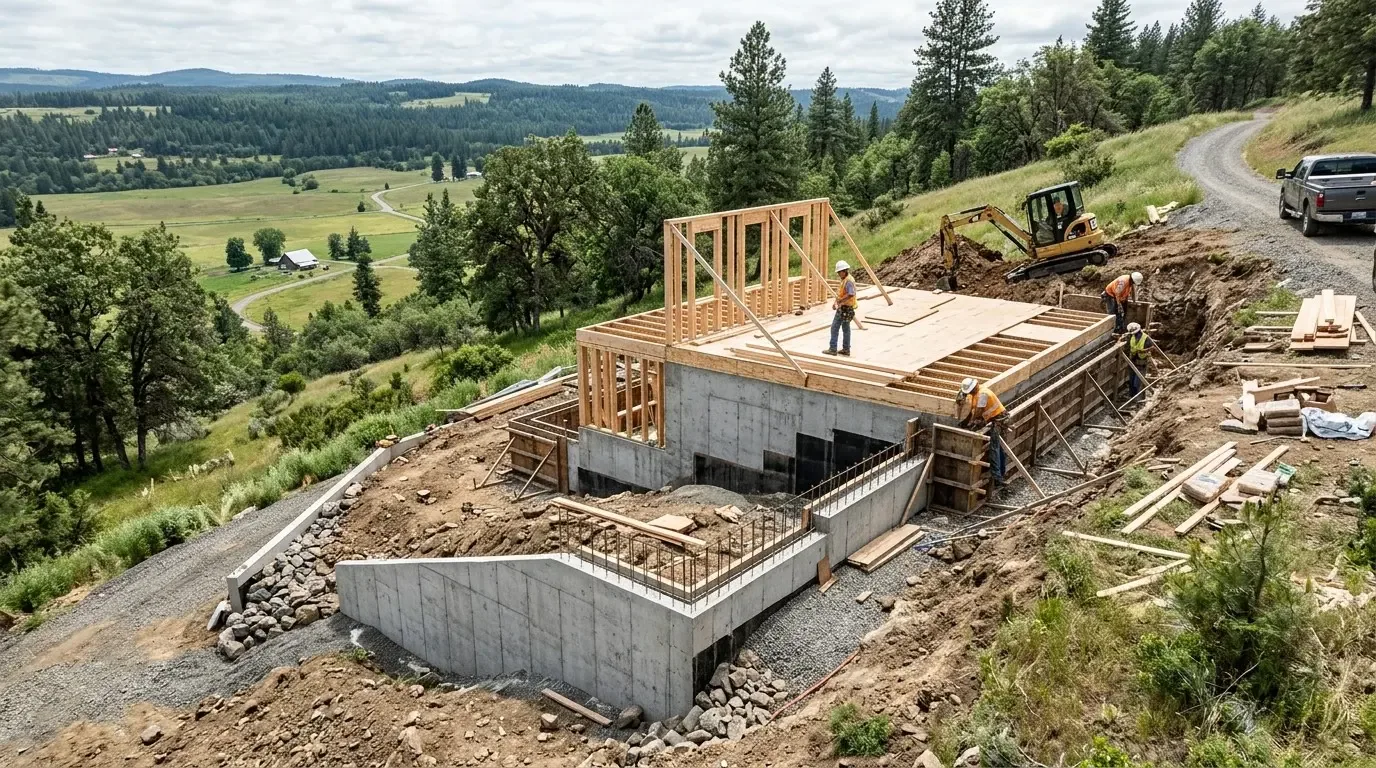
Material Specificity for Seismic Compliance
Authenticity-grade materials
- Structural steel brackets, for reliable fixture anchorage in seismic zones
- Rift-sawn white oak, for floors and cabinetry, offering stability and minimal warping
- High-density foam insulation, to improve wall integrity and reduce seismic vulnerability
- Epoxy-resin adhesives, for secure bonding of finishes and fixtures
- Flexible electrical wiring, to accommodate seismic movement without damage
- Heavy-duty anchoring hardware, from brands like Simpson Strong-Tie for safety
- Fire-resistant drywall, to meet safety standards and improve overall resilience
- Vibration-dampening mounts, for appliances and fixtures to minimize seismic impact
Generic-grade tells we refuse to spec
- Standard drywall, less resistant to seismic forces
- Plain-sawn wood, more prone to warping and less stable
- Lightweight fixtures, may not withstand seismic shocks
- Non-rated hardware, lacking compliance with seismic standards
- Thin adhesives, inadequate for seismic load
- Flexible piping, not suitable for seismic zones
San Mateo's Unique Seismic Interior Design Landscape
San Mateo’s proximity to active fault lines and its older housing stock make seismic compliance particularly important for interior design. The region’s light, landscape, and architectural styles favor open, airy interiors with large windows and lightweight furnishings, which naturally align with seismic safety principles. The typical homes near El Camino Real often feature wood-frame construction, requiring specific anchoring and reinforcement to meet local building codes. Incorporating seismic standards into interior design in San Mateo means selecting materials that balance safety with aesthetic appeal, avoiding overly heavy fixtures that could pose risks during an earthquake.
Our experience shows that understanding local seismic requirements can lead to smarter choices that enhance both safety and style. For example, utilizing concealed anchoring systems and lightweight cabinetry preserves the region’s open, modern feel while ensuring compliance. For homeowners and designers, partnering with local experts, such as structural engineers familiar with San Mateo’s code nuances, can streamline permitting and reduce surprises. To learn more about regional best practices, visit our San Mateo interior design hub for insights specific to the area's unique seismic landscape.
…
How do seismic design requirements affect interior layout and planning?
In San Mateo, seismic safety influences not just material choices but also the fundamental layout of interior spaces. The first question we ask homeowners is what their priorities are, are they more concerned with open plans or safety features? Seismic regulations often require strategic placement of heavy fixtures, reinforced walls, and anchoring points, which can impact the overall flow and function of a room. For example, large freestanding cabinets or heavy islands may need to be replaced with lighter, wall-mounted alternatives to meet code without sacrificing style.
In practical terms, this might mean redesigning a kitchen layout to incorporate fewer freestanding elements or installing built-in cabinetry with concealed seismic anchors. The process involves evaluating the weight and placement of fixtures, considering the home's structural capacity, and sometimes reconfiguring space to optimize safety. Balancing these factors ensures that interiors are both beautiful and compliant, reducing the risk of damage or injury during an earthquake. Consulting with local structural engineers and interior designers familiar with San Mateo’s seismic codes is essential to making informed decisions that serve both safety and aesthetic goals.
What This Costs in 2026
| Scope | San Mateo / Bay Area | Sacramento |
|---|---|---|
| Basic fixture anchoring and reinforcement | $3K-$10K | $2K-$8K |
| Partial structural upgrades and custom anchoring | $12K-$30K | $10K-$25K |
| Full seismic retrofit including foundation work | $60K-$200K | $50K-$150K |
Local permits & planning
Working Notes
What We Have Learned Doing This: San Mateo Seismic Design Requirements
“A decision made late costs three times the same decision made early.”
Old houses lie, and so do new ones. Even a ten-year-old house lies the moment you assume the framing sits where the plans say. We stopped trusting old drawings, prior contractor work, and the phrase it should be fine a long time ago. The budget needs a real line for what demolition will uncover, usually 15 to 20 percent once walls start opening.
Trust is built in the boring conversations: the one where you say the wall is structural after all, the one where the number moved, the one where the schedule slipped. Clients forgive reality. They do not forgive being surprised by it.
Most of the money that gets wasted is spent solving the wrong problem confidently. A homeowner asks for more space, every contractor agrees and prices an addition, and the real issue turns out to be light, or proportion, or one bad sightline. We make the room tell us the problem before anyone signs a demolition contract.
These notes come from our own project debriefs. Most were learned the expensive way the first time.
Sources & Professional References
This guide's positions on permits are grounded in published building-code, standards, and recognized design-authority sources, alongside Designed | Curated Interiors' verified credentials and active project files:
- International Code Council (ICC): Chapter 17 Special Inspections And Tests
- International Code Council (ICC): Careers In Code Enforcement
- Building Division, San Mateo (San Mateo County) building permit portal
- NKBA, Amy Kunst Member Profile (verified credential, NKBA Committee Member)
- Featured in: Homes & Gardens (design expert quote, May 2026) · Sacramento Love (guest author, 2024)
From Principle to a Real Room
A trend piece is the briefing document, not the deliverable. The pages below show how we translate these principles into finished rooms across San Mateo and the rest of Northern California.
- Sacramento & Bay Area Interior Design Services How we scope, source, and deliver work end to end.
- Interior Designer Hub, San Mateo Where most of our San Mateo work lives, the regional fit explained.
- Interior Designer in San Mateo Related cluster piece referenced from the Interior Designer in San Mateo build files.
- San Francisco Home Remodeling Permit Requirements and Delays Related cluster piece referenced from the San Francisco Home Remodeling Permit Requirements and Delays build files.
- Truckee Seismic Design Requirements for Construction Related cluster piece referenced from the Truckee Seismic Design Requirements for Construction build files.