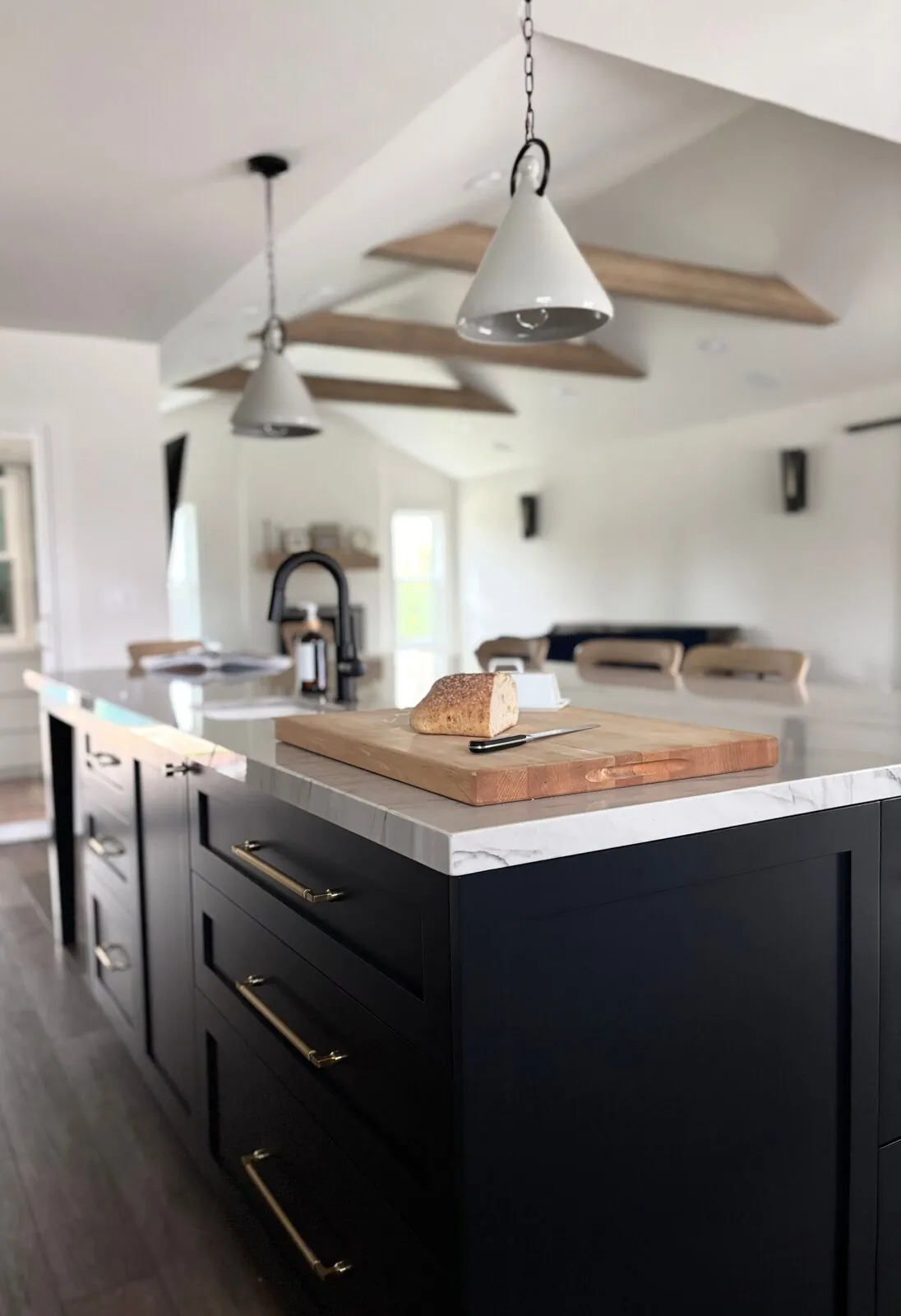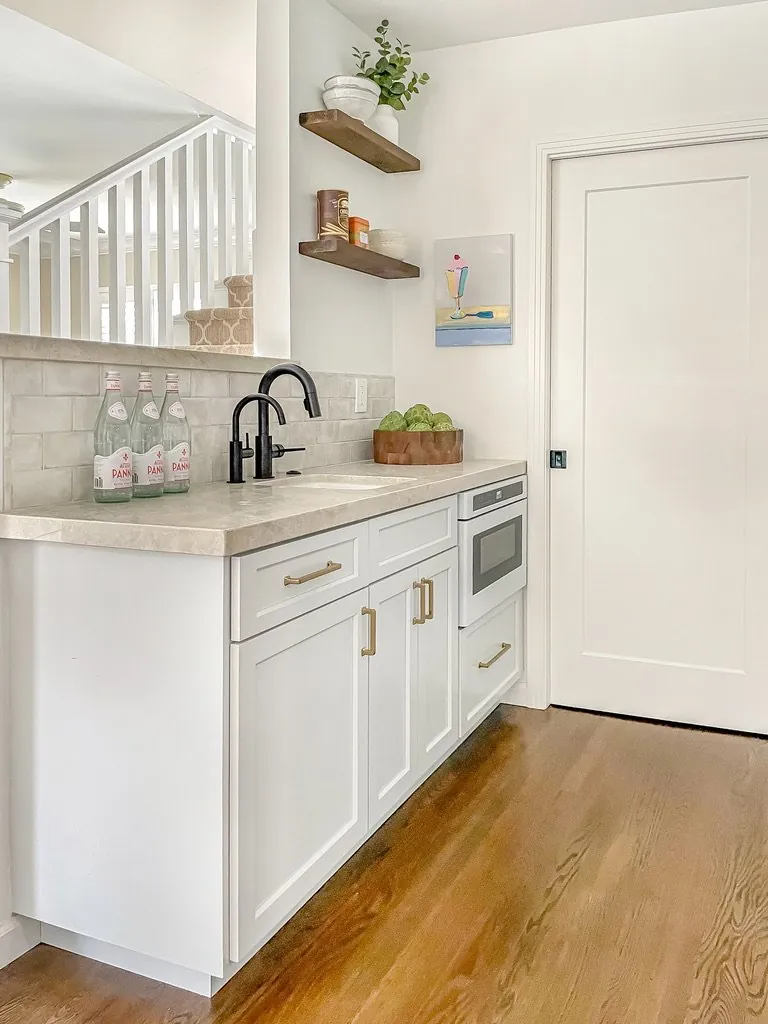
When Amy approaches a remodel in Richmond, she grounds her work in the city’s rich history and the distinct character of its neighborhoods, from the rolling hills of El Sobrante to the waterfront views of Marina Bay and the established homes in Point Richmond. The architectural diversity here, spanning Craftsman cottages in older districts, mid-century modern homes in the hills, and more contemporary updates near the bay, guides her design choices. She begins by honoring the existing structure, whether preserving original woodwork in a historic home with a natural finish or updating a post-war ranch with open, adaptable layouts that reflect the area’s evolution. Richmond’s climate, with its cool, damp winters and warm, dry summers, influences her material selections; she often turns to durable, moisture-resistant woods like reclaimed redwood or locally sourced cedar for built-ins and cabinetry, ensuring interiors stay light and connected to the outdoors. The orientation of the home also matters, south-facing rooms in Point Richmond might benefit from abundant natural light, while north-facing spaces in the flatter areas could rely on layered lighting to create warmth. She also draws inspiration from the neighborhood’s essence, whether it’s the quiet, tree-lined streets of Carriage Hills or the more urban feel near the Core, translating those details into design elements like hardware with an industrial touch or a color palette that complements the surrounding greenery.
Amy’s process is collaborative yet rooted in a clear vision for Richmond’s aesthetic, blending functionality with a relaxed, West Coast sensibility. She prioritizes locally sourced materials, working with Bay Area mills for custom cabinetry or selecting tiles and stones that reflect the region’s natural tones, soft greens, warm grays, and earthy browns. For clients seeking a cozy, lived-in space, she might incorporate exposed beams or textured walls to add depth, while those preferring a modern look could see clean lines and integrated storage to maintain an open feel. The neighborhood’s history also shapes her choices; a home in the historic East End might feature traditional tile work, whereas a younger family in the Iron Triangle could mix vintage finds with contemporary pieces for a personalized touch. Richmond’s climate further guides her decisions, such as recommending cross-ventilation strategies like casement windows to capture bay breezes or designing outdoor spaces with durable, low-maintenance materials suited for occasional rain.
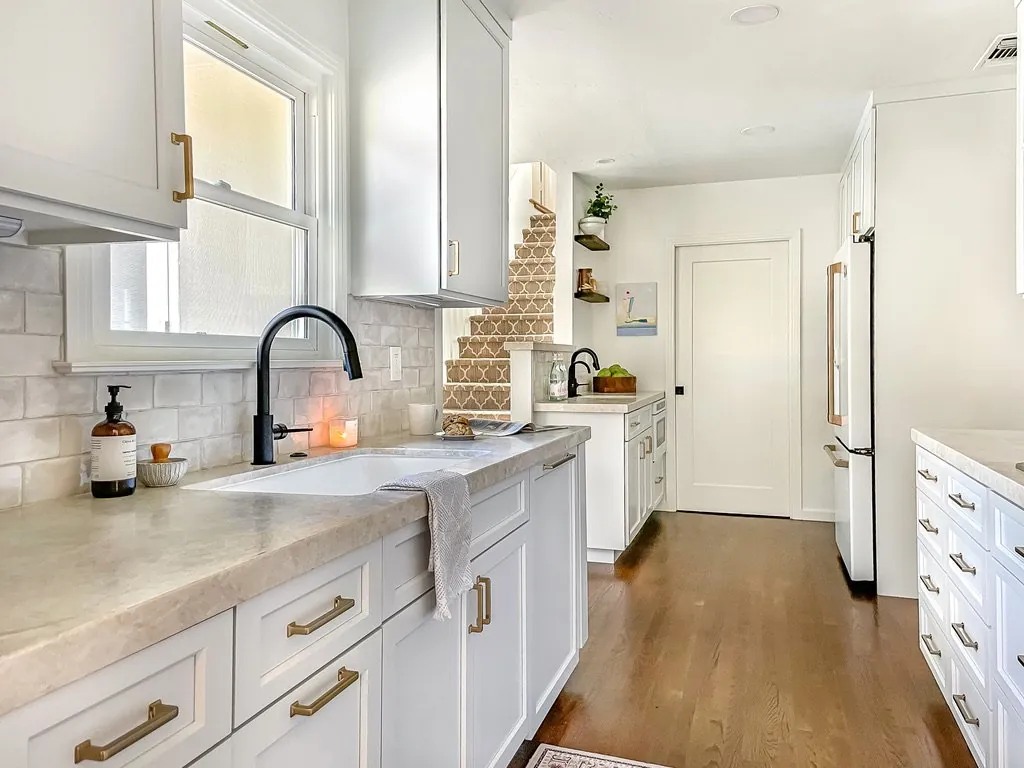
Every project Amy takes on is tailored to the homeowner’s lifestyle while staying true to Richmond’s unique identity. She asks thoughtful questions—*"Do you want a space for hosting or a quiet retreat?"* or *"Should the entryway feel inviting and warm or bright and energizing?"*—and adjusts the design accordingly, whether through a textured rug in a Craftsman home or a sleek, modern kitchen. She seamlessly blends old and new, preserving original hardwood floors in a 1920s bungalow while pairing them with contemporary fixtures or bold art. For families, she focuses on durable, easy-to-maintain materials, while empty nesters might receive a more serene, garden-overlooking retreat. No matter the style, she ensures the design harmonizes with Richmond’s rhythm, where indoor and outdoor spaces flow together and every detail feels intentional, creating a home that’s distinctly *yours*—grounded in the city’s spirit.