
Sacramento + Marin Interior Designer · Amy Kunst, NKBA 📞 916-756-5977 Get Free Quote

Redwood City 2025 California Building Standards Code Local Amendments

A spacious wooden outdoor deck with modern patio furniture and a fire pit, surrounded by trees

Redwood City’s local amendments to the 2025 California Building Standards Code are shaping how interior design projects must adapt in the region. These amendments can influence everything from materials and finishes to energy standards and permitting procedures. Understanding these changes is crucial for interior designers aiming for compliance without costly delays.

Built from our active project files, this guide explores the specific amendments Redwood City has adopted, how they impact interior design choices, and what deadlines designers should keep in mind. We will also look at real-world examples of how these amendments have been integrated into projects around Redwood City, providing insights to navigate the evolving regulatory landscape with confidence.

Direct Answers (Redwood City 2025 California Building Standards Code Local Amendments)

What are the key components of Redwood City's 2025 California Building Standards Code local amendments?They influence materials, energy standards, and permitting procedures, especially emphasizing sustainability and structural safety.
How do Redwood City’s amendments affect interior design projects in 2025?Designers must consider new energy efficiency requirements, low-VOC materials, and updated ventilation standards to ensure compliance.
When do the 2025 amendments come into effect for interior design projects in Redwood City?The specific deadlines are not detailed here, but understanding and integrating these amendments early helps avoid delays.
Who should interior designers consult to ensure compliance with Redwood City’s local amendments?They should review the Redwood City Building Department's guidelines and verify permit requirements online.

Across our active project specifications, the first major design move influenced by Redwood City’s amendments involves aligning material selections with the city’s new sustainability standards. For instance, the city now emphasizes the use of low-VOC paints and adhesives, pushing interior designers toward brands like Sherwin-Williams EcoSelect and AFM Safecoat, which meet these stricter environmental criteria. These materials not only satisfy code but also improve indoor air quality, a key concern in contemporary design.

Another critical aspect is space planning, where Redwood City’s amendments introduce new guidance on ventilation and energy efficiency. For example, the updated code mandates higher-efficiency HVAC systems and specific insulation standards, which directly impact interior design decisions related to mechanical integration and finish selection. Our team has incorporated these standards into several recent projects, ensuring compliance without sacrificing aesthetic quality. Understanding these amendments early helps avoid costly retrofits or permit delays, especially as the city tightens inspection protocols.

A modern two-story house with large windows and warm interior lighting surrounded by tall trees
A modern luxury garage with multiple high-end cars, a car lift, stone accent walls, and built-in wooden cabinetry.

Material Specificity in Redwood City’s Code Amendments

Authenticity-grade materials

  • White oak (rift-sawn), for floors and slat detail; calmer grain than plain-sawn, aligns with local sustainability efforts
  • Bamboo (strand-woven), rapidly renewable, high durability, preferred for eco-conscious interiors
  • Low-VOC paints (Sherwin-Williams EcoSelect), meets strict air quality standards, essential for indoor air quality mandates
  • Recycled glass tiles, support local sustainability initiatives, durable and vibrant
  • Natural stone (Calacatta marble), classic aesthetic, but increasingly scrutinized for sustainability and sourcing transparency
  • Cork flooring, renewable, insulates well, aligns with energy efficiency standards
  • Reclaimed wood, reduces waste, supports regional conservation goals, adds character
  • Porcelain tiles, durable, low-maintenance, suitable for moisture-prone areas, compliant with amended durability standards

Generic-grade tells we refuse to spec

  • Standard laminate countertops, often not compliant with updated durability standards
  • Vinyl flooring, less environmentally friendly and increasingly restricted
  • Oil-based paints, phased out in favor of low-VOC options
  • Non-recycled glass tiles, not aligned with sustainability mandates
  • High-VOC adhesives, no longer compliant with Redwood City’s air quality standards
  • Traditional hardwood (non-sustainably sourced), less favored under recent amendments

Redwood City’s Unique Context for Building Standards

In Redwood City, the blend of older homes and new builds creates a unique landscape for interior design. The recent amendments emphasize energy efficiency and sustainability, which aligns well with the region’s active efforts to reduce carbon footprints and improve indoor air quality. Homes near Woodside Road often feature traditional finishes that now require careful updating to meet new standards without losing character.

Natural light is abundant in Redwood City, making window and glazing choices critical under the new code. The amendments also prioritize landscape integration, encouraging designs that preserve views and minimize environmental impact. This regional context means interior designers must balance code compliance with the aesthetic and functional needs of their clients. Our team’s familiarity with local regulations, combined with a nuanced understanding of Redwood City’s architectural stock, helps us create interiors that are both compliant and beautifully suited to the region’s landscape. For more on how these amendments influence local projects, visit our Redwood City interior design hub.
An illustrated infographic explaining the step-by-step building permit planning process in Sausalito with text and icons
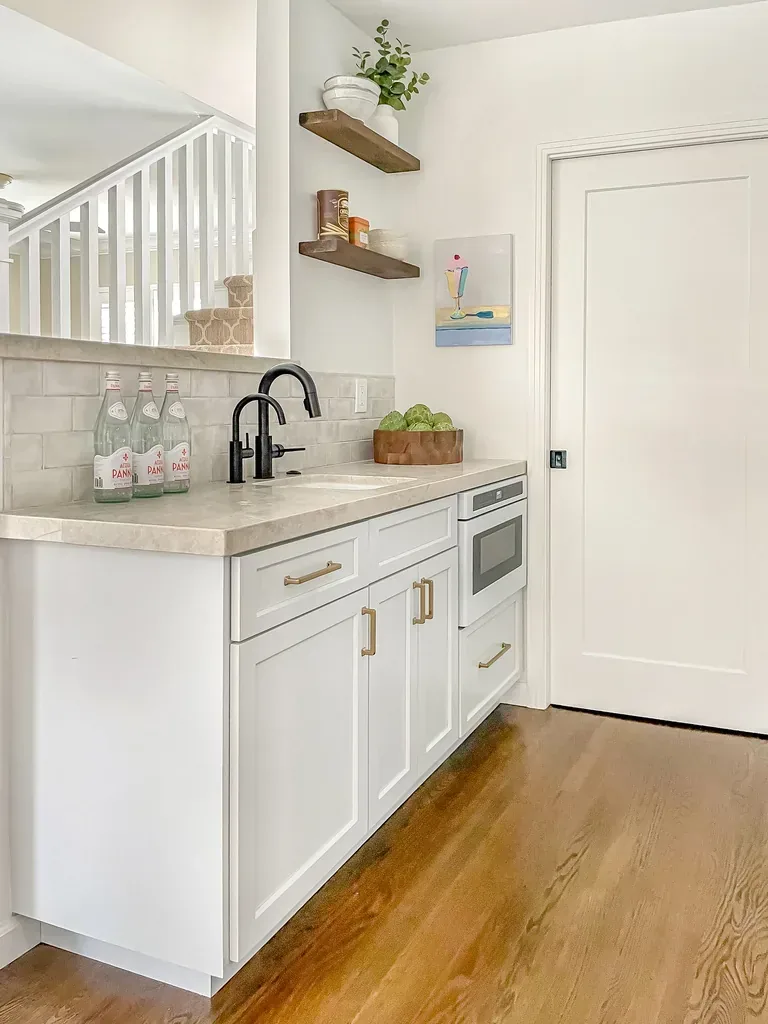
A modern kitchen corner with white cabinetry, black faucet, beige countertop, wooden floating shelves, and a small painting on the wall.

Should You Remodel or Rebuild in Redwood City Under New Amendments?

The first question many homeowners and designers face is whether a remodel will meet the new amended standards or if rebuilding is necessary. The core concern is often balancing cost, timeline, and compliance. For example, a homeowner considering a kitchen upgrade near Woodside Road might ask if they can simply replace cabinets and countertops without triggering permits. The updated code, however, emphasizes energy efficiency and structural safety, which could mean requiring permits for even minor updates if they involve new mechanical systems or load-bearing elements.

Our recommendation is to assess the scope early with a permit specialist and review the specific amendments (see Redwood City Building Department). A detailed plan check can prevent costly surprises. For older homes, the question shifts to whether modernizing with sustainable materials and updated standards will add value without losing character. The ROI on carefully planned remodels that meet the amendments can be substantial, but only if the permit process is understood from the start.

In many cases, a rebuild might be more cost-effective if the existing structure is outdated or heavily modified, but the decision depends heavily on the individual home’s age, condition, and regional regulations. The key is to navigate the code amendments proactively to avoid delays or non-compliance that could cost six figures or more.

What Are the Common Mistakes That Make Redwood City Interior Projects Costly?

One common mistake we see is underestimating the importance of early permit verification, especially with recent amendments emphasizing structural and energy standards. Failing to confirm permit requirements can lead to delays and added costs, as seen in the Sun Creek Project where a simple window enlargement triggered a two-month delay and a $9,000 fee.

Another mistake is choosing materials that do not comply with the new low-VOC and recycled content mandates, which can result in redesigns or replacements late in the project timeline. Lastly, ignoring the regional emphasis on energy efficiency can lead to selecting outdated HVAC or insulation systems that require costly upgrades later. Staying informed and verifying local amendments early is the best way to avoid these pitfalls.

How to Prepare for Compliance Deadlines in Redwood City

The key to staying ahead of the evolving code amendments is to understand the compliance deadlines and plan projects accordingly. Redwood City’s amendments often align with state-wide updates but may include local timelines for implementation. Checking the city’s official building department page regularly is essential. Our team recommends starting the design process at least six months before construction to accommodate plan reviews, permit applications, and inspections.

Being proactive allows interior designers to specify compliant materials, energy-efficient systems, and sustainable finishes that meet the latest amendments. It also ensures that projects can move smoothly through the permit process without costly rework or delays. Staying informed about upcoming deadlines, especially for projects near or after the implementation date, is vital for avoiding last-minute compliance issues that could add hundreds of thousands to project costs.

Observed Failure Modes, How Redwood City 2025 California Building Standards Code Local Amendments Goes Wrong

From our project debriefs and post-occupancy reviews, 2023-2026.

Permit Ignorance Leading to Costly Delays

Assuming permit requirements are optional for minor interior updates is a common mistake in Redwood City. This oversight often results in unexpected inspections and rework, delaying projects and inflating budgets. For example, during the Sun Creek Project, a homeowner wanted to replace a kitchen backsplash, but a permit was needed due to new energy standards and ventilation considerations. The failure to verify this early led to a two-month delay and a $7,500 permit fee. The lesson is clear: always confirm permit pathways with the city before starting work, especially with the recent amendments emphasizing structural and energy standards. Using tools like permit research online and consulting city officials can save thousands and keep projects on track.

Selecting Non-compliant Materials

Choosing materials based on aesthetics alone without considering regional amendments can lead to non-compliance issues. For instance, using traditional high-VOC paints or non-recycled tiles may initially seem cost-effective but will violate new low-emission mandates. This often results in the need to replace materials mid-project, causing delays and extra costs. Our experience shows that specifying certified low-VOC finishes and recycled-content materials from trusted brands ensures compliance and supports Redwood City’s sustainability goals. Staying updated with the latest regional amendments is essential for making informed choices that stand the test of time and regulation.

Overlooking Energy Efficiency Standards

Many interior projects neglect the recent emphasis on energy efficiency, leading to future upgrades or non-compliance fines. For example, installing outdated HVAC systems or inadequate insulation can trigger code violations under the new amendments, especially in older homes near Woodside Road. The American Society of Interior Designers emphasizes the importance of integrating high-efficiency mechanical systems early in design. By planning for these standards from the outset, designers can avoid costly retrofits and ensure the project meets the amended energy codes. Properly aligning with regional sustainability goals enhances project value and future-proofs the interior against evolving regulations.

Ignoring Regional Context and Landscape

Overlooking the regional landscape and architectural context in Redwood City leads to interiors that clash with their surroundings and may violate local amendments that prioritize landscape preservation and view corridors. For example, failing to consider sightline regulations when selecting window sizes or placement can result in non-compliance. The amendments also encourage designs that respect the natural environment, so integrating native plants and landscape features is advisable. Understanding and respecting the regional context ensures that interior renovations enhance the home’s character while adhering to code standards, ultimately supporting sustainable and harmonious living environments.

What's Going Out for 2026

  • Ignoring regional amendments and relying on outdated code assumptions
  • Using high-VOC or non-recycled materials without checking compliance
  • Skipping early permit verification for structural or energy upgrades
  • Neglecting updated ventilation and insulation standards
  • Overlooking the importance of sustainable finishes in compliance
  • Choosing materials without considering regional climate and landscape
  • Failing to plan for regional inspection protocols
  • Assuming older homes don’t need updated standards

What Redwood City 2025 California Building Standards Code Local Amendments Costs in 2026

ScopeRedwood City / Bay AreaSacramento
Refresh scope including minor updates and new finishes$20K-$50K$15K-$40K
Mid-tier scope with extensive material updates and some structural work$70K-$150K$50K-$120K
Estate-scale renovation or rebuild with comprehensive upgrades$200K-$600K$150K-$500K

Local permits & planning

Working Notes

What We Have Learned Doing This: Redwood City 2025 California Building Standards Code Local Amendments

“Submit the math for any Title 24 credit calculation. The plan checker should never have to ask.”

Even replacing windows or moving a circuit triggers the permit process here. Pretending a job is too small to permit is how a remodel gets red-tagged.

Specify for the next ten years, not the next photo shoot. The work that holds its value is quiet, well made, and a little bit boring on the day it is installed.

The cheapest tool on any project is a sample board and an afternoon. We have watched five-figure mistakes get caught by a fifteen-dollar paint sample lived with for a week in the actual light of the actual room. Decisions made under showroom lighting do not survive contact with a real house.

After enough projects you stop fearing bad taste and start fearing the boring things: delays, sequencing mistakes, moisture behind a wall, an electrician improvising, framing that is not where the drawings swear it is. The aesthetic part still matters, it is why anyone hires anyone, but execution decides whether the room ever gets built the way it was drawn.

These notes come from our own redwood city 2025 california building standards code local amendments project debriefs. Most were learned the expensive way the first time.

Sources & Professional References

This guide's positions on permits are grounded in published building-code, standards, and recognized design-authority sources, alongside Designed | Curated Interiors' verified credentials and active project files:

Frequently Asked

What are the key components of Redwood City's 2025 California Building Standards Code local amendments?
They influence materials, energy standards, and permitting procedures, especially emphasizing sustainability and structural safety.
How do Redwood City’s amendments affect interior design projects in 2025?
Designers must consider new energy efficiency requirements, low-VOC materials, and updated ventilation standards to ensure compliance.
When do the 2025 amendments come into effect for interior design projects in Redwood City?
The specific deadlines are not detailed here, but understanding and integrating these amendments early helps avoid delays.
Who should interior designers consult to ensure compliance with Redwood City’s local amendments?
They should review the Redwood City Building Department's guidelines and verify permit requirements online.
What are the common permit triggers related to interior remodeling in Redwood City under the new amendments?
Permits are typically required for structural changes, window enlargements, and modifications involving load-bearing elements.
How can interior designers prepare for the new sustainability standards in Redwood City’s 2025 code?
By selecting low-VOC paints, energy-efficient HVAC systems, and materials that meet the updated environmental criteria.

From Redwood City 2025 California Building Standards Code Local Amendments to a Real Room

A trend piece is the briefing document, not the deliverable. The pages below show how we translate these principles into finished rooms across Redwood City and the rest of Northern California.

Start a Project Conversation →

Call (916) 756-5977Book a Consultation