When I take on a kitchen remodel in Millbrae’s estates, where mid-century modern meets contemporary California living, I start by studying the home’s existing architectural language, because that’s what ties the space to its neighborhood character. The homes here often feature clean lines, large windows framed by deep overhangs for shade, and an emphasis on indoor-outdoor flow, thanks to the Bay Area’s mild but variable climate. I notice how the original layouts in these estates tend to prioritize open sightlines to the living areas, which is why I focus on maintaining or enhancing that connection while optimizing the kitchen’s workflow. For example, in a home with a classic Millbrae floor plan, where the kitchen might sit between the living room and a private backyard, I’ll often keep the peninsula or island open to the living space but anchor it with durable, low-maintenance materials that resist the coastal fog and occasional dampness. The goal is to honor the home’s architectural roots while making the space feel fresh and functional for today’s lifestyle, whether that means updating a 1960s-inspired layout with modern storage solutions or preserving original wood paneling while adding sleek, moisture-resistant cabinetry.
Millbrae’s climate and the way it shapes daily life in these estates is a big part of how I approach materials and design. The coastal fog means we need to be mindful of humidity and salt air, so I lean into materials that can handle that without sacrificing style, think sealed concrete countertops, teak or ipe hardwood for flooring (both naturally resistant to moisture), and matte or textured finishes that hide water spots better than glossy surfaces. Locally, I love sourcing reclaimed redwood for shelving or accent walls, not just for its sustainability but because it nods to the region’s history while standing up to the damp. Ventilation is another key consideration; in a tight layout, I’ll often advocate for a high-performance range hood or even a passive ventilation strategy, like strategically placed windows that catch the afternoon breeze. And because these estates are so close to the airport, I also think about sound, softer materials like cork or rubberized flooring underfoot can make a big difference in keeping the space feeling cozy, not echoey.
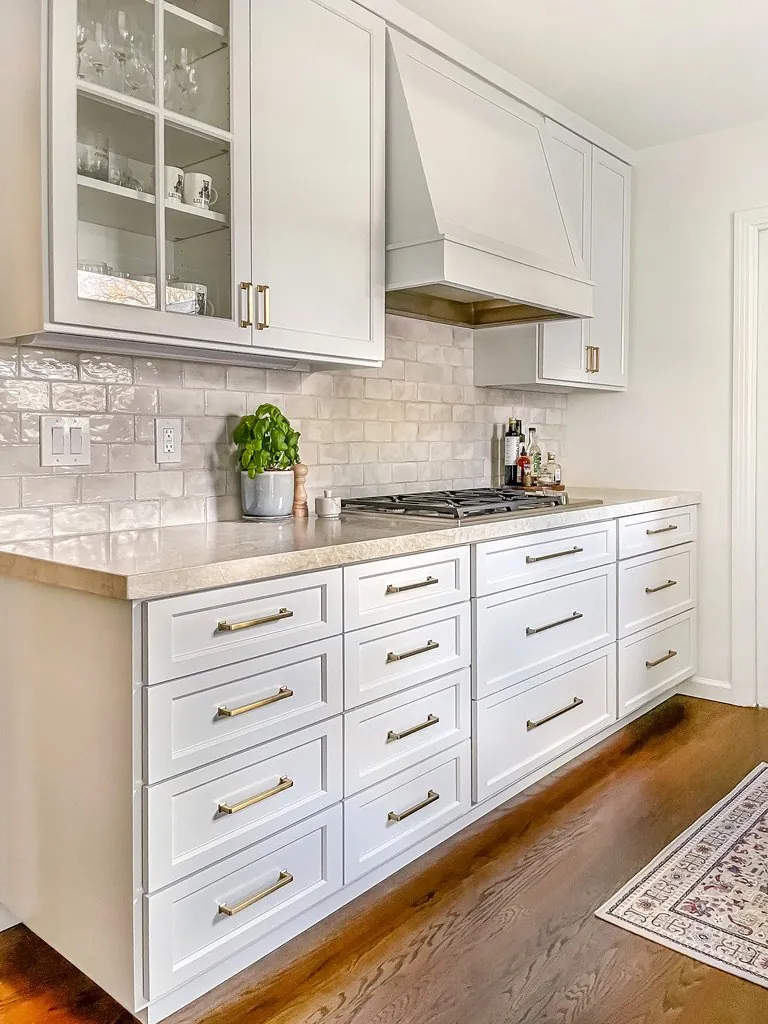
Ultimately, my approach to quick kitchen layouts in Millbrae is about balancing efficiency with the homeowner’s personal aesthetic, whether that’s a love for warm wood tones, a minimalist palette, or a mix of vintage and modern. I start by listening to what matters most to them: Is it about entertaining with an open, social layout, or do they prefer a more contained space for cooking and family meals? For a homeowner who wants to keep the mid-century charm but update the functionality, I might suggest keeping the original cabinetry’s silhouette while swapping out hardware for something more contemporary, or introducing a two-tone color scheme to modernize the look. If the goal is a sleek, contemporary space, I’ll focus on seamless transitions between materials, like pairing matte black appliances with warm stone countertops, and incorporating smart storage to keep the space feeling uncluttered. The key is making sure the design reflects their lifestyle while working within the constraints of the home’s layout and the neighborhood’s architectural DNA. After all, in Millbrae, a kitchen should feel like a natural extension of the home, not just a functional add-on.
Featured Neighborhoods