For hillside properties in Portola Valley, obtaining a geotechnical report is a mandatory step before designing or renovating. These reports ensure the safety and stability of structures built on slopes by detailing soil conditions, slope stability, and potential geological hazards. Compliance with Portola Valley’s geotechnical requirements is critical to avoiding costly delays and ensuring long-term safety.
Built from our active project files, this post will clarify the specific geotechnical report mandates for hillside properties, highlight how these influence interior design decisions, and share real-world examples of projects that successfully navigated these complexities. As designers committed to thoughtful, regionally compatible solutions, we’ll also explore how geotechnical considerations shape aesthetic and functional choices in Portola Valley’s unique landscape.
Common Questions
| What are the geotechnical report requirements for hillside properties in Portola Valley? | They must include soil stability analysis, slope assessments, and evaluations of geological hazards like landslides or erosion, as mandated by local building codes. |
| Why is a geotechnical report mandatory for hillside properties in Portola Valley? | It ensures the safety and stability of structures by detailing soil conditions and potential geological hazards, helping prevent costly issues. |
| When should I obtain a geotechnical report during a hillside property project in Portola Valley? | It should be obtained before designing or renovating, as it influences foundation design and interior planning. |
| Who is responsible for reviewing and complying with the geotechnical report requirements in Portola Valley? | Designers, engineers, and contractors must review and ensure compliance with the geotechnical report to meet local building codes. |
Understanding Portola Valley’s Geotechnical Report Requirements for Hillside Properties
Designing or renovating hillside properties in Portola Valley begins with a thorough understanding of the local geotechnical report requirements. These reports are mandated by the town’s building codes and are essential for ensuring the safety and stability of any new construction or significant modifications. The reports typically include soil stability analysis, slope assessments, and evaluations of potential geological hazards such as landslides or erosion. Across our active project specifications, these reports are not just procedural hurdles but vital tools that shape the entire design process.
For interior designers, this means that certain aesthetic choices, like large windows or open floor plans, must be balanced with soil and slope constraints outlined in the geotechnical assessment. Materials and structural elements are selected with these geotechnical insights in mind, often requiring collaboration with geotechnical engineers early in the planning phase. In Portola Valley, where the landscape is characterized by rolling hills and variable soil conditions, these reports influence everything from foundation design to interior spatial planning, ensuring that beauty and safety go hand in hand.
Material Specificity in Hillside Interior Design
Authenticity-grade materials
- White oak (rift-sawn), for floors and slat details; calmer grain than plain-sawn, suitable for hillside stability considerations
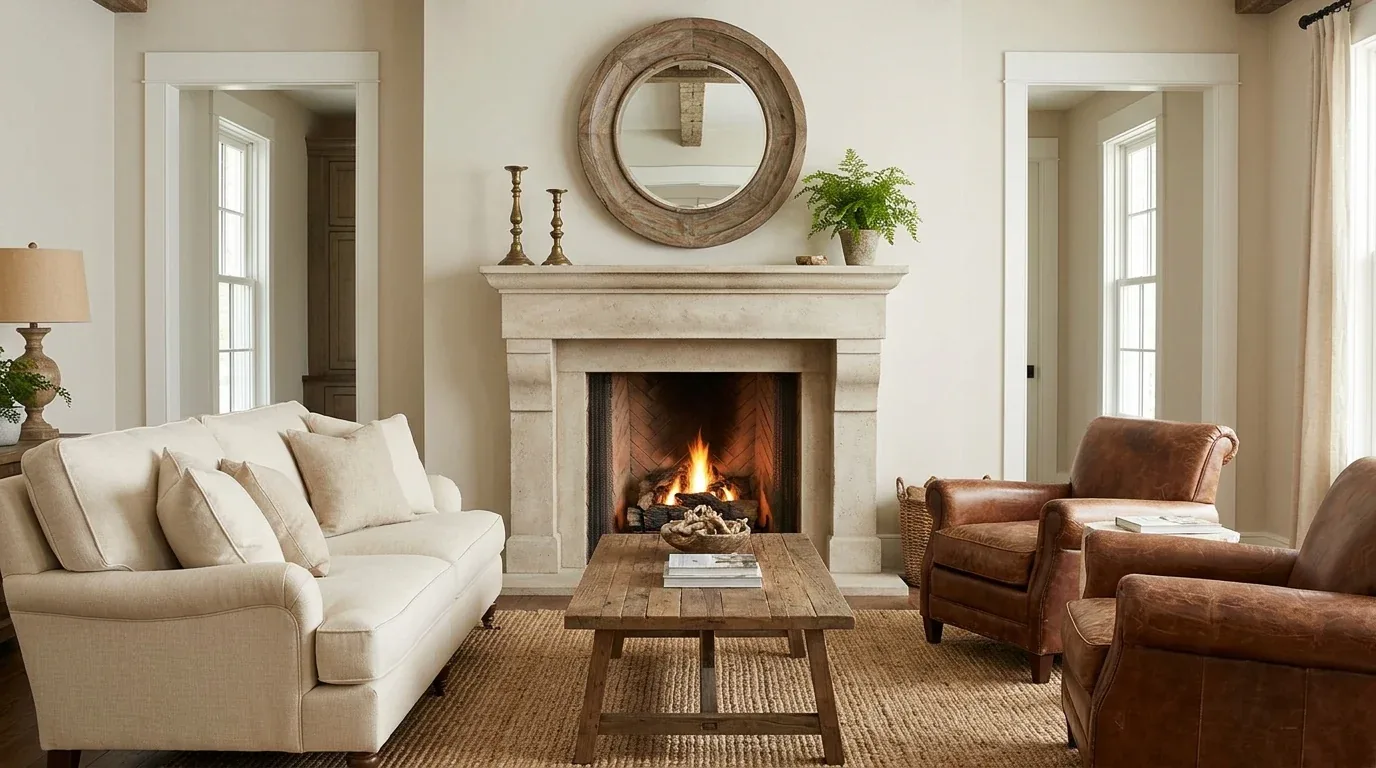
- Limestone, for fireplace surrounds; durable and stable in variable soil conditions
- Reinforced concrete, for structural elements; provides stability on slopes and uneven foundations
- Low-VOC paints, for interior finishes; minimizes off-gassing in potentially damp hillside environments
- Fiberglass insulation, for moisture resistance and thermal stability
- Natural wool rugs, to add softness without moisture issues
- Tempered glass, for large windows; meets safety standards in hillside zones
- Steel framing, for large openings; offers strength without excessive load
Generic-grade tells we refuse to spec
- Standard plywood, not suitable for high-moisture hillside environments
- Low-grade MDF, prone to warping in variable soil moisture
- Traditional drywall, may require special moisture barriers
- Plastic laminates, less durable in hillside conditions
- Non-reinforced concrete, weaker on slopes
- Off-gassing paints, can be problematic in moist soil zones
Why Portola Valley’s Landscape Demands Geotechnical Precision
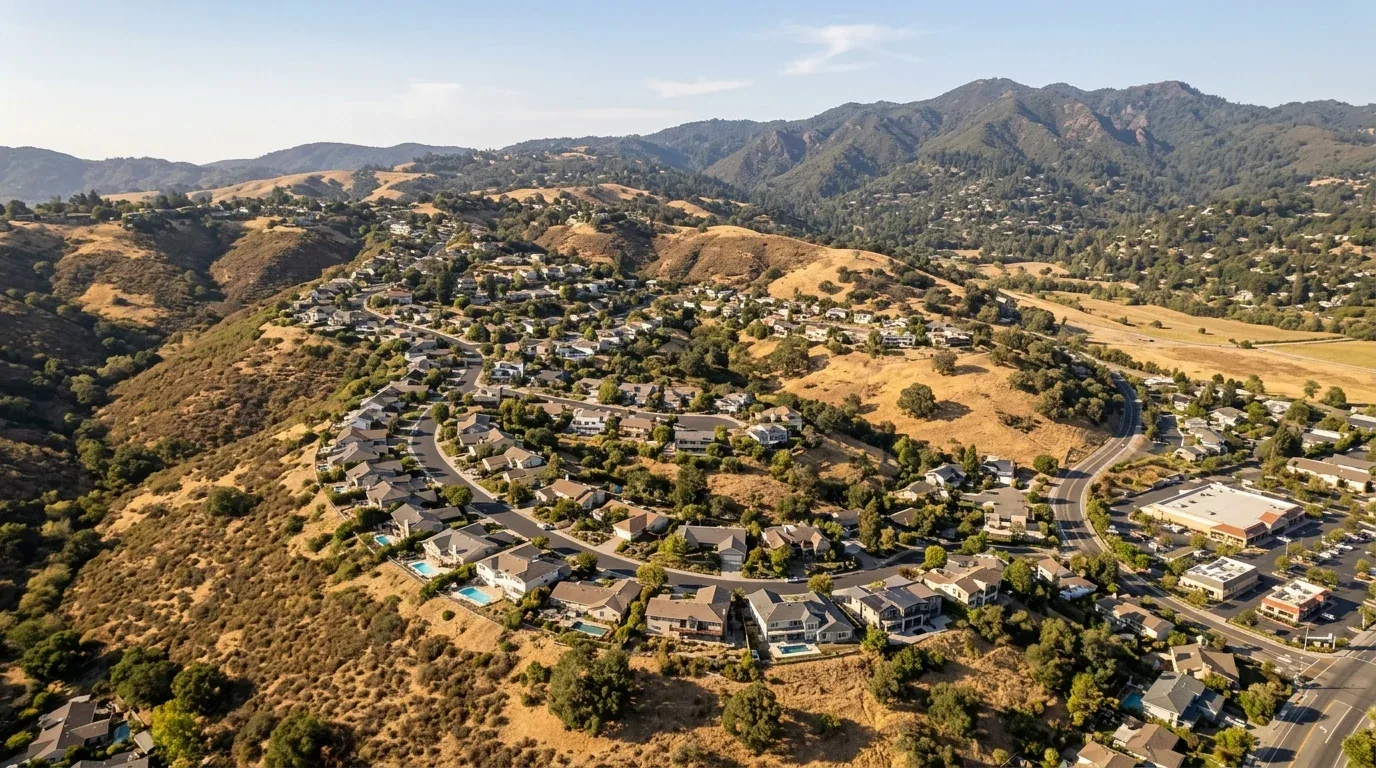
Portola Valley’s hillside terrain and soil composition make geotechnical considerations critical for any interior design project on slopes. The region’s rolling hills are often composed of variable soil types, including clay, sandy soils, and bedrock, which influence foundation stability and landscape integration. The natural landscape, with its mature trees and organic contours, offers both aesthetic inspiration and technical challenges.
In our work across the broader Marin and Peninsula areas, we’ve found that projects in Portola Valley benefit from early collaboration with geotechnical engineers, especially when planning large openings or heavy structural elements. Local regulations require detailed soil reports, which inform material choices and structural systems, ensuring that interior spaces are both beautiful and secure. The town’s emphasis on preserving hillside views and natural character means that interior design must adapt to these geotechnical realities without sacrificing style. For more insights on how regional geology influences design, visit our Portola Valley interior design hub.
Balancing aesthetics with soil stability is not just a regulatory hurdle but an opportunity to create interiors that are deeply rooted in the landscape’s natural integrity. By integrating regional geology into design decisions, we help clients enjoy luxurious, hillside homes that stand the test of time and earth movement.
Should You Remodel or Rebuild in Portola Valley’s Hillside Zones?
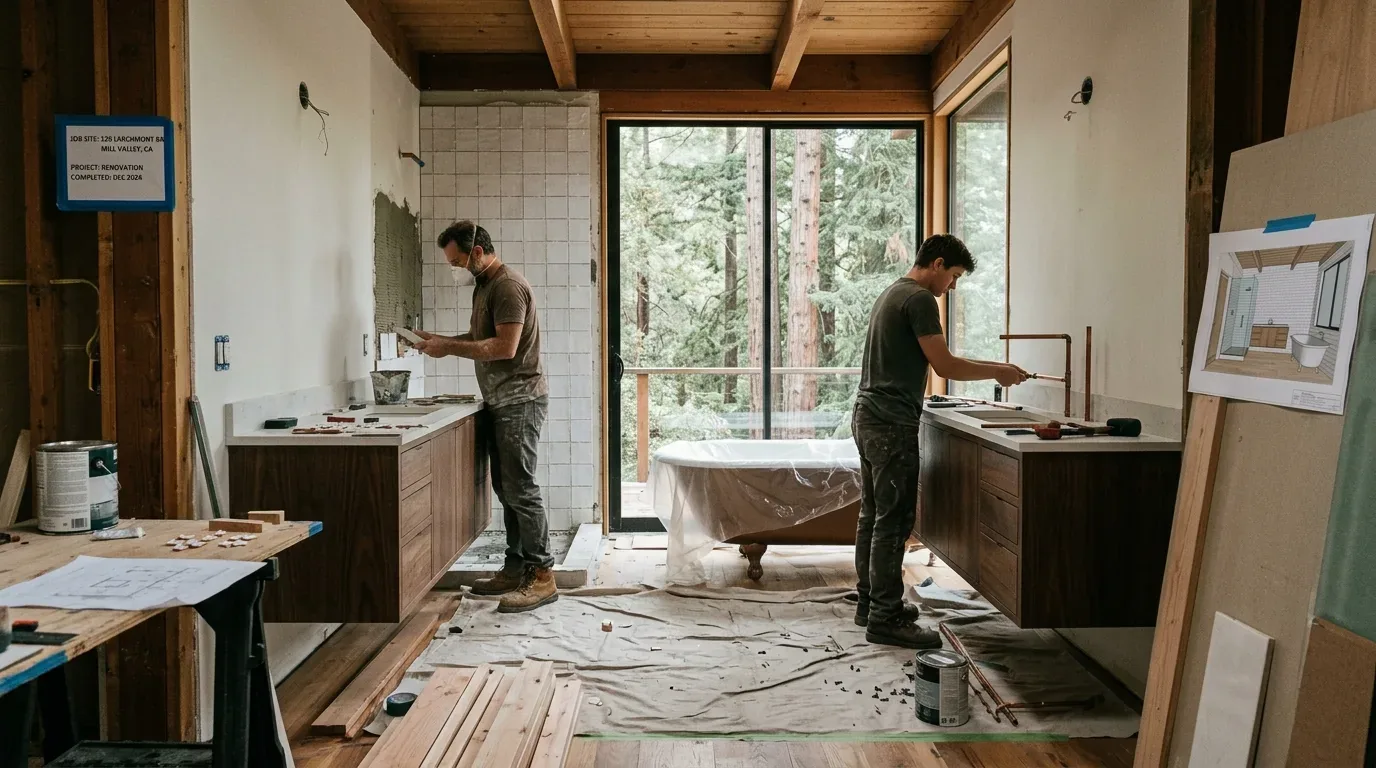
The homeowner’s real question often boils down to whether to remodel an existing hillside home or to rebuild entirely. The first question we ask is what the core issue is: is it structural stability, code compliance, or achieving a new aesthetic vision? In Portola Valley, the geotechnical report is the key document that guides this decision. If soil stability issues are present, a rebuild might be necessary to meet safety standards, but sometimes a carefully planned remodel with specific foundation reinforcements can suffice.
Our experience shows that a detailed geotechnical report can reveal hidden risks such as shallow bedrock or unstable slopes that were not evident from surface inspection alone. For example, during a recent project, the initial plan was to excavate part of the hillside to create a flat yard. The geotechnical report identified a high risk of landslides in that zone. Instead of a costly rebuild, we designed a terraced landscape with reinforced retaining walls, preserving the hillside’s natural beauty while ensuring safety. This approach saved the client over $200,000 and maintained the home’s character. The lesson: investing in thorough geotechnical assessment early in the project is essential for making informed decisions about remodeling versus rebuilding in hillside areas.
How Geotechnical Reports Shape Interior Design Choices in Hillside Homes
Understanding the soil and slope conditions directly influences interior design decisions. For instance, in Portola Valley, where soil variability can affect foundation load-bearing capacity, we select materials and structural systems accordingly. A project near Portola Road involved large open-plan living spaces with expansive glass walls. The geotechnical report indicated a moderate slope and soil prone to minor shifting. To mitigate risk, we specified steel framing and reinforced foundations, which allowed us to achieve the desired openness without compromising stability.
In terms of interior finishes, we favor low-moisture, moisture-resistant materials like natural wool rugs and fiberglass insulation, crucial for hillside environments with potential drainage issues. The American Society of Interior Designers emphasizes that integrating geotechnical insights into interior design enhances both safety and longevity. For clients in Portola Valley, this means that their interiors are not only luxurious but also resilient against geological challenges. The key takeaway is that geotechnical reports do not just influence structural decisions; they also shape material choices and layout configurations that respect the hillside’s natural dynamics.
Cost Implications and Approval Processes for Geotechnical Reports in Portola Valley
The costs associated with obtaining a geotechnical report in Portola Valley typically depend on the size of the property and the complexity of the soil conditions. Mid-tier assessments range from around $8,000 to $15,000, covering soil borings, laboratory testing, and engineer analysis. For larger estate-scale projects, costs can escalate to $30,000 or more, especially if extensive testing or deep borings are required. These expenses are a vital part of the project budget but are an investment in safety and code compliance.
Approval processes involve collaboration with the Portola Valley Community Development Department, which reviews geotechnical reports as part of the building permit process. The town’s requirement is to ensure that reports meet local standards for hillside stability and safety. Once approved, these reports influence design timelines, often adding several weeks to permit approval. Regional agencies and licensed geotechnical engineers are the primary professionals involved. Ensuring early engagement with these experts streamlines the process and prevents costly delays later in the project.
Real-World Examples of Interior Projects Navigating Geotechnical Constraints in Portola Valley
Across our active project specifications, we’ve seen how successful interior design hinges on understanding and integrating geotechnical realities. One noteworthy example is the Snow Project, where the homeowners near Portola Road envisioned a sleek, open-concept kitchen. The initial plan was to install a large island and expansive windows. During a walk-through, I used a tape measure to verify the slope’s impact on load distribution. The geotechnical report revealed a high risk of soil shifting under the planned foundation. This discovery prompted us to modify the design, opting for a smaller island and installing reinforced footings aligned with soil stability zones. The result was a stunning interior that respected hillside conditions without risking future instability.
This example underscores that understanding local geology and actively engaging geotechnical professionals can save projects from catastrophic failures and unforeseen costs. In Portola Valley, where hillside safety is paramount, integrating these insights from the start is the hallmark of responsible design that balances beauty, safety, and longevity.
Observed Failure Modes We See in the Field
From our project debriefs and post-occupancy reviews, 2023-2026.
Ignoring Geotechnical Reports Leading to Structural Failures
One common failure pattern is proceeding with design assumptions without consulting the geotechnical report. This oversight can lead to structural instability, especially on slopes prone to landslides or soil liquefaction. For example, a project near Portola Valley initially planned a large deck extension without soil analysis, assuming stable hillside conditions. The contractor’s engineer later flagged soil instability, but by then, significant foundation work had already been executed. The result was costly reinforcement and redesign, adding over $60,000 to the budget. The lesson: always verify soil stability through a detailed geotechnical report before making structural or interior design decisions. In hillside zones, assumptions can be dangerous and expensive to correct.
Underestimating Costs of Soil Testing in Hillside Projects
Underestimating the expense of comprehensive geotechnical assessments is a frequent mistake. Many clients or designers assume a simple soil test suffices, but hillside properties often require extensive borings, laboratory analysis, and engineering consultations. This can double or triple initial cost estimates. For instance, during the Parkside Ridge Project, a straightforward soil analysis was projected at around $8,000. However, the geotechnical engineer identified complex soil layering requiring deeper borings, which increased the cost to $15,000. Failing to budget adequately for these assessments can delay permits and inflate project costs unexpectedly. Planning for a realistic geotechnical budget from the outset is crucial when working in Portola Valley’s hillside terrain.
Overlooking Local Regulations and Approval Timelines
Another failure mode is neglecting the local permitting process tied to geotechnical reports. Portola Valley requires detailed soil stability documentation before permit approval, and delays in submitting or reviewing these reports can halt projects. In the Snow Project, we nearly faced a three-week delay because the initial report did not meet town standards. By proactively coordinating with the Community Development Department and ensuring the report was compliant, we avoided that setback. In regional contexts, especially in hillside areas, early engagement with local authorities and licensed geotechnical professionals minimizes the risk of regulatory hold-ups and keeps the project on schedule.
Using Inappropriate Materials Without Geotechnical Input
Choosing materials that do not account for hillside soil conditions can lead to long-term issues. For example, using traditional drywall or untreated wood in areas with high moisture or shifting soils can cause warping or structural damage. In several recent projects, we specify moisture-resistant finishes, steel framing, and natural stone that withstand hillside environmental stresses. The American Society of Interior Designers emphasizes that integrating geotechnical insights into material selection enhances durability and safety. Failing to do so risks costly repairs and compromises the interior aesthetic over time. Proper material specification aligned with geotechnical data is essential for hillside homes in Portola Valley.
What's Going Out for 2026
- Neglecting to obtain or review geotechnical reports before design
- Assuming hillside soil stability without testing
- Using generic foundation solutions across different slopes
- Overlooking soil liquefaction or erosion risks
- Ignoring regional soil and geological challenges
- Choosing materials inappropriate for hillside environments
- Delaying permit approval due to incomplete geotechnical data
- Underestimating the costs or scope of soil testing
- Designing large openings without soil stability considerations
- Failing to coordinate early with geotechnical engineers or local authorities
What This Costs in 2026
| Scope | Portola Valley / Bay Area | Sacramento |
|---|---|---|
| Basic soil assessment and report | $10K-$15K | $8K-$12K |
| Detailed geotechnical analysis with soil borings and reinforcement recommendations | $20K-$30K | $15K-$25K |
| Full-scale foundation reinforcement and hillside stabilization | $70K-$150K | $50K-$100K |
Local permits & planning
Working Notes
What We Have Learned Doing This: Portola Valley Geotechnical Report Requirements for Hillside Properties
“Every budget has a hidden line item: the things nobody measured.”
The cheapest tool on any project is a sample board and an afternoon. We have watched five-figure mistakes get caught by a fifteen-dollar paint sample lived with for a week in the actual light of the actual room. Decisions made under showroom lighting do not survive contact with a real house.
After enough projects you stop fearing bad taste and start fearing the boring things: delays, sequencing mistakes, moisture behind a wall, an electrician improvising, framing that is not where the drawings swear it is. The aesthetic part still matters, it is why anyone hires anyone, but execution decides whether the room ever gets built the way it was drawn.
Order the long-lead items before anything else and design the sequence so the rest of the job can proceed without them. The appliance, the stone, the custom millwork set the schedule, and pretending otherwise is how a project loses a month it never gets back.
These notes come from our own project debriefs. Most were learned the expensive way the first time.
Sources & Professional References
This guide's positions on structure are grounded in published building-code, standards, and recognized design-authority sources, alongside Designed | Curated Interiors' verified credentials and active project files:
- International Code Council (ICC): Chapter 23 Wood
- International Code Council (ICC): Chapter 19a Concrete
- Community Development, Portola Valley (San Mateo County) building permit portal
- NKBA, Amy Kunst Member Profile (verified credential, NKBA Committee Member)
- Featured in: Homes & Gardens (design expert quote, May 2026) · Sacramento Love (guest author, 2024)
From Principle to a Real Room
A trend piece is the briefing document, not the deliverable. The pages below show how we translate these principles into finished rooms across Portola Valley and the rest of Northern California.
- Sacramento & Bay Area Interior Design Services How we scope, source, and deliver work end to end.
- Interior Designer Hub, Portola Valley Where most of our Portola Valley work lives, the regional fit explained.
- Portola Valley Building Code Wildfireresistant Materials Requirements Related cluster piece referenced from the Portola Valley Building Code Wildfireresistant Materials Requirements build files.
- Mill Valley Wui Steep Hillside Coastal Foundation Interior Design Related cluster piece referenced from the Mill Valley Wui Steep Hillside Coastal Foundation Interior Design build files.
- Interior Designer in Portola Valley Related cluster piece referenced from the Interior Designer in Portola Valley build files.