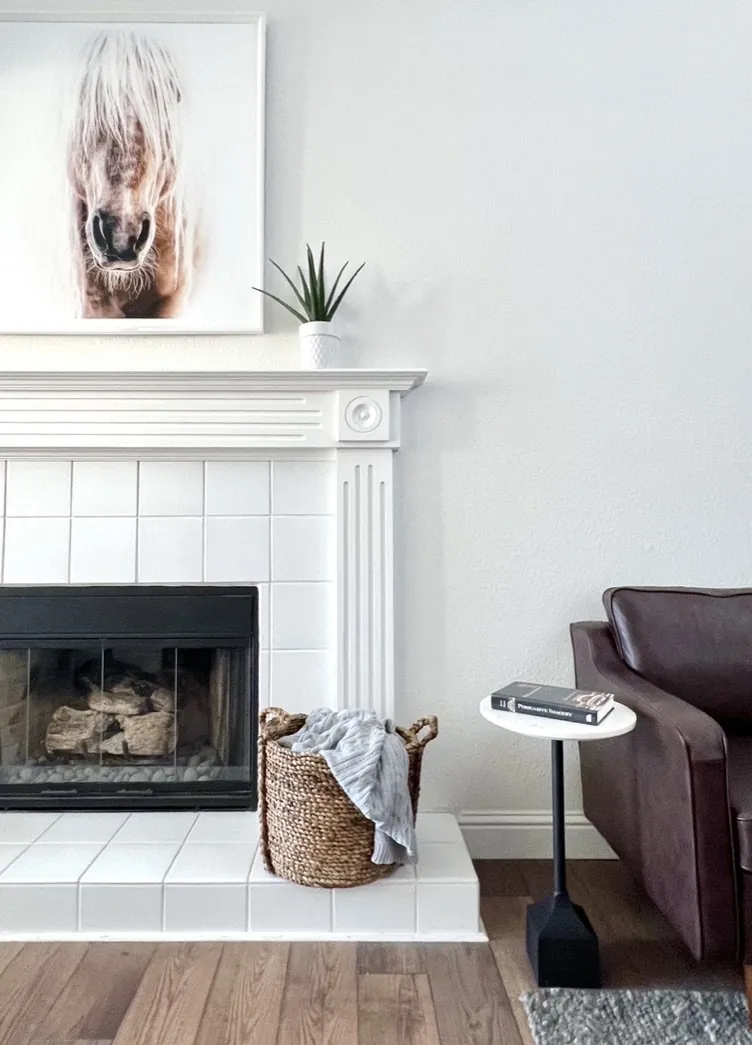
Finding the right interior designer in Palo Alto is essential for creating a space that reflects your style and functions perfectly for your needs. In 2026, Palo Alto interior design emphasizes personalized, regionally informed approaches that balance modern innovation with the area's unique architectural heritage.
Built from our active project files, this guide explores top-rated local designers, their specialties, typical costs, and how to choose the right partner for your project. We will also cover portfolios, customer reviews, consultation offers, and lead times to help you make an informed decision rooted in Palo Alto’s distinctive landscape and home styles.
Common Questions
| What should I look for in a Palo Alto interior designer? | Prioritize a designer with deep local knowledge—like familiarity with neighborhoods such as Midtown or University Avenue, where clients often favor open-concept layouts with tech-friendly integrations. Verify their portfolio includes before/after transformations of Palo Alto homes, ideally with client testimonials or awards (e.g., NKBA recognition). They should also understand Palo Alto’s architectural styles, from Mid-Century Modern in older districts to minimalist tech-industry interiors in newer builds. |
| How can a Palo Alto interior designer help with light and privacy? | They’ll optimize layouts for natural light—think clerestory windows or light wells in homes with limited southern exposure—and specify high-reflectance paints or skylights to amplify brightness. For privacy, they might use frosted glass, external screens, or blackout liners paired with smart shades, especially in dense areas like Palo Alto Heights where visibility is a concern. |
| Are permits necessary when hiring an interior designer in Palo Alto? | Permits are mandatory for structural changes (e.g., load-bearing wall removal) or electrical rewiring, even if the designer handles the plans. They’ll coordinate with city inspectors, but you’re responsible for submitting applications—processing times vary, often taking weeks for approval. Cosmetic-only work (e.g., paint, flooring) may skip permits, but Palo Alto’s historic districts add layers, like preservation rules for Craftsman-style homes. |
| What design styles are popular among Palo Alto interior designers? | You’ll see modern innovation blended with local history—smart-home tech in sleek layouts, or biophilic elements like indoor plants and reclaimed wood in homes near Stanford. Natural light is non-negotiable, often achieved through solar tubes or expanded windows, while finishes lean toward sustainable materials like FSC-certified lumber. Home offices and wine cellars are common, reflecting Palo Alto’s professional and affluent client base. |
The First Major Design Move: Prioritizing Light and Privacy
In Palo Alto, the first major move in interior design often involves balancing abundant natural light with the need for privacy. Across our active project specifications, we see a consistent emphasis on maximizing daylight while maintaining a sense of seclusion, especially in homes near University Avenue. A common approach involves installing large, energy-efficient windows from brands like Marvin or Pella, paired with layered window treatments that allow for flexible light control without sacrificing views.
One subtle but impactful move is the strategic placement of interior partitions and reflective surfaces to bounce light deeper into rooms. We often specify finishes like matte white paint from Benjamin Moore or Sherwin-Williams, which help diffuse light softly. The choice of materials and finishes plays a crucial role in creating spaces that feel open and inviting, yet private and secure. This design move is rooted in a deep understanding of Palo Alto’s architectural stock and landscape, ensuring that the interiors harmonize with the natural environment while serving daily needs.
Palo Alto's Unique Interior Design Trends
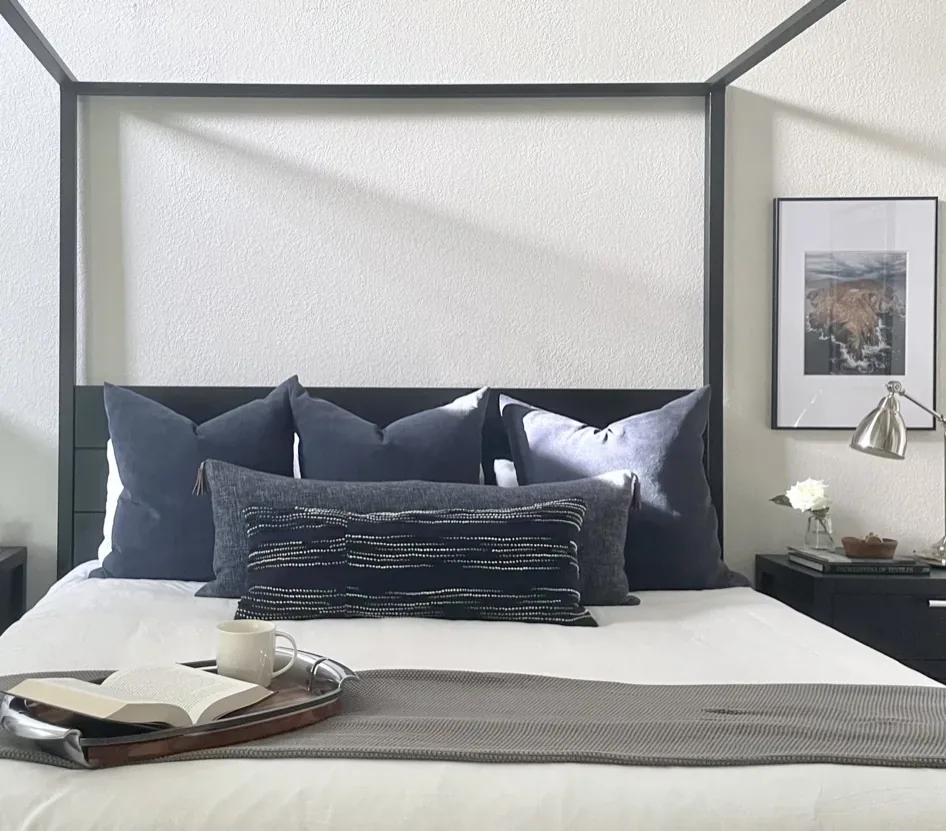
In Palo Alto, interior design benefits from a landscape that emphasizes natural light, mature trees, and a mix of historic and modern architecture. The region’s homes often feature large windows and open floor plans, making light management a top priority. Our approach integrates these features with the area's eco-conscious ethos, favoring sustainable materials like reclaimed wood and low-VOC paints. The proximity to Silicon Valley also influences design choices, with many clients seeking sleek, functional interiors that align with high-tech lifestyles.
This trend works particularly well in Palo Alto because of the region’s emphasis on light and landscape. Homes just off University Avenue often have mature trees that filter sunlight beautifully but require careful window placement and shading solutions. The local architectural styles, from Craftsman to modern, demand a nuanced understanding of the area's history and landscape, which our firm brings through tailored design solutions. For more insights into the broader Bay Area context, visit this regional hub.
Ultimately, Palo Alto's design landscape favors subtle sophistication that respects the land’s natural beauty while embracing technological integration. This makes choosing a local interior designer with regional expertise crucial for achieving timeless results that enhance both form and function.
Should You Remodel or Rebuild in Palo Alto?
Homeowners in Palo Alto often face the dilemma of whether to remodel an existing home or pursue a rebuild, especially given the high land values and strict zoning regulations. The first question we ask is: what is the primary goal of your project? Are you seeking to modernize the interior, improve functionality, or preserve historical character? The answer guides whether a thoughtful remodel or a rebuild makes more sense.
In several recent projects, including the Combs Project, clients initially considered extensive rebuilds to add square footage, assuming that was the only way to get a fresh look. However, by evaluating home as it was actually built with tools like site photos and permit research from the Palo Alto Building Division website, we discovered that many homes could be updated with strategic interior modifications that add value without the cost and time of a rebuild. For example, reconfiguring the primary living spaces or updating finishes can yield substantial ROI, especially when preserving the original architectural charm. The decision ultimately hinges on site constraints, budget, and long-term goals, but understanding local zoning and permit requirements is critical to avoid costly missteps.
Cost ranges by scope: refresh, mid-tier remodel, and estate-scale rebuild
2026 planning ranges by scope, Palo Alto / Bay Area against Sacramento. They bracket a budget; they are not a quote for a specific house.
| Scope | Palo Alto / Bay Area | Sacramento |
|---|---|---|
| Refresh scope with new finishes and fixtures | $75K - $200K | $50K - $150K |
| Mid-tier remodel including layout updates | $200K - $600K | $150K - $400K |
| Estate-scale rebuild or major addition | $600K - $2M | $400K - $1.2M |
Local permits & planning
Sources & Professional References
This guide's positions on materials are grounded in published building-code, standards, and recognized design-authority sources, alongside Designed | Curated Interiors' verified credentials and active project files:
- American Society of Interior Designers (ASID): interior-design practice standards
- International Code Council (ICC): Chapter 8 Interior Finishes
- Planning & Development Services, Palo Alto (Santa Clara County) building permit portal
- NKBA, Amy Kunst Member Profile (verified credential, NKBA Committee Member)
- Featured in: Homes & Gardens (design expert quote, May 2026) · Sacramento Love (guest author, 2024)
Related reading
- Sacramento & Bay Area Interior Design Services How we scope, source, and deliver work end to end.
- Interior Designer Hub, Palo Alto Where most of our Palo Alto work lives, the regional fit explained.
- Interior Designer in Palo Alto Related cluster piece referenced from the Interior Designer in Palo Alto build files.
- Palo Alto Historic Preservation Remodeling Guidelines Related cluster piece referenced from the Palo Alto Historic Preservation Remodeling Guidelines build files.
- Palo Alto Flood Zone Remodeling Requirements Related cluster piece referenced from the Palo Alto Flood Zone Remodeling Requirements build files.