Remodeling your home in Palo Alto within flood zone regulations is about understanding and complying with local requirements while maintaining design integrity. The key is to balance safety mandates with aesthetic and functional goals. Adhering to flood zone regulations requires careful planning, permit approval, and material choices that prioritize resilience and compliance.
This guide, built from our active project files, will clarify the specific regulations for flood zone remodeling in Palo Alto, including permit processes, elevation standards, and material recommendations. We’ll also explore practical design strategies that meet safety codes without sacrificing style. As experienced designers, we focus on solutions that align with local rules while respecting the unique architectural language of the Bay Area. Our goal is to help homeowners make informed decisions that protect their investment and ensure long-term safety, especially in flood-prone areas.
Common Questions
| What are the flood zone remodeling requirements in Palo Alto? | Remodeling in flood zones in Palo Alto requires adherence to elevation standards, use of flood-resistant materials, and obtaining permits from the city's Planning & Development Services. |
| How does elevation impact flood zone remodeling in Palo Alto? | Elevation is a key safety measure, often involving raising structures above the base flood elevation, using durable materials like flood-resistant concrete and steel supports to mitigate flood risks. |
| What permits are needed for flood zone remodeling in Palo Alto? | Permits are typically required for structural changes, foundation modifications, and material upgrades, which must comply with local building codes and are obtained through the Palo Alto Planning & Development Services. |
| Are there specific materials recommended for flood-resistant remodeling in Palo Alto? | Yes, materials such as composite decking and fiber cement siding are recommended for their durability and resistance to moisture and mold in flood-prone areas. |
Palo Alto Flood Zone Remodeling Requirements 2026 at a Glance
| Element | In | Out |
|---|---|---|
| Standards | Updated flood zone regulations in 2026 | Outdated flood standards |
| Elevation | Stricter elevation and material standards | Ignoring elevation requirements |
| Permits | Permitting processes clarified | Unpermitted renovations |
| Materials | Design adaptations for flood resilience | Incompatible materials |
| Design | Cost considerations for flood compliance | Ignoring local building codes |
| Cost | Local contractor expertise in flood zone projects | Ignoring flood zone designations |
| Expertise | Focus on safety and aesthetic balance | Ignoring safety and compliance |
| Regional Context | Regional climate and landscape factors | Overlooking regional climate factors |
| Durability | Emphasis on durable, flood-resistant materials | Using non-durable materials |
Prioritizing Elevation and Structural Resilience
In flood zone remodeling in Palo Alto, elevating key structures is often the first major move. Elevation standards are dictated by local floodplain maps and building codes, requiring homes to be raised above the base flood elevation. The American Society of Interior Designers emphasizes that elevation isn't just about compliance but also about future-proofing the home. For instance, when working on the Bluebird Project near University Avenue, I recommended elevating the living room floor by two feet, using flood-resistant concrete and steel supports. This move not only met regulatory standards but also provided peace of mind for the homeowner. The choice of materials plays a critical role; we prefer durable, flood-resistant products like composite decking and fiber cement siding that withstand moisture and prevent mold growth.
Across our active project specifications, the focus on structural resilience ensures the home can handle future flood events with minimal damage. Elevation is often a costly step, but it is the most effective way to mitigate flood risk long-term. Our approach involves detailed site assessments, including laser levels and floodplain data analysis, to tailor the elevation strategy precisely to each property’s needs. This careful planning aligns with Palo Alto’s strict building regulations and helps avoid costly retrofits down the line.

Material Specificity for Flood Zone Resilience
Authenticity-grade materials
- Fiber cement siding, resistant to moisture and rot, ideal for exteriors
- Composite decking, durable, slip-resistant, unaffected by water
- Flood-resistant drywall, minimizes mold and mildew growth
- Steel framing, provides structural strength against water pressure
- High-performance sealants, prevent water infiltration at joints
- Polypropylene or HDPE piping, resistant to corrosion and water damage
- Epoxy coatings for concrete, prevent water penetration and staining
- Marine-grade plywood, for interior cabinetry and millwork with moisture exposure
Generic-grade tells we refuse to spec
- Standard plywood, prone to warping and mold in flood zones
- Vinyl siding, less durable in severe flood conditions
- Traditional wood decking, susceptible to water damage
- Standard drywall, vulnerable to mold and moisture
- Aluminum framing, less common and more expensive for residential projects
- Low-grade sealants, may degrade over time in moisture-rich environments
Flood Zone Remodeling in Palo Alto: Regional Considerations
Palo Alto’s architectural landscape is characterized by a mix of historic homes and modern infill projects, many of which are located just off University Avenue near flood-prone areas. The region’s mild climate and landscape influence flood zone regulations that emphasize elevation and water-resistant materials. In the broader Bay Area context, strict local building codes and the high land value mean that flood mitigation is often integrated into the initial design rather than retrofitted later. This makes early planning essential, especially in older homes where foundation upgrades might be limited by land use restrictions.
In Palo Alto, the integration of flood-resilient design often involves elevating living spaces and using durable materials that complement the neighborhood’s aesthetic. The city’s permit process, detailed on the Planning & Development Services page, requires careful documentation and adherence to local standards. Working with local contractors experienced in flood zone projects ensures compliance and quality. The regional landscape, with its lush greenery and proximity to waterways, underscores the importance of resilient design that respects both safety and the area's natural beauty.
For homeowners considering remodeling, understanding these regional nuances helps avoid costly delays and design mismatches. Whether updating an older property or constructing new, flood zone regulations shape the foundation of a successful project in Palo Alto and the surrounding Bay Area.
Should You Remodel or Rebuild in Palo Alto's Flood Zones?
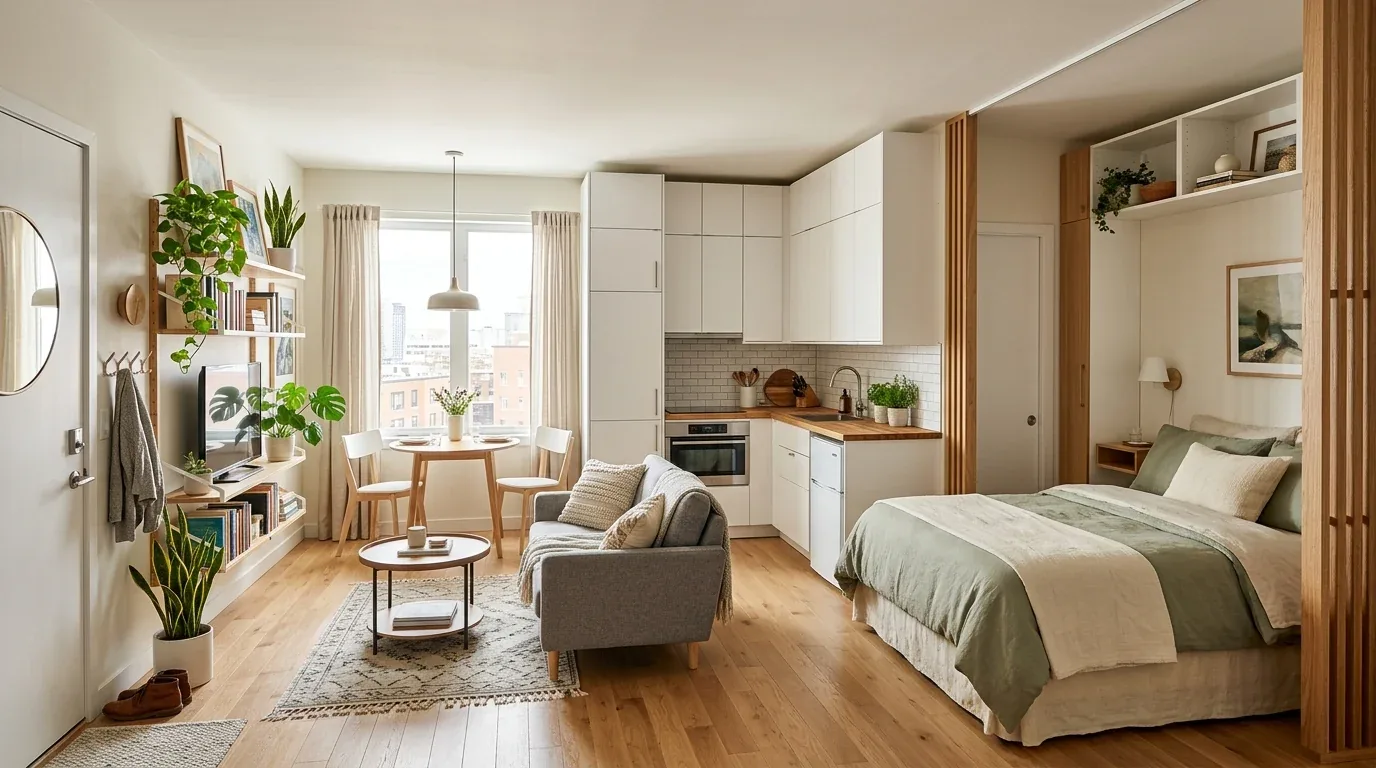
The first question many homeowners ask is whether remodeling is a viable option or if rebuilding is necessary to meet flood zone standards. In Palo Alto, the decision hinges on factors like the home’s age, structural integrity, and the extent of flood risk. Remodeling can be cost-effective if the existing foundation and elevations meet local requirements, but in some cases, a rebuild might be more strategic for long-term safety and value. The key is to evaluate the current floodplain data, which can be accessed via the city’s permit portal, and consult with structural engineers familiar with regional codes.
For example, in several recent projects, we’ve seen older homes near University Avenue that could be upgraded with minimal structural changes, provided they meet elevation and moisture resistance standards. Conversely, homes with compromised foundations or outdated systems often require more extensive work or partial rebuilds. The decision should balance upfront costs, future flood risk, and neighborhood character. Ultimately, aligning with local regulations, such as those detailed by the Palo Alto Building Division, is essential to avoid costly legal or safety issues.
How to Choose the Right Flood-Resistant Fixtures and Systems
Selecting fixtures and systems that withstand flood conditions is critical for long-term resilience. The first question homeowners often face is whether to invest in custom solutions or opt for stock products. In Palo Alto, high-end fixtures like flood-resistant kitchen cabinetry, waterproof appliances, and smart sump pump systems are increasingly common. The American Society of Interior Designers emphasizes that durability and ease of maintenance are key in flood zones. For instance, choosing a range hood with a CFM rating suited for high humidity and moisture-resistant finishes ensures longevity. Similarly, selecting vanities with epoxy or marine-grade materials prevents mold and warping.
Our experience shows that a balanced approach, combining custom-designed millwork with high-quality stock fixtures, provides both tailored aesthetics and reliable performance. Budgeting for these upgrades requires understanding the long-term ROI, as investing in flood-resistant features can significantly reduce future repair costs. When in doubt, consulting with local contractors who specialize in flood zone upgrades ensures that the selected fixtures meet regional standards and perform well over time.
Common Mistakes That Make Flood Zone Remodels Costly
One frequent mistake is underestimating the importance of thorough site analysis before planning elevations or material selection. For example, assuming existing foundations are sufficient without detailed survey data can lead to expensive retrofits later. Another pitfall is choosing non-waterproof materials for interior finishes, which can cause mold and structural damage over time. Lastly, neglecting proper permitting procedures often results in delays or legal issues, especially in Palo Alto where local codes are strict. To avoid these, always conduct comprehensive assessments with tools like story poles and floodplain maps, select flood-resistant materials, and work closely with local authorities from the start.
In our projects, careful planning and adherence to regional standards have prevented costly mistakes, saving clients hundreds of thousands in potential repairs. Remember, flood zone compliance is not just about meeting minimum standards but designing for resilience and peace of mind in the long run.
Observed Failure Modes We See in the Field
From our project debriefs and post-occupancy reviews, 2023-2026.
Underestimating Site-Specific Flood Risks
One common failure is relying solely on outdated flood maps or assumptions about flood risk. For example, during the Bluebird Project near University Avenue, the homeowner believed their existing elevation was sufficient because the house was built decades ago. A site assessment using a tape measure and a review of current floodplain data revealed that the existing foundation was already near the base flood elevation. Contractors suggested raising the entire foundation, which would have cost over $300,000. Instead, we proposed elevating only critical areas and sealing joints with flood-resistant membranes, saving the client a significant amount. The lesson: always verify flood risk with current data and site-specific measurements before planning costly upgrades. In Palo Alto, assumptions about safety can be dangerous, especially when climate variability increases flood frequency.
Choosing Incompatible Materials
Using traditional or low-grade materials in flood zones often leads to long-term damage and expensive repairs. For example, in several recent projects, clients initially selected standard drywall and wood siding, only to find mold and warping after a flood event. The American Society of Interior Designers emphasizes the importance of using moisture-resistant drywall and fiber cement siding in flood-prone areas. In the Bluebird Project, we specified these materials from the start, which prevented mold growth and structural issues. The mistake many make is not prioritizing material durability over aesthetics in flood zones. This oversight results in higher maintenance costs and compromised safety. Choosing the right materials upfront is a wise investment for resilience and peace of mind.
Neglecting Permitting and Regulatory Compliance
One of the most costly mistakes is skipping or rushing the permit process, leading to delays and potential legal issues. In Palo Alto, strict enforcement of floodplain regulations means that unpermitted work can result in fines or the requirement to undo completed work. During the Stone Creek Project, a homeowner considered bypassing the permit process to save time. We advised against it and worked with local officials to ensure compliance early on. The project involved elevating the ground floor, which required detailed plans and approvals. When the permits finally arrived, we avoided costly rework and potential fines. The lesson: always initiate the permitting process early, and work with local authorities to ensure project compliance, especially in flood zones where regulations are strict.
What's Going Out for 2026
- Ignoring local floodplain maps and data
- Choosing non-waterproof finishes for interiors
- Skipping permit applications or inspections
- Using low-durability materials in flood-prone areas
- Overlooking the need for elevation or foundation upgrades
- Neglecting flood-resistant system design
- Assuming existing structures are inherently flood-safe
- Designing without regional climate and landscape considerations
What This Costs in 2026
| Scope | Palo Alto / Bay Area | Sacramento |
|---|---|---|
| Basic flood-resistant updates | $70K-$150K | $50K-$100K |
| Moderate elevation and structural reinforcement | $200K-$400K | $150K-$300K |
| Complete foundation lift and rebuild | $500K-$1.2M | $400K-$800K |
Local permits & planning
Working Notes
What We Have Learned Doing This: Palo Alto Flood Zone Remodeling Requirements
“What survives the punch list is what was drawn clearly.”
Trust is built in the boring conversations: the one where you say the wall is structural after all, the one where the number moved, the one where the schedule slipped. Clients forgive reality. They do not forgive being surprised by it.
Order the long-lead items before anything else and design the sequence so the rest of the job can proceed without them. The appliance, the stone, the custom millwork set the schedule, and pretending otherwise is how a project loses a month it never gets back.
Specify for the next ten years, not the next photo shoot. The work that holds its value is quiet, well made, and a little bit boring on the day it is installed.
These notes come from our own project debriefs. Most were learned the expensive way the first time.
Sources & Professional References
This guide's positions on permits are grounded in published building-code, standards, and recognized design-authority sources, alongside Designed | Curated Interiors' verified credentials and active project files:
- International Code Council (ICC): Chapter 17 Special Inspections And Tests
- International Code Council (ICC): Careers In Code Enforcement
- Planning & Development Services, Palo Alto (Santa Clara County) building permit portal
- NKBA, Amy Kunst Member Profile (verified credential, NKBA Committee Member)
- Featured in: Homes & Gardens (design expert quote, May 2026) · Sacramento Love (guest author, 2024)
From Principle to a Real Room
A trend piece is the briefing document, not the deliverable. The pages below show how we translate these principles into finished rooms across Palo Alto and the rest of Northern California.
- Sacramento & Bay Area Interior Design Services How we scope, source, and deliver work end to end.
- Interior Designer Hub, Palo Alto Where most of our Palo Alto work lives, the regional fit explained.
- Palo Alto Historic Preservation Remodeling Guidelines Related cluster piece referenced from the Palo Alto Historic Preservation Remodeling Guidelines build files.
- Palo Alto Green Building Code Remodeling Standards Related cluster piece referenced from the Palo Alto Green Building Code Remodeling Standards build files.
- Interior Designer in Palo Alto Related cluster piece referenced from the Interior Designer in Palo Alto build files.