When Amy takes on a remodel in Mill Valley, she starts by deeply studying the home’s existing bones, especially how the architecture interacts with the surrounding landscape and the Wildland-Urban Interface (WUI) fire safety regulations that govern this part of Northern California. Mill Valley’s signature Craftsman, Mid-Century Modern, and Mediterranean Revival homes often feature steeply pitched roofs, exposed wood beams, and large windows that frame the redwoods and bay views. But with WUI regulations in mind, she doesn’t just preserve these classic elements; she reimagines them with fire-resistant upgrades that still honor the original character. For example, instead of replacing a beloved wood beam ceiling, she might suggest treating it with a fire-retardant coating and pairing it with non-combustible materials like plaster or mineral-based paints in adjacent spaces. She also evaluates how the home’s layout funnels airflow, critical in fire-prone areas, and ensures that any new additions, like skylights or extended eaves, meet defensible space requirements while still enhancing the home’s connection to the outdoors.
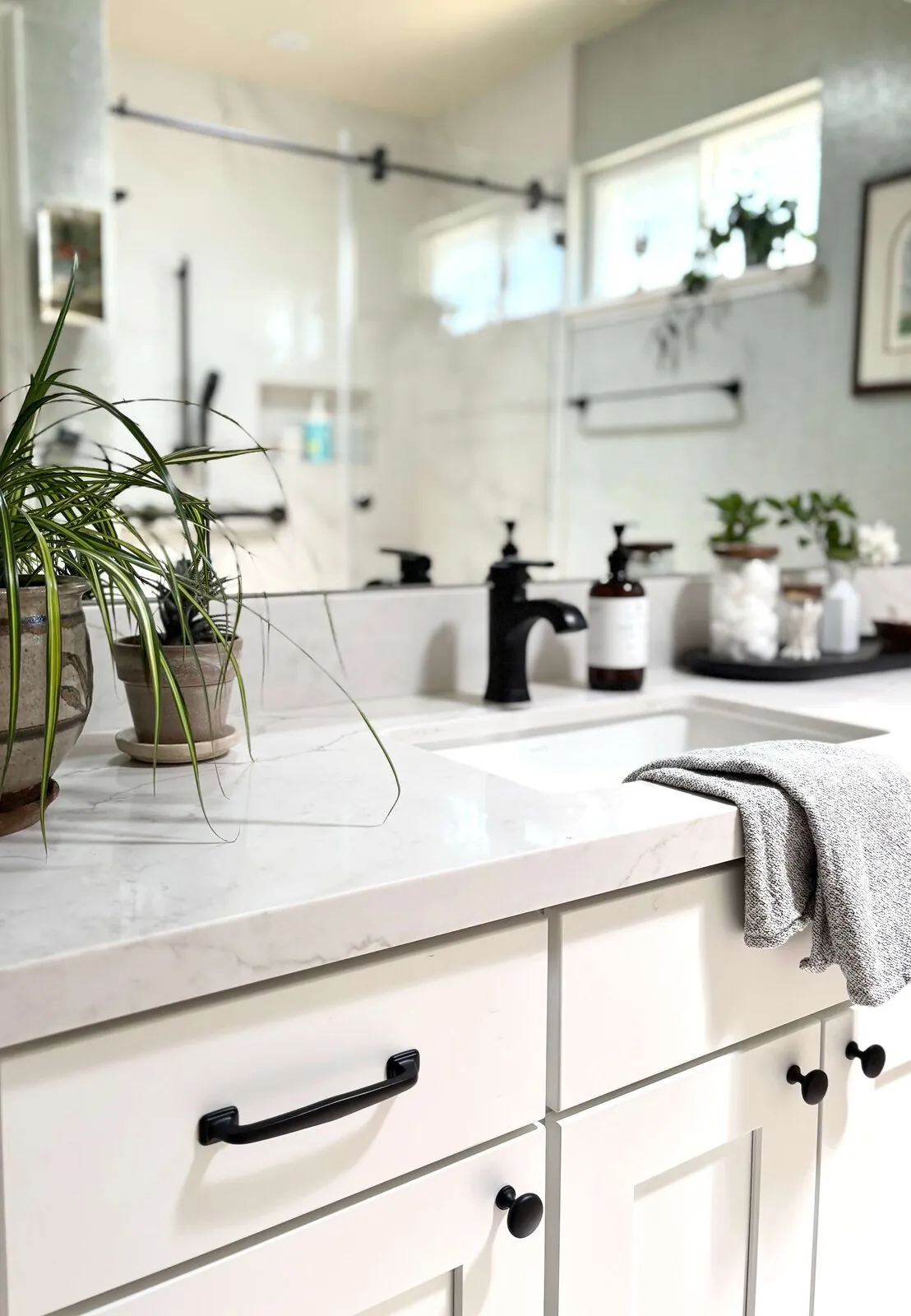
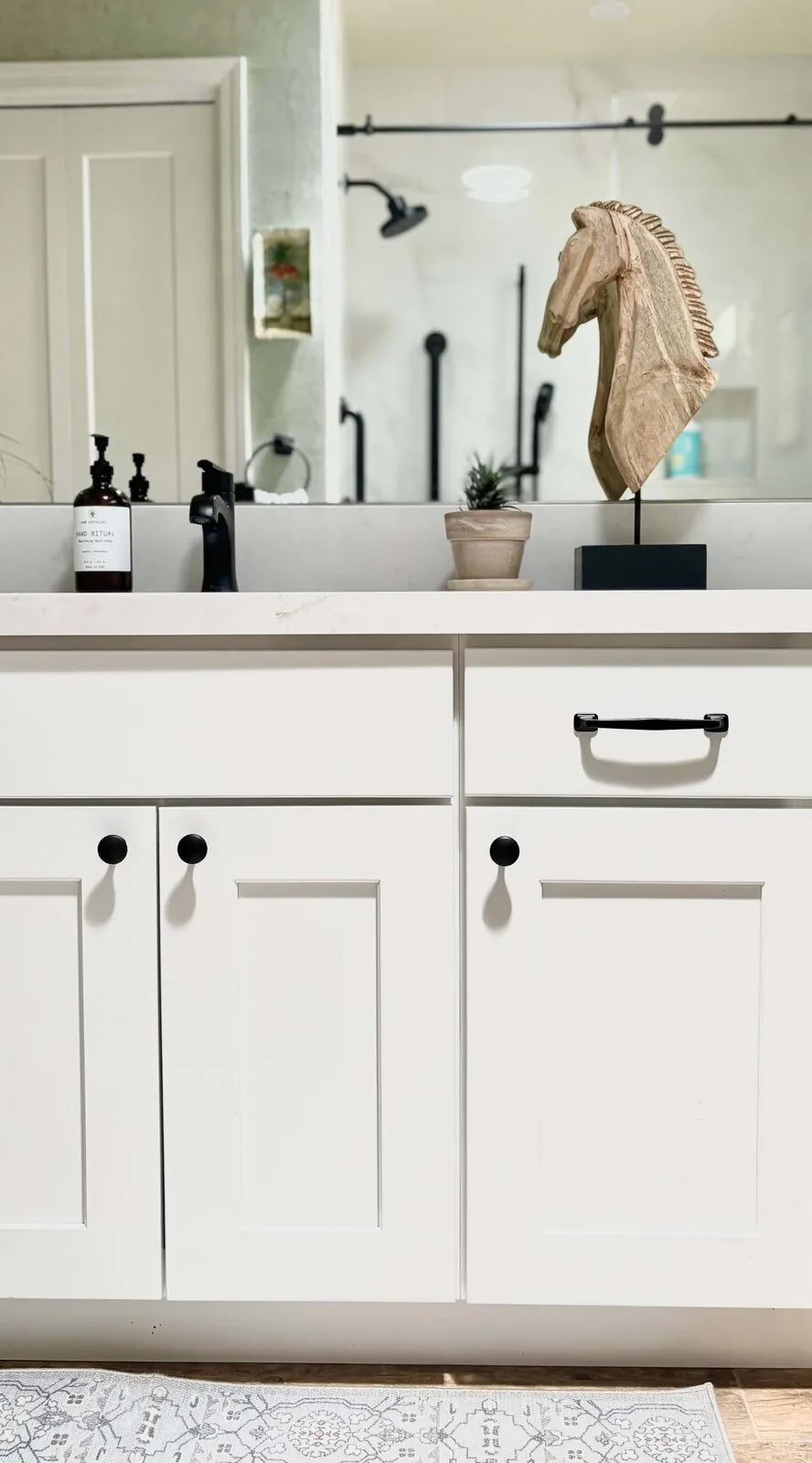
The materials Amy selects are as much about resilience as they are about authenticity, drawing from the region’s natural palette while adapting to Mill Valley’s coastal climate, cool, damp winters and dry, foggy summers. She often specifies locally sourced stone, like the warm, earthy tones of Marin County granite or the textured beauty of reclaimed redwood, which not only reduces environmental impact but also blends seamlessly with the existing architecture. For fire safety, she replaces traditional wood siding with fiber cement or stucco finishes that mimic the look of cedar or shingle but won’t ignite, and she specifies double-pane, low-E glass for windows to reduce heat gain in summer while still allowing for those coveted views. Even in interior finishes, she leans into materials that feel organic to the area, think FSC-certified walnut cabinetry, cork flooring for its natural fire resistance, or plaster walls that nod to the Mediterranean Revival homes dotting the hills. The goal is to create a space that feels timeless and rooted in place, not like a generic coastal or modern home you’d find elsewhere.
What sets Amy’s approach apart is her ability to translate WUI regulations into design opportunities that homeowners in Mill Valley actually want, balancing safety with the cozy, lived-in aesthetic that defines the neighborhood. She knows that Mill Valley homeowners cherish their fireplaces, but instead of removing them outright (which the regulations might require in some cases), she might redesign the hearth with a non-combustible surround and upgrade to a zero-clearance fireplace that still delivers that crackling warmth. For outdoor spaces, she often incorporates fire-resistant hardscaping, like decomposed granite or travertine, into patios and walkways, but she does so in ways that feel intentional and elevated, perhaps with built-in seating or a fire pit that’s both safe and social. She also works closely with clients to phase projects, so that even if a full remodel isn’t feasible right away, small but impactful changes, like swapping out a combustible deck for composite materials or adding a fire-resistant roof coating, can be done incrementally. The result? A home that’s not just compliant with regulations, but thoughtfully designed to reflect the homeowner’s lifestyle while standing strong against the unique risks of living in this stunning, fire-prone corner of the world.
Featured Neighborhoods