In Mill Valley, interior work needs permits. Skip the paperwork, and you might hit costly delays or fines. Get local regulations sorted early. It smooths the path for your project. Mill Valley has strict design codes. Check them out if you're altering structure, safety systems, or energy use.
We pieced together a guide covering Mill Valley's building codes. It walks you through permits and recent changes, plus useful contacts. Know the local rules, like zoning laws or fees. This helps whether you're tweaking a home or a shop.
Common Questions
| What are the key permits required for interior design projects in Mill Valley? | Mill Valley requires permits for any plumbing or structural changes—no exceptions. Fences and decks over 30 square feet or exceeding 6 feet in height also need approval, as do any modifications involving load-bearing walls or electrical rewiring. The Planning & Building Department’s *Residential Construction Standards* outline these requirements, and safety codes (like IRC 2021) apply to all structural or electrical work. |
| How does Mill Valley enforce interior design regulations and permits? | Inspections are mandatory for any project touching structural or electrical systems, even if it’s a minor update like relocating a light switch near a load-bearing wall. The department pulls permits at random for interior work involving plumbing, and HOAs in areas like Wemple enforce their own code overlays—often stricter than city minimums. Noncompliance can trigger stops on construction, and unpermitted structural changes void homeowners insurance. |
| When should I check with the Mill Valley Planning & Building department about permits? | Before you break ground. The department’s *Pre-Application Meeting* process is your best move—submit your plans early, especially for skylights, custom cabinetry anchored to studs, or any work near joists. I’ve seen projects stall for months because a client assumed ‘minor’ meant ‘no permit,’ only to hit a $1,200+ fine when the inspector flagged unapproved electrical modifications. |
| Who can assist with obtaining interior design permits in Mill Valley? | Licensed designers can file permits on your behalf, but we’re not magicians—HOAs and the city still review plans line by line. For structural work, you’ll need an engineer’s stamp; for electrical, a licensed electrician’s signature. I’ve helped clients navigate Mill Valley’s *Historical Preservation Overlay Zone* permits, but even then, the HOA’s rules can override city minimums. Always confirm who’s handling submissions in writing. |
Mill Valley Interior Design Permits Codes Regulations 2026 at a Glance
| Element | In | Out |
|---|---|---|
| Permits | Strict permit requirements | Lenient permit process |
| Codes | Clear local codes | Generic codes |
| Project Type | Residential vs commercial rules | Same rules for all projects |
| Process | Step-by-step permit process | No permit required |
| Updates | Recent regulatory updates | No recent updates |
| Sustainability | Sustainability focus | No sustainability rules |
| Zoning | Zoning law impacts | Zoning laws ignored |
| Fees | Fees and contacts | Unclear fees |
| Contacts | Environmental regulations | Lack of local contact info |
Understanding Mill Valley’s Building Codes for Interior Design
Mill Valley’s interior design projects are governed by a set of specific building codes that focus on safety, energy efficiency, and accessibility. Refer to the California Building Code, plus Mill Valley's adaptations, for guidance. Sprinkler and fire safety rules? Very strict. The American Society of Interior Designers emphasizes the importance of compliance, especially for projects involving structural modifications or electrical upgrades.
Our work often probes if a permit's necessary. It matters. Updating interiors usually means permits for plumbing or major layout shifts. In 2026, they clarified changes about energy-efficient lighting for interiors. Consulting the official Mill Valley Planning & Building department ensures projects are compliant from the start, saving time and avoiding costly rework.
Material Specificity for Mill Valley Interiors in 2026
Authenticity-grade materials
- White oak (rift-sawn), for floors and slat detail; calmer grain than plain-sawn
- Natural limestone, durable and refined for countertops and accents
- Low-VOC matte paint, supports sustainability and indoor air quality
- Brushed brass hardware, adds warmth and modern touch while resisting tarnish
- Reclaimed barn wood, for accent walls, emphasizing eco-conscious design
- Porcelain tiles, for durability and easy maintenance in high-traffic areas
- Sustainable cork flooring, eco-friendly, soft underfoot, and moisture-resistant
- Silky linen fabrics, for window treatments and upholstery, adding texture
Generic-grade tells we refuse to spec
- Mass-produced laminate surfaces
- Synthetic or low-quality hardware
- VOCs-laden paints
- Fiberglass or plastic tiles
- Standard carpet without eco-labels
- Non-reclaimed wood products
- Low-grade textiles
- Synthetic resin countertops
Mill Valley’s Unique Context for Interior Regulations in 2026
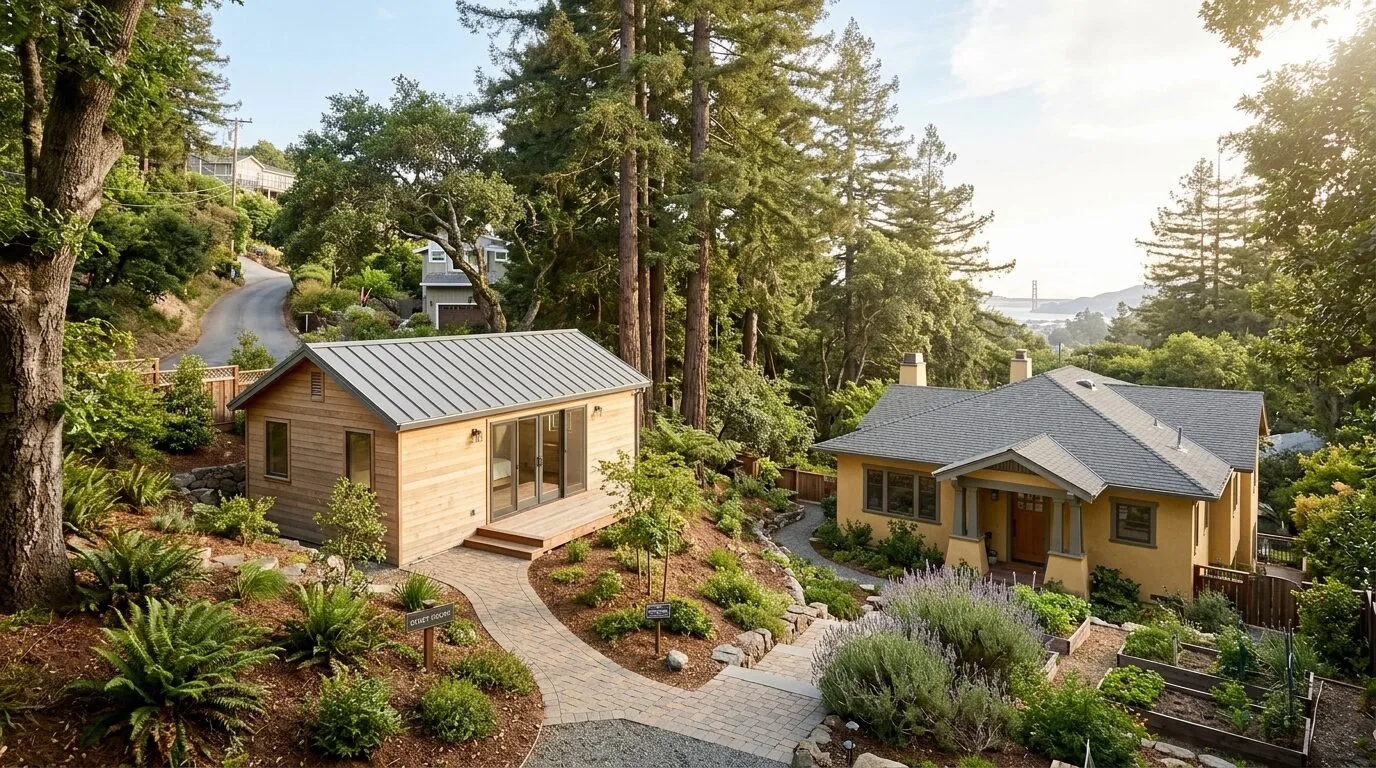
Mill Valley’s historic homes and hillside properties present unique challenges and opportunities for interior design in 2026. Even small interior jobs often need permits due to strict codes. Proximity to protected areas influences sustainability rules. Our San Rafael hub provides additional insights into regional permitting nuances that apply to Mill Valley projects.
Mill Valley design must blend with nature and follow building standards. City and county policies favor eco materials and systems. Knowing local rules helps projects meet legal standards and fit the area's unique vibe.
In Mill Valley, working with city officials and keeping good records is key. This way, projects proceed smoothly and match the city's scenic intentions.
What This Costs in 2026
| Scope | Mill Valley / Bay Area | Sacramento |
|---|---|---|
| Refresh scope (small updates, paint, hardware) | $2K-$5K | $1K-$3K |
| Mid-tier scope (kitchen remodel, lighting upgrades) | $20K-$50K | $10K-$30K |
| Estate-scale (full rebuild, structural work) | $200K-$1M | $100K-$500K |
Local permits & planning
Working Notes
What We Have Learned Doing This: Mill Valley Interior Design: Navigating Permits, Codes & Regulations
“Submit the math for any Title 24 credit calculation. The plan checker should never have to ask.”
Got a complete submission? You can cut approval time from months to weeks.
Tough talks build trust. Admit structural walls, budget changes, or timeline slips when they come up. Clients forgive reality. They do not forgive being surprised by it.
The cheapest tool on any project is a sample board and an afternoon. We have watched five-figure mistakes get caught by a fifteen-dollar paint sample lived with for a week in the actual light of the actual room. Decisions made under showroom lighting do not survive contact with a real house.
Specify for the next ten years, not the next photo shoot. The work that holds its value is quiet, well made, and a little bit boring on the day it is installed.
These notes come from our own project debriefs. Most were learned the expensive way the first time.
Sources & Professional References
This guide's positions on permits are grounded in published building-code, standards, and recognized design-authority sources, alongside Designed | Curated Interiors' verified credentials and active project files:
- International Code Council (ICC): Chapter 17 Special Inspections And Tests
- International Code Council (ICC): Careers In Code Enforcement
- Planning & Building, Mill Valley (Marin County) building permit portal
- NKBA, Amy Kunst Member Profile (verified credential, NKBA Committee Member)
- Featured in: Homes & Gardens (design expert quote, May 2026) · Sacramento Love (guest author, 2024)
From Principle to a Real Room
A trend piece is the briefing document, not the deliverable. The pages below show how we translate these principles into finished rooms across Mill Valley and the rest of Northern California.
- Sacramento & Bay Area Interior Design Services How we scope, source, and deliver work end to end.
- Interior Designer Hub, Mill Valley Where most of our Mill Valley work lives, the regional fit explained.
- Can I Have The Indoor-Outdoor Flow I See On Pinterest Without Violating Fire-Resistant Building Codes? Mill Valley Related cluster piece referenced from the Can I Have The Indoor-Outdoor Flow I See On Pinterest Without Violating Fire-Resistant Building Co
- Mill Valley Interior Design Permits Sequencing Living Through Remodel Related cluster piece referenced from the Mill Valley Interior Design Permits Sequencing Living Through Remodel build files.
- Mill Valley Wui Fire Safety Regulations for Remodels Related cluster piece referenced from the Mill Valley Wui Fire Safety Regulations for Remodels build files.