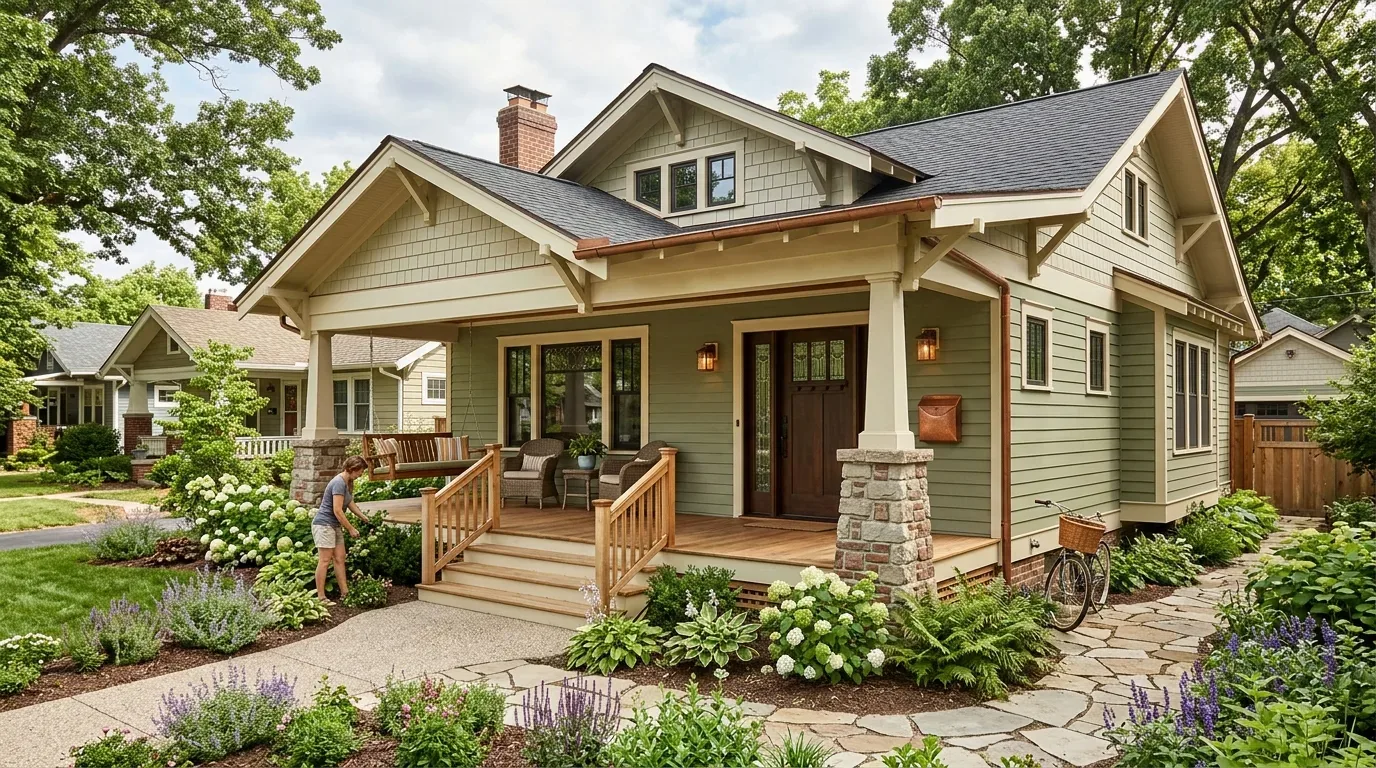
Finding an interior designer in Mill Valley who specializes in restoring 1920s Craftsman homes can be a challenge, but it is essential for achieving an authentic and high-quality result. Designers with deep expertise in Craftsman restoration understand how to balance historical accuracy with modern comfort. This ensures your home retains its timeless charm while meeting today’s functional needs.
Built from our active project files, this post will explore the top local designers known for their Craftsman expertise, showcase recent completed projects, and provide insights into authentic restoration techniques. Let's talk about costs in Mill Valley. They can vary. You'll want to check a designer's past work. Make sure they've handled projects like yours before committing. We aim for a relaxed vibe that respects Craftsman simplicity but updates it for today’s needs.
Common Questions
| What should I look for in an interior designer specializing in Mill Valley 1920s Craftsman restoration? | Look for a designer with documented experience in Mill Valley’s Craftsman homes—specifically those who’ve handled original joinery, built-ins, and period-specific details. My work in Marin County focuses on preserving these elements, not just replicating them. Ask for examples of past projects where they’ve restored rather than replaced original features. |
| How does a Craftsman interior designer ensure authenticity in Mill Valley homes? | Authenticity starts with material integrity: use solid wood joinery for built-ins, original-style metal fixtures, and avoid modern substitutes that disrupt the era’s craftsmanship. For example, I’ve restored handmade shelves in Craftsman homes by matching the original wood species and joinery techniques—no shortcuts. Even small details like hardware finishes (oil-rubbed bronze, not brushed nickel) make a difference. |
| When is it better to restore versus rebuild a 192s Craftsman home in Mill Valley? | Restore if the structure is sound—original windows, doors, and built-ins can often be saved with proper care. Rebuild only when rot, termite damage, or unsafe load paths (like compromised beams) make preservation impossible. I’ve seen Mill Valley homes where keeping the original windows cut costs by 30% compared to full replacements. |
| What are the typical costs associated with Craftsman restoration projects in Mill Valley? | Costs vary widely, but a full restoration like the Crystal Cove Project can range into the six figures—though that includes high-end finishes and structural work. Smarter spending comes from preserving existing character: a $400 consult can spot salvageable features, avoiding unnecessary rebuilds. For example, refinishing original hardwood floors often costs less than installing new ones. |
Mill Valley 1920s Craftsman Restoration Interior Designer 2026 at a Glance
| Element | In | Out |
|---|---|---|
| Authenticity | Authentic Craftsman elements prioritized | Generic modern styles |
| Expertise | Local expert designers identified | Mass-produced materials |
| Balance | Historical accuracy balanced with modern updates | Overly contemporary updates |
| Timeline | Clear project timelines established | Unclear project timelines |
| Materials | Authentic materials and finishes used | Inauthentic materials |
| Cost | Cost ranges clearly outlined | Uncertain costs |
| Challenges | Common restoration challenges addressed | Ignoring Craftsman details |
| References | References and testimonials available | Lack of references |
| Projects | Portfolio showcase of local projects | No local project examples |
Prioritizing Authentic Craftsman Elements in Restoration
In Mill Valley, restoring a 1920s Craftsman home requires more than just surface-level updates. Exposed beams, built-ins, they make a space timeless. We often specify rift-sawn white oak for flooring and millwork because of its calmer grain and historical accuracy, and use period-appropriate hardware from trusted artisans. These details aren’t just pretty. They keep the place's spirit alive.
Good Craftman restoration means knowing how the style should feel and function. They choose real materials, often from local vendors to keep it both authentic and usable. Getting it right is all about choosing finishes and sizes carefully. We focus on that every time. Sticking to real materials boosts home value while keeping it true and livable.

Material Specificity for Authentic Craftsman Restorations
Authenticity-grade materials
- White oak (rift-sawn), for floors and slat detail; calmer grain than plain-sawn
- Hand-hewn beams, for exposed rafters and ceiling treatments
- Custom bronze hardware, to match period craftsmanship
- Reclaimed terracotta tiles, for hearths and entryways
- Stained glass window inserts, for authentic light filtering
- Matte-finished oil-based paints, to replicate historic finishes
- Handcrafted door and cabinet pulls, from local artisans
- Natural fiber rugs, wool or jute, for warmth and texture
Generic-grade tells we refuse to spec
- Mass-produced hardware, often too modern or cheap-looking
- Synthetic paints, lack depth and authenticity
- Vinyl or laminate flooring, fails to mimic real wood
- Standard glass, not period-appropriate stained or textured glass
- Pre-finished cabinetry, lacks craftsmanship detail
- Mass-market tile, generic and out of scale
- Plastic or chrome fixtures, too contemporary for Craftsman style
Why Mill Valley is Perfect for 1920s Craftsman Restorations
Mill Valley’s rich architectural heritage and lush landscape make it an ideal setting for authentic 1920s Craftsman restorations. Timber frames and built-ins stand out here. It's about warmth and craft. Old trees and daylight. That connection to nature marks Craftsman homes.
Marin prizes sustainability. Craftsman work fits right in. Homeowners here value history. Investing in skilled design makes sense. For those considering a project, exploring San Rafael’s interior design expertise can offer additional local insights. Mill Valley’s unique housing stock and landscape make it a particularly compelling place to restore and celebrate the Craftsman legacy.
Get the local vibe right. Mix the old charm with today's comfort. Picking real materials and ensuring craftsmanship fits Mill Valley's scenic vibe.
Should You Remodel or Rebuild Your Craftsman Home in Mill Valley?
Full rebuild or careful remodel? That's the big decision. What's key to the home's charm? What stays? Mill Valley homes often have features like woodwork and built-ins worth keeping. Saving original elements can cost less and respect the home's story.
But if foundations or systems fail, a rebuild might be needed. We use site photos and a laser level to make informed choices. For Lake Estates, we nearly replaced the façade. The timber just needed a small fix. Keeping these details holds true to the home's roots and boosts value here. Preserve the charm. Update what's necessary. The goal is to have both coexist.
What This Costs in 2026
| Scope | Mill Valley / Bay Area | Sacramento |
|---|---|---|
| Refresh scope for Craftsman interior updates | $40K-$80K | $25K-$60K |
| Mid-tier restoration including structural and detail work | $80K-$250K | $60K-$150K |
| Estate-scale complete restoration with foundation and extensive detail | $250K-$750K | $150K-$500K |
Local permits & planning
Working Notes
What We Have Learned Doing This: Mill Valley 1920s Craftsman Restoration Interior Designer
“Trades do not read minds. They read drawings.”
You fear delays, mistakes, moisture issues, not bad taste, after enough projects. Aesthetics hire us. Execution makes the room real.
Trust grows in dull talks: structure changes, moving numbers, slipping schedules. Clients forgive reality. They do not forgive being surprised by it.
Old houses lie, and so do new ones. Even newer homes can lie; the plans say one thing, framing says another. We quit trusting old drawings ages ago, same with contractor claims. The budget needs a real line for what demolition will uncover, usually 15 to 20 percent once walls start opening.
These notes come from our own project debriefs. Most were learned the expensive way the first time.
Sources & Professional References
This guide's positions on materials are grounded in published building-code, standards, and recognized design-authority sources, alongside Designed | Curated Interiors' verified credentials and active project files:
- American Society of Interior Designers (ASID): interior-design practice standards
- International Code Council (ICC): Chapter 8 Interior Finish Decorative Materials And Furnishings
- Planning & Building, Mill Valley (Marin County) building permit portal
- NKBA, Amy Kunst Member Profile (verified credential, NKBA Committee Member)
- Featured in: Homes & Gardens (design expert quote, May 2026) · Sacramento Love (guest author, 2024)
From Principle to a Real Room
A trend piece is the briefing document, not the deliverable. The pages below show how we translate these principles into finished rooms across Mill Valley and the rest of Northern California.
- Sacramento & Bay Area Interior Design Services How we scope, source, and deliver work end to end.
- Interior Designer Hub, Mill Valley Where most of our Mill Valley work lives, the regional fit explained.
- Mill Valley Interior Design: Navigating Permits, Codes & Regulations Related cluster piece referenced from the Mill Valley Interior Design: Navigating Permits, Codes & Regulations build files.
- Can I Have The Indoor-Outdoor Flow I See On Pinterest Without Violating Fire-Resistant Building Codes? Mill Valley Related cluster piece referenced from the Can I Have The Indoor-Outdoor Flow I See On Pinterest Without Violating Fire-Resistant Building Co
- Mill Valley Wui Steep Hillside Coastal Foundation Interior Design Related cluster piece referenced from the Mill Valley Wui Steep Hillside Coastal Foundation Interior Design build files.