Sacramento + Marin Interior Designer · Amy Kunst, NKBA 📞 916-756-5977 Get Free Quote

Kitchen Remodel Cupertino: A Designer's Guide to the 2026 Look

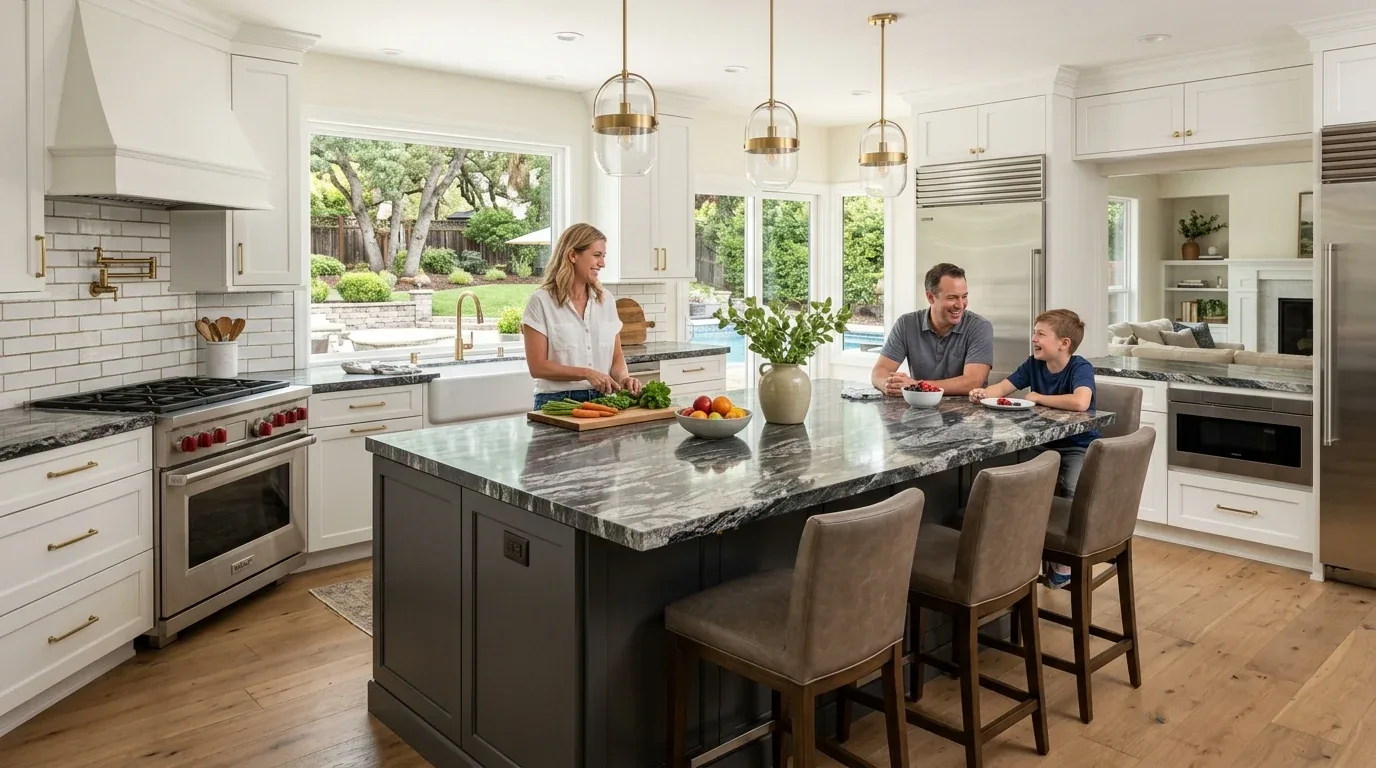
A modern kitchen with a large marble island, white cabinetry, and a family preparing and eating food
A modern kitchen with a large marble island, white cabinetry, and a family preparing and eating food.

Planning a kitchen remodel in Cupertino for 2026 means understanding the upcoming design innovations, cost expectations, and local service landscape. The key takeaway is that future-proofing your space involves embracing sustainable tech, smart appliances, and flexible layouts tailored to evolving lifestyles.

In 2026, kitchen design in Cupertino will focus on integration of smart technology, sustainable materials, and flexible space planning, driven by both local preferences and global innovation trends.

Built from our active project files, this guide covers anticipated design trends, cost projections, recommended local professionals, upcoming regulations, and technology options. It also explores remodel timelines, financing avenues, and how to align your project with future market conditions, all from a designer’s perspective attuned to the Bay Area’s unique housing stock and community values.

Direct Answers (Kitchen Remodel Cupertino 2026)

What should I expect to pay for a kitchen remodel in Cupertino in 2026?A mid-range full remodel in Cupertino is estimated to cost between $65,000 and $110,000, depending on scope and materials.
Are there any specific permits required for a kitchen remodel in Cupertino in 2026?Yes, structural wall removal requires stamped plans and a building permit, electrical upgrades need permits and inspections, and relocating plumbing or adding windows may also trigger permits.
What materials are recommended for a future-proof kitchen remodel in Cupertino?Use frameless 3/4-inch plywood boxes for cabinetry, solid-wood dovetailed drawers with soft-close glides, engineered quartz slabs, 16-gauge 304 stainless steel sinks, and solid brass fixtures with PVD finish.
How can I incorporate smart and sustainable technology into my 2026 kitchen remodel?Focus on appliances that communicate with home systems, use eco-friendly materials like recycled quartz, and plan flexible configurations for future tech upgrades, such as integrated charging stations and hidden wiring channels.

Kitchen Remodel Cupertino 2026 2026 at a Glance

ElementInOut
TechnologySmart integrated appliancesOutdated tech
DesignSustainable materialsCluttered layouts
MaterialsMinimalist designExcessive ornamentation
LayoutSmart lighting controlSingle-use appliances
LightingEnergy-efficient fixturesNon-sustainable materials
AppliancesFlexible layoutsFixed configurations
SustainabilityTech-enabled storageLow-efficiency fixtures
CodesFuture-proofed finishesLack of smart integration
FinishesCustom tech solutionsNon-compliant with future codes

Embracing Smart and Sustainable Integration

As we look toward 2026, one of the most significant shifts in Cupertino kitchen design is the seamless integration of smart and sustainable technology. Across our active project specifications, we've seen a clear move toward appliances that communicate with home systems, from voice-controlled lighting to energy-monitoring refrigeration. Brands like Gaggenau and Bosch are advancing their lines of smart appliances, offering features that adapt to user habits and optimize energy use.

This move toward smart tech isn't just about convenience, it’s a response to California’s evolving energy and safety regulations, which increasingly favor eco-friendly and energy-efficient solutions. For example, the push for zero-energy homes influences appliance choices, lighting controls, and even ventilation systems. In the same vein, sustainable materials such as recycled quartz for countertops and low-VOC finishes are becoming standard, driven by both regulation and consumer demand for greener living spaces.

Designers now prioritize flexible configurations that can adapt to future tech upgrades, ensuring longevity and value. Open shelving with hidden wiring channels, modular cabinetry, and integrated charging stations exemplify this shift. This future-focused approach ensures that Cupertino homeowners will enjoy a kitchen that is not only stylish today but also compatible with tomorrow’s innovations.

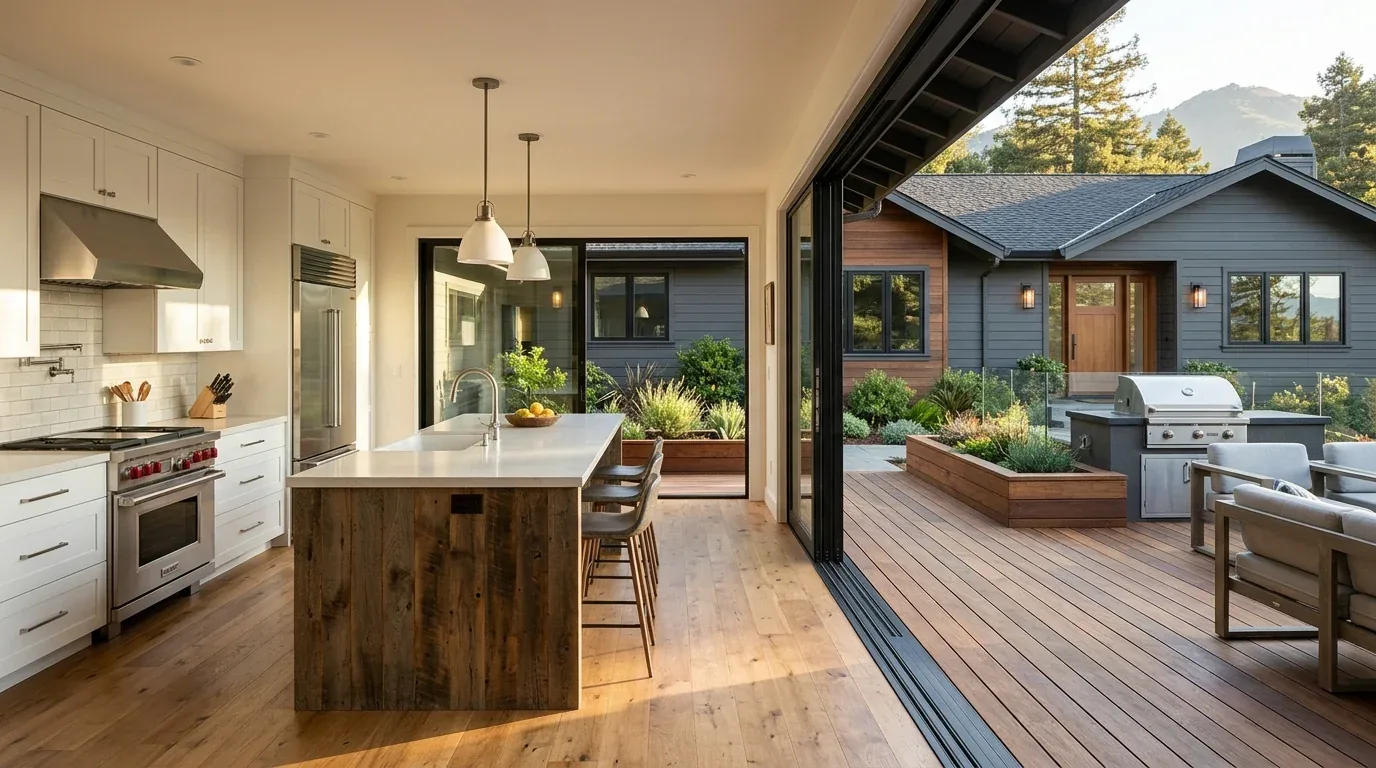
A modern kitchen with white cabinetry and a wooden island opens up to an outdoor deck with seating and a grill, surrounded by greenery and mountains in the background
A modern kitchen with white cabinetry and a wooden island opens up to an outdoor deck with seating and a grill, surrounded by greenery and mountains in the background.

Material Specificity for 2026 Kitchens

Authenticity-grade materials

  • White oak (rift-sawn), for floors and slat details; calmer grain than plain-sawn
  • Quartz (engineered), consistent, no sealing needed, durable for countertops
  • Solid brass hardware, PVD finish for corrosion resistance and longevity
  • Low-VOC finishes, for cabinetry and wall surfaces, supporting healthier indoor air quality
  • Recycled glass backsplash, sustainable, vibrant, and customizable
  • Natural stone (granite/quartzite), for statement countertops, with proper sealing
  • 16-gauge stainless steel, undermount sinks, durable and quiet
  • LED lighting, energy-efficient, controllable, long-lasting

Generic-grade tells we refuse to spec

  • Laminate countertops, less durable, less sustainable
  • Thermofoil cabinets, prone to peeling and damage
  • Builder-grade MDF doors, lower quality, less durable
  • Low-end hardware, prone to corrosion and pitting
  • Standard incandescent lighting, energy inefficient
  • VOCs in older finishes, less healthy indoor environment

Why Cupertino Homeowners are Moving Toward Future-Ready Kitchens

Cupertino’s unique housing stock, characterized by older ranch homes and modern estates, influences how future trends fit in. The abundance of mature trees and scenic landscapes encourages designs that incorporate natural light and outdoor connections, which are enhanced by smart window and lighting controls in 2026.

The Bay Area’s focus on sustainability and energy efficiency makes eco-friendly materials and smart appliances especially appealing here. Our experience shows that Cupertino homeowners value longevity and adaptability, often opting for flexible layouts and integrated technology that can evolve with their needs.

In nearby San Jose, the demand for tech integration is even more pronounced, with homeowners seeking kitchens that serve as command centers for their smart homes. For insights tailored specifically to this region, visit our San Jose interior design hub. Overall, the blend of high land value and older homes in Cupertino creates a perfect environment for future-proofed kitchens that combine style, efficiency, and smart technology, ensuring long-term value and livability.

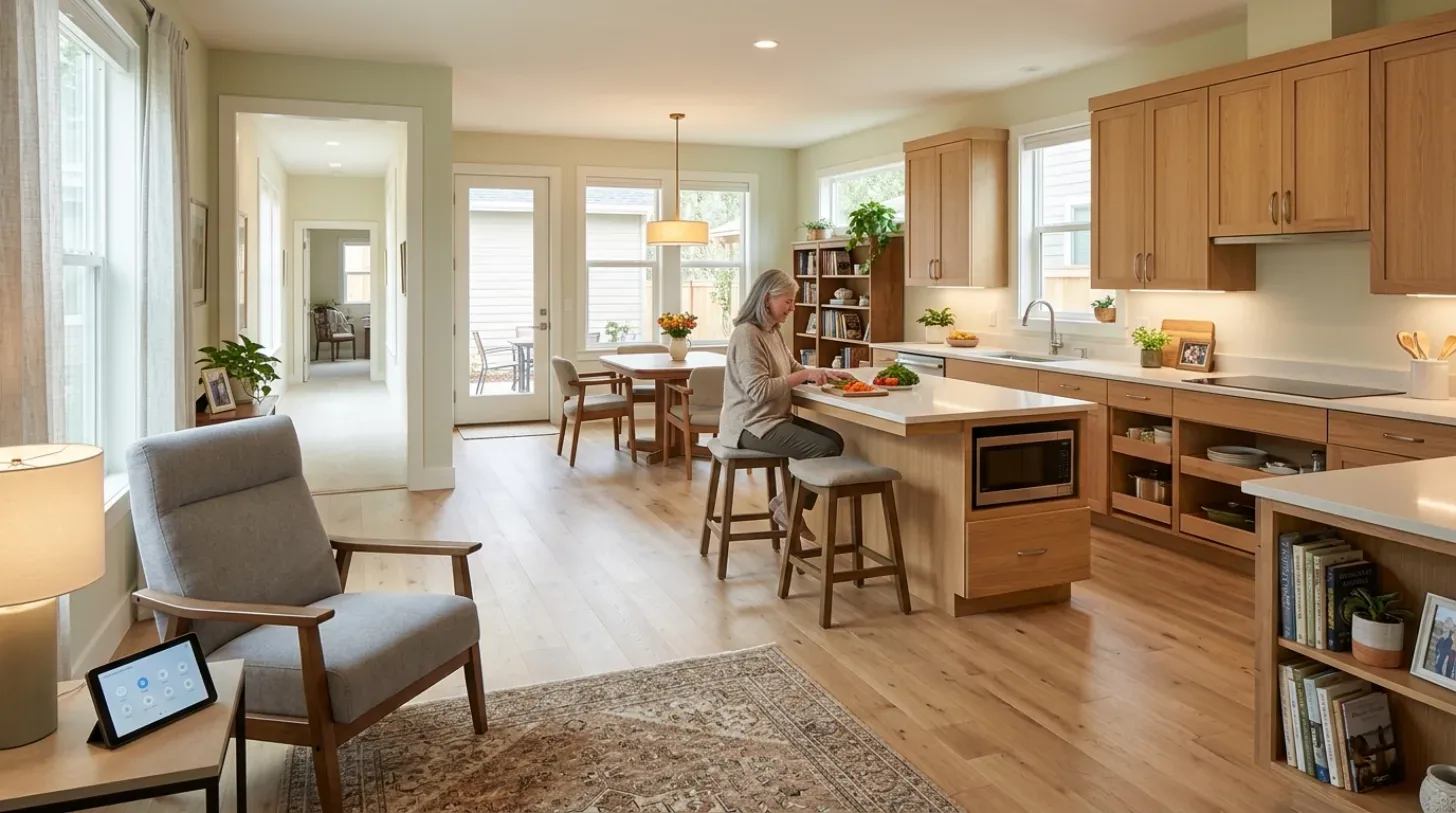
A bright, modern kitchen and dining area with light wood cabinetry, a kitchen island, and a woman preparing food
A bright, modern kitchen and dining area with light wood cabinetry, a kitchen island, and a woman preparing food.

Should You Remodel or Rebuild Your Cupertino Kitchen in 2026?

The first question we ask is: what are your long-term plans for your home? In Cupertino, many older homes have the potential for a major remodel that preserves character while upgrading systems and layout. The decision hinges on factors like structural integrity, land value, and your desired timeline. For example, if your home is on high-value land and the structure is sound, a targeted remodel can boost value without the expense of rebuilding.

Cupertino’s permit requirements, such as stamped structural plans for load-bearing wall removal or electrical upgrades, mean working with local authorities like the Building Division is crucial. The cost range for a mid-tier remodel in 2026 is approximately $65,000 to $110,000, depending on scope. If the home is outdated or structurally compromised, rebuilding might offer better long-term value, especially when integrating smart home features and energy systems that comply with future codes.

Our advice is to evaluate the home's bones, your lifestyle needs, and local regulation trends before deciding. Sometimes a strategic upgrade can deliver more ROI than a full rebuild, especially when preserving the charm of Cupertino homes.

What Are the Key Sizing and Specification Considerations for 2026 Kitchens?

Choosing the right sizes for fixtures and cabinetry is essential to future-proof your kitchen. For example, a 36-inch range with a recirculating or vented hood of at least 24 inches depth and 600 CFM is standard for efficient cooking in 2026. Counter height typically remains at 36 inches, but adjustable or smart-height options are gaining popularity for accessibility and comfort.

When selecting islands, a minimum of 48 inches of clearance on all sides is recommended for flow and safety, with larger islands up to 96 inches for multi-user spaces. For cabinetry, full-extension soft-close drawers and modular systems allow easy upgrades. In older Cupertino homes, slab foundations and irregular walls mean precise measurements are vital, using tools like a measuring tape and site photos ensures your design fits perfectly without costly adjustments.

Considering custom versus stock options, local cabinet shops or fabricators can offer tailored solutions that align with your budget and timeline, especially when incorporating integrated tech or sustainable finishes. This planning ensures your kitchen will be functional and adaptable for decades.

What Common Mistakes Should You Avoid in a 2026 Cupertino Kitchen Remodel?

One common mistake is underestimating the importance of accurate measurements, especially in older homes where walls and floors are rarely square. Always measure multiple points with a measuring tape before ordering cabinetry or appliances. Another mistake is choosing fixtures or finishes that do not support future technology integration, such as non-smart lighting or incompatible appliances, limiting your upgrade options.

Finally, overlooking local permit requirements can cause costly delays. For example, relocating plumbing or removing structural walls requires proper permits and stamped plans, which if neglected, can lead to fines or unsafe conditions. In Cupertino, partnering with experienced local professionals ensures compliance and smooth progress. Avoid these pitfalls by planning carefully and prioritizing flexibility and compliance from the start.

Observed Failure Modes, How Kitchen Remodel Cupertino 2026 Goes Wrong

From our project debriefs and post-occupancy reviews, 2023-2026.

Misjudging Structural Conditions

Homeowners often assume that walls are non-load bearing and plan for removal without proper assessment. During a recent project, a client near Stevens Creek Boulevard wanted to open up their kitchen by removing a wall. The contractor measured the opening with a tape and assumed it was safe. During our look at the actual space, I used a tape measure and a long level to double-check, discovering the wall was slightly out of plumb and had hidden load-bearing elements. The fix required a stamped structural plan and temporary shoring, adding roughly $7,000 to the budget and extending the timeline by two weeks. The lesson is that in Cupertino, especially with older homes, always verify load-bearing status before designing open plans. A quick assessment with the right tools can save thousands and prevent unsafe modifications.

Choosing Incompatible Appliances

Many clients want the latest smart appliances but fail to verify compatibility with existing wiring and power supplies. During a recent project, the homeowner picked a smart refrigerator and induction cooktop expecting seamless integration. However, the home's aging electrical system lacked sufficient capacity, causing frequent outages and voiding warranties. We had to upgrade the electrical panel to 200A, costing over $10,000, and delay the install by a month. The lesson is that in Cupertino, planning for future tech requires assessing electrical loads early, especially in homes with older wiring. Consulting local electricians and referencing the building permit guidelines ensures your upgrades are safe and reliable.

Ignoring Local Regulations

Overlooking permit requirements can lead to fines or delays. For example, a client wanted to relocate their sink and add a gas cooktop. They assumed no permit was needed because the work seemed straightforward. During permit research, we found that relocating plumbing and installing new gas lines required permits from Santa Clara County. We submitted stamped plans, which added about $2,500 to the project cost. Ignoring these steps could have resulted in inspection failures or unsafe conditions. In Cupertino, understanding local codes and working with licensed professionals ensures compliance, safety, and smooth project approval. Always verify with the Building Division before starting any major work.

Choosing Low-Quality Materials

Opting for cheaper finishes may save money upfront but costs more long-term. For example, using lower-grade laminate or builder-grade MDF cabinets in a high-end remodel often leads to early wear and dissatisfaction. We recommend durable, low-VOC finishes, and NKBA-certified materials for longevity and health. In one project, a client chose a budget quartz, which developed cracks within a year due to poor quality. Upgrading to a high-quality engineered quartz with proper sealing increased initial costs but avoided future repairs. In Cupertino, investing in authentic materials ensures your kitchen remains beautiful and functional for decades, supporting a sustainable, future-ready design.

Poor Planning for Future Tech Upgrades

Failing to anticipate future technology integration can make upgrades costly or impossible. During a recent remodel, a homeowner wanted a sleek island with built-in charging and hidden wiring. The initial plan lacked space for conduits and outlets, leading to a costly retrofit after installation. We learned that in 2026, designing with future tech in mind, such as dedicated conduits, power strips, and modular cabinetry, can save thousands later. Incorporating smart wiring channels and adjustable cabinetry ensures your kitchen can evolve with new appliances and systems, protecting your investment and maintaining a clean aesthetic.

What's Going Out for 2026

  • Non-smart, outdated appliances
  • Rigid, fixed layouts without flexibility
  • Low-efficiency lighting and fixtures
  • Non-compliant wiring or permits
  • Low-quality, short-lived materials
  • Designs ignoring future tech needs
  • Cluttered, non-functional storage
  • Ignoring local building codes

What Kitchen Remodel Cupertino 2026 Costs in 2026

ScopeCupertino / Bay AreaSacramento
Cosmetic refresh with minor upgrades$40K-$65K$40K-$65K
Mid-tier full remodel with new appliances and finishes$65K-$110K$65K-$110K
Estate-scale, structural, and luxury upgrades$110K-$175K+$110K-$175K+

Local permits & planning

Working Notes

What We Have Learned Doing This: Kitchen Remodel Cupertino: A Designer's Guide to the 2026 Look

“If the cabinet drawings are not frozen before slab templating, expect rework.”

On a kitchen the cabinet drawings have to be frozen before the stone is templated. Reorder that sequence and you are paying for rework you could have drawn around.

Order the long-lead items before anything else and design the sequence so the rest of the job can proceed without them. The appliance, the stone, the custom millwork set the schedule, and pretending otherwise is how a project loses a month it never gets back.

After enough projects you stop fearing bad taste and start fearing the boring things: delays, sequencing mistakes, moisture behind a wall, an electrician improvising, framing that is not where the drawings swear it is. The aesthetic part still matters, it is why anyone hires anyone, but execution decides whether the room ever gets built the way it was drawn.

The cheapest tool on any project is a sample board and an afternoon. We have watched five-figure mistakes get caught by a fifteen-dollar paint sample lived with for a week in the actual light of the actual room. Decisions made under showroom lighting do not survive contact with a real house.

These notes come from our own kitchen remodel cupertino: a designer's guide to the 2026 look project debriefs. Most were learned the expensive way the first time.

Sources & Professional References

This guide's positions on kitchen are grounded in published building-code, standards, and recognized design-authority sources, alongside Designed | Curated Interiors' verified credentials and active project files:

Frequently Asked

What should I expect to pay for a kitchen remodel in Cupertino in 2026?
A mid-range full remodel in Cupertino is estimated to cost between $65,000 and $110,000, depending on scope and materials.
Are there any specific permits required for a kitchen remodel in Cupertino in 2026?
Yes, structural wall removal requires stamped plans and a building permit, electrical upgrades need permits and inspections, and relocating plumbing or adding windows may also trigger permits.
What materials are recommended for a future-proof kitchen remodel in Cupertino?
Use frameless 3/4-inch plywood boxes for cabinetry, solid-wood dovetailed drawers with soft-close glides, engineered quartz slabs, 16-gauge 304 stainless steel sinks, and solid brass fixtures with PVD finish.
How can I incorporate smart and sustainable technology into my 2026 kitchen remodel?
Focus on appliances that communicate with home systems, use eco-friendly materials like recycled quartz, and plan flexible configurations for future tech upgrades, such as integrated charging stations and hidden wiring channels.
Should I remodel or rebuild my Cupertino kitchen in 2026?
It depends on your home’s structural integrity, land value, and long-term plans; a targeted remodel is often suitable if the structure is sound, while rebuilding may be better if the home is outdated or compromised.

From Kitchen Remodel Cupertino 2026 to a Real Room

A trend piece is the briefing document, not the deliverable. The pages below show how we translate these principles into finished rooms across Cupertino and the rest of Northern California.

Start a Project Conversation →

Call (916) 756-5977Book a Consultation