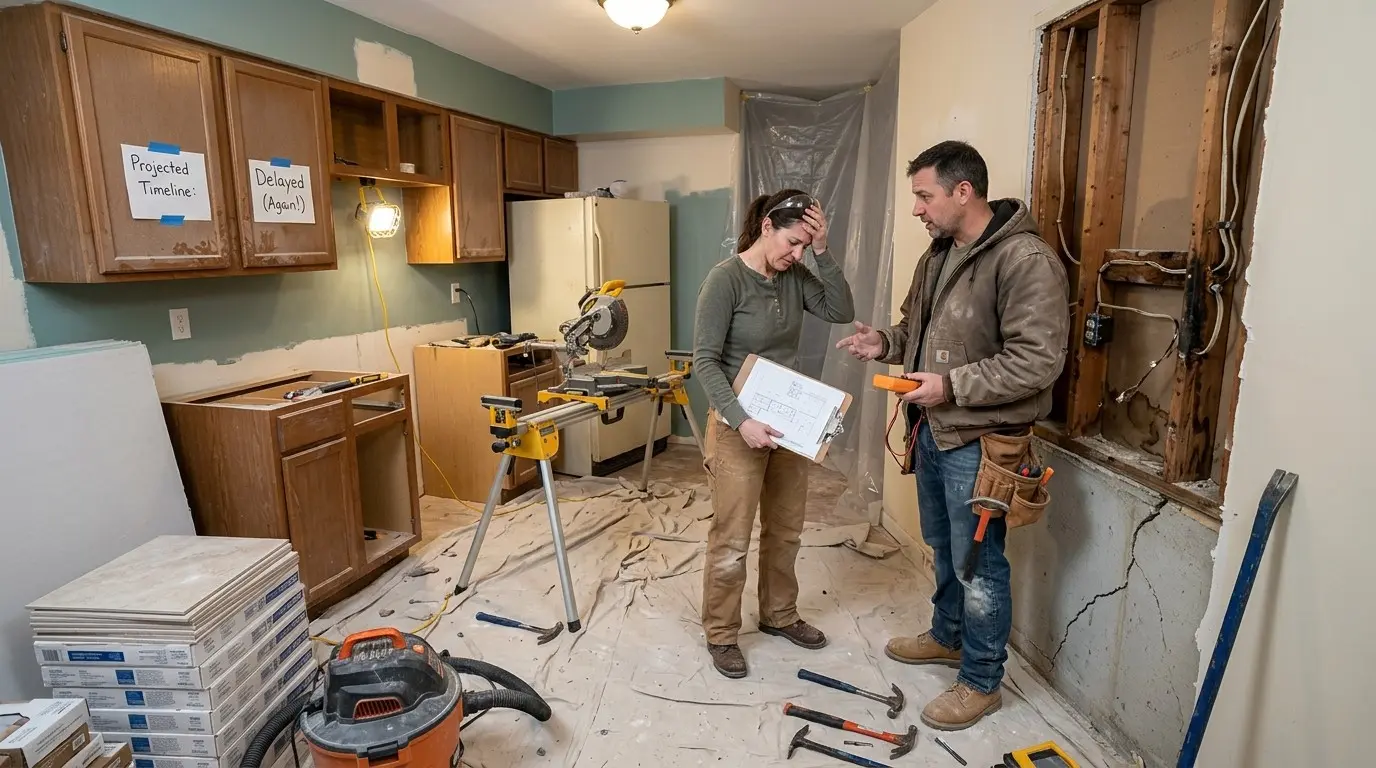
In 2026, interior designers in Sacramento and beyond will face evolving insurance requirements that demand greater coverage for emerging risks and new technologies. The key takeaway is that staying ahead of these changes is crucial to protect your practice and client interests. Insurance options for interior designers will become more comprehensive, with a focus on liability, cyber, and professional indemnity coverage tailored to innovative design trends.
Built from our active project files, this guide explores anticipated insurance requirements for 2026, including necessary policy types, expected regulatory shifts, projected premiums, and how emerging design trends will influence coverage needs. As designers operating in a rapidly changing landscape, understanding these forward-looking insights ensures you are prepared to navigate future risks confidently.
Common Questions
| What will interior designer insurance requirements look like in Sacramento in 2026? | In 2026, interior designers will face evolving insurance requirements that include more comprehensive liability, cyber, and professional indemnity coverage to address emerging risks and new technologies. |
| How can Sacramento interior designers prepare for insurance changes in 2026? | Designers should consider expanding their coverage with specialized policies from providers like Hiscox or Chubb and stay informed about local regulations and emerging risks. |
| Why are cyber liability and tech-related coverage becoming more important for interior designers in 2026? | Because projects are increasingly integrating smart tech, data security and cyber liability coverage are essential to protect against risks like data breaches and tech failures. |
| When should interior designers in Sacramento start adjusting their insurance policies for 2026? | Proactive adjustments should be made early, especially before starting complex or tech-heavy projects, to ensure adequate coverage and avoid costly gaps. |
The First Major Insurance Shift for Interior Designers in 2026
As we approach 2026, interior designers must prepare for a significant shift in insurance requirements driven by technology integration and increased project complexity. Across our active project specifications, we see a growing need for comprehensive liability coverage that includes cyber risks, especially as client data becomes more digitized and vulnerable. The traditional policies that once sufficed are no longer enough to mitigate risks associated with smart-home integrations, virtual reality prep, and AI-driven design tools.
This shift is reinforced by emerging regulations that demand higher standards of project documentation and risk management. For example, policies now increasingly include clauses for data breach liability, environmental sustainability claims, and design defect disputes linked to new materials or tech innovations. To stay protected, interior designers should consider expanding their coverage with specialized policies from providers like Hiscox or Chubb, who are expected to lead the market with tailored solutions for 2026 and beyond.
Proactively adjusting your insurance portfolio now will prevent costly gaps later. As the landscape evolves, so will premium costs, but early adoption of comprehensive coverage can be a strategic move to safeguard your business in an uncertain future.
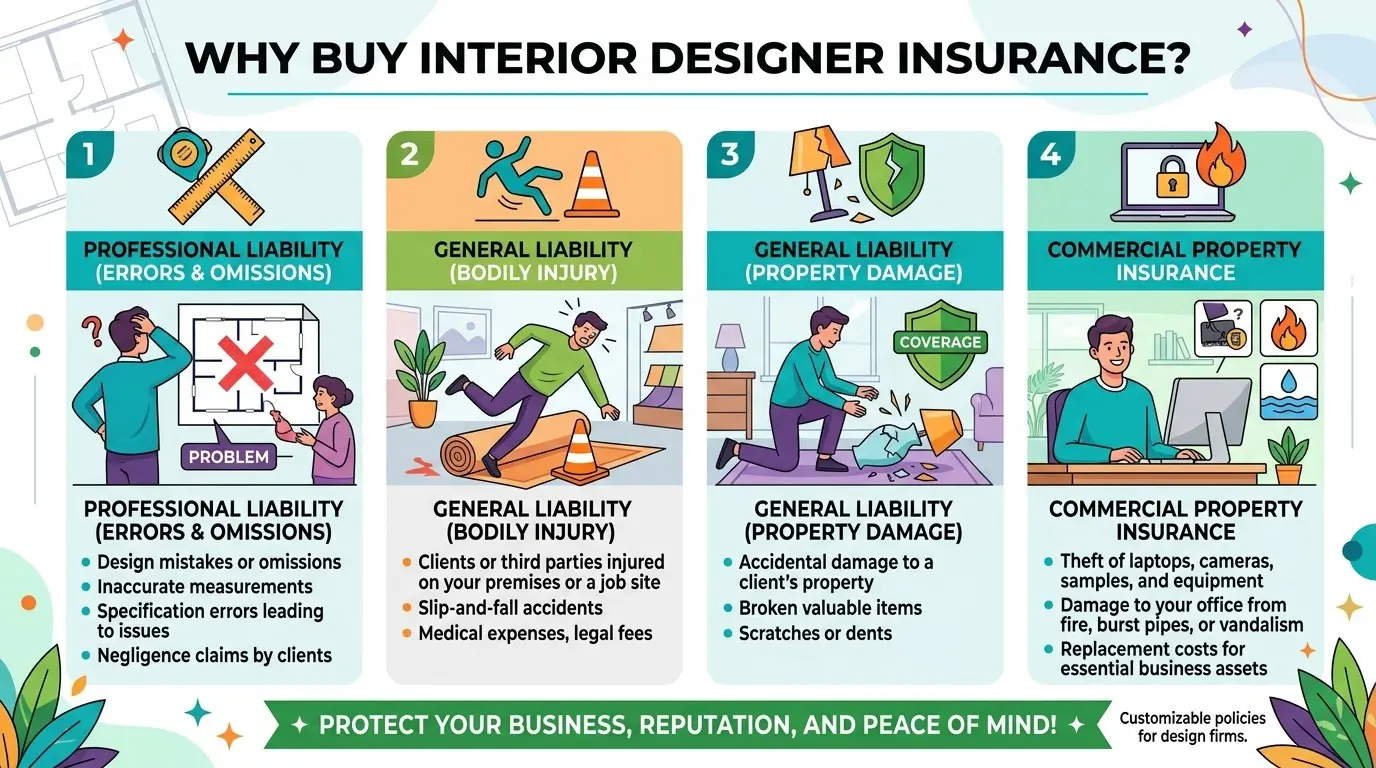
Material Specifics for 2026 Insurance Coverage
Authenticity-grade materials
- Polycarbonate panels, for durability in high-traffic areas, resistant to scratches and UV damage
- Low-VOC paints, aligning with sustainability trends and client health priorities
- Custom engineered glass, for sleek, high-performance surfaces with precise tolerances
- Smart wiring and sensors, integrated into finishes for seamless tech functionality
- Reclaimed wood, for eco-conscious projects with authenticity and character
- High-tech fabrics, stain-resistant, antimicrobial, and suitable for smart home environments
- Luxury vinyl planks, durable, cost-effective, and increasingly favored over traditional flooring
- Nanotech coatings, for surfaces requiring self-cleaning or enhanced durability
Generic-grade tells we refuse to spec
- Standard drywall and paint, no longer sufficient for tech-heavy designs
- Basic hardware finishes, lack of customization for premium projects
- Traditional flooring materials, less aligned with sustainability trends
- Standard glass, may not meet high-performance or aesthetic demands
- Low-quality textiles, prone to wear and less eco-friendly
- Off-the-shelf cabinetry, insufficient for bespoke luxury projects
- Basic lighting fixtures, lack integrated controls or smart features
- Non-engineered materials, less predictable in high-tech or custom applications
What This Costs in 2026
| Scope | Typical range |
|---|---|
| Basic professional liability for small firms | $3K-$6K |
| Mid-tier coverage including cyber and environmental | $8K-$15K |
| High-end, comprehensive coverage for large firms or complex projects | $20K-$40K |
Working Notes
What We Have Learned Doing This: Interior Designer Insurance: A Designer's Guide to the 2026 Look
“The best money spent on a renovation is spent before it starts.”
Most of the money that gets wasted is spent solving the wrong problem confidently. A homeowner asks for more space, every contractor agrees and prices an addition, and the real issue turns out to be light, or proportion, or one bad sightline. We make the room tell us the problem before anyone signs a demolition contract.
The cheapest tool on any project is a sample board and an afternoon. We have watched five-figure mistakes get caught by a fifteen-dollar paint sample lived with for a week in the actual light of the actual room. Decisions made under showroom lighting do not survive contact with a real house.
Order the long-lead items before anything else and design the sequence so the rest of the job can proceed without them. The appliance, the stone, the custom millwork set the schedule, and pretending otherwise is how a project loses a month it never gets back.
These notes come from our own project debriefs. Most were learned the expensive way the first time.
Sources & Professional References
This guide's positions on materials are grounded in published building-code, standards, and recognized design-authority sources, alongside Designed | Curated Interiors' verified credentials and active project files:
- American Society of Interior Designers (ASID): interior-design practice standards
- International Code Council (ICC): Chapter 8 Interior Finish Decorative Materials And Furnishings
- NKBA, Amy Kunst Member Profile (verified credential, NKBA Committee Member)
- Featured in: Homes & Gardens (design expert quote, May 2026) · Sacramento Love (guest author, 2024)
From Principle to a Real Room
A trend piece is the briefing document, not the deliverable. The pages below show how we translate these principles into finished rooms across Sacramento and the rest of Northern California.
- Sacramento & Bay Area Interior Design Services How we scope, source, and deliver work end to end.
- Interior Designer Hub, Sacramento Where most of our Sacramento work lives, the regional fit explained.
- Modern Tudor Homes: Authentic, Revival, and Neo-Tudor (A Designer Reference) Heritage-architecture renovation patterns from our project files.
- Japandi Living Room: A Designer's Guide to the 2026 Look The 2026 warm-neutral playbook applied to the living room.