Homeowners in Saratoga searching for interior design services are often trying to find trusted local experts who understand the unique architectural style and landscape influences of the area. Matching the right designer to Saratoga’s high-value land stock and established homes is crucial for creating timeless, refined interiors that complement the region’s character.
Built from our active project files, this guide explores the top Saratoga interior design firms, their specialties, regional trends, and how to navigate local pricing and project examples. We focus on practical, designer-perspective insights that help homeowners make informed decisions while avoiding costly mistakes in 2026.
Common Questions
| What should I consider when hiring an interior designer in Saratoga? | Look for a designer who understands the area’s mid-century modern and Craftsman homes—many here have original woodwork, built-in cabinetry, or vaulted ceilings that need respectful updates. Saratoga’s climate (hot, dry summers) also means you’ll want someone who knows how to balance ventilation with insulation, especially in older homes with single-pane windows. Skip generic advice; ask for examples of how they’ve handled similar layouts or material constraints. |
| How can I incorporate Saratoga’s natural landscape into my interior design? | Start with the bones: if your home has a view, frame it with floor-to-ceiling windows or sliding glass doors—no need for heavy drapes. For materials, local stone (like the Sierra foothills’ granite) or reclaimed redwood flooring ties to the region’s natural palette. But don’t overdo it—some clients try to force in too many ‘organic’ elements, which can look like a botched Whole Foods aesthetic. Stick to one or two key pieces, like a matte brass sconce or a live-edge walnut console, to avoid visual clutter. |
| Are there specific design styles popular in Saratoga in 2026? | The biggest shift I’m seeing is a pushback against sterile minimalism. Clients here want warmth—think textured linens, handwoven wool rugs, and built-in seating that nods to the area’s historic clubhouses (like the Saratoga Club’s library). Neutral palettes are still dominant, but the ‘subtle luxury’ trend now means things like hidden storage in solid oak or custom millwork that mimics the original home’s craftsmanship. If your house has historic details, we’re not erasing them; we’re layering in modern layers that feel intentional, not forced. |
| What are cost-effective ways to improve natural light in Saratoga homes? | First, audit your space: if you’ve got a south-facing room, you might not need skylights—just remove those dark green drapes and swap them for linen sheers. For furniture, float pieces away from walls to create sightlines, and use mirrors strategically (a large one can add the equivalent of 100 watts of light). If you’re set on skylights, check local codes first—Saratoga’s building department can be strict about roof load limits, especially in older neighborhoods. And skip the $20,000 Velux systems; a well-placed, properly flashed dome from a local supplier can do the job for a fraction of the cost. |
Interior Design California Saratoga 95070 2026 at a Glance
| Element | In | Out |
|---|---|---|
| Color | Warm, neutral palettes and natural materials | Bold, loud colors |
| Furniture Style | Timeless, classic furniture styles | Overly trendy furniture |
| Lighting | Focus on light and landscape integration | Ignoring natural light |
| Materials | Sustainable, local sourcing | Synthetic materials |
| Finishes | Subtle luxury finishes | Overly ornate finishes |
| Layout | Indoor-outdoor flow | Cluttered layouts |
| Decor Sources | Personalized, bespoke details | Mass-produced decor |
| Color Palette | Calm, restrained color schemes | Dark, heavy palettes |
| Design Approach | Modern meets traditional design | Fast furniture trends |
Prioritizing Light and Connection to Landscape
In Saratoga, the first major design move we recommend is emphasizing natural light and seamless indoor-outdoor connections. Homes in this area often feature large windows and open layouts, but these can be underutilized if window treatments and furniture placement block views or diminish light flow.
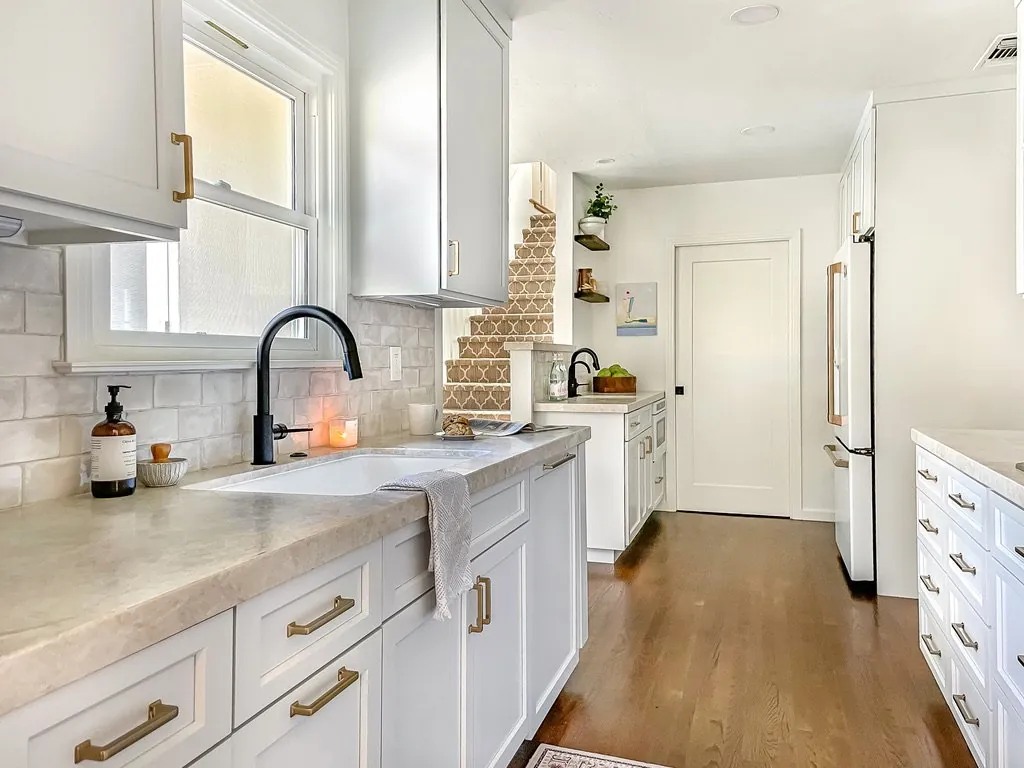
Across our active project specifications, we focus on selecting window coverings that are light-filtering yet unobtrusive, such as linen drapes or motorized shades from brands like Lutron. We also specify furniture and layout that maximize sightlines and allow daylight to fill the rooms, creating a calm, inviting atmosphere that resonates with Saratoga’s scenic landscape. Using finishes like matte brass fixtures and natural stone countertops enhances the organic feel, grounded in the region’s affinity for understated luxury.
Designs that highlight light and landscape not only elevate daily comfort but also significantly boost resale value in this high-end market, where buyers prize homes that blend seamlessly with their surroundings.
Material Specificity for Saratoga Homes
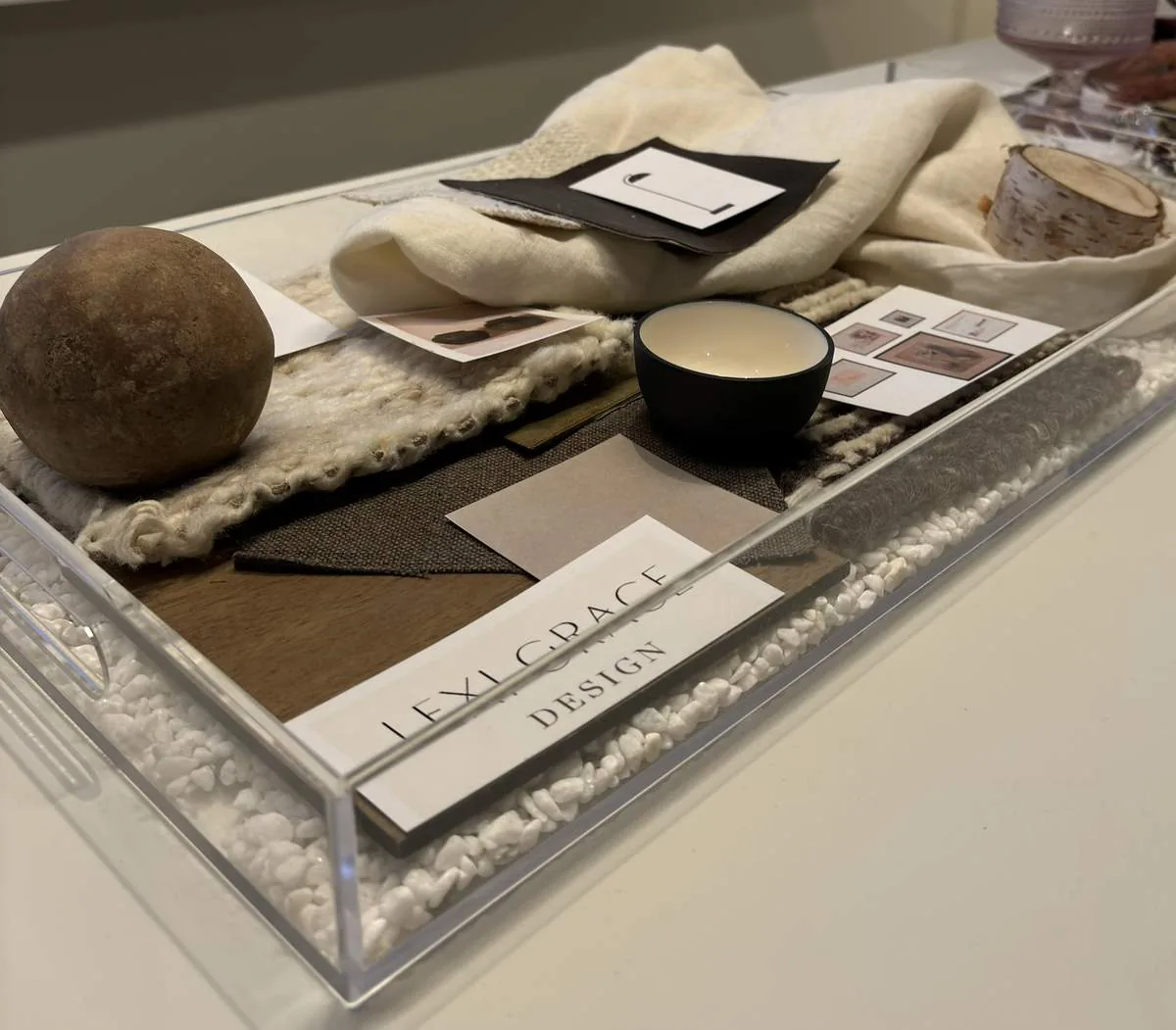
Authenticity-grade materials
- White oak (rift-sawn), for floors and slat detail; calmer grain than plain-sawn
- Limestone or soapstone, for countertops; natural, durable, and regionally appropriate
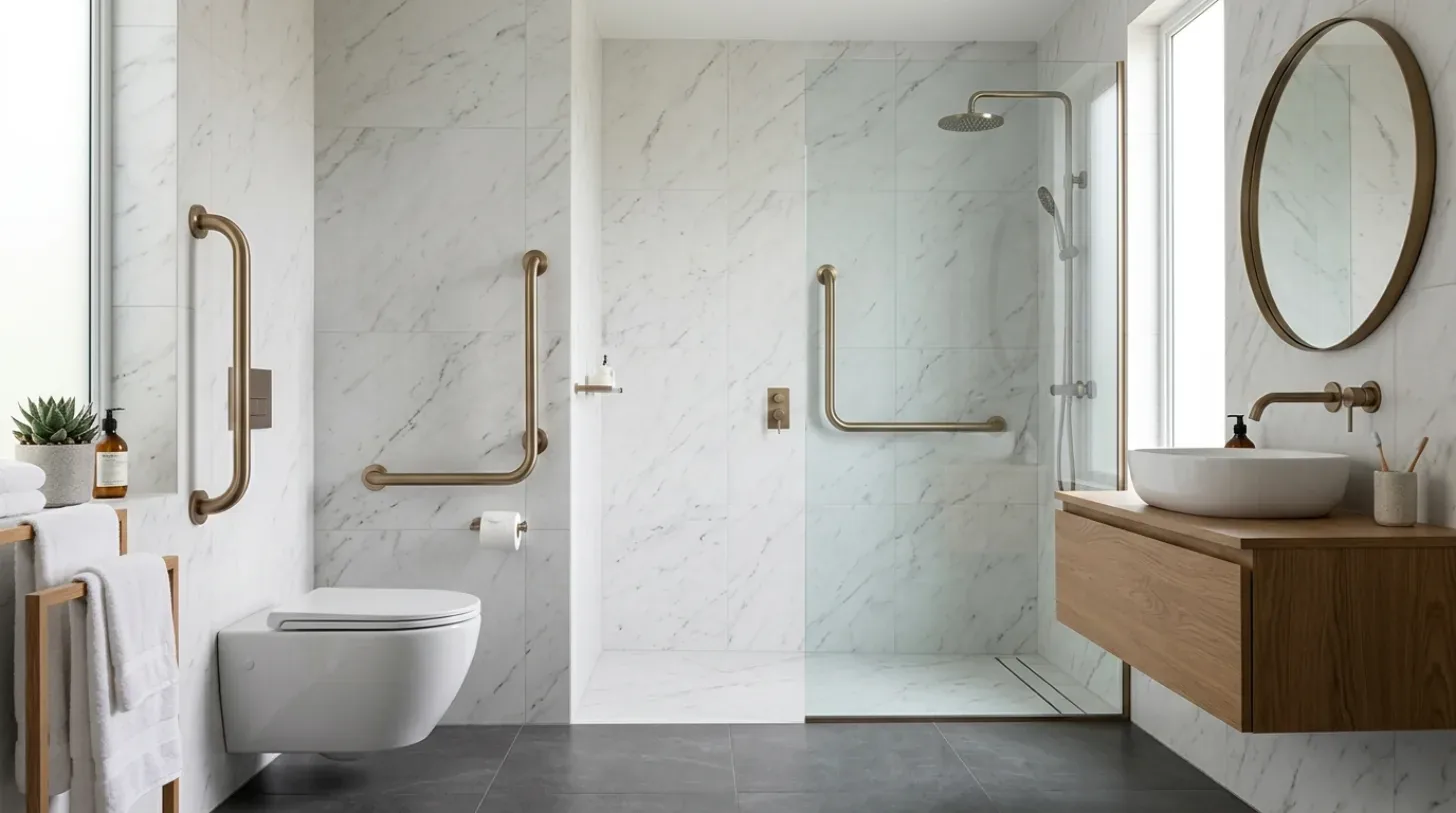
- Matte brass fixtures, for hardware and lighting; warm, subtle finish that ages well
- Natural linen or hemp fabrics, for window treatments and upholstery; eco-friendly and soft
- Reclaimed wood, for accent walls or millwork; sustainable and rich in character
- Silky matte paint, in neutral tones; enhances natural light without glare
- Vinyl or composite decking, for outdoor spaces; weather-resistant and low-maintenance
- Biophilic wallcoverings, subtle botanical patterns that celebrate local flora
Generic-grade tells we refuse to spec
- Polyester fabrics, synthetic and less breathable
- High-gloss paint, can reflect harsh light and feel sterile
- Plastic hardware, less authentic and can yellow over time
- Mass-produced wood veneers, lack character and can be lower quality
- Overly shiny countertops, tend to feel less timeless
- Fast-finished laminate flooring, less durable and less authentic
Saratoga's Unique Interior Design Trends in 2026
Saratoga’s design landscape in 2026 continues to favor timeless elegance infused with regional influences. The proximity to natural parks and the scenic landscape encourages design choices that emphasize organic materials, neutral color palettes, and a seamless connection to outdoor views. Homes near Big Basin Way often feature large windows, but the region’s abundant light requires careful treatment to avoid glare and maintain privacy. In the broader Bay Area context, the focus on sustainable, locally sourced materials aligns well with Saratoga’s affluent, eco-conscious homeowners.
The region’s architectural stock, mostly early 20th-century homes with classic proportions, calls for interior designs that respect their historic character while integrating modern comforts. Our approach incorporates subtle luxury touches like matte brass hardware, natural stone surfaces, and biophilic elements, creating spaces that feel both timeless and current. For homeowners seeking inspiration, exploring the San Jose interior design hub can provide additional regional insights, but Saratoga’s unique landscape and historic homes demand a tailored approach that celebrates its heritage while embracing the future.
This regional perspective underscores that successful Saratoga interiors in 2026 are those that balance elegance, sustainability, and a deep respect for the neighborhood’s natural beauty and architectural legacy.
Should You Remodel or Rebuild in Saratoga?
Deciding whether to remodel or rebuild in Saratoga hinges on the home's age, condition, and land value. Many older homes in the area, especially those near Big Basin Way, were built on land with significant value, making rebuilding an attractive option for some homeowners seeking a fresh start with modern design and structural updates.
The first question we ask is what the homeowner’s long-term goals are. If they want to preserve historic character, a careful renovation that respects original details may be best. However, if the home’s foundation or structure is compromised, or if their vision includes a major expansion, rebuilding might be more practical.
Cost considerations are key. Rebuilds often involve permits, site work, and new foundations, which can be costly but also provide a clean slate. Renovations can be less disruptive and more cost-effective if the existing structure is sound, but hidden issues like outdated wiring or foundation problems can add surprises.
In Saratoga, especially with homes on high-value land, we recommend a detailed assessment of the structure and land use options. Consulting with local experts and understanding permit requirements from the Building Division is essential to making a wise decision that balances investment, character, and future value.
What This Costs in 2026
| Scope | Saratoga / Bay Area | Sacramento |
|---|---|---|
| Refresh scope (paint, hardware, accessories) | $25K-$50K | $15K-$30K |
| Mid-tier renovation (kitchen/bath updates, lighting) | $150K-$300K | $75K-$150K |
| Estate-scale rebuild or major addition | $1M-$5M | $500K-$2M |
Local permits & planning
Working Notes
What We Have Learned Doing This: Interior Design in Saratoga, CA 95070
“The best money spent on a renovation is spent before it starts.”
A renovation is a dependency chain, not a list of tasks. A two-day cabinet delay quietly becomes a two-week slip by week sixteen because every trade downstream is holding a calendar. The least glamorous part of this work, and the most valuable, is keeping that chain from cascading.
Specify for the next ten years, not the next photo shoot. The work that holds its value is quiet, well made, and a little bit boring on the day it is installed.
Most of the money that gets wasted is spent solving the wrong problem confidently. A homeowner asks for more space, every contractor agrees and prices an addition, and the real issue turns out to be light, or proportion, or one bad sightline. We make the room tell us the problem before anyone signs a demolition contract.
These notes come from our own project debriefs. Most were learned the expensive way the first time.
Sources & Professional References
This guide's positions on materials are grounded in published building-code, standards, and recognized design-authority sources, alongside Designed | Curated Interiors' verified credentials and active project files:
- American Society of Interior Designers (ASID): interior-design practice standards
- International Code Council (ICC): Chapter 8 Interior Finish Decorative Materials And Furnishings
- Building Division, Saratoga (Santa Clara County) building permit portal
- NKBA, Amy Kunst Member Profile (verified credential, NKBA Committee Member)
- Featured in: Homes & Gardens (design expert quote, May 2026) · Sacramento Love (guest author, 2024)
From Principle to a Real Room
A trend piece is the briefing document, not the deliverable. The pages below show how we translate these principles into finished rooms across Saratoga and the rest of Northern California.
- Sacramento & Bay Area Interior Design Services How we scope, source, and deliver work end to end.
- Interior Designer Hub, Saratoga Where most of our Saratoga work lives, the regional fit explained.
- Modern Tudor Homes: Authentic, Revival, and Neo-Tudor (A Designer Reference) Heritage-architecture renovation patterns from our project files.
- Japandi Living Room: A Designer's Guide to the 2026 Look The 2026 warm-neutral playbook applied to the living room.