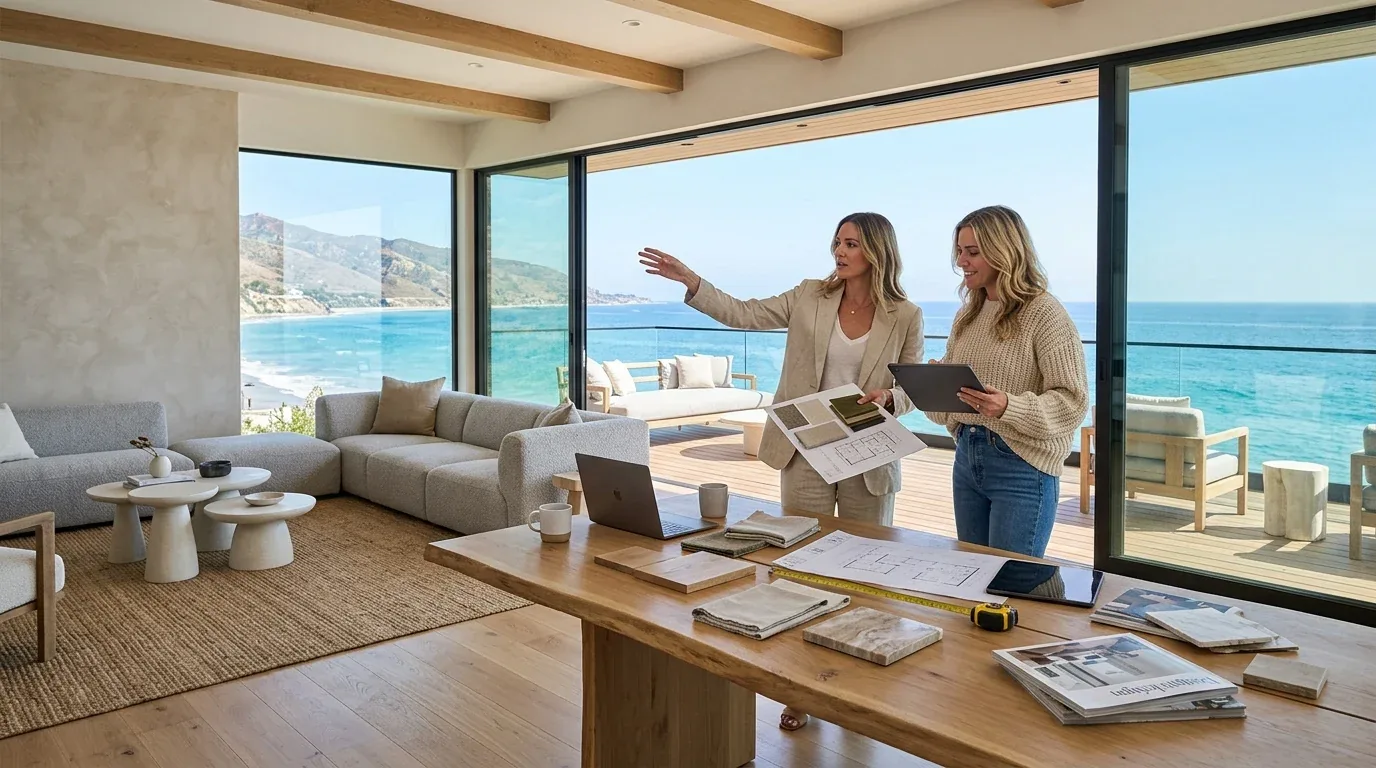
Finding a local interior designer in Menlo Park, California, who understands the specific style, architecture, and landscape of the 94025 area is essential for a successful project. Designers familiar with Menlo Park’s unique character can help create spaces that blend modern comfort with timeless appeal. This guide will help you identify reputable professionals, understand their offerings, and learn what to expect when hiring an interior designer in Menlo Park.
Built from our active project files, this post covers the top local interior design studios, project examples specific to the 94025 area, client reviews, service specialties, pricing expectations, and the process of hiring a designer. We also explore regional design trends and how they influence choices in Menlo Park homes, ensuring your project aligns with local aesthetics and practicalities.
Common Questions
| What should I consider when hiring an interior designer in Menlo Park 94025? | Look for a designer who understands the area’s mid-century modern and Craftsman homes—common here—and how to integrate them with the region’s lush greenery and climate. Menlo Park’s homes often have irregular floor plans, sloped ceilings, or uneven foundations, so experience with structural quirks matters. A designer familiar with these details avoids misaligned fixtures or wasted materials. |
| How do regional design trends influence interior design in Menlo Park? | The area’s mix of dense redwoods, open skies, and Mediterranean-style architecture pushes for earthy tones, reclaimed wood, and large glass doors to blur indoor-outdoor lines. Natural light is abundant but can be harsh, so layered textiles and deep overhangs are standard. Local designers also prioritize durable, low-maintenance materials that hold up against the foggy, damp winters. |
| What are common mistakes to avoid when selecting fixtures and materials in Menlo Park? | Skipping a full structural walkthrough can lead to misaligned light fixtures or cabinets that don’t fit—Menlo Park homes often have wonky walls or uneven floors. Always measure multiple spots, not just one corner, and confirm load-bearing walls before hanging heavy shelves. Cheap, off-the-shelf materials may not stand up to the humidity or temperature swings here. |
| When is the best time to hire a local interior designer in Menlo Park? | Bring a designer in *before* demolition or major structural work—local permits for additions, ADU conversions, or even window replacements can add 3–6 months to timelines. Menlo Park’s zoning rules are stricter than neighboring areas, so early involvement ensures your project meets setbacks, height limits, and historic preservation requirements if applicable. Waiting until after construction starts risks costly rework. |
Interior Design California Menlo Park 94025 2026 at a Glance
| Element | In | Out |
|---|---|---|
| Design Style | Contemporary yet timeless styles | Generic trends |
| Experience | Local project experience in Menlo Park | Unfamiliar with Menlo Park projects |
| Consultation Approach | Personalized design consultations | Standard consultation models |
| Project Focus | Focus on residential spaces | Commercial-focused designers |
| Pricing Range | Mid-range to luxury price points | Low-cost or DIY solutions |
| Specializations | Specializations in traditional and modern blends | One-size-fits-all styles |
| Process Focus | Collaborative design process | Limited regional understanding |
| Technology Integration | Emphasis on integrated technology | Overemphasis on trends |
| Material Sourcing | Sustainable and locally sourced materials | Mass-produced materials |
Prioritizing Local Expertise in Menlo Park
In Menlo Park, the most successful interior design projects start with a designer who understands the area’s architectural styles, landscape influences, and homeowner preferences. Across our active project specifications, we've found that local professionals often bring a nuanced perspective that national firms may overlook. For example, a recent client near Santa Cruz Avenue sought to modernize a traditional home without losing its classic charm. We first examined the existing structure and landscape, then collaborated with local artisans for custom millwork that complemented the neighborhood’s character.
The first question we ask in any Menlo Park project is what the homeowner’s core concern is, whether it’s maximizing light, improving privacy, or balancing style with functionality. During a site measure for the Lone Tree Project, I discovered that the homeowner’s assumption about space was off because of a misjudged wall alignment. Using a tape measure, it became clear that the back wall bowed nearly an inch over its run, which explained why standard cabinetry wouldn't fit without modifications. This quiet discovery saved the project from a costly mistake and underscored the importance of local knowledge and precise measurement in Menlo Park’s older homes, where structural irregularities are common. A lesson from this is that in high-value neighborhoods, understanding the nuances of home as it was actually built can prevent six-figure errors and ensure seamless integration of new elements.
Material Specificity for Menlo Park Homes
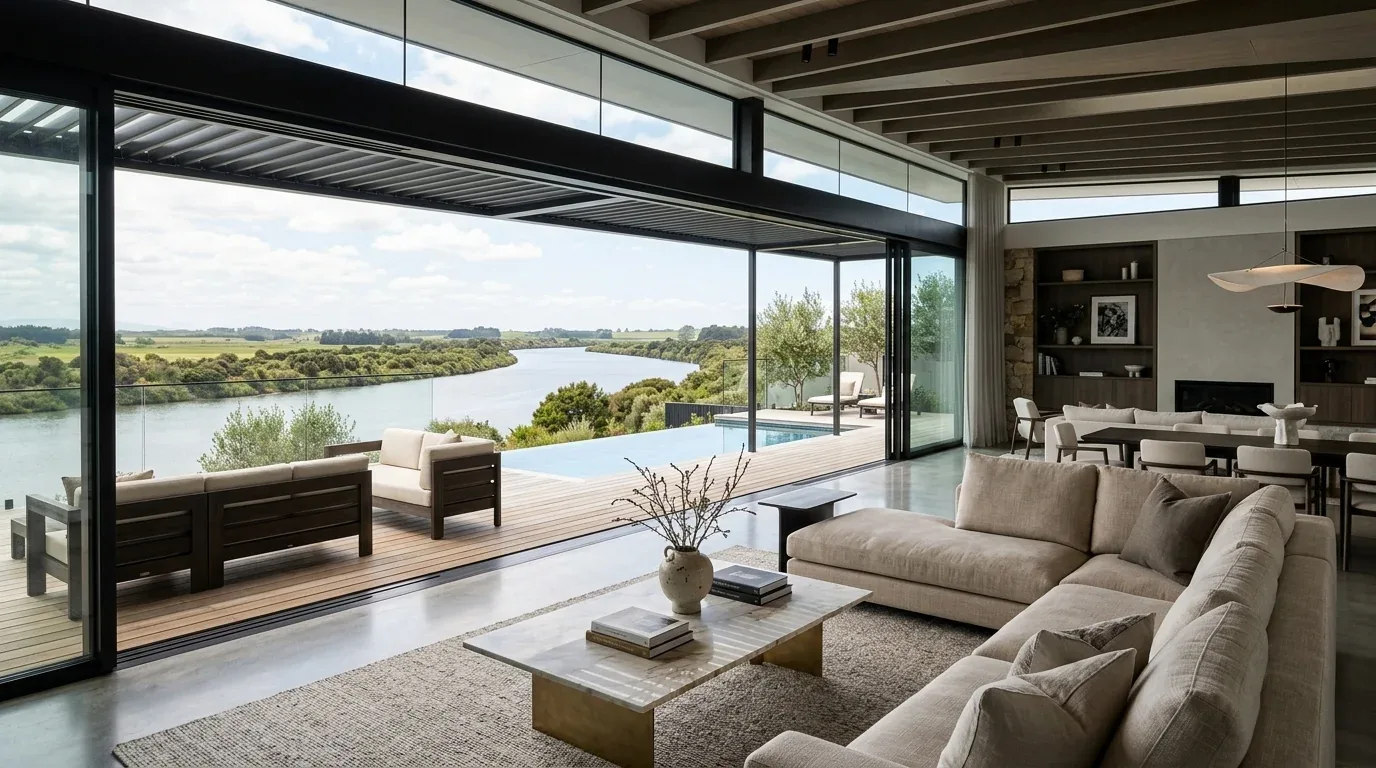
Authenticity-grade materials
- White oak (rift-sawn), for floors and slat detail; calmer grain than plain-sawn
- Calacatta marble, for countertops; subtle veining complements traditional and modern styles
- Brushed brass hardware, for a warm, durable finish that ages well
- Linen upholstery fabric, for sofas and drapes; soft, natural, and versatile
- Sustainable cork flooring, eco-friendly and excellent for sound absorption
- Reclaimed wood beams, add character and authenticity to historic homes
- Matte black fixtures, for a contemporary contrast in kitchen and bath
- Layered natural textiles, for soft accents and window treatments
Generic-grade tells we refuse to spec
- Standard laminate countertops, less durable and less authentic
- Mass-produced hardware, lacks unique character
- Synthetic upholstery fabrics, less breathable and sustainable
- Veneer flooring, less durable and less eco-friendly
- Pre-finished drywall, limits customization and aging
- Polyester window treatments, less natural feel
Why Menlo Park’s Landscape and Architecture Shape Design Trends
Menlo Park’s diverse architectural stock, from historic Mediterranean homes to modern estates, influences the interior design approach in 2026. The area’s landscape, with mature trees and lush gardens, encourages a seamless indoor-outdoor flow that many clients desire. Light quality varies across neighborhoods, affecting material choices and color palettes. For instance, homes near Santa Cruz Avenue often benefit from abundant natural light, allowing for brighter interiors with warm neutrals and layered textures. In contrast, older homes with smaller windows may require strategic lighting and reflective surfaces to maximize daylight.
In the broader Bay Area, the emphasis on sustainability and smart technology continues to grow. Local designers frequently incorporate energy-efficient systems and eco-friendly materials that align with regional values. Understanding these nuances is crucial, which is why working with a local interior designer familiar with Menlo Park’s specific context is invaluable. For more insights on how regional factors influence design, visit our Menlo Park interior design hub.
How to Choose the Right Fixtures and Materials for Menlo Park Homes
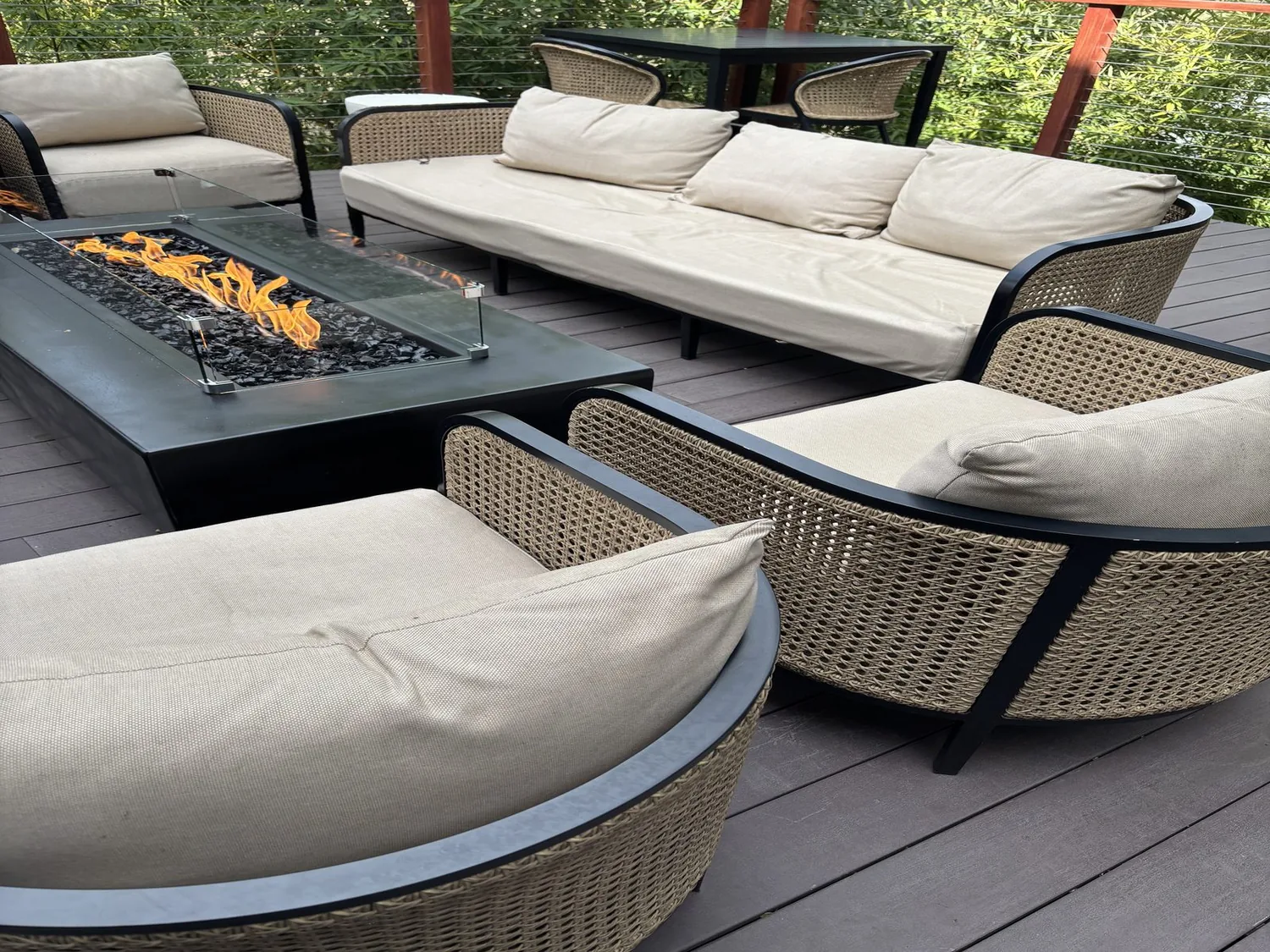
Homeowners in Menlo Park often struggle with selecting fixtures and materials that balance durability, style, and regional character. The first question we ask is what the space’s primary function is and what style aligns with the home’s architecture. For example, a contemporary kitchen in a Mediterranean-style home benefits from sleek, minimalist fixtures, while a traditional estate might favor more ornate hardware and classic stone countertops.
In our experience, choosing the right size and type of fixtures is as crucial as the style. For instance, range hoods should be sized according to the cooktop, with a minimum depth of 18 inches and CFM ratings based on kitchen size. When considering custom versus stock options, local fabricators and cabinet shops often provide higher-quality, tailored solutions at a comparable lead time to mass-produced options. Here is a quick comparison:
- Custom millwork: Higher cost, longer lead time, best fit
- Stock cabinets: Lower cost, faster, less personalized
Ultimately, the goal is to select fixtures that enhance the space’s functionality and aesthetic while respecting the neighborhood’s architectural language.
Should You Remodel or Rebuild in Menlo Park’s High-Value Land Market?
The decision to remodel or rebuild in Menlo Park hinges on the home’s age, structural condition, and long-term goals. Many older homes from the early 20th century have good bones but require updates to meet modern standards for energy efficiency and layout. The first question we ask is whether the existing structure can support the desired design improvements without extensive foundation or framing work.
In neighborhoods like near Santa Cruz Avenue, land value and zoning often favor rebuilding, but this can be costly and time-consuming. Our advice is to evaluate the ROI of a remodel versus a rebuild, considering factors like lot size, potential for expansion, and local permitting requirements. For example, updating a 1960s ranch with new finishes and open-plan layout can often yield significant value without the expense of tearing down and starting over. The American Society of Interior Designers emphasizes that thoughtful planning and regional knowledge are key to making these high-stakes decisions effectively.
What This Costs in 2026
| Scope | Menlo Park / Bay Area | Sacramento |
|---|---|---|
| Basic refresh with standard materials | $40K-$80K | $20K-$50K |
| Mid-tier renovation with custom fixtures | $80K-$250K | $50K-$150K |
| Estate-scale redesign and rebuild | $300K-$1M | $200K-$600K |
Local permits & planning
Working Notes
What We Have Learned Doing This: Interior Design in Menlo Park, CA 94025
“Good rooms are built twice. Once on paper, once in the field.”
Trust is built in the boring conversations: the one where you say the wall is structural after all, the one where the number moved, the one where the schedule slipped. Clients forgive reality. They do not forgive being surprised by it.
After enough projects you stop fearing bad taste and start fearing the boring things: delays, sequencing mistakes, moisture behind a wall, an electrician improvising, framing that is not where the drawings swear it is. The aesthetic part still matters, it is why anyone hires anyone, but execution decides whether the room ever gets built the way it was drawn.
A renovation is a dependency chain, not a list of tasks. A two-day cabinet delay quietly becomes a two-week slip by week sixteen because every trade downstream is holding a calendar. The least glamorous part of this work, and the most valuable, is keeping that chain from cascading.
These notes come from our own project debriefs. Most were learned the expensive way the first time.
Sources & Professional References
This guide's positions on materials are grounded in published building-code, standards, and recognized design-authority sources, alongside Designed | Curated Interiors' verified credentials and active project files:
- American Society of Interior Designers (ASID): interior-design practice standards
- International Code Council (ICC): Chapter 8 Interior Finish Decorative Materials And Furnishings
- Community Development, Menlo Park (San Mateo County) building permit portal
- NKBA, Amy Kunst Member Profile (verified credential, NKBA Committee Member)
- Featured in: Homes & Gardens (design expert quote, May 2026) · Sacramento Love (guest author, 2024)
From Principle to a Real Room
A trend piece is the briefing document, not the deliverable. The pages below show how we translate these principles into finished rooms across Menlo Park and the rest of Northern California.
- Sacramento & Bay Area Interior Design Services How we scope, source, and deliver work end to end.
- Interior Designer Hub, Menlo Park Where most of our Menlo Park work lives, the regional fit explained.
- Interior Designer in Menlo Park Related cluster piece referenced from the Interior Designer in Menlo Park build files.
- Menlo Park Bay Mud Liquefaction Risk Related cluster piece referenced from the Menlo Park Bay Mud Liquefaction Risk build files.
- Menlo Park Nonconforming Structure Remodeling Rules Related cluster piece referenced from the Menlo Park Nonconforming Structure Remodeling Rules build files.