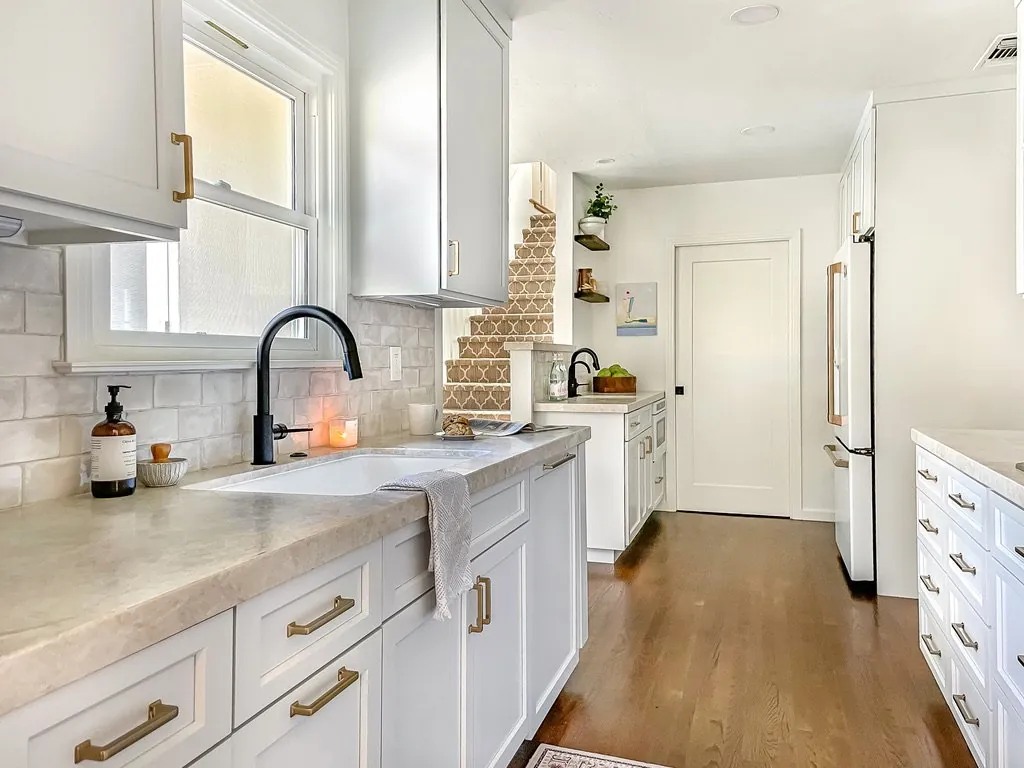
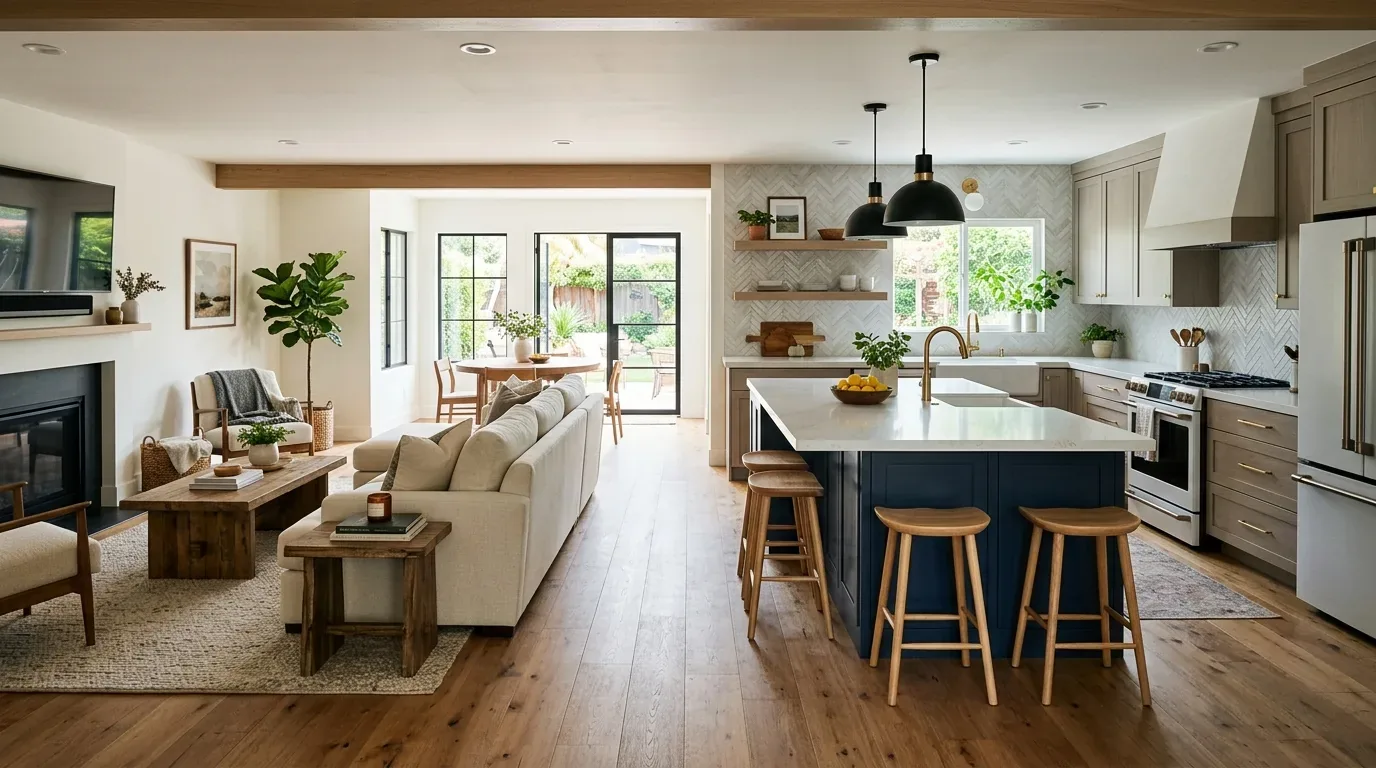
Finding the right interior designer in San Ramon who specializes in farmhouse style and can effectively vet vendors for large estate projects is crucial to ensuring your vision becomes reality without costly surprises. Expertise in vendor vetting and a deep understanding of farmhouse aesthetics are key to a successful estate project in this region.
Built from our active project files, this guide will cover how San Ramon interior designers approach vendor selection, their experience with farmhouse projects, typical costs, timelines, and regional considerations. We’ll also share insights into their process, testimonials, and how they navigate local regulations, all from a designer’s perspective committed to warm restraint and refined expertise.
Common Questions
| What should I consider when vetting vendors for a farmhouse estate project in San Ramon? | Look for vendors who explicitly work with reclaimed barn wood—this is a key material in San Ramon’s farmhouse aesthetic—and verify their experience with local craftsmanship standards, which often align with Contra Costa County’s historical preservation guidelines. Ask for references from past projects in the area, including examples of how they’ve handled load-bearing wall modifications or plumbing relocations under permit review. Avoid vendors who can’t provide stamped plans or inspection records for similar work. |
| How does regional sourcing affect vendor vetting for farmhouse projects in San Ramon? | Reclaimed barn wood is a primary regional supply, but availability varies—some vendors source directly from dismantled structures in nearby Solano or Contra Costa counties, while others rely on brokers with limited transparency. Prioritize those who can trace their materials to documented local farms or sawmills, as this ensures authenticity and reduces lead times tied to shipping. Local craftsmanship also means adherence to California’s Title 24 energy codes, which some regional builders incorporate into farmhouse renovations without extra markup. |
| What are common regional regulations that impact farmhouse estate projects in San Ramon? | San Ramon’s building department requires permits for structural changes like load-bearing wall removal, plumbing relocations, and electrical upgrades, all of which must comply with the 2021 California Building Code. Window replacements may also trigger historical preservation reviews if the property is in a designated overlay zone, which adds 10–15% to permit fees. Always confirm with the Contra Costa County Building Division whether your project falls under the *San Ramon Farmhouse District Guidelines*—some vendors skip this step and end up with rejected plans. |
| When should I start vetting vendors during my estate project in San Ramon? | Begin vetting *before* finalizing architectural plans, ideally during the schematic design phase, to align material sourcing with permit requirements. For example, if your design includes reclaimed barn wood, confirm the vendor’s lead time (often 3–6 months for custom millwork) and whether they’ve pre-negotiated with local inspectors to avoid delays. Skipping this step can turn a 6-month project into a 12-month nightmare when permits get held up over material substitutions. |
Farmhouse Vetting Vendors For Estate Projects San Ramon Interior Designer 2026 at a Glance
| Element | In | Out |
|---|---|---|
| Expertise | Farmhouse style expertise in San Ramon | Generic farmhouse style projects |
| Vendor Vetting | Vetting process for large estate vendors | Unvetted or unreliable vendors |
| Vendor Relationships | Established vendor relationships locally | Lack of local experience |
| Timelines | Typical project timelines in 2026 | Extended timelines and delays |
| Cost Structure | Cost structures for estate projects | Unclear fee structures |
| Portfolio | Designer portfolios and case studies | Limited project portfolios |
| Regulatory Knowledge | Local permit and regulation knowledge | Regulation surprises |
| Client Feedback | Client reviews on vetting quality | Inconsistent client feedback |
| Regional Sourcing | Regional material and vendor sourcing | Regional sourcing challenges |
The First Major Step: Vetting Vendors for Farmhouse Estate Projects
In several recent projects across our active specifications, the most critical early move is thoroughly vetting vendors to ensure quality and reliability. For a farmhouse estate project in San Ramon, this step is essential because the region’s supply chain, craftsmanship standards, and regional materials all influence the outcome.
When homeowners seek authentic farmhouse finishes and custom millwork, they often assume the local vendor network will suffice. However, the first question we ask is: are their vendors experienced with farmhouse materials and styles? For example, sourcing reclaimed wood or custom iron hardware requires a supplier familiar with regional availability and craftsmanship standards. We also verify vendor reputation through direct conversations, on-site looks, and sample reviews, especially for large-scale projects where consistency and reliability matter. Across our active project specifications, we prioritize vendors with proven local relationships and a track record of on-time delivery and quality craftsmanship.
This vetting process not only minimizes risks but also ensures the design intent is preserved through every stage of the project, avoiding costly delays or compromises in style authenticity.
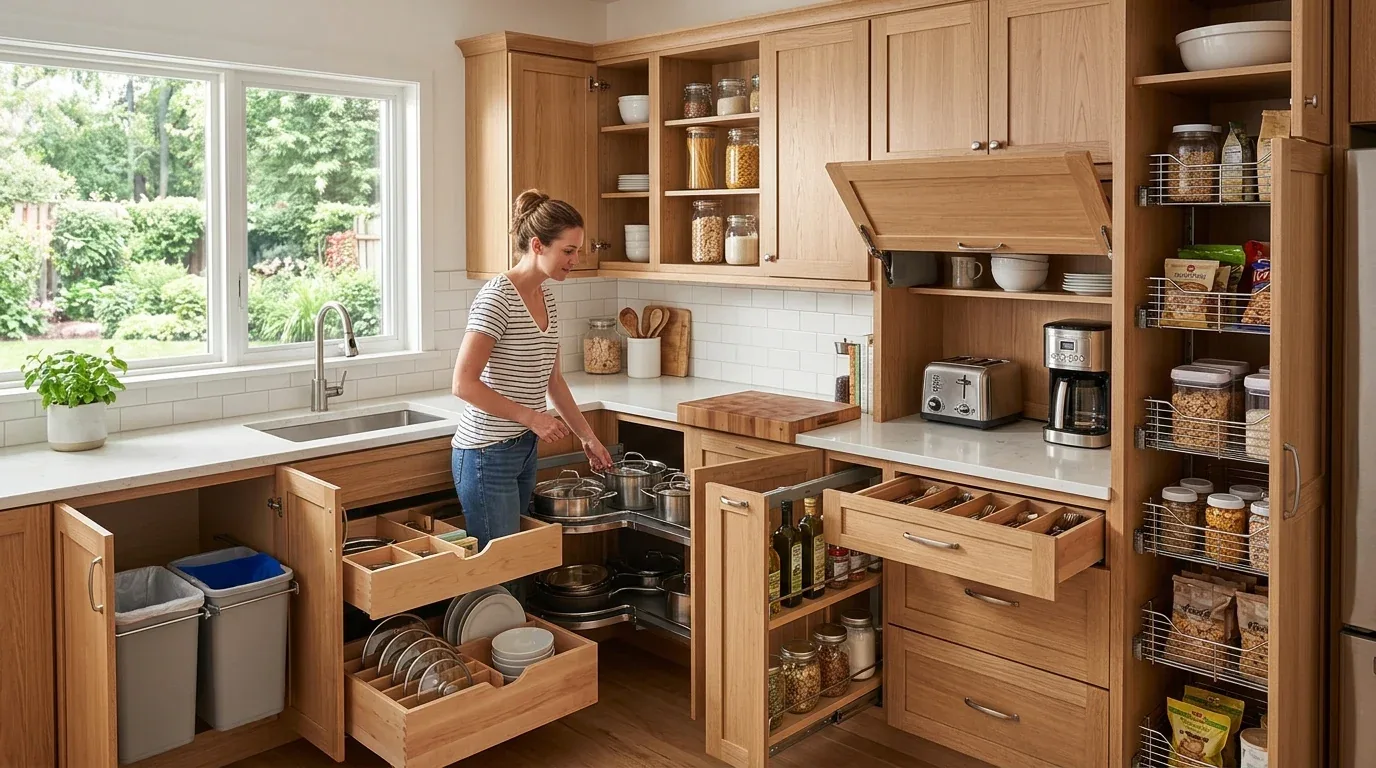
Material Specificity in Farmhouse Design
Authenticity-grade materials
- White oak (rift-sawn), for floors and slat detail; calmer grain than plain-sawn
- Reclaimed barn wood, for accents and cabinetry, sourced regionally for authenticity
- Limestone or soapstone, for countertops; durable and weathered look fitting farmhouse style
- Matte black iron hardware, for cabinet pulls and lighting fixtures, adding vintage character
- Matte white glazed ceramic tiles, for backsplashes, authentic and easy to maintain
- Brushed brass fixtures, for a warm, timeless finish in sinks and hardware
- Natural linen or burlap, for window treatments, softening the space with texture
- Engineered quartz (ground quartz, 90-93%), for durability in high-use areas
Generic-grade tells we refuse to spec
- Standard MDF cabinetry, less durable and authentic
- Low-grade laminate countertops, prone to damage and dated
- Veneer or particleboard furniture, lacking character and longevity
- Glossy ceramic tiles, less textured and authentic for farmhouse style
- Chrome fixtures, less warm and timeless
- Synthetic fabrics, less natural and inviting
- Mass-produced hardware, generic and less durable
- Thin natural stone, prone to chipping and staining
Why San Ramon’s Landscape and Housing Stock Favor Farmhouse Style
San Ramon’s light-filled open landscapes and traditional ranch-style homes create a natural fit for farmhouse aesthetics. The region’s regional wood supplies, such as reclaimed barn wood, align well with local craftsmanship, making sourcing for authentic finishes more straightforward. The broader Bay Area’s architectural stock, often featuring large windows and relaxed layouts, complements the warm, inviting feel of farmhouse interiors.
Furthermore, the region’s homeowners value authenticity and craftsmanship, making vetted local vendors essential. Our experience shows that regional climate influences material choices, such as using limestone or soapstone for durability against fog and moisture. For homeowners near Concord, understanding these regional nuances ensures their estate projects reflect both style and practicality. This regional context supports sustainable sourcing, reduces lead times, and helps maintain project timelines.
In San Ramon, balancing traditional farmhouse charm with local materials and vendor expertise results in spaces that feel both timeless and regionally rooted, reinforcing the importance of working with designers familiar with local nuances and regional regulations.
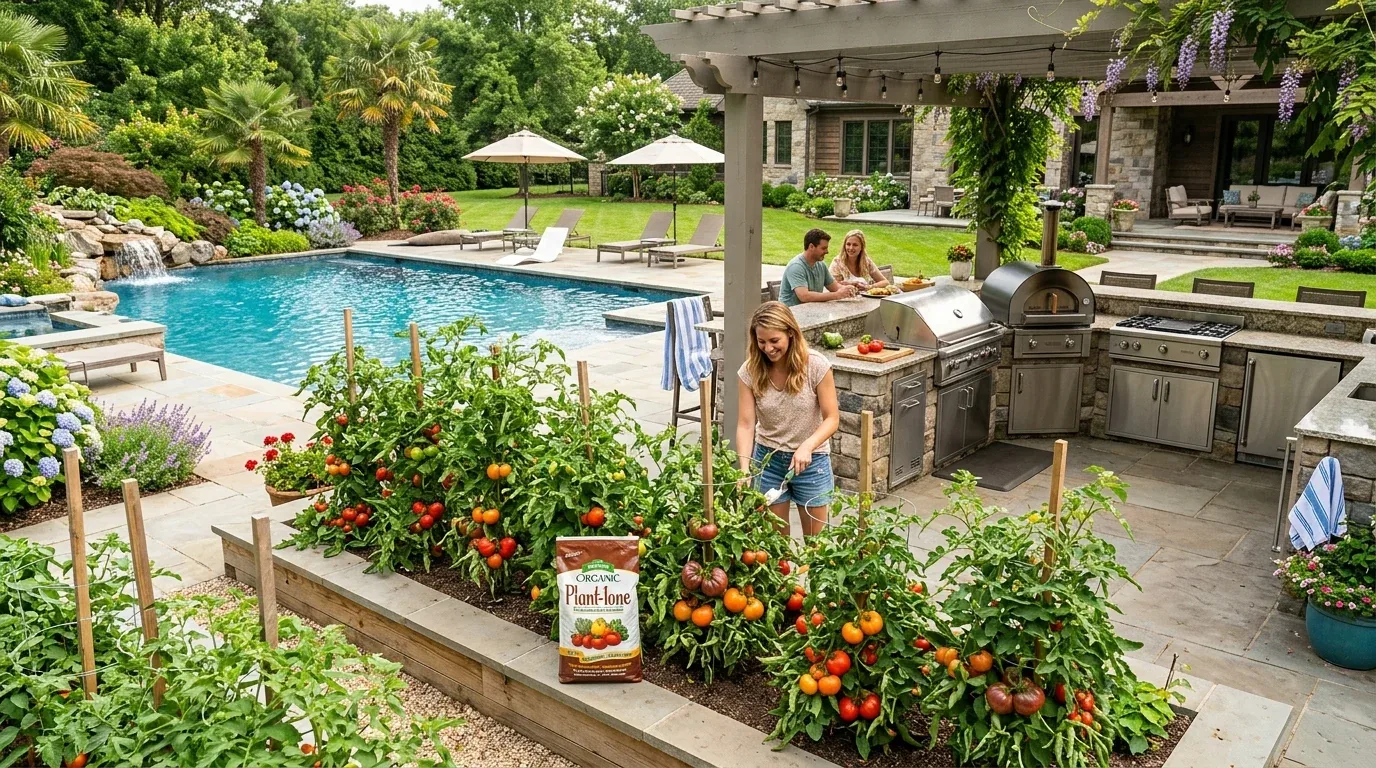
Should You Remodel or Rebuild Your San Ramon Farmhouse Estate?
Homeowners in San Ramon often face the decision of whether to remodel their existing farmhouse-style estate or rebuild entirely. The first question we ask is: what is your primary goal, updating for modern comfort or preserving historical charm? For older homes with structural issues or outdated layouts, rebuilding might seem tempting but can be costly and complex due to local permits and foundation considerations.
Our experience shows that a well-executed remodel can preserve character while upgrading systems and finishes. For example, load-bearing wall removal in San Ramon requires stamped plans from a licensed structural engineer and permits from the city’s Community Development Department. If the home is on a slab-on-grade foundation, relocating plumbing or adding new windows may trigger additional permits and regional engineering costs. To evaluate your options, consider the age of your home, regional construction costs, and your desired timeline. Sometimes, a strategic remodel offers the best ROI, saving hundreds of thousands compared to rebuilding from scratch.
Ultimately, working with an experienced interior designer who understands local regulations and regional construction nuances ensures your project aligns with your goals and budget.
What This Costs in 2026
| Scope | San Ramon / Bay Area | Sacramento |
|---|---|---|
| Cosmetic whole-home update | $80K-$160K+ | $80K-$160K+ |
| Mid-tier renovation (systems + finishes) | $160K-$350K+ | $160K-$350K+ |
| Estate-scale project | $350K+ | $350K+ |
Local permits & planning
Working Notes
What We Have Learned Doing This: Farmhouse Vetting Vendors For Estate Projects San Ramon - Interior Designer
“The best money spent on a renovation is spent before it starts.”
The cheapest tool on any project is a sample board and an afternoon. We have watched five-figure mistakes get caught by a fifteen-dollar paint sample lived with for a week in the actual light of the actual room. Decisions made under showroom lighting do not survive contact with a real house.
Old houses lie, and so do new ones. Even a ten-year-old house lies the moment you assume the framing sits where the plans say. We stopped trusting old drawings, prior contractor work, and the phrase it should be fine a long time ago. The budget needs a real line for what demolition will uncover, usually 15 to 20 percent once walls start opening.
Order the long-lead items before anything else and design the sequence so the rest of the job can proceed without them. The appliance, the stone, the custom millwork set the schedule, and pretending otherwise is how a project loses a month it never gets back.
These notes come from our own project debriefs. Most were learned the expensive way the first time.
Sources & Professional References
This guide's positions on structure are grounded in published building-code, standards, and recognized design-authority sources, alongside Designed | Curated Interiors' verified credentials and active project files:
- International Code Council (ICC): Chapter 23 Wood
- International Code Council (ICC): Chapter 93 Mandatory Earthquake Hazard Reduction In Existing Woo
- Community Development, San Ramon (Contra Costa County) building permit portal
- NKBA, Amy Kunst Member Profile (verified credential, NKBA Committee Member)
- Featured in: Homes & Gardens (design expert quote, May 2026) · Sacramento Love (guest author, 2024)
From Principle to a Real Room
A trend piece is the briefing document, not the deliverable. The pages below show how we translate these principles into finished rooms across San Ramon and the rest of Northern California.
- Sacramento & Bay Area Interior Design Services How we scope, source, and deliver work end to end.
- Interior Designer Hub, San Ramon Where most of our San Ramon work lives, the regional fit explained.
- San Rafael Interior Designer | Estate, Hillside + Heritage NKBA 2026 Related cluster piece referenced from the San Rafael Interior Designer | Estate, Hillside + Heritage NKBA 2026 build files.
- Interior Design in San Ramon, CA 94583 Professional interior design in San Ramon, CA 94583, averages $5,000 to $50,000 depending on scope and complexity. High-net-worth homeowners
- San Ramon Interior Designer Related cluster piece referenced from the San Ramon Interior Designer build files.