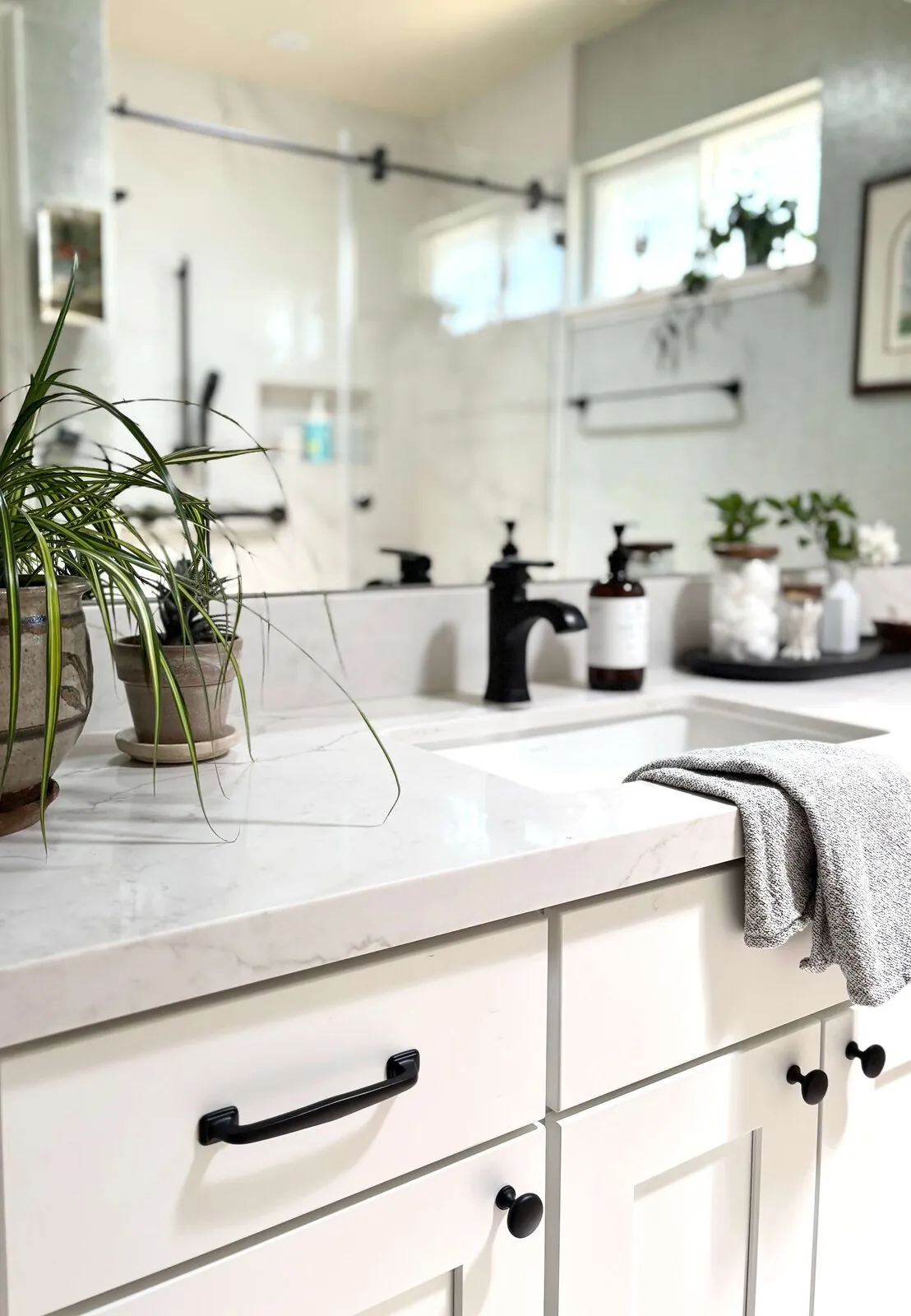
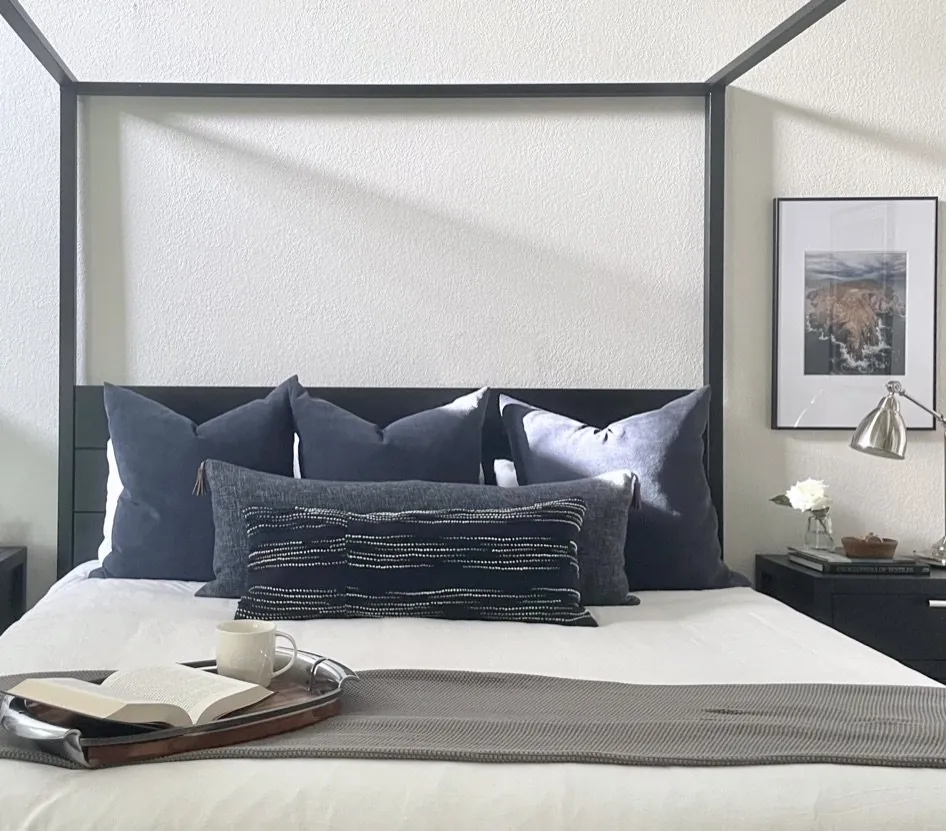
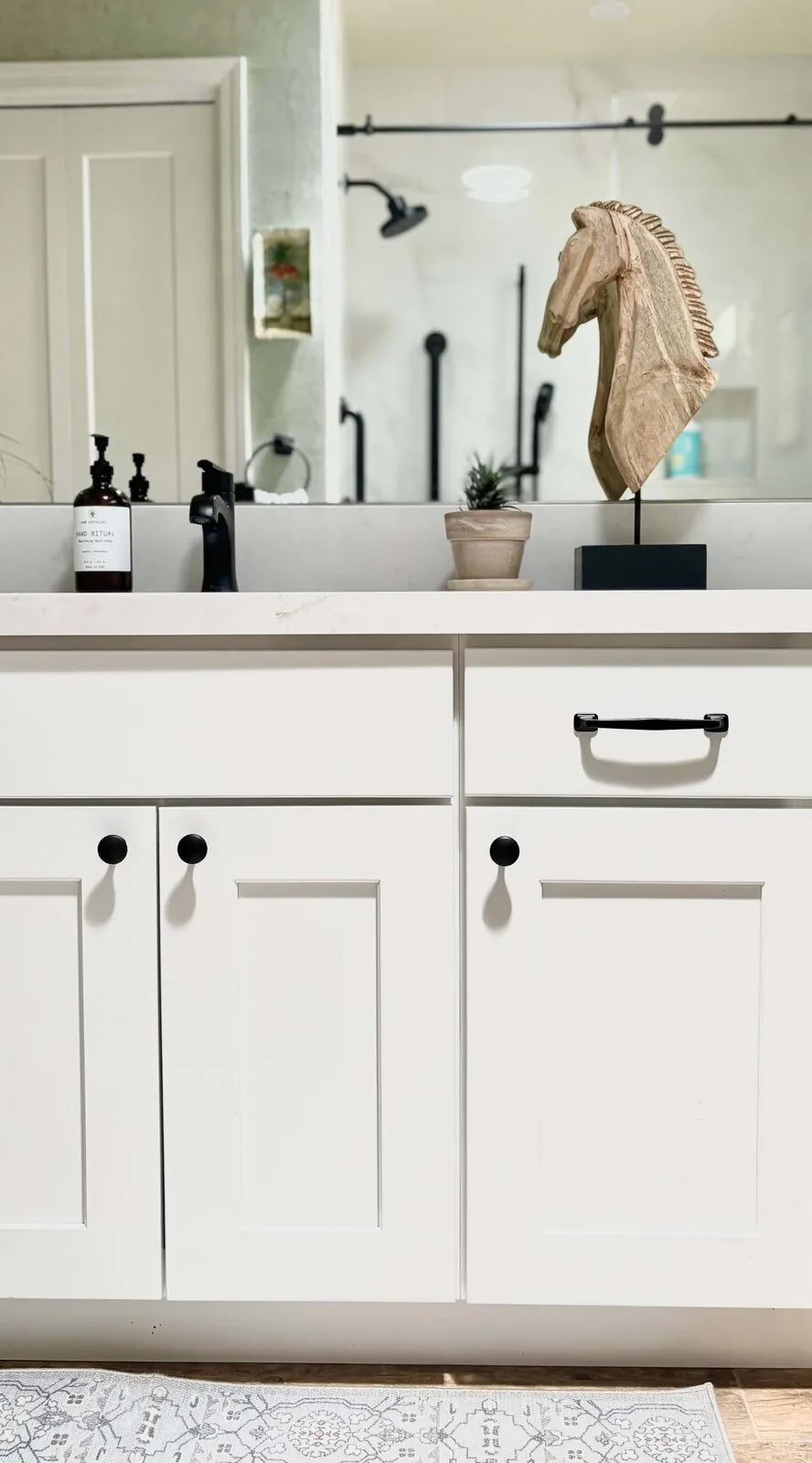
When Amy takes on a master suite remodel in Berkeley, especially one focused on eliminating plumbing noise, she starts by treating the space like a quiet sanctuary within the city’s often-busy, eclectic homes. Berkeley’s architecture leans toward mid-century modern, Craftsman, and sleek contemporary, but even in older Victorians or newer infill developments, she finds ways to blend functionality with the neighborhood’s laid-back, intellectual vibe. The key is understanding how the home’s existing structure interacts with the noise, whether it’s the creaks of a century-old oak floor or the hum of a modern radiant heating system, and designing around it without sacrificing the warmth or character that Berkeley homeowners cherish. For example, in a sunlit Craftsman home near the hills, she might opt for thick, locally sourced cork underlayment beneath hardwood to dampen sound while keeping the vintage charm, or in a sleek downtown condo, she’d layer dense acoustic panels behind the headboard, choosing materials that subtly nod to the area’s love of reclaimed wood or minimalist textures. The goal is always to make the space feel like a retreat, whether that means wrapping the suite in the soft, muted tones of a Berkeley fog or grounding it in the earthy, organic materials that thrive in this coastal climate.
Berkeley’s climate and the city’s commitment to sustainability play a huge role in Amy’s material choices, especially when it comes to soundproofing. The persistent marine layer and damp winters mean we can’t just slap up drywall and call it a day, moisture resistance is non-negotiable. She often specifies engineered wood products like plywood with higher density cores, sealed with non-toxic, VOC-free finishes that won’t off-gas in the humid summers, or even fiberboard panels treated for mold resistance. For insulation, she favors natural wool or recycled denim batts, which are both excellent at dampening sound and breathable enough to handle the temperature swings between the cool, foggy mornings and the warm, dry afternoons. Locally sourced materials, like reclaimed redwood or FSC-certified Douglas fir, also add a layer of acoustic benefit while keeping the project aligned with Berkeley’s eco-conscious ethos. And because the city’s neighborhoods, from the bohemian flair of South Berkeley to the more polished streets near the university, have distinct personalities, she tailors the aesthetic to fit. A family in the quieter, tree-lined streets of North Berkeley might get warm, textured walls in natural linens and soft woods, while a couple in downtown’s more modern enclave could opt for sleek, matte finishes that still absorb sound without looking sterile.
Ultimately, Amy’s approach is collaborative, starting with a deep dive into the homeowner’s lifestyle and what they truly want from their master suite, whether that’s a serene escape for deep sleep, a cozy reading nook, or a spa-like retreat with a soaking tub. She’ll ask about their daily routines (early risers need different sound solutions than night owls), their love language in design (Is it the hushed elegance of a Japanese-inspired space? The rugged comfort of a cabin vibe?), and even how they like to entertain (a home office that doubles as a guest room requires different acoustic planning than a purely private sanctuary). For instance, a homeowner who loves the idea of an open shower but hates the sound of running water might get a glass-enclosed wet room with a custom acoustic liner, while someone who adores vintage Berkeley charm could end up with a clawfoot tub on a sound-dampening rubber pad, wrapped in custom upholstery that deadens echoes. The beauty of working in Berkeley is that there’s so much room to play, whether it’s integrating a small meditation alcove with a sound-masking fountain or designing a wardrobe that doubles as a white noise machine with built-in speakers. The end result? A master suite that’s not just quiet, but a perfect reflection of who lives there.
Featured Neighborhoods