When you work with me on a high-end remodel in Cupertino, especially within the $300K furniture budget range, the foundation starts with understanding the architectural bones of your home and how they align with the refined yet understated elegance that defines this neighborhood. Cupertino’s residential architecture leans heavily into modern California Craftsman, mid-century modern, and sleek contemporary styles, think exposed wood beams, clean lines, and an emphasis on natural light, but the homes here also often incorporate subtle nods to the area’s tech-driven sophistication, like built-in charging stations or smart-home integrations disguised as classic built-ins. My approach begins with a deep dive into your home’s existing structure: Are those original redwood beams from the 1970s or a later addition? Does the layout favor open-concept living with a nod to the Bay Area’s love of indoor-outdoor flow, or does it have the cozy, intimate nooks that make Cupertino’s older homes so coveted? I’ll often recommend preserving or highlighting architectural details like original woodwork, terrazzo floors, or even vintage light fixtures, if they’re in good condition, because they tell a story and add authenticity. For newer builds, I focus on creating a dialogue between the home’s structure and the furniture, using materials that feel intentional rather than forced. For example, a custom-built-in bookshelf in a living room might mirror the grain of the surrounding redwood, while a dining area could incorporate a live-edge table to bridge the indoor and outdoor spaces, especially if your home has those prized views of the Santa Cruz Mountains or the tech campuses.
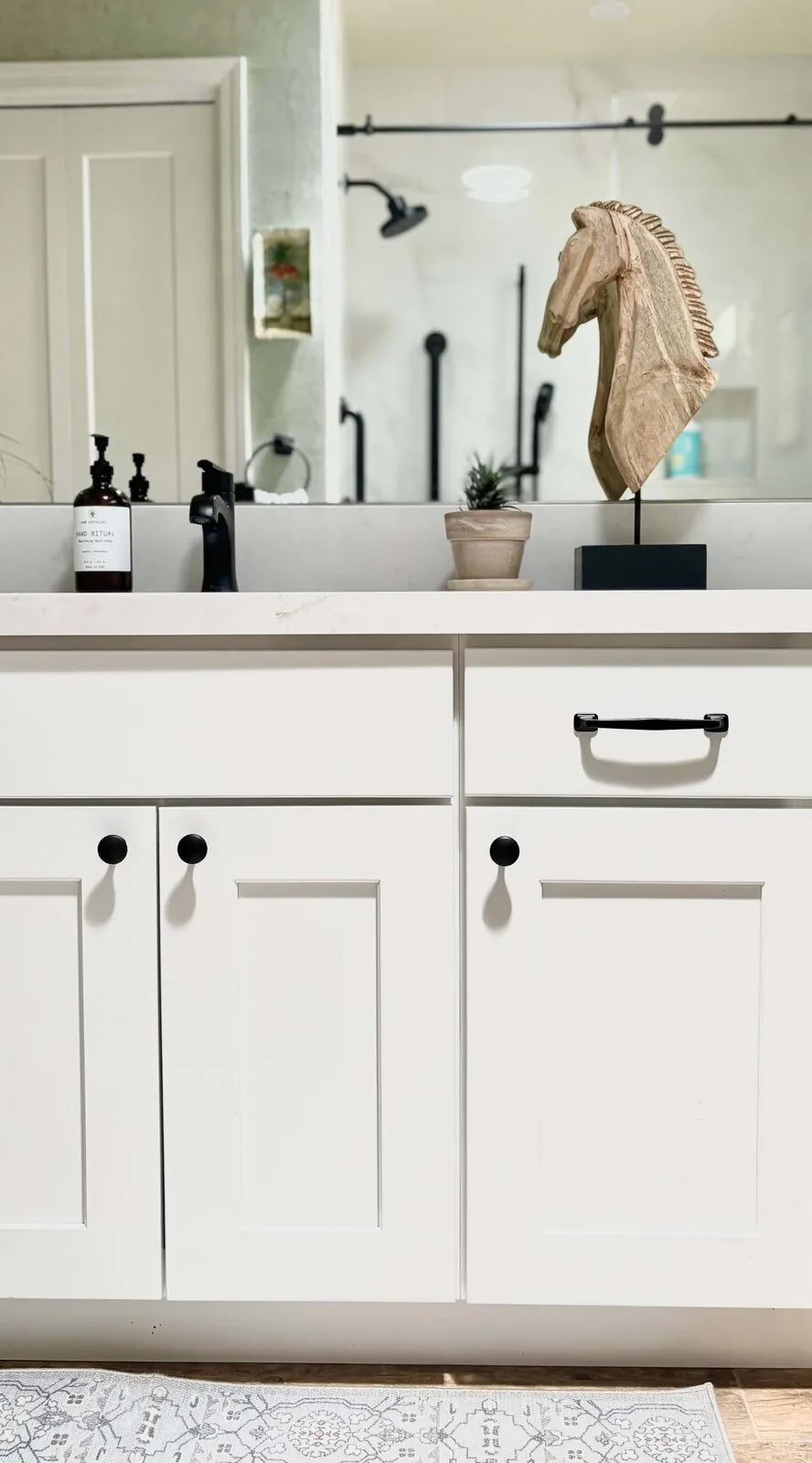
The climate and local materials in Cupertino play a huge role in shaping the design, and I make sure every choice, from flooring to textiles, is both beautiful and practical for this specific corner of Northern California. We’re in a region where summers can be dry and hot, winters are mild but occasionally damp, and the sun is relentless, so materials need to withstand UV exposure while still feeling luxurious. That’s why I often specify locally sourced reclaimed wood for flooring or cabinetry, think Santa Cruz redwood or Douglas fir, because it’s durable, sustainable, and has a warmth that pairs perfectly with the area’s natural aesthetic. For high-traffic areas, I lean into materials like microcement (which resists stains and moisture), textured porcelain tile that mimics wood or stone, or even polished concrete for a modern, low-maintenance look. Ventilation and airflow are also key; I’ll design spaces with cross-breeze-friendly layouts, incorporate ceiling fans or skylights to reduce reliance on AC, and use breathable fabrics like linen or performance wool in upholstery to keep things comfortable year-round. Even the neighborhood character influences my material palette, if you’re in the older, more established parts of Cupertino near De Anza College, the vibe might lean toward timeless, organic materials, while newer builds near the tech hubs often call for sleeker, more futuristic touches, like matte black hardware or minimalist metal accents.
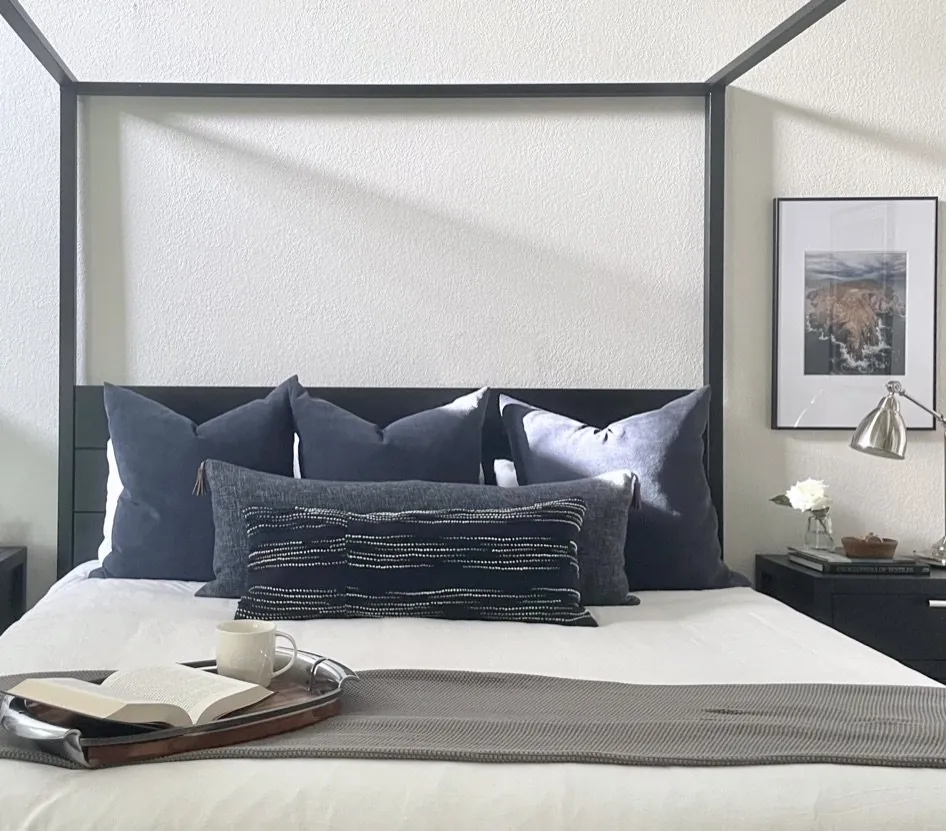
Ultimately, my goal is to create a space that feels uniquely *you* while still resonating with the quiet luxury and understated innovation that define Cupertino homes in this price range. I start by getting to know your lifestyle, do you host dinner parties where the focus is on a stunning dining table, or do you prefer a cozy living room where the fireplace is the centerpiece? Are you someone who loves to entertain with a sleek, tech-integrated kitchen, or do you prefer a more traditional prep area with a farmhouse sink and copper pots? For example, a $300K furniture budget in Cupertino allows for a mix of custom and ready-to-order pieces, but I’ll often prioritize investing in statement furniture, like a handcrafted sofa from a local artisan or a sculptural dining chair, that ties the room together, while using more affordable, high-quality decor to layer in personality. I also pay close attention to the neighborhood’s unspoken rules: in Cupertino, there’s a tendency toward understated opulence, so I might suggest a velvet sofa in a muted tone rather than a bold pattern, or a custom rug that grounds the space without overwhelming it. Lighting is another area where I tailor my approach, whether it’s warm, dimmable fixtures for a cozy master bedroom or bright, task-oriented lighting in a home office near the tech campuses. The key is balancing your personal taste with the neighborhood’s aesthetic, so your home doesn’t just fit in but stands out in the best way, elegant, functional, and effortlessly cool.
Featured Neighborhoods