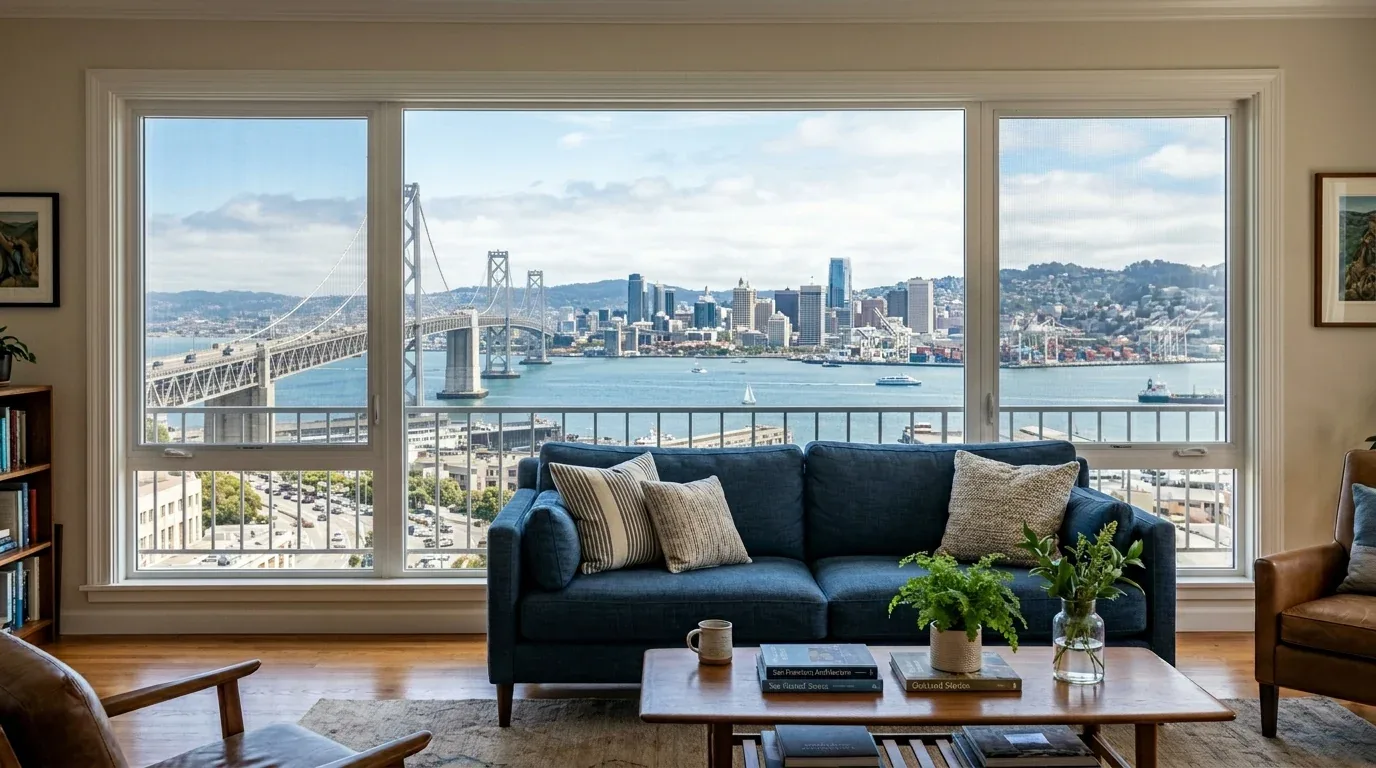
Preserving the original architectural character of a Burlingame home during a remodel is achievable with careful planning and the right interior designer. The key is balancing modern updates with respect for the home's historic features. Understanding which features to keep and how to approach updates ensures your remodel enhances rather than erases your home's unique charm.
This trend guide, built from our active project files, will explore the key architectural features typical of Burlingame homes, strategies for maintaining their integrity, and how expert interior designers can help you navigate preservation challenges while embracing contemporary living. We focus on a warm-restraint approach that respects the past while making your home functional and beautiful for today's lifestyle.
Common Questions
| How can an interior designer help preserve Burlingame’s architectural character during a remodel? | A designer trained in historic preservation will pinpoint and protect original elements like woodwork, moldings, and façade details while ensuring modern updates align with Burlingame’s architectural standards. For example, they’ll specify matching paint finishes for trim or replicate decorative window casings using period-appropriate materials. The key is balancing restoration with functionality—like keeping a vintage door but updating the hardware to meet current safety codes. |
| What are some essential architectural elements to preserve in Burlingame home renovations? | The non-negotiables are crown moldings, original woodwork (especially in built-ins or wainscoting), and traditional window treatments like multi-pane casings or transoms. In Burlingame’s Craftsman and Victorian homes, the façade details—like bracketed eaves or leaded glass—often define the street presence, so those need exact replication if restored. Skimping on these details risks losing the home’s character entirely. |
| When planning a remodel in Burlingame, how do I ensure I respect the home’s historic features? | Start with a professional assessment to document existing features, then work with a designer who’s handled Burlingame’s specific architectural styles. For instance, if you’re removing a non-load-bearing wall, they’ll confirm it’s not hiding original trim or wiring. Always check with the city’s historic preservation office for restrictions—some neighborhoods require permits for exterior changes, even paint colors. |
| Why is it important to choose a designer experienced in Burlingame’s historic homes? | Local experience means they’ve already navigated Burlingame’s zoning rules, like the requirement to maintain original window proportions or avoid vinyl siding in historic districts. They’ll also know which contractors specialize in period-accurate work—like a carpenter who can match 1920s oak paneling or an electrician who understands knob-and-tube wiring in older homes. Without this expertise, you risk costly mistakes, like installing modern outlets that clash with vintage light fixtures. |
Burlingame Preserving Architectural Character In Remodels Interior Designer 2026 at a Glance
| Element | In | Out |
|---|---|---|
| Features | Preservation of original features is on trend | Overlooking original features |
| Guidelines | Expert guidance for historic integrity | Ignoring local preservation guidelines |
| Materials | Balancing modern updates with character | Using inappropriate modern materials |
| Details | Materials that honor authenticity | Removing historic details without alternatives |
| Structural Changes | Local regulations shaping remodels | Overly aggressive structural changes |
| Regulations | Case studies of successful Burlingame projects | Disregarding Burlingame's historic districts |
| Design Approach | Designers specializing in preservation | Choosing generic designs over character |
| Expertise | Challenges of maintaining historic charm | Neglecting builder's advice on old homes |
| Common Pitfalls | Regulations and permits for Burlingame homes | Failing to consult preservation experts |
Prioritizing Architectural Features in Burlingame Home Remodels
In Burlingame, homes often boast distinctive architectural features such as crown moldings, original woodwork, decorative window casings, and traditional façade details. The first major design move is to identify and preserve these elements before planning any renovation. Across our active project specifications, we emphasize working with interior designers who understand the importance of maintaining these features as the backbone of the home's character.
For example, a recent Burlingame project involved updating a 1920s bungalow where the homeowners wanted a modern kitchen, but the challenge was how to incorporate contemporary appliances without disrupting the original millwork and built-ins. Our approach was to carefully integrate sleek, minimal cabinetry that complemented the existing woodwork, avoiding disruptive removal or over-modernization. Materials such as warm white oak for new trim and period-appropriate hardware seamlessly blend old and new, ensuring the home's charm remains intact while updating its functionality.
Choosing a designer who specializes in historic preservation and understands Burlingame’s architectural nuances is vital. They can guide you on which features are essential to preserve, which can be restored, and how to introduce modern elements thoughtfully to maintain the home's authentic feel.
Materials and Techniques for Authentic Preservation
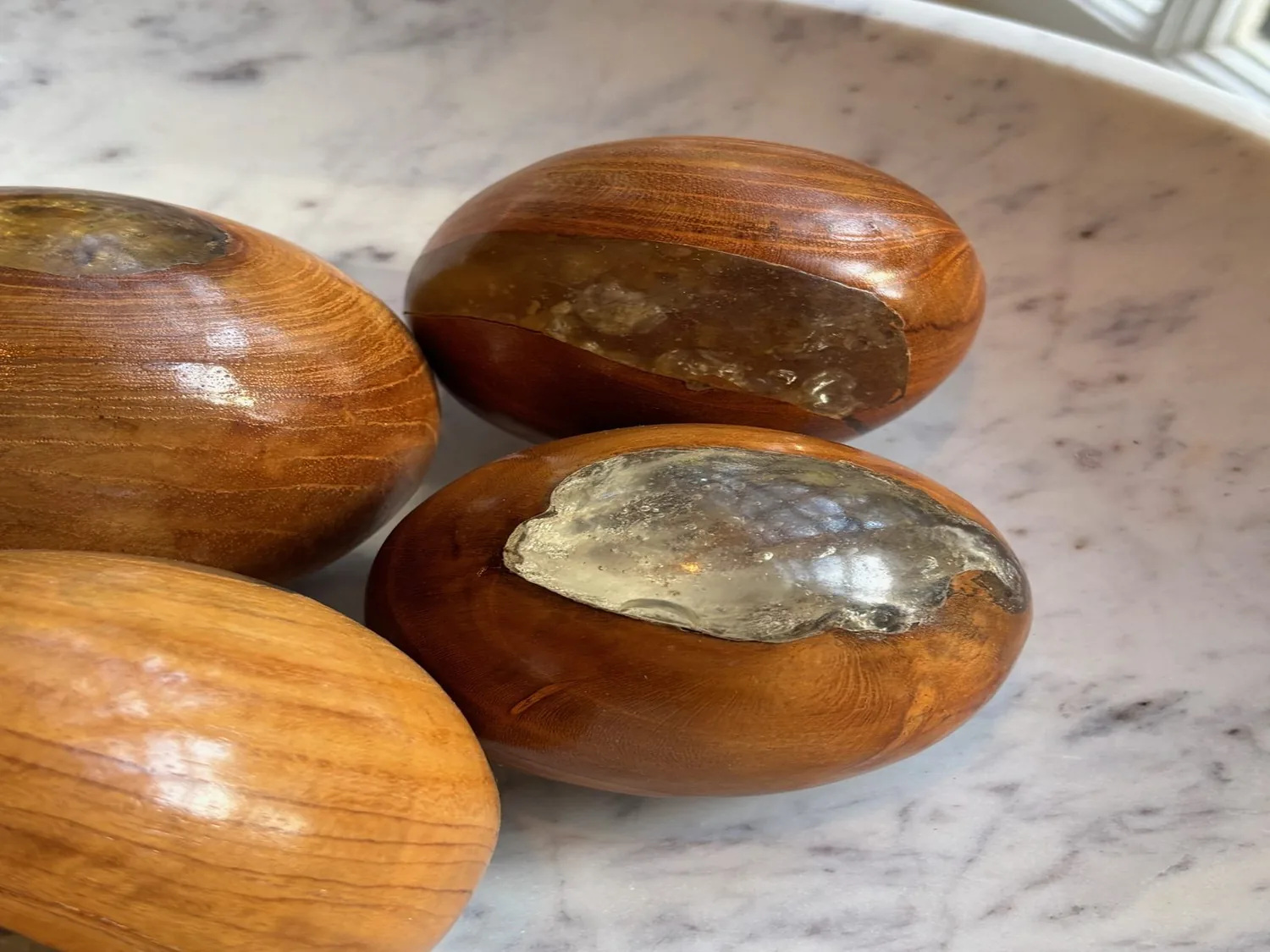
Authenticity-grade materials
- White oak (rift-sawn), for floors and trim; calmer grain preserves historic authenticity
- Reclaimed brick, for facades or accent walls, echoing original masonry
- Lead-free period-appropriate hardware, to match original fixtures
- Lime plaster, for interior walls, offering breathable, authentic finishes
- Vintage glass, for windows and cabinet inserts that match original glazing
- Traditional plaster moldings, to restore crown and wall details
- Natural wool or hemp rugs, complementing historic interiors with genuine textures
- Original or reproduction period-appropriate lighting fixtures, for authenticity in fixtures and sconces
Generic-grade tells we refuse to spec
- Mass-produced engineered flooring
- Synthetic paints and finishes
- Low-quality hardware
- Plastic or acrylic decorative elements
- Stock light fixtures
- Cheap laminate countertops
- Vinyl flooring
- Mass-market cabinetry
Why Burlingame's Architectural Heritage Calls for Careful Preservation
Burlingame’s homes near El Camino Real and just off the historic district feature a rich mix of Craftsman, Colonial Revival, and early 20th-century styles. The region's architectural stock often includes intricate woodwork, original millwork, and period-specific details that define its charm. In this context, preserving these features is not just about aesthetics but about respecting the neighborhood’s history.
The Bay Area’s climate and landscape influence the choice of materials and design details, making authentic preservation vital for maintaining the home's integrity and value. Our approach at the Burlingame interior designer hub emphasizes working within local regulations and understanding Burlingame’s historic standards. This ensures your remodel enhances the neighborhood’s character while complying with city guidelines that protect architectural heritage.
With Burlingame’s mix of older, character-rich homes and newer developments, a preservation-focused interior designer can help you navigate the nuances of maintaining authenticity while embracing the modern lifestyle. This regional perspective underscores the importance of choosing experienced professionals familiar with Burlingame’s architectural language.
Should You Remodel or Rebuild in Burlingame to Preserve Character?
The fundamental decision for homeowners near El Camino Real is whether to undertake a sensitive remodel or consider rebuilding entirely. The first question we ask is: what elements of the current structure are worth preserving? Many older Burlingame homes have good bones, but structural issues or outdated layouts may tempt a rebuild. However, a careful assessment often shows that a well-planned remodel can retain key features like original woodwork, window casings, and façade details, which add significant value and character.
For example, in several recent projects, we have found that preserving the façade and interior millwork significantly enhances resale value, especially in neighborhoods with historic zoning. A typical decision matrix includes evaluating the home's age, the extent of structural updates required, and local regulations from the Burlingame Building Division. The ROI on preserving historic features often outweighs the cost of rebuilding, especially when considering the emotional and aesthetic benefits.
When weighing options, consider the impact on neighborhood character and the potential for future resale. Preservation-focused remodeling allows you to maintain Burlingame’s architectural integrity while updating the home for modern needs. Partnering with a designer experienced in historic homes ensures your decision aligns with both your lifestyle and the city’s preservation guidelines.
What This Costs in 2026
| Scope | Burlingame / Bay Area | Sacramento |
|---|---|---|
| Refresh scope including minor updates and preservation of key features | $70K - $150K | $50K - $100K |
| Mid-tier remodel with structural repairs and material upgrades | $200K - $400K | $150K - $300K |
| Estate-scale project with extensive preservation and custom features | $500K - $1.2M | $400K - $800K |
Local permits & planning
Working Notes
What We Have Learned Doing This: Burlingame Preserving Architectural Character in Remodels Interior Designer
“Trades do not read minds. They read drawings.”
The cheapest tool on any project is a sample board and an afternoon. We have watched five-figure mistakes get caught by a fifteen-dollar paint sample lived with for a week in the actual light of the actual room. Decisions made under showroom lighting do not survive contact with a real house.
A renovation is a dependency chain, not a list of tasks. A two-day cabinet delay quietly becomes a two-week slip by week sixteen because every trade downstream is holding a calendar. The least glamorous part of this work, and the most valuable, is keeping that chain from cascading.
Most of the money that gets wasted is spent solving the wrong problem confidently. A homeowner asks for more space, every contractor agrees and prices an addition, and the real issue turns out to be light, or proportion, or one bad sightline. We make the room tell us the problem before anyone signs a demolition contract.
These notes come from our own project debriefs. Most were learned the expensive way the first time.
Sources & Professional References
This guide's positions on permits are grounded in published building-code, standards, and recognized design-authority sources, alongside Designed | Curated Interiors' verified credentials and active project files:
- International Code Council (ICC): Careers In Code Enforcement
- International Code Council (ICC): Chapter 17 Special Inspections And Tests
- Building Division, Burlingame (San Mateo County) building permit portal
- NKBA, Amy Kunst Member Profile (verified credential, NKBA Committee Member)
- Featured in: Homes & Gardens (design expert quote, May 2026) · Sacramento Love (guest author, 2024)
From Principle to a Real Room
A trend piece is the briefing document, not the deliverable. The pages below show how we translate these principles into finished rooms across Burlingame and the rest of Northern California.
- Sacramento & Bay Area Interior Design Services How we scope, source, and deliver work end to end.
- Interior Designer Hub, Burlingame Where most of our Burlingame work lives, the regional fit explained.
- Modern Tudor Homes: Authentic, Revival, and Neo-Tudor (A Designer Reference) Heritage-architecture renovation patterns from our project files.
- Japandi Living Room: A Designer's Guide to the 2026 Look The 2026 warm-neutral playbook applied to the living room.