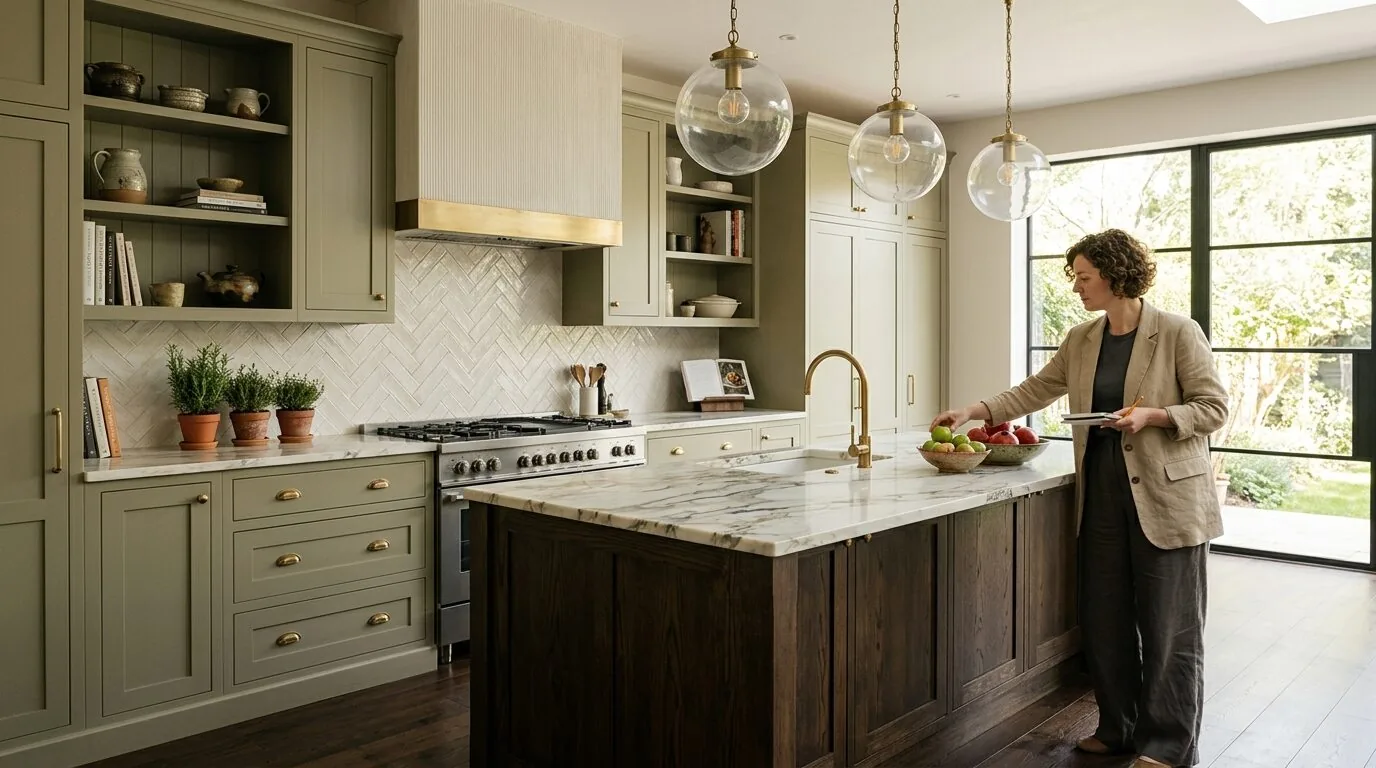
Finding a professional interior designer who specializes in projects on Belvedere Island is essential to achieving a seamless, tailored space that respects the region's unique architectural and landscape context. Your main concern is likely ensuring the designer has regional experience and a deep understanding of local materials, styles, and permitting processes. Belvedere interior designers bring a sophisticated, regionally attuned approach that balances timeless elegance with the area's natural beauty.
Built from our active project files, this guide explores how Belvedere Island interior designers operate today, highlighting current trends, relevant styles, and practical considerations such as costs, portfolio access, and sustainability practices. We focus on regional expertise, project specifics, and how to select a designer who understands Belvedere’s luxury landscape and historic fabric, all through a warm-restraint, designer perspective for 2026.
Common Questions
| What should I consider when hiring an interior designer in Belvedere? | Look for regional experience, understanding of local materials, styles, and permitting processes specific to Belvedere. |
| How much does a full interior remodel cost in Belvedere? | Mid-range full remodels typically cost between $90k and $140k, while high-end or luxury projects can exceed $140k, depending on scope. |
| Are permits required for interior design projects in Belvedere? | Yes, projects involving load-bearing wall removal, electrical upgrades, plumbing relocations, or window changes require permits and inspections from Marin County. |
| What material grades are recommended for kitchen countertops in Belvedere? | Engineered quartz like Caesarstone Calacatta Nuvo or natural stone such as granite or quartzite are recommended; avoid laminate or thin 1cm stone. |
Belvedere Island Interior Designer 2026 at a Glance
| Element | In | Out |
|---|---|---|
| Color | Calm color palettes inspired by Marin landscape | Overly vibrant color schemes |
| Materials | Sustainable materials and eco-friendly practices | Mass-produced furniture choices |
| Style | Timeless architectural details with modern updates | Trendy, fast-install finishes |
| Sustainability | Personalized, regionally informed design solutions | Generic regional styles |
| Outdoor Integration | Integration of outdoor views into interior design | Ignoring local environmental factors |
| Craftsmanship | Use of local artisan craftsmanship | Mass-market design without regional context |
| Design Approach | Balanced modernity with historic character | Overly ornate or overly minimal styles |
| Lighting | Focus on air quality and natural light | Poorly integrated outdoor spaces |
| Permitting | Attention to regional permitting nuances | High-maintenance materials |
The first major design move: Embracing regional harmony
In our recent projects on Belvedere Island, the first design move often involves harmonizing interiors with the natural landscape and historic architectural character. For example, across our active project specifications, we favor warm, muted palettes inspired by the Marin shoreline, such as soft taupes, sea greens, and sandy beiges. These colors create a calming backdrop that complements the region’s lush views and historic homes.
We also emphasize the selection of materials that reflect Belvedere’s coastal climate and understated luxury. Think of engineered quartz with subtle veining for countertops, like the Caesarstone Calacatta Nuvo, paired with natural stone accents that age gracefully. Finishes such as matte brass hardware from brands like Emtek or Restoration Hardware add a warm, timeless touch. This approach ensures the design feels both elevated and regionally authentic, avoiding the trap of overly trendy or generic styles. Our goal is to craft spaces that feel rooted in place yet modern in function and aesthetic, a balance we’ve refined over several recent projects.
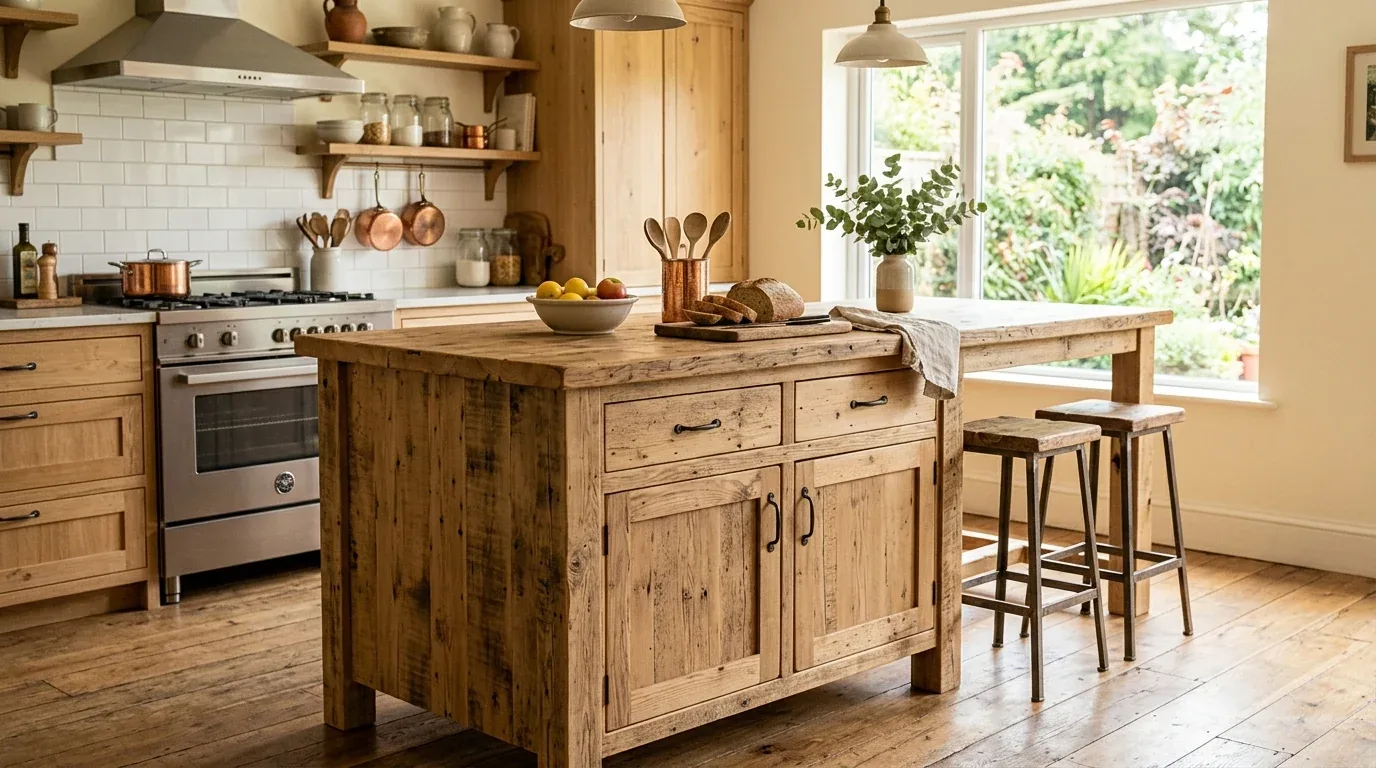
Material specificity: Authentic choices in Belvedere interiors
Authenticity-grade materials
- White oak (rift-sawn), for floors and slat detail; calmer grain than plain-sawn
- Limestone, for fireplace surrounds and accent walls; durable and regionally appropriate
- Bronze hardware, for fixtures and accents; patinas gracefully over time
- Engineered quartz (Calacatta Nuvo), for countertops; consistent veining and low maintenance
- Natural cork flooring, for eco-friendly, warm underfoot surfaces
- Soft linen fabrics, for window treatments and upholstery; breathable and regionally sympathetic
- Reclaimed wood, for custom millwork and accent pieces; sustainable and character-rich
- Glass from local suppliers, for interior partitions and cabinet fronts
Generic-grade tells we refuse to spec
- Mass-produced laminate countertops
- Veneer plywood cabinetry
- Chrome hardware
- Synthetic fabrics
- Vinyl flooring
- Painted MDF millwork
- Off-the-shelf light fixtures
- Standard ceramic tiles
Why Belvedere’s landscape and architecture influence interior design trends
Belvedere’s unique landscape, with its protected views and lush greenery, encourages interior designs that blur indoor-outdoor boundaries. The region’s historic homes, often built in the early 20th century, feature craftsmanship and proportions that demand respect and subtle enhancement rather than radical modernization. The Bay Area’s temperate climate allows for expansive glass and outdoor integration, making regional design choices highly context-dependent.
In our work, we leverage natural light to enhance interior harmony, selecting finishes and furniture that complement the landscape without overwhelming it. The area's architectural stock leans toward understated elegance, favoring materials like reclaimed wood and natural stone that age beautifully. For more insights into how regional factors influence design, explore our San Rafael interior designer hub. This regional approach ensures that each project feels authentic, timeless, and perfectly suited to Belvedere’s environment and historic fabric.
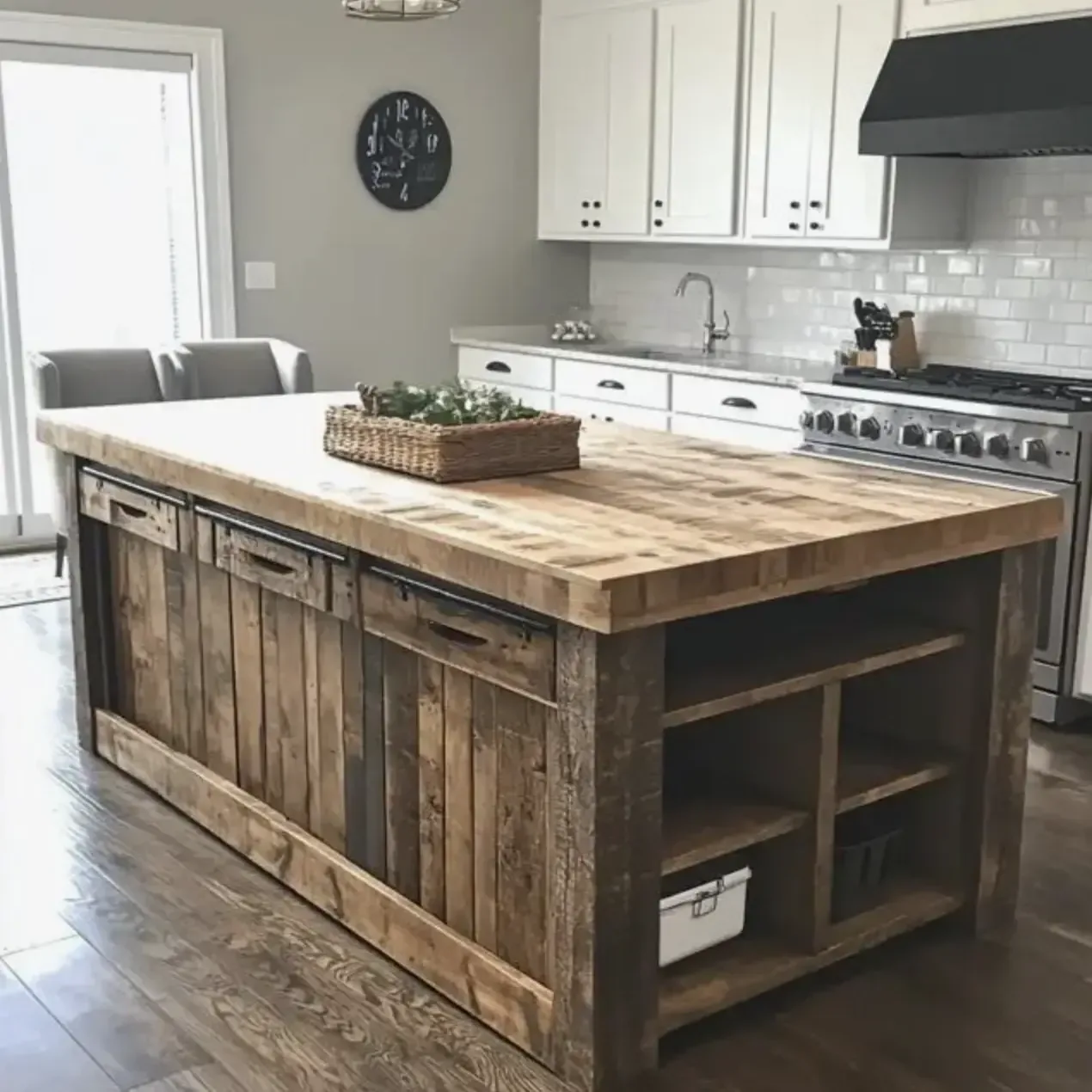
Should You Remodel or Rebuild in Belvedere?
Homeowners on Belvedere often face the pivotal decision of whether to remodel an existing home or undertake a rebuild. The first question we ask is what the primary goal is: increasing space, upgrading systems, or restoring historic character. In many cases, the region’s land value and historic homes suggest that remodeling can preserve charm while upgrading interiors. However, structural limitations, such as load-bearing walls or foundation conditions, may tip the scale toward rebuilding.
For example, on the Vista Del Sol Project, a homeowner wanted a modern primary suite but was hesitant about extensive rebuild costs. We examined home as it was actually built with a laser level, site photos, and permit research through the Community Development, Belvedere. We found that many structural elements, like old framing and foundation issues, could be upgraded without tearing down the house. The decision to remodel was driven by regional land values and historic preservation goals, emphasizing that in Belvedere, thoughtful renovation often yields more value than costly rebuilds. The key is balancing regional land economics with the architectural integrity of the home.
What This Costs in 2026
| Scope | Belvedere / Bay Area | Sacramento |
|---|---|---|
| Refresh scope: minor updates, new textiles, hardware | $25K-$55K | $20K-$50K |
| Mid-tier scope: kitchen/bath remodel, custom cabinetry | $100K-$150K | $90K-$140K |
| Estate-scale: full interior overhaul, structural upgrades | $150K-$250K+ | $140K-$250K+ |
Local permits & planning
Working Notes
What We Have Learned Doing This: Belvedere Island Interior Designer
“If the cabinet drawings are not frozen before slab templating, expect rework.”
Panel-ready appliances drive the cabinet shop calendar, not the other way around. Order them first or accept that the boxes sit waiting for a panel.
Old houses lie, and so do new ones. Even a ten-year-old house lies the moment you assume the framing sits where the plans say. We stopped trusting old drawings, prior contractor work, and the phrase it should be fine a long time ago. The budget needs a real line for what demolition will uncover, usually 15 to 20 percent once walls start opening.
A renovation is a dependency chain, not a list of tasks. A two-day cabinet delay quietly becomes a two-week slip by week sixteen because every trade downstream is holding a calendar. The least glamorous part of this work, and the most valuable, is keeping that chain from cascading.
The cheapest tool on any project is a sample board and an afternoon. We have watched five-figure mistakes get caught by a fifteen-dollar paint sample lived with for a week in the actual light of the actual room. Decisions made under showroom lighting do not survive contact with a real house.
These notes come from our own project debriefs. Most were learned the expensive way the first time.
Sources & Professional References
This guide's positions on permits are grounded in published building-code, standards, and recognized design-authority sources, alongside Designed | Curated Interiors' verified credentials and active project files:
- International Code Council (ICC): Chapter 17 Special Inspections And Tests
- International Code Council (ICC): Careers In Code Enforcement
- Community Development, Belvedere (Marin County) building permit portal
- NKBA, Amy Kunst Member Profile (verified credential, NKBA Committee Member)
- Featured in: Homes & Gardens (design expert quote, May 2026) · Sacramento Love (guest author, 2024)
From Principle to a Real Room
A trend piece is the briefing document, not the deliverable. The pages below show how we translate these principles into finished rooms across Belvedere and the rest of Northern California.
- Sacramento & Bay Area Interior Design Services How we scope, source, and deliver work end to end.
- Interior Designer Hub, Belvedere Where most of our Belvedere work lives, the regional fit explained.
- Modern Tudor Homes: Authentic, Revival, and Neo-Tudor (A Designer Reference) Heritage-architecture renovation patterns from our project files.
- Japandi Living Room: A Designer's Guide to the 2026 Look The 2026 warm-neutral playbook applied to the living room.