When Amy takes on a $200K+ estate remodel in San Ramon, she begins by studying the architectural language of the neighborhood, whether it’s the refined Craftsman details of the older hillsides, the sleek modernism of newer developments near the BART corridor, or the understated luxury of the equestrian estates along Mount Diablo’s foothills. She’s particularly attuned to how the home’s existing structure interacts with its surroundings; for example, leveraging the natural light flooding through the East Bay’s clear skies by orienting living spaces toward the expansive views of the hills or the bay. In San Ramon’s climate, where hot, dry summers and cool, damp winters demand precision, she often incorporates passive design strategies, deep overhangs to shield glass from the intense afternoon sun, cross-ventilation pathways that harness the prevailing westerly breezes, and locally sourced stone or reclaimed wood for thermal mass to moderate indoor temperatures. The goal isn’t just to create a home that looks cohesive with its neighbors but one that feels like an extension of the land it sits on, whether that’s through the use of regional materials like Bay Area granite or the subtle nod to the area’s agricultural roots with warm, earthy palettes that ground the space.
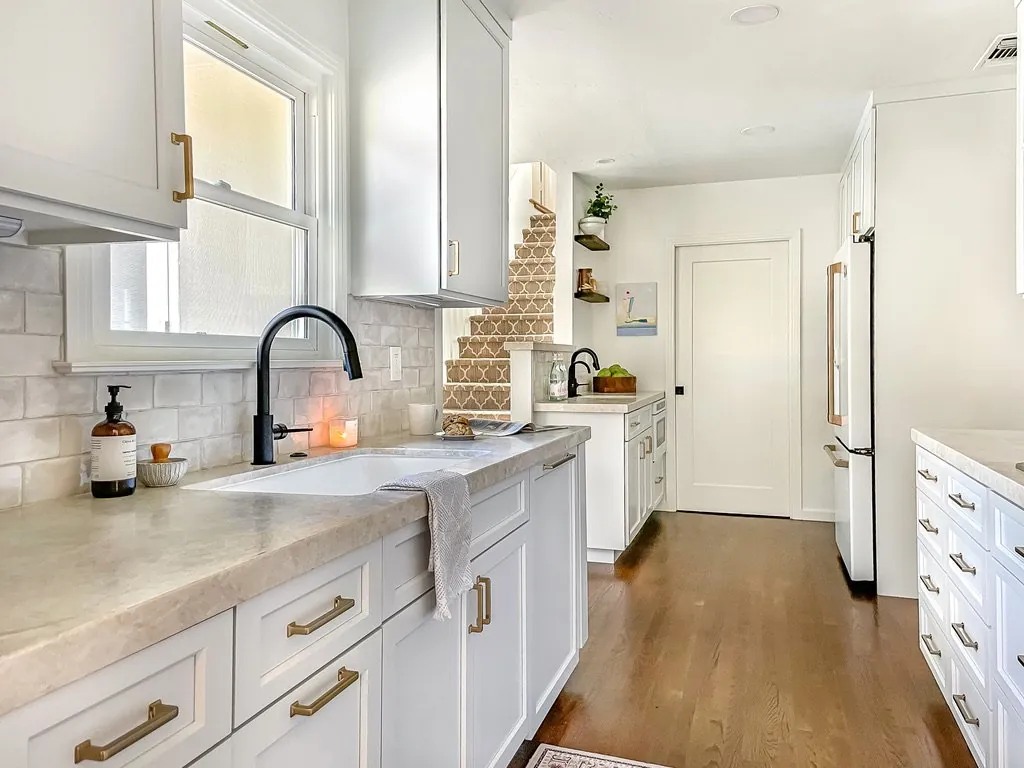
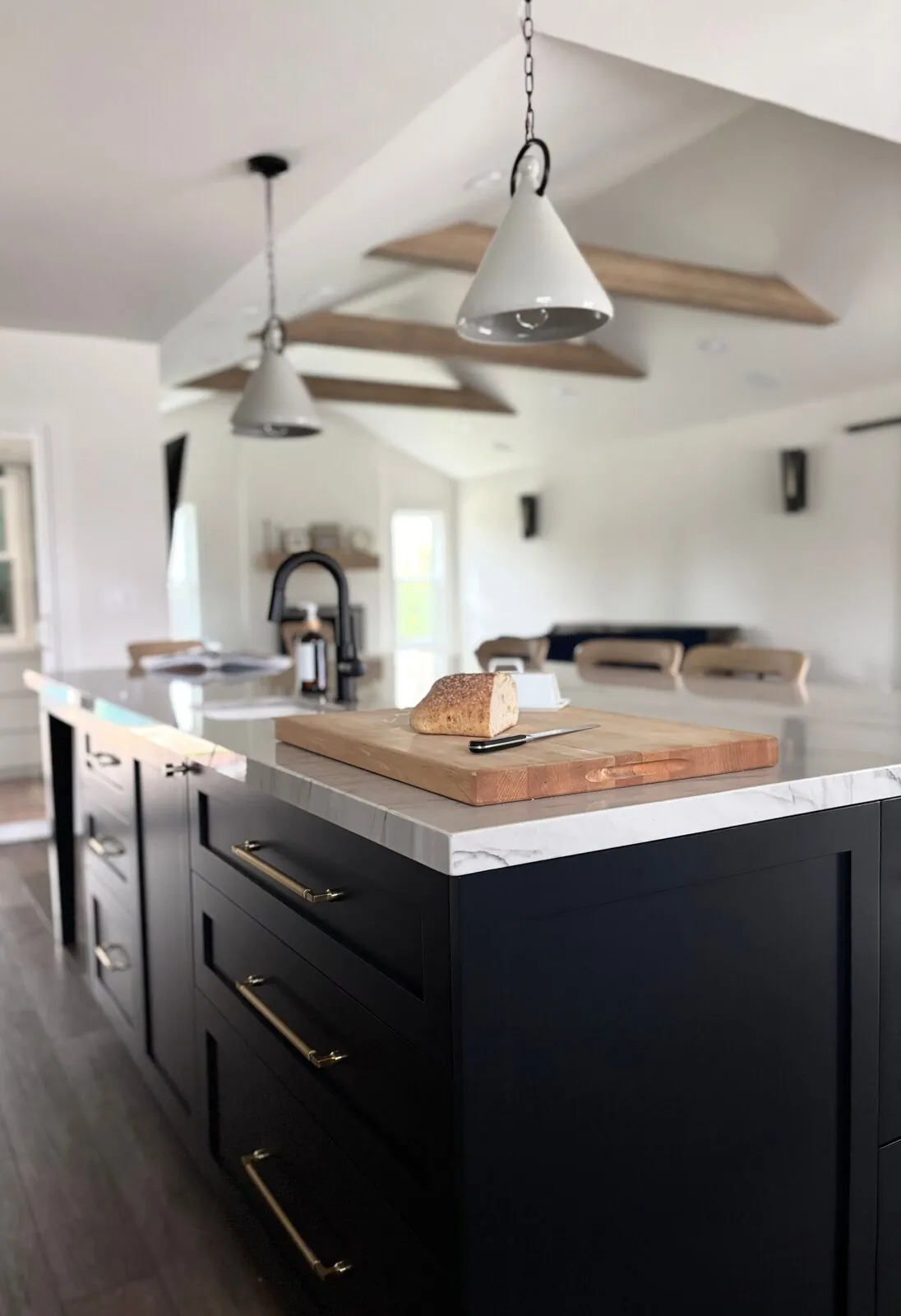
Amy’s process for vetting vendors, especially in a market where quality and craftsmanship are non-negotiable, starts with a deep dive into who truly understands the demands of high-end, custom work in this region. She prioritizes artisans and contractors who specialize in projects of this scale, often sourcing cabinetry from Bay Area joiners known for their precision, lighting from local studios that can custom fabricate fixtures to complement the home’s natural light, and flooring from suppliers who can provide everything from rare hardwoods to durable, low-maintenance options that suit San Ramon’s occasional moisture. For example, she might specify locally milled redwood or Douglas fir for its natural resistance to the area’s humidity, or specify high-end porcelain tile from a manufacturer with a West Coast distribution hub to minimize lead times and carbon footprint. Climate also dictates her material choices, think sealed concrete finishes for durability in the occasional earthquake, or outdoor living spaces designed to transition seamlessly indoors to extend usability during the mild, foggy mornings that are common in the valley. Even the finishes tell a story: matte black hardware might contrast sharply with the warm tones of a restored 1930s estate, while brushed brass could soften the modern lines of a contemporary home near the downtown core.
Ultimately, Amy’s designs for San Ramon’s elite residences are a collaboration between her expertise and the homeowner’s vision, whether that’s preserving the historic bones of a mid-century modern gem or crafting a bespoke sanctuary for a young family in the newer developments near the schools. She starts by listening, what’s the homeowner’s connection to the land? Do they entertain frequently, or is this a quiet retreat for a small family? For a tech executive in the hills, that might mean a home office with floor-to-ceiling glass to frame the sunset over the bay, while for a wine enthusiast, it could be a subterranean cellar with custom racks and climate control tailored to the valley’s microclimates. She balances her signature aesthetic, clean lines, organic textures, and a reverence for craftsmanship, with the homeowner’s personal touches, whether that’s incorporating heirloom furniture, a gallery wall of local art, or a kitchen designed around gourmet cooking. The result is never about following trends; it’s about creating a home that feels distinctly *San Ramon*—where the architecture, materials, and design all align with the homeowner’s lifestyle, the neighborhood’s character, and the unique beauty of Northern California’s landscape.
Featured Neighborhoods