Blog Post November 08, 2025 Amy Kunst

Open Concept Living: Making Large Spaces Feel Cohesive

Open Concept Living: Making Large Spaces Feel Cohesive

The Appeal of Open Concept

Open floor plans create a sense of spaciousness, improve natural light flow, and facilitate family interaction. However, they require thoughtful design to avoid feeling cavernous or disjointed. The key is creating distinct zones while maintaining visual cohesion.

Define Zones Without Walls

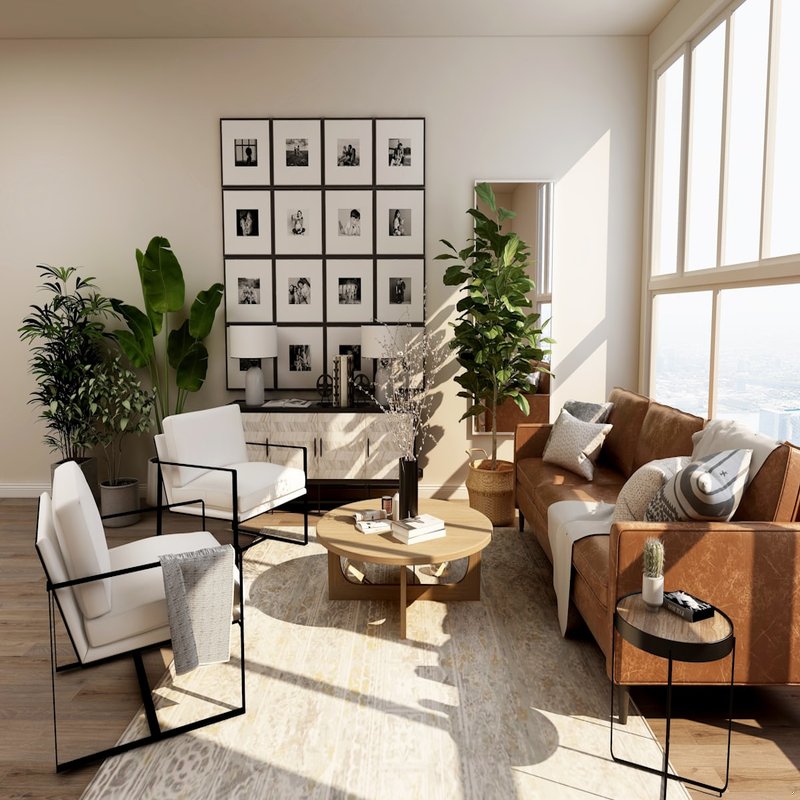
Use furniture placement, area rugs, lighting, and ceiling treatments to delineate spaces. A sofa can back the dining area, creating separation. Different rug patterns or sizes define living versus dining zones without disrupting flow.

Create a Cohesive Color Palette

With no walls to separate spaces, color continuity is crucial. Choose a main palette that flows throughout, varying intensity or adding accents in different zones. This creates visual harmony while allowing each area its own personality.

Flooring Transitions

Use flooring changes strategically. Hardwood in living areas transitioning to tile in kitchens is practical and defines spaces. Ensure transitions are thoughtful—too many changes create visual chaos. Maintain consistency in wood tones or tile styles.

Furniture as Room Dividers

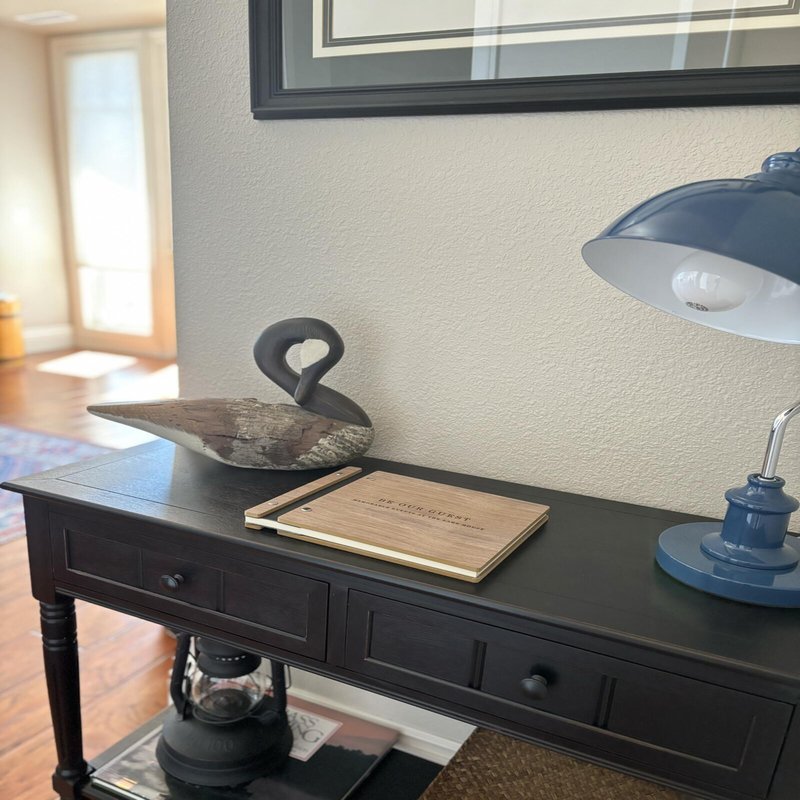
Arrange furniture to create implied boundaries. A console table behind a sofa provides separation and storage. Bookcases perpendicular to walls create semi-private zones. These solutions maintain openness while providing definition.

Lighting Zones

Different lighting schemes in each zone create distinction while maintaining cohesion. Pendant lights over islands, recessed lights in living areas, and chandeliers over dining tables each serve their space while complementing the overall design.

Maintain Sight Lines

Consider views from different vantage points. What you see from the entrance, from the sofa, and from the dining table should all be visually pleasing. Arrange furniture and accessories with these sight lines in mind.

Balance and Proportion

Large open spaces can handle larger-scale furniture and artwork. Don't fill every corner—negative space is important. Balance heavy elements (like a large entertainment center) with visual lightness elsewhere (like open shelving).

Control Clutter

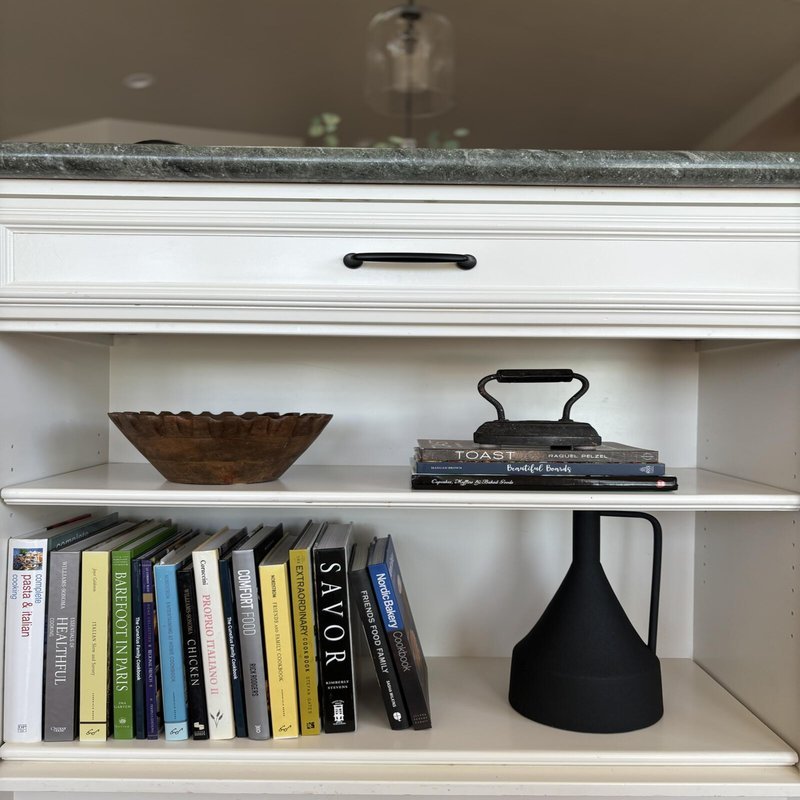
Everything is visible in open concept designs. Include abundant storage: built-ins, closed cabinets, and attractive storage ottomans. Establish organizational systems and maintain them. Clutter is magnified in open spaces.

Acoustic Considerations

Large open spaces can be echo-prone. Incorporate sound-absorbing elements: area rugs, upholstered furniture, curtains, fabric wall art, and acoustic panels disguised as artwork. These additions make the space more comfortable.

Conclusion

Successful open concept design balances openness with definition, creating distinct zones that feel connected rather than disconnected. Through thoughtful furniture placement, cohesive color, and strategic design elements, your open space can feel both spacious and intimate.

Ready to Create Your Dream Space?

Inspired by these design ideas? Let's bring your vision to life with our expert interior design services. Schedule your complimentary consultation today.

Get In Touch

Have a project in mind? Fill out the form below and we'll get back to you within 24 hours.

Call Us +916-756-5977
Business Hours 8:30 AM - 5:00 PM